Electric Fuse Box Guide: Safe Solutions for 2026 Homes
Imagine your home’s safety depending on a small, metal box tucked away in a corner: the electric fuse box. As electrical demands in 2026 homes increase, understanding this vital system becomes more important than ever. This guide empowers you to maintain, upgrade, and protect your electric fuse box for maximum safety and efficiency. We break down essential safety features, reveal the differences between outdated and modern systems, and offer expert advice for future-proofing your home. Ready to enjoy peace of mind and reliable power? Take action now to ensure your electrical system is safe, compliant, and ready for the future.
Understanding the Electric Fuse Box: Purpose, Components, and How It Works
Imagine opening a small metal cabinet in your home and realizing this single unit stands between you and potential electrical hazards. The electric fuse box is a crucial safety feature that every homeowner should understand. Whether you live in a newly built property or a charming older residence, knowing how this device works can help keep your family and property safe.
What Is an Electric Fuse Box?
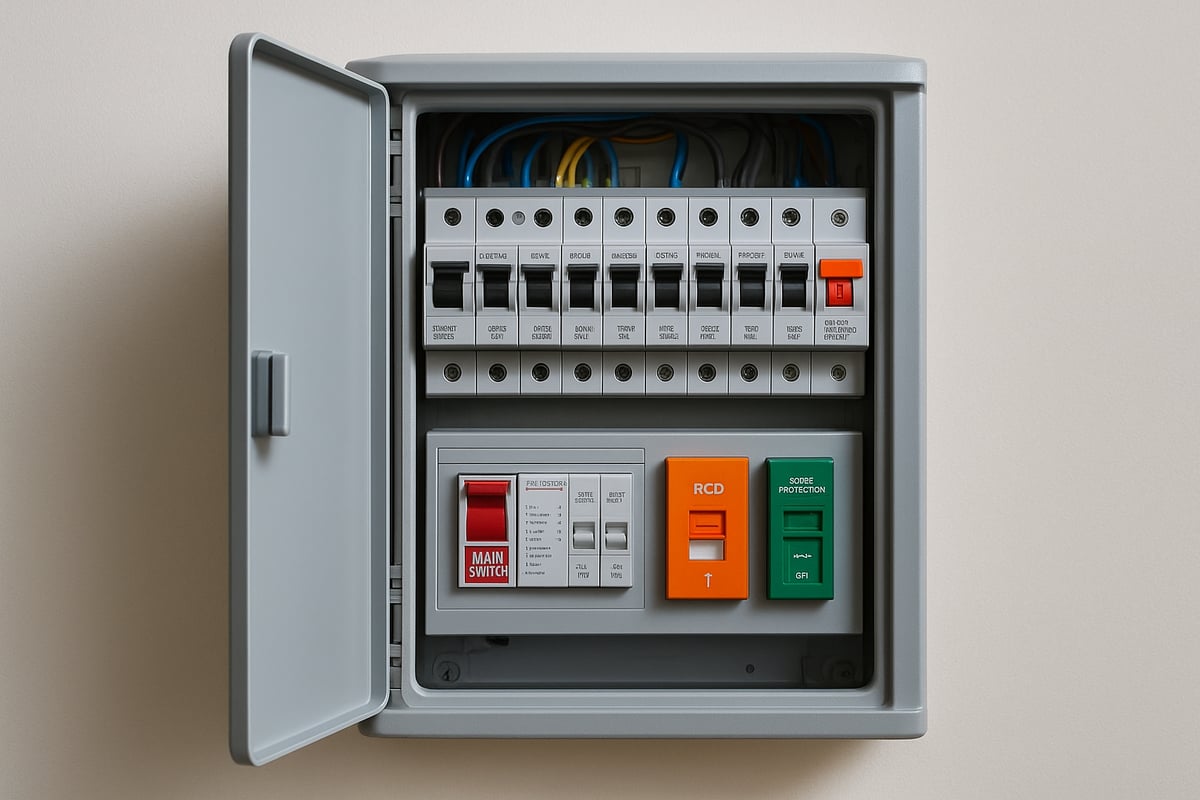
An electric fuse box is the main control and safety unit for all the electrical circuits in your home. Its primary function is to distribute electricity safely, preventing overloads, fires, and costly electrical damage. In homes built before the 1970s, a typical electric fuse box was designed for just 60 amps, while modern panels can manage up to 200 amps, supporting today’s high-energy appliances. You’ll often find the electric fuse box in a basement, garage, or utility room.
For both new and older homes, the electric fuse box is essential for meeting safety codes and protecting your property. Modern standards, such as those detailed in the 2026 National Electrical Code E-Guide, require advanced features to be present in every installation.
Key Components Inside a Fuse Box
Inside an electric fuse box, you’ll find several key parts working together to keep your home safe:
- Main switch: This acts as the master control, shutting off all power during emergencies or maintenance.
- Individual fuses or circuit breakers: Each protects a separate circuit, stopping the flow of electricity if there’s an overload.
- Residual Current Devices (RCDs): These devices detect electrical imbalances and instantly cut power to prevent shocks.
- Bus bars: These metal strips distribute electricity evenly to each circuit.
- Grounding systems: Essential for directing stray electrical current safely into the ground.
Modern panels often include both Ground Fault Circuit Interrupter (GFCI) and Arc Fault Circuit Interrupter (AFCI) protection, offering advanced defenses against shocks and fires. In contrast, older electric fuse boxes usually lack RCDs, which is a significant safety risk. When examining competitor products, the absence of RCDs in older models is a major concern for homeowners prioritizing safety.
How a Fuse Box Protects Your Home
The electric fuse box is designed to act as a first line of defense against electrical hazards. When too much current flows through a circuit, a fuse will "blow" or a breaker will trip, instantly stopping the electricity. This quick action prevents overheating, electrical fires, and damage to expensive appliances.
For example, if a kitchen appliance develops a short circuit, the electric fuse box detects the fault and automatically disconnects the power to that circuit. Modern circuit breakers can be reset after tripping, while traditional fuses must be replaced. This protective process is crucial for minimizing risks and maintaining a safe living environment.
Types of Fuse Boxes: Traditional vs. Modern Panels
There are key differences between a traditional electric fuse box and today’s advanced panels. Older fuse boxes use disposable fuses and typically support only 60 amps, limiting the number and type of devices you can safely run. Modern panels, by comparison, use resettable breakers and can support up to 200 amps, meeting the demands of larger homes and new appliances.
| Feature | Traditional Fuse Box | Modern Panel |
|---|---|---|
| Amperage Capacity | Up to 60 amps | Up to 200 amps |
| Protection Devices | Fuses only | GFCI, AFCI, RCD |
| Resettable? | No (fuse replaced) | Yes (breaker reset) |
| Safety Level | Basic | Advanced |
Modern homes, especially those with electric vehicle chargers, require the extra capacity and protection only a modern electric fuse box can provide. Upgrading ensures better safety, convenience, and compliance with current codes.
Safety Standards and Modern Requirements for 2026 Homes
Keeping your electric fuse box up to date is essential for household safety in 2026. Modern standards are stricter than ever, reflecting growing power needs and the latest safety technology. Homeowners must understand current regulations and features to ensure their home’s electrical system keeps everyone protected.
Key Electrical Codes and Regulations
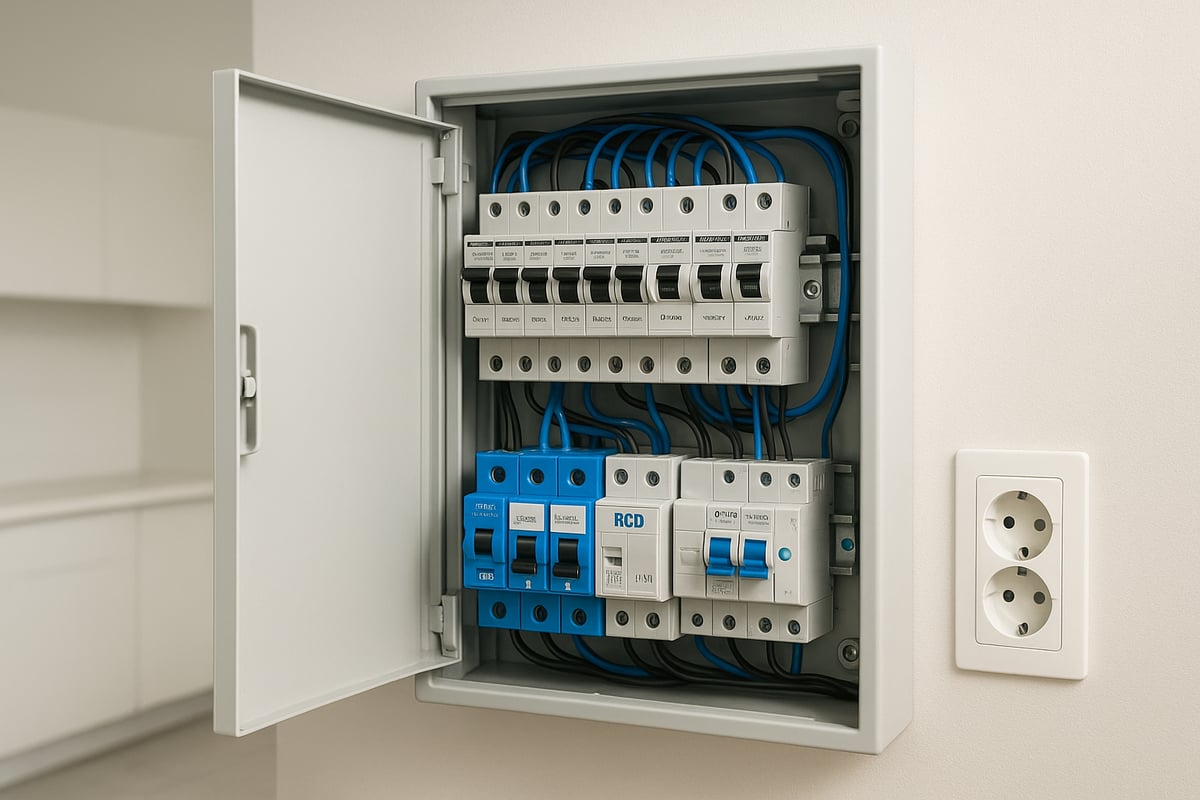
Every electric fuse box installed in 2026 homes must comply with updated electrical codes. The National Electrical Code (NEC) and local standards now require advanced safety measures, such as ground fault and arc fault protection throughout living spaces. New installations must include Residual Current Devices (RCDs) for enhanced shock prevention. For a comprehensive overview of these evolving requirements, refer to the Top 25 Changes in the 2026 NEC. Modern panels are designed to meet or exceed these strict regulations, ensuring your electric fuse box is both safe and future-ready.
Safety Features Every 2026 Home Should Have
A modern electric fuse box goes beyond basic circuit protection. Essential safety features include Ground Fault Circuit Interrupters (GFCIs) to prevent electric shocks and Arc Fault Circuit Interrupters (AFCIs) to detect hazardous arcing conditions. Built-in surge protection shields sensitive electronics from voltage spikes. Tamper-resistant outlets add an extra layer of child safety. Most panels now integrate GFCI and AFCI breakers across all circuits, delivering whole-home protection. These advancements ensure that your electric fuse box not only meets code but also actively guards against the most common electrical hazards faced by today’s homeowners.
Common Hazards of Outdated Fuse Boxes
Using an outdated electric fuse box exposes your home to several preventable risks. Older panels often lack ground fault and arc fault protection, making them vulnerable to electrical fires and shocks. Overfusing, or using incorrect fuse sizes, increases the risk of overheating and fire. Many legacy systems have unprotected circuits or ungrounded wiring, further compromising safety. Certain brands, like Zinsco or Federal Pacific, are notorious for fire hazards and have been subject to recalls. Upgrading your electric fuse box is the best way to eliminate these dangers and ensure your home is compliant.
Statistics: Electrical Safety and Fuse Box Upgrades
Industry data shows that nearly 60 percent of homes built before 1970 still rely on an outdated electric fuse box. Upgrading to a modern panel can reduce the risk of electrical fires by up to 80 percent, according to leading safety organizations. Insurance companies often charge higher premiums for homes with obsolete fuse boxes, reflecting the increased risk. In many cases, real estate transactions require an upgrade to a 200-amp panel for resale approval. These statistics highlight why keeping your electric fuse box current is both a safety and financial priority.
How to Ensure Your Fuse Box Meets Current Standards
To maintain a safe electric fuse box, start by scheduling a professional inspection to verify code compliance. Test all RCDs at least every three months to confirm proper operation. If your panel is outdated or lacks required safety features, arrange for a proactive replacement. Keeping documentation of all inspections and upgrades helps with insurance and future home sales. By following these steps, you ensure your electric fuse box continues to protect your home and family in line with modern standards.
Warning Signs and Common Problems: When to Replace Your Fuse Box
Is your electric fuse box quietly signaling trouble? Many homeowners miss the early signs that their fuse box is no longer safe or sufficient for modern electrical needs. Recognizing these symptoms early helps prevent serious hazards and keeps your home protected.
Top Warning Signs of Fuse Box Trouble
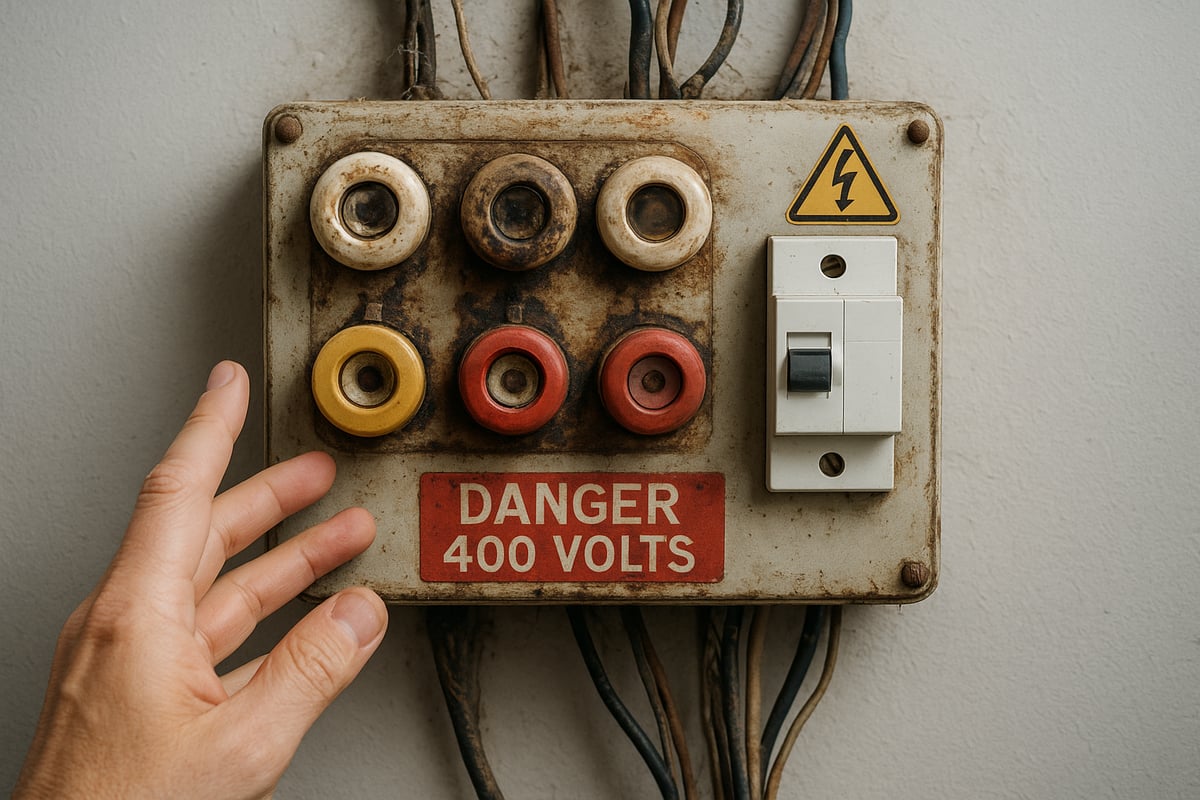
Several warning signs indicate your electric fuse box may be failing. If you notice frequent blown fuses or tripped breakers, it is a signal your system is struggling with electrical demand. Lights that flicker or dim when you use appliances hint at overloaded circuits or poor connections.
Overheating is another red flag. Melted fuses, burnt terminals, or any discoloration around the panel are serious concerns. A burning plastic smell or buzzing and crackling sounds suggest dangerous electrical faults. Loose fuses or connections also put your home at risk.
Scorched outlets and melted wires coming from the electric fuse box mean immediate danger. If you experience any of these issues, consult a professional. For more guidance on diagnosing these symptoms, visit Home Electrical Troubleshooting Toronto.
Common Problems with Old or Faulty Fuse Boxes
Older electric fuse box systems often cannot handle today’s electrical demands. Overloaded circuits become common as you add more devices and appliances. Components inside the box deteriorate over time, especially after a decade or more of use.
A major issue with outdated electric fuse box units is the absence of RCD or GFCI protection. Without these, there is a higher risk of electrical shock and fire. In some very old boxes, asbestos flash guards pose a health risk. Insufficient capacity also means you may not be able to add new appliances or an EV charger, limiting your home’s potential.
Known Hazardous Panels and Manufacturer Recalls
Certain electric fuse box panels are linked to serious fire hazards. Zinsco and Federal Pacific models have a history of documented safety issues and have been subject to recalls. These panels may fail to trip during faults, which significantly increases the risk of electrical fires.
Insurance companies often refuse coverage for homes with these brands. If your electric fuse box is from one of these manufacturers, replacement is strongly recommended. Professional electricians urge immediate action to ensure safety and compliance.
Risks of DIY Repairs or Delayed Upgrades
Attempting to repair or upgrade your electric fuse box on your own carries major risks. The danger of electric shock or starting a fire is high when work is not performed by a licensed professional. DIY fixes often violate electrical codes, which can void your home insurance or reduce resale value.
For example, bypassing a blown fuse to restore power may seem like a quick fix but increases the chance of fire. Delaying necessary upgrades to your electric fuse box exposes your home to ongoing hazards. Always rely on certified electricians for safe, code-compliant solutions.
Step-by-Step Guide: Safely Upgrading Your Electric Fuse Box
Upgrading your electric fuse box is one of the most important steps you can take to protect your home in 2026. This process requires careful planning, professional expertise, and a focus on safety and future needs. Below, you will find a clear, step-by-step approach to ensure your upgrade is smooth, code-compliant, and built to last.
Preparing for a Fuse Box Upgrade
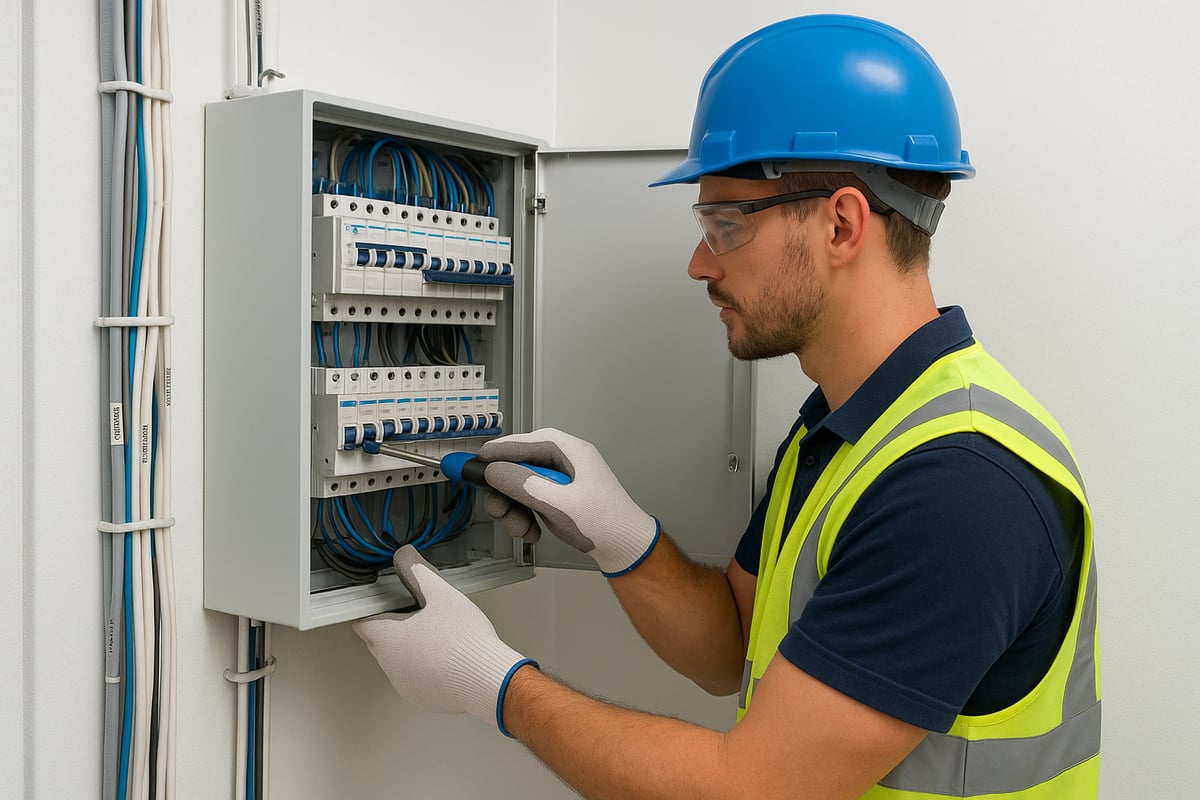
The first step in upgrading your electric fuse box is a thorough assessment of your home’s current and future electrical needs. Start by listing all major appliances, planned additions like EV chargers, and any renovations that could increase your power demand.
Consult with a licensed electrician to evaluate the existing system. They can help you determine if your main service requires an upgrade, especially if your current panel is rated below 100 amps. Obtaining the proper permits is crucial before any work begins.
Notify your utility provider if a main service upgrade is needed. This ensures a smooth transition and helps prevent unexpected outages. Planning ahead makes your electric fuse box upgrade safer and more efficient.
Choosing the Right Replacement Panel
Selecting the right panel is essential for a successful electric fuse box upgrade. For most 2026 homes, a panel rated at 100 to 200 amps is recommended to support increased electrical loads. Look for modern panels that offer integrated GFCI and AFCI breakers. These features deliver superior protection against shocks and electrical fires.
Consider panels with built-in surge protection and smart monitoring capabilities. Some advanced models provide Wi-Fi connectivity for real-time diagnostics and energy tracking. This allows you to monitor your electric fuse box status from your smartphone.
If you are unsure which panel to select, consult a professional or refer to trusted resources like the Home Electrical Panel Upgrade Toronto page for detailed guidance on features and installation.
The Professional Upgrade Process: Chronological Steps
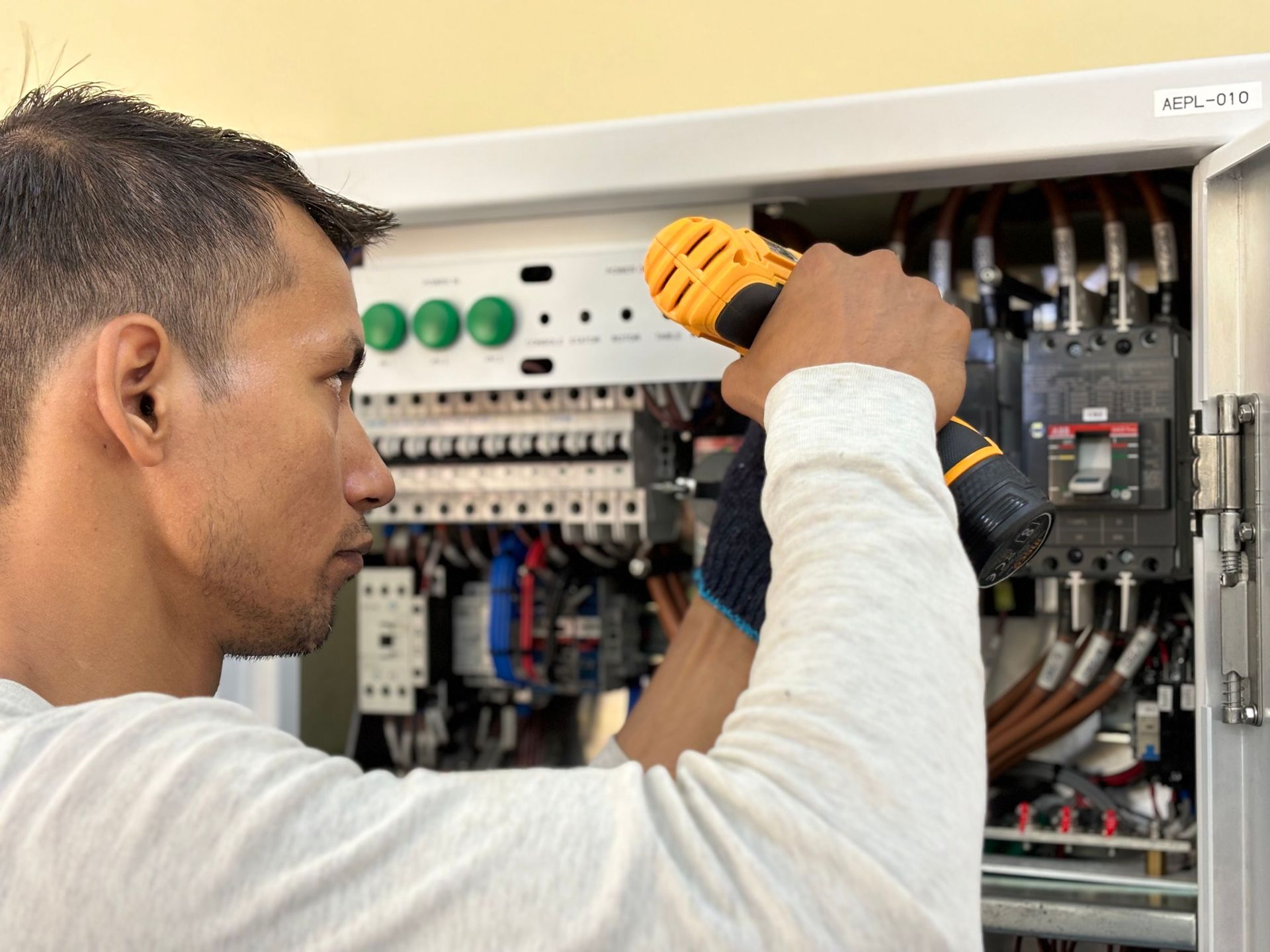
A licensed electrician should always handle an electric fuse box replacement. The process begins by disconnecting your home from the main power supply to ensure safety. Next, the old fuse box is carefully removed, and any hazardous materials such as asbestos are safely dealt with according to regulations.
The new panel is installed, including updated grounding and wiring connections. Electricians will integrate GFCI and AFCI breakers, as well as surge protection devices, into the system. A thorough inspection ensures all work meets or exceeds the latest electrical code standards.
Upon completion, the electrician will provide a certificate of compliance. This document is essential for insurance and future home resale. Most electric fuse box upgrades are finished within one to two days, minimizing disruption to your household.
Costs, Timelines, and What to Expect
Understanding the costs and schedules involved in an electric fuse box upgrade helps you plan effectively. Panel prices vary based on brand, amperage, and included features. Labor costs depend on your home's age, wiring complexity, and local rates.
Here’s a summary:
| Component | Typical Cost Range | Notes |
|---|---|---|
| Panel (100–200 amp) | $800 – $2,500 | Smart features add cost |
| Labor | $1,000 – $2,500 | Higher for complex upgrades |
| Wiring upgrades | $500 – $3,000 | Needed for older homes |
| Permits/Inspection | $100 – $500 | Required for code compliance |
Most upgrades take one to two days. Expect the power to be off for several hours during the process. Insurance companies and real estate agents often require an updated electric fuse box for coverage or home sales.
After the Upgrade: Testing and Maintenance
Once your new electric fuse box is installed, thorough testing is critical. Check all circuits, GFCIs, and RCDs to confirm they function correctly. Schedule professional inspections every three to five years to maintain peak safety and code compliance.
Keep the area around your electric fuse box clean, dry, and accessible at all times. Store documentation of the upgrade, including warranties and compliance certificates, for future reference. Proactive maintenance ensures your electric fuse box continues to protect your home for years to come.
Future-Proofing: Smart Fuse Boxes and Advanced Safety Solutions
The electric fuse box is evolving rapidly to meet the demands of modern living. Homeowners in 2026 need more than just basic protection. Smart fuse boxes now offer features that anticipate problems before they occur, providing greater safety and convenience.
Emerging Technologies in Home Electrical Panels
Smart electric fuse box systems are reshaping how homeowners interact with their electrical infrastructure. These advanced panels feature app-based monitoring, instant alerts for detected faults, and integration with home automation platforms.
For example, a smart electric fuse box can notify you via smartphone if a circuit trips or if it detects abnormal power usage. Energy tracking tools help you optimize consumption, ensuring efficiency and safety. As electrical codes evolve, such as the NEC 2026 Section 110.16 Update, modern panels are being designed to meet stricter requirements for labeling and safety.
Preparing for High-Demand Appliances and EV Chargers
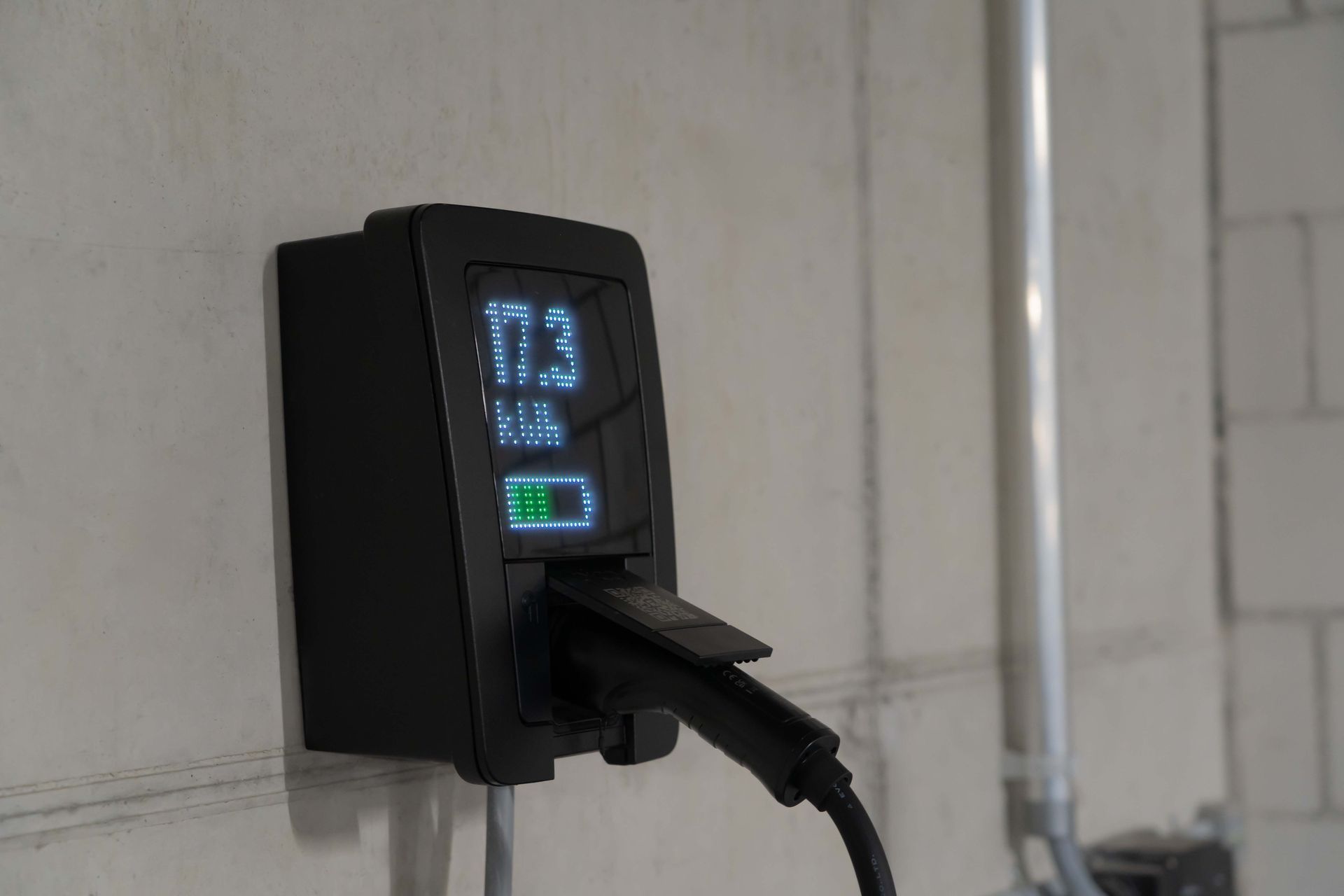
The electric fuse box in a 2026 home must handle far more than lights and kitchen appliances. High-demand devices, such as electric vehicle chargers, heat pumps, and induction ranges, require increased amperage and dedicated circuits.
Modern fuse boxes support up to 200 amps, with room for expansion as your needs grow. Planning an upgrade? Explore Residential EV Charging Station Installs to understand how an upgraded electric fuse box supports safe, reliable charging at home. Future-proofing your panel means you can add solar or battery storage with confidence.
Surge Protection and Whole-Home Safety
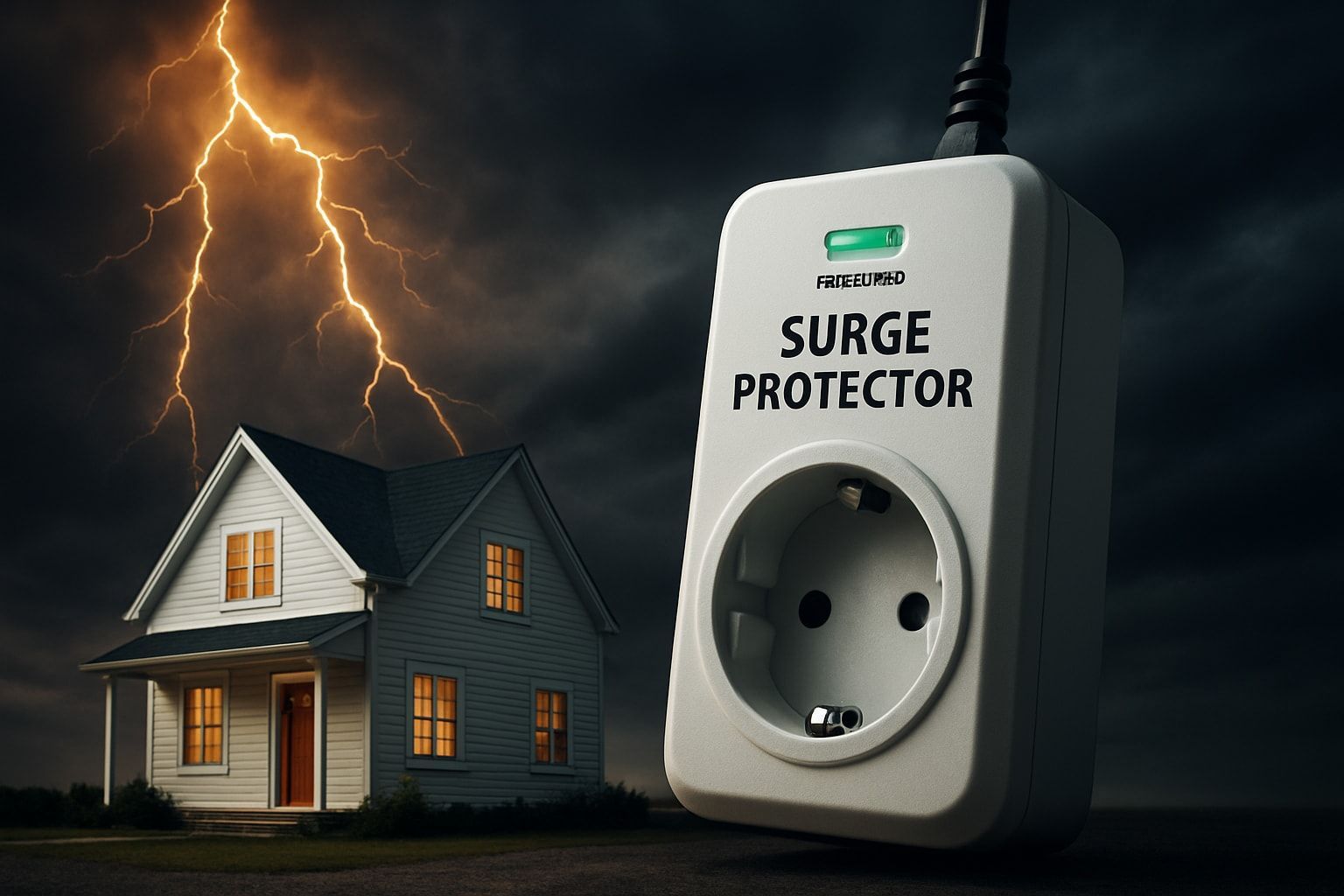
In 2026, whole-home surge protection is a must for every electric fuse box. Integrated surge protectors shield sensitive electronics from voltage spikes caused by grid fluctuations or lightning.
Modern panels often combine GFCI and AFCI breakers, offering comprehensive protection against shocks and electrical fires. With a smart electric fuse box, you receive real-time alerts for any surge event, allowing immediate action to protect your devices. This proactive approach is essential for today’s connected homes.
Energy Efficiency and Sustainability Considerations
An energy-efficient electric fuse box is now essential for sustainability-minded homeowners. Panels certified for ENERGY STAR or LEED standards support solar panels, battery storage, and demand response programs.
Smart panels monitor usage patterns, helping reduce energy waste and lower utility bills. For homes with renewable energy systems, the electric fuse box manages power flows seamlessly, ensuring both safety and optimal efficiency.
Maintenance Tips for Long-Term Safety
Keeping your electric fuse box in peak condition requires ongoing attention. Regularly test all safety features, including GFCI, AFCI, and RCD devices. Schedule professional inspections every three to five years to ensure ongoing compliance with the latest codes.
Keep the area around your electric fuse box clean and dry, and always document any repairs or upgrades. These steps help maintain long-term safety, efficiency, and peace of mind.
Professional Solutions: When and Why to Call a Licensed Electrician
Hiring a licensed electrician for your electric fuse box is crucial for ensuring safety, compliance, and peace of mind. Professional intervention protects your home, your family, and your investment. Let’s explore how expert solutions make all the difference.
Why Professional Installation Matters
A licensed electrician brings expertise and a thorough understanding of the electric fuse box and current safety standards. DIY attempts can lead to dangerous mistakes, such as improper wiring or missed code updates, which can put your home at risk.
Professionals ensure that every electric fuse box installation meets strict regulations, which is essential for passing inspections and maintaining insurance coverage. For those in Ontario, the Ontario Electrical Code Compliance Guide outlines the exact requirements that electricians follow for safe, compliant installations.
Only a certified professional can safely handle main service upgrades, such as increasing amperage for high-demand appliances. This expertise protects your property from electric shock, fire, and costly code violations.
What to Expect from a Professional Assessment
When you call an expert to evaluate your electric fuse box, expect a systematic process. The electrician will inspect the existing panel, assess the wiring, and check for signs of wear, overfusing, or ungrounded circuits.
Hazards like outdated asbestos flash guards or unprotected circuits are identified and documented. The electrician will provide clear recommendations for upgrades or repairs, tailored to your home’s needs.
After completing the assessment, you should receive a compliance certificate. This proof is vital for insurance claims and can improve your home’s resale value, as it confirms your electric fuse box meets current standards.
Cost Factors and Value of Professional Service
The cost of upgrading an electric fuse box includes the panel itself, labor, permits, and any required wiring improvements. While initial expenses can vary, the long-term value is significant. Upgraded panels reduce the risk of electrical fires, lower insurance premiums, and increase property value.
Recent Faulty Wiring Statistics show that homes with outdated wiring and panels are at much higher risk for fire, making professional upgrades a wise investment. Many mortgage lenders now require modern panels for approval, so investing in a compliant electric fuse box pays off for years to come.
How to Choose the Right Electrician
Selecting the right professional for your electric fuse box upgrade is essential. Look for a licensed and insured electrician with a reputation for quality work. Check online reviews, ask for references, and confirm their experience with modern panels and smart home systems.
It’s important to verify that your electrician is familiar with the latest code updates and advanced features. Experience with smart panels, EV chargers, and surge protection should be a deciding factor for 2026 homes.
Questions to Ask Before Hiring
Before you commit, ask the electrician a few key questions about your electric fuse box project:
- What brands and types of panels do you recommend for my home?
- Will you handle all permits and inspections?
- What warranty do you provide on parts and labor?
- Can you supply a detailed quote and project timeline?
- Do you have experience with EV charger and solar panel integration?
These questions ensure you choose a professional who can future-proof your electric fuse box and deliver a safe, reliable installation.
As you’ve seen throughout this guide, keeping your home’s fuse box up to date is essential for safety, efficiency, and peace of mind—especially with the evolving demands of 2026 homes. If you’re unsure whether your current panel meets modern standards or you’re ready to future proof your home, I encourage you to take the next step. Upgrading your electrical panel isn’t just about compliance—it’s about protecting your family and adding value to your property. Let’s make sure your electrical system is ready for whatever comes next. Explore your options for a safer, smarter home with our Electrical Panel Upgrades.