At Home Electric Guide: Powering Your Home in 2026
Imagine stepping into your home in 2026, where every device works intelligently, lights adjust themselves, and energy is never wasted. The demand for smarter, safer, and more resilient electrical systems is shaping the way we live. With at home electric solutions, you can power your home efficiently while staying ahead of new innovations like smart automation, whole-home generators, and sustainable upgrades. This guide offers expert insights and practical steps to help you make informed, future-ready decisions. Start your journey to a safer, smarter, and more reliable home electrical setup today.
The State of Home Electricity in 2026
The residential power landscape in 2026 is defined by rapid change and rising demand. Homeowners are using more energy than ever as electric vehicles, remote workspaces, and connected devices become household staples. Today’s homes must support everything from high-speed charging stations to advanced entertainment systems.
This shift requires a modern approach to electrical infrastructure. More families are choosing smart automation, integrating lighting, security, and climate control into unified platforms. In fact, industry projections show that over 70% of new homes now include smart automation features. For those interested in the latest adoption data, see the smart home adoption statistics for 2026. This trend is shaping how at home electric systems are designed and maintained.
Energy efficiency and sustainability are top priorities for both new builds and renovations. LED lighting, Energy Star appliances, and solar panel integration are becoming standard. At home electric upgrades increasingly focus on reducing consumption and carbon footprints, while maximizing convenience and reliability.
Safety and code compliance are more important than ever. Modern electrical systems must meet rigorous standards to protect families and property. Up-to-date wiring, circuit protection, and smart monitoring help prevent hazards. At home electric specialists ensure that every installation aligns with the latest codes, giving homeowners peace of mind.
The expansion of at home electric service providers reflects growing demand for expertise and quality. Companies like At Home Electric are scaling up to deliver fast, transparent, and future-ready solutions. This professional approach is vital as homes become more complex and dependent on continuous power.
Yet, challenges remain. Many homes are built on aging infrastructure that struggles to keep up with today’s requirements. Increased outages and the need for significant upgrades are common. Here is a quick summary:
| Trend/Challenge | 2026 Status/Impact |
|---|---|
| EV and smart device adoption | Major driver of higher power demand |
| Smart automation in new homes | 70%+ feature integrated systems |
| Energy efficiency focus | Standard: LED, Energy Star, solar |
| Infrastructure age | Frequent need for panel and wiring upgrades |
| Outages and resilience | Greater need for backup solutions |
Consumers expect more from at home electric providers. They want fast response times, clear communication, and solutions that are both reliable and adaptable. Homeowners increasingly prioritize future-proof systems, transparency in service, and guidance on sustainable choices.
The state of home electricity in 2026 is dynamic and evolving. With smart planning and professional support, every household can achieve a safer, smarter, and more resilient electrical setup.
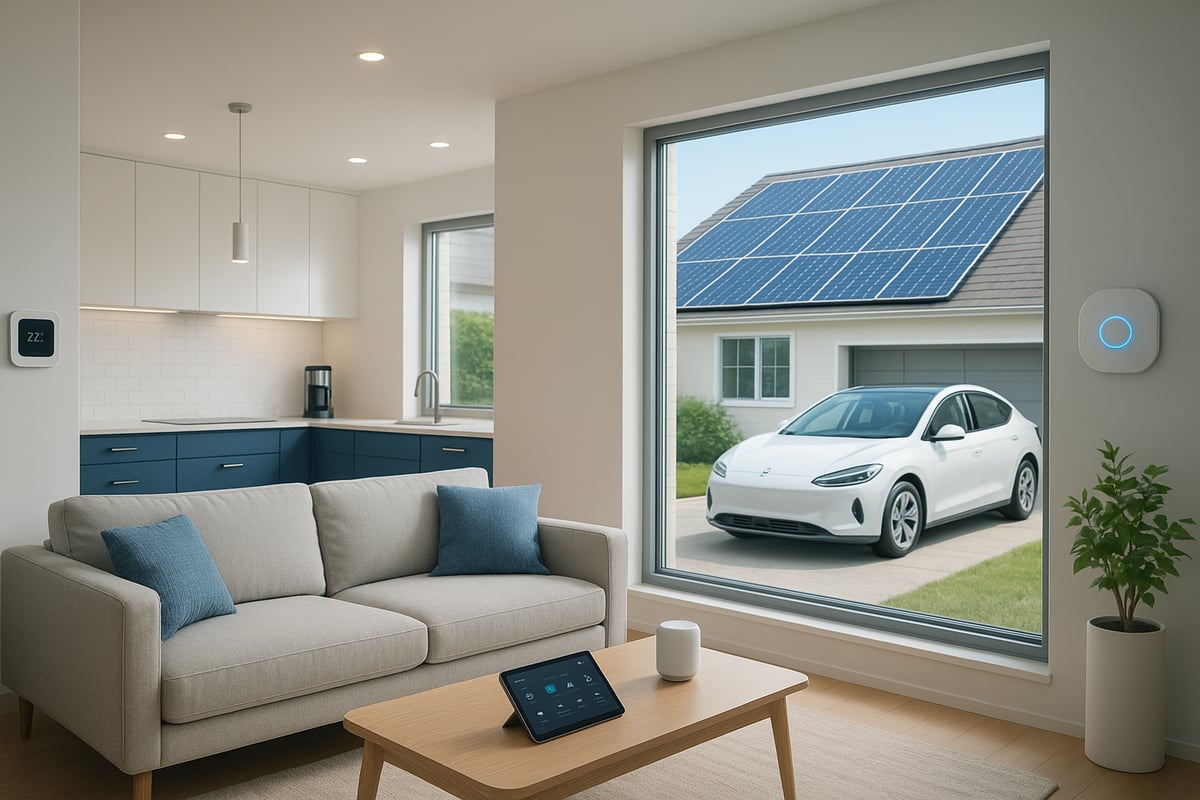
Planning Your Home’s Electrical Needs
Creating a future-ready electrical system is essential for every homeowner focused on safety, flexibility, and efficiency. As 2026 approaches, the right planning ensures your home is powered to handle new technologies and changing lifestyles. With at home electric solutions, homeowners can confidently navigate upgrades and investments that stand the test of time.

Assessing Current and Future Power Demands
Understanding your household’s energy needs is the first step in planning. Begin by reviewing the total consumption from major sources: electric vehicles, HVAC systems, appliances, and electronics. Many families are adding home offices and smart devices, which can push usage even higher.
For example, adding an EV charger often means your electrical panel needs an upgrade. According to projections, average U.S. home power usage is set to increase by 15 percent by 2026. At home electric experts recommend evaluating your lifestyle changes, such as remote work or additional smart gadgets, to anticipate future demands.
To avoid overloaded circuits, prioritize load balancing. Identify which appliances or systems are critical, and which are non-critical, especially if you’re considering backup power solutions. Consulting a licensed electrician is vital for an accurate assessment. With at home electric planning, you ensure your system is robust and adaptable.
For a comprehensive overview of services that can help you assess and meet these needs, explore the Residential electrical services overview.
Designing for Flexibility and Growth
A forward-thinking electrical design prepares your home for growth. Plan circuits with future expansion in mind, whether you’re considering solar panels, an extra EV charger, or an additional room. Modular panel systems are increasingly popular, offering easy upgrades as technology changes.
New construction projects often include wiring with extra capacity, ensuring compatibility with tomorrow’s smart innovations. At home electric specialists recommend integrating surge protection and whole-home monitoring to protect sensitive electronics and enhance safety.
Compliance with 2026 building codes is another key factor. As standards evolve, at home electric solutions must be flexible. This means choosing equipment and layouts that allow for seamless updates, reducing costs and complexity in the long run.
Allowing for easy upgrades is a practical strategy. By working with professionals who prioritize future-proofing, you’ll keep your home competitive and efficient as new technologies emerge.
Budgeting and Project Management
Effective budgeting ensures you get the most out of your at home electric investments. Start by estimating costs for essential upgrades, rewiring, or new installations. Separate must-have projects from optional enhancements to allocate resources wisely.
Scheduling work to minimize household disruption is important. Many homeowners prefer phased installations, tackling urgent needs first. Vet all contractors carefully. Check licensing, insurance, and reputation. Transparent providers like at home electric offer customer walkthroughs and detailed estimates to build trust.
Consider available financing options or government incentives for energy-efficient upgrades. These can significantly offset upfront costs. Use the table below to summarize budgeting steps:
| Step | Action Item |
|---|---|
| Estimate Costs | Get multiple quotes |
| Prioritize Projects | Identify essentials vs. upgrades |
| Schedule | Plan phases to reduce disruption |
| Vet Contractors | Check credentials and reviews |
| Explore Incentives | Research rebates or financing |
Clear project management keeps your at home electric improvements on track. With careful planning, you’ll achieve an efficient, reliable system ready for the demands of 2026 and beyond.
Essential Electrical Upgrades and Innovations
Modernizing your home’s electrical system is critical to keeping pace with technology, safety standards, and increasing energy needs. As more homeowners embrace innovations, understanding which upgrades matter most ensures your home is ready for 2026 and beyond. With at home electric services, you can confidently plan, install, and maintain these essential improvements.
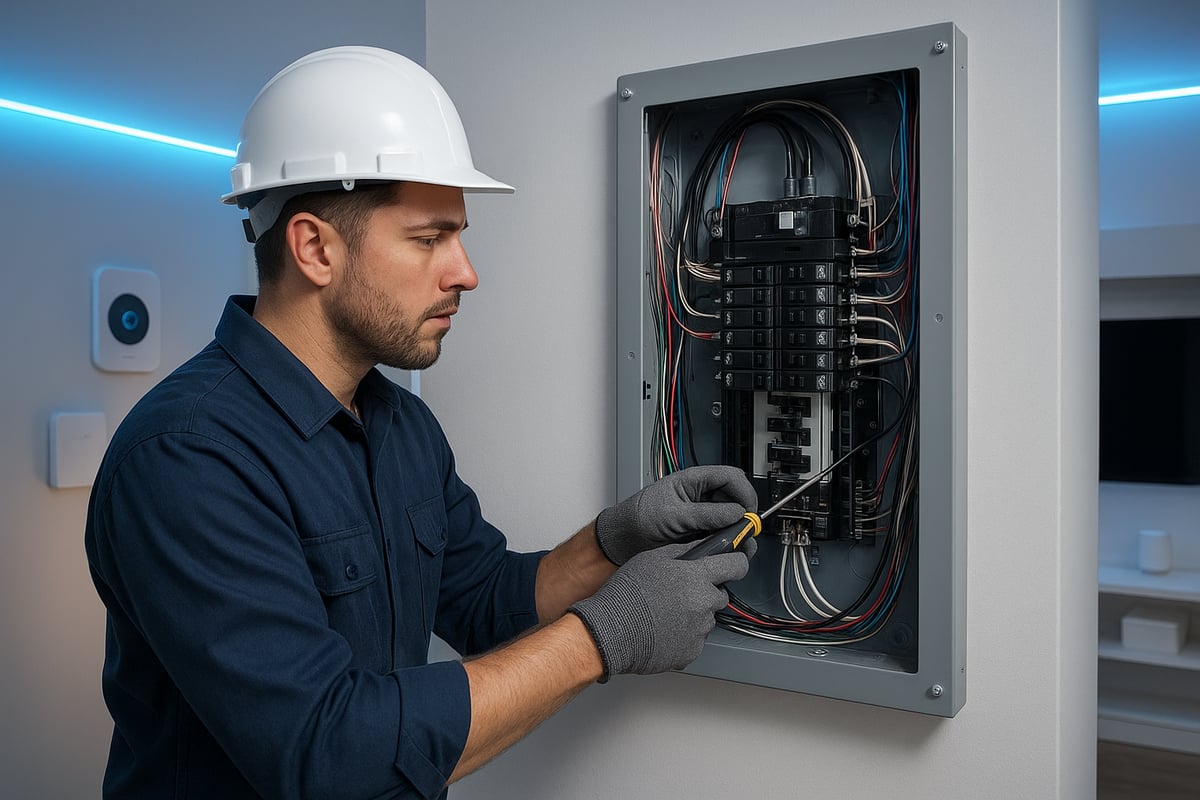
Service Panel Upgrades and Circuit Expansion
Older electrical panels often struggle with today’s power demands. If your home experiences frequent tripped breakers, flickering lights, or you’re adding new appliances, it’s a sign your panel might be insufficient. The National Association of Home Builders reports that 40% of homes built before 1990 will require panel upgrades by 2026.
Upgrading your service panel isn’t just about adding circuits. It’s about ensuring safety, reliability, and compliance with current codes. For example, at home electric experts often recommend modular panel systems that make future expansions simple and cost-effective.
| Panel Feature | Old Panels | Modern Upgrades |
|---|---|---|
| Circuit Capacity | Limited | Expanded, modular |
| Safety Devices | Few/none | AFCI, GFCI, Surge |
| Smart Monitoring | Not present | Integrated options |
Partnering with home electrical panel upgrades specialists ensures the job is done right. With at home electric teams, you benefit from transparent assessments, code-compliant work, and peace of mind for years to come.
Generator Installation and Backup Power Solutions
Power outages are increasingly common with severe weather and grid strain. At home electric professionals are seeing a surge in generator installations, especially in areas prone to storms. There are three main types of backup solutions: whole-home generators, portable models, and battery backups.
Key considerations when choosing a generator include:
- Proper sizing for your home’s needs
- Fuel source (natural gas, propane, diesel)
- Automatic transfer switches for seamless operation
- Regular maintenance schedules
For example, at home electric recommends automatic whole-home generators for families needing uninterrupted power. During installation, professionals assess your critical loads, ensuring essentials like HVAC and refrigeration stay powered. Safety tips from at home electric include keeping generators well-ventilated and testing systems monthly to guarantee reliability.
Smart Home Automation and Energy Management
Integrating smart technology transforms how you control and monitor your home’s power. At home electric offers solutions that bring lighting, HVAC, security, and entertainment systems together for seamless convenience and energy savings.
Smart thermostats can reduce energy bills by up to 10%, while whole-home monitoring platforms alert you to issues before they become costly problems. At home electric installs systems compatible with Alexa, Google Home, and proprietary platforms, ensuring flexibility for future upgrades.
Benefits of smart automation with at home electric:
- Remote control of devices for efficiency
- Customizable scheduling to match your lifestyle
- Real-time energy usage data for informed decisions
With these innovations, at home electric helps homeowners create safer, smarter, and more resilient living environments ready for the demands of 2026.
Lighting, Security, and Outdoor Power Solutions
As homeowners look to the future, outdoor electrical systems are becoming essential for safety, comfort, and lifestyle upgrades. From advanced landscape lighting to weatherproof entertainment setups, staying ahead with at home electric solutions ensures your home's exterior is as smart and resilient as the inside.
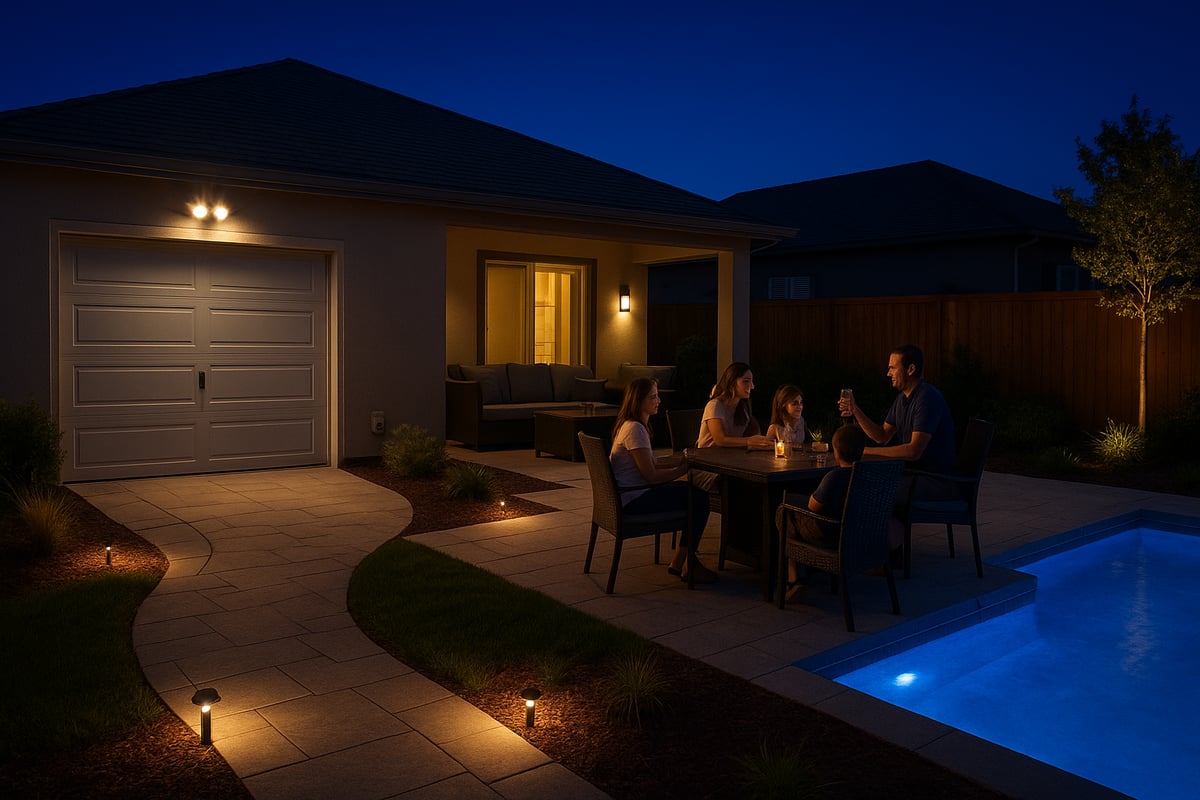
Landscape and Security Lighting
Enhancing your home's curb appeal and security begins with well-designed landscape and security lighting. Modern at home electric systems use a variety of fixtures, including AMP lighting, motion-activated floodlights, and pathway illumination that blends seamlessly with outdoor aesthetics.
LED and solar-powered options have become the norm, offering unmatched energy efficiency and minimal maintenance. With Energy Star-rated LEDs, homeowners see significant long-term savings. In fact, integrating security lighting can reduce burglary risk by up to 30 percent, according to FBI data, making it a smart investment for peace of mind.
Customizable zoning and timers allow you to tailor lighting schedules for different areas. For example:
 # Example timer setting for path lights
zone_1 = 'Pathway'
on_time = 'sunset'
off_time = 'midnight'
print(f"{zone_1} lights ON at {on_time}, OFF at {off_time}")
Professional at home electric installations ensure each light is placed for maximum coverage and safety. Whether accenting garden features or illuminating entryways, expert design transforms outdoor spaces while supporting security.
Outdoor Entertainment and Power Access
The rise of outdoor living spaces has increased the demand for reliable power and connectivity outside the home. At home electric professionals can install weatherproof outlets and dedicated circuits for patios, pools, and gardens, creating safe access for appliances and entertainment systems.
Integrating outdoor speakers, AV equipment, and smart Wi-Fi controls brings seamless convenience to backyard gatherings. Each installation focuses on durability, ensuring outlets and fixtures withstand rain, UV, and temperature shifts.
Safety remains paramount. Essential protections include:
- GFCI outlets in all wet areas
- Proper grounding for every circuit
- Tamper-resistant covers for outlets
At home electric services often showcase backyard entertainment system installs, offering tailored solutions for every layout and budget. With thoughtful planning, your outdoor space becomes an extension of your smart home.
Seasonal and Emergency Considerations
Outdoor electrical systems must handle seasonal changes and unexpected events. Surge protection is critical, especially during storms when power fluctuations threaten sensitive equipment. At home electric experts recommend regular inspections and maintenance before severe weather seasons.
Backup power solutions, such as portable generators or battery packs, keep essential outdoor systems running during outages. For those considering a permanent solution, this home generator installation guide offers practical insights on choosing and maintaining the right generator for your needs.
Temporary power setups, such as extension cords for events or construction, should always use outdoor-rated cables and follow safety protocols. Routine cleaning and inspection of outdoor outlets, lighting, and connections extend the life of your investment and ensure year-round reliability.
With the right at home electric upgrades and regular care, your outdoor systems will provide safety, enjoyment, and peace of mind through every season.
Safety, Compliance, and Professional Service
Creating a future-ready electrical system means prioritizing safety, compliance, and professional service at every stage. Homeowners are demanding more from their electrical systems in 2026, and at home electric is dedicated to delivering reliable solutions that protect families, property, and investments.
Electrical Safety Best Practices
Electrical safety starts with code-compliant installations and regular inspections. At home electric understands that outdated wiring, overloaded circuits, and DIY fixes are among the most common hazards facing homeowners. According to the NFPA, electrical faults are responsible for over 25,000 house fires each year, making safety upgrades an essential investment.
Modern homes should be equipped with the latest safety devices. These include:
- Arc Fault Circuit Interrupters (AFCIs)
- Ground Fault Circuit Interrupters (GFCIs)
- Whole-home surge protectors
As electricity demand rises, so does the importance of staying ahead of risk. The EIA forecasts U.S. electricity consumption growth in 2025 and 2026, which means systems must be upgraded to handle higher loads without compromising safety. At home electric prioritizes a safety-first approach, recommending regular checkups and professional installations to maintain code compliance and peace of mind.
Choosing the Right Electrical Contractor
Selecting a qualified electrician is critical for any project. At home electric sets the standard with fully licensed, insured, and certified professionals who stay updated on the latest codes and technologies. Homeowners should ask these key questions when vetting contractors:
- Are you licensed and insured?
- What certifications do you hold?
- Can you provide references or testimonials?
- Do you offer clear estimates and written warranties?
At home electric is known for transparent communication, detailed walkthroughs, and a commitment to customer satisfaction. Reviews consistently highlight their professionalism and timely service. Warranty support and post-installation follow-ups ensure long-term value, so clients never feel left in the dark.
Community and Sustainability Initiatives
At home electric believes in supporting the community and promoting sustainable practices. Local electricians play a vital role in storm response, public safety education, and energy audits. For example, at home electric regularly participates in neighborhood events, sharing knowledge on green upgrades and safe recycling of old equipment.
By championing sustainability and resilience, at home electric helps homeowners build safer, smarter, and more efficient homes for the future.
Future Trends in Home Power and Technology
The future of home electricity is rapidly evolving, with at home electric leading the charge in innovation and reliability. As 2026 approaches, homeowners are embracing advanced technologies to power their homes more sustainably, efficiently, and intelligently. Understanding these trends is essential for anyone looking to create a resilient, future-ready electrical system.
Renewable Energy Integration
By 2026, renewable energy is a cornerstone of at home electric strategies. Solar panels, battery storage, and smart grid tie-ins are increasingly common features in new builds and retrofits. Homeowners are motivated by both environmental responsibility and the desire for lower utility bills.
Industry data shows that 25% of new homes in 2026 are expected to include solar panels. Many builders now offer solar-ready wiring as a standard feature, making it easier to add panels later. Battery storage systems, such as Tesla Powerwall and LG Chem, allow families to store excess solar power for nighttime use or emergencies, enhancing energy independence.
Net metering programs and local incentives continue to drive adoption. These programs enable homeowners to sell surplus energy back to the grid, offsetting costs and increasing return on investment. As electricity demand grows, with projections showing a 25% increase by 2030 ( U.S. electricity demand projected to grow 25% by 2030), integrating renewables is critical for both sustainability and grid stability.
| Trend | 2026 Adoption Rate | Benefit |
|---|---|---|
| Solar Panels | 25% (new homes) | Lower bills, energy independence |
| Battery Storage | Rapidly growing | Backup, self-consumption |
| Solar-Ready Wiring | Standard in many | Easy future upgrades |
At home electric professionals are key partners in designing, installing, and maintaining these systems, ensuring code compliance and long-term performance.
Electrification of Transportation and Appliances
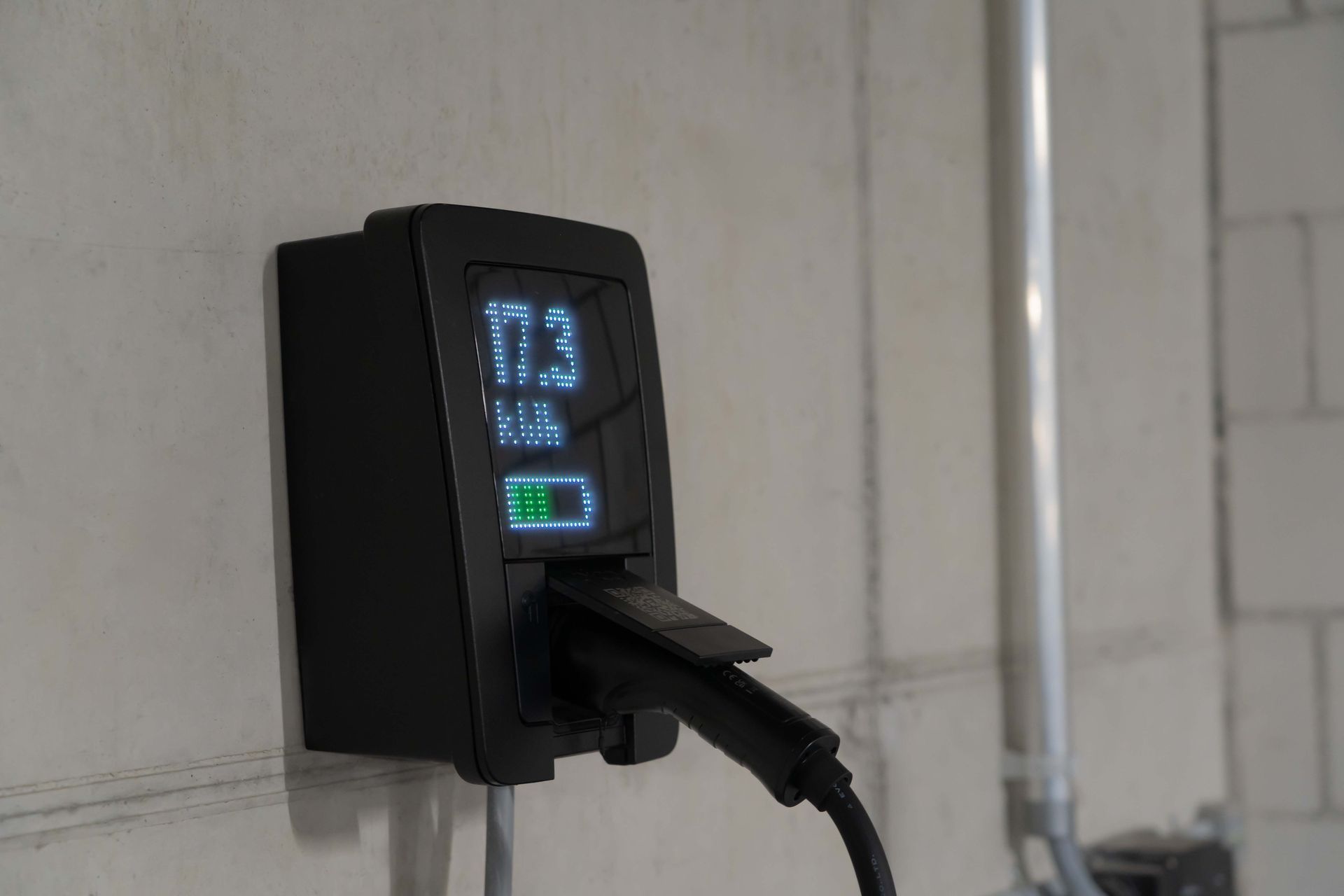
The electrification movement is transforming how at home electric solutions are implemented. With more electric vehicles (EVs) on the road, residential EV charger installations are becoming standard. Homeowners often need upgraded panels and dedicated circuits to accommodate the increased load, particularly in houses with multiple EVs or plans for future expansion.
Modern homes are also shifting toward all-electric appliances, including induction cooktops, heat pumps, and smart water heaters. This transition reduces reliance on fossil fuels and simplifies maintenance. Battery walls and microgrid-ready setups offer additional resilience, allowing homes to operate independently during outages.
Planning for these upgrades is critical. For a detailed overview of installation and benefits, homeowners can consult resources like EV charger installation for homes. Dual EV charger setups are now common, especially in households with two or more electric vehicles. The demand for at home electric expertise is growing as families seek seamless integration of these technologies.
Preparing for future appliances and transportation needs ensures homes remain adaptable as technology advances. Professional electricians help assess current capacity, recommend upgrades, and guide homeowners through incentive programs.
Predictive Maintenance and Smart Monitoring
As technology advances, at home electric systems are becoming smarter and more proactive. Home energy monitoring solutions, such as Sense and Emporia, provide real-time insights into power consumption, alerting users to unusual patterns or potential issues.
Predictive analytics are now being used to anticipate equipment failures before they occur. Smart panels can notify homeowners instantly of circuit overloads, tripped breakers, or maintenance needs. This approach transforms electrical maintenance from a reactive to a proactive process, reducing downtime and repair costs.
Key benefits of predictive maintenance and smart monitoring include:
- Early detection of faults, preventing unexpected outages.
- Optimized energy usage, leading to lower bills.
- Enhanced safety and peace of mind for families.
- Data-driven insights for future at home electric upgrades.
The integration of these tools positions at home electric as a leader in delivering safer, smarter, and more reliable home power solutions. Homeowners who embrace these trends will enjoy greater efficiency, safety, and resilience as the future of electricity unfolds.
As you look ahead to powering your home in 2026, it’s clear that thoughtful planning, smart upgrades, and expert guidance are essential for a safe, efficient, and future-ready electrical setup. Whether you’re considering energy-efficient lighting, EV chargers, or backup solutions, having a trusted professional makes all the difference. If you’re ready to take the next step toward a seamless, code-compliant electrical system that meets your current and future needs, I encourage you to Get a Free Electrical Quote
from Bradcon Electrical Services. Let’s work together to ensure your home is prepared for tomorrow—today.