SEU Cable Versus SER: Key Differences Explained 2026
Choosing the right cable for service entrance wiring can be confusing, especially with similar names like seu cable and SER cable. Many homeowners and professionals struggle to distinguish between them, risking costly mistakes or code violations.
This article removes the guesswork with a clear, updated comparison of SEU and SER cables for 2026. You will learn about their construction, top use cases, code compliance, pros and cons, cost differences, and tips for selecting the right cable.
Read on to ensure your next installation is safe, code-compliant, and future-ready.
Understanding SEU and SER Cables: Definitions and Core Purposes
Choosing the right service entrance cable is essential for safe and compliant electrical installations. Many homeowners and professionals encounter confusion when deciding between SEU cable and SER cable. Understanding the fundamental differences sets the stage for correct application, code compliance, and long-term reliability.
What is SEU Cable?
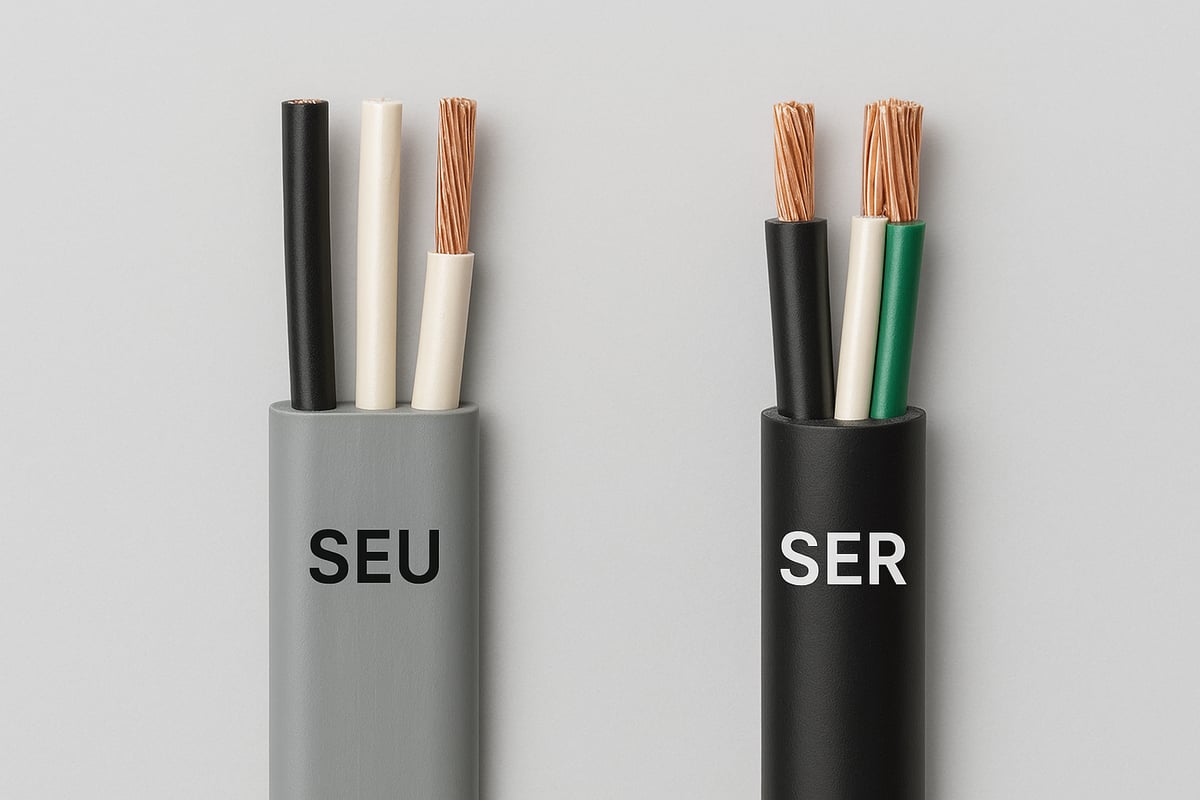
SEU cable stands for Service Entrance Unarmored. This cable features a flat construction with two insulated phase conductors and a bare neutral wire. The design of SEU cable allows for compact routing, making it ideal for meter-to-main panel runs in residential settings.
A common example is the 2-2-4 aluminum SEU cable, typically used for 100 amp service entrances. SEU cable is manufactured to meet CSA and UL standards, ensuring compatibility with both the Canadian Electrical Code (CEC) and the National Electrical Code (NEC). Its simplicity, combined with reliable performance, makes SEU cable a standard choice for straightforward service entrance wiring.
What is SER Cable?
SER cable, or Service Entrance Round, is a round cable designed with multiple insulated conductors and a bare or sometimes insulated neutral. Unlike SEU cable, SER cable includes a dedicated ground conductor, which enhances safety and flexibility.
Most often, SER cable is used for subpanel feeds, main panel connections, or circuits requiring larger capacity, such as large appliances. A typical example is 2-2-2-4 aluminum SER cable, suitable for a 100 amp subpanel. Like SEU cable, SER cable complies with CSA and UL standards and follows CEC and NEC guidelines for residential and commercial installations.
Core Purposes and Distinctions
SEU cable is primarily intended for main service entrance applications. Its use is generally restricted to specific scenarios, such as connecting the meter to the main panel. In contrast, SER cable is more versatile, supporting both service entrance and feeder circuits for subpanels or heavy loads.
Depending on the electrical code, the allowable installations for each cable type differ. For a detailed breakdown of configurations and compliance, see this SEU vs. SER Cable Differences guide. The decision between SEU cable and SER cable impacts not only safety and code compliance, but also the ease of future electrical upgrades.
Common Misconceptions
Many people mistake SEU cable for SER cable because of their similar names and outward appearance. This confusion can lead to incorrect usage, resulting in code violations or potential safety hazards.
- SEU cable is often installed where a separate ground is required, which is not permitted.
- SER cable might be used for main service entrance where regulations require only SEU cable.
- Industry data suggests up to 30 percent of residential service entrance issues stem from cable misidentification.
Proper education and careful inspection help avoid these costly mistakes when choosing between SEU cable and SER cable.
Construction and Design Differences
Understanding the construction and design differences between seu cable and SER cable is essential for making the right selection in service entrance wiring. These differences impact how each cable performs, where it can be installed, and its long-term reliability. Let’s break down the most important details.
Conductor Configuration
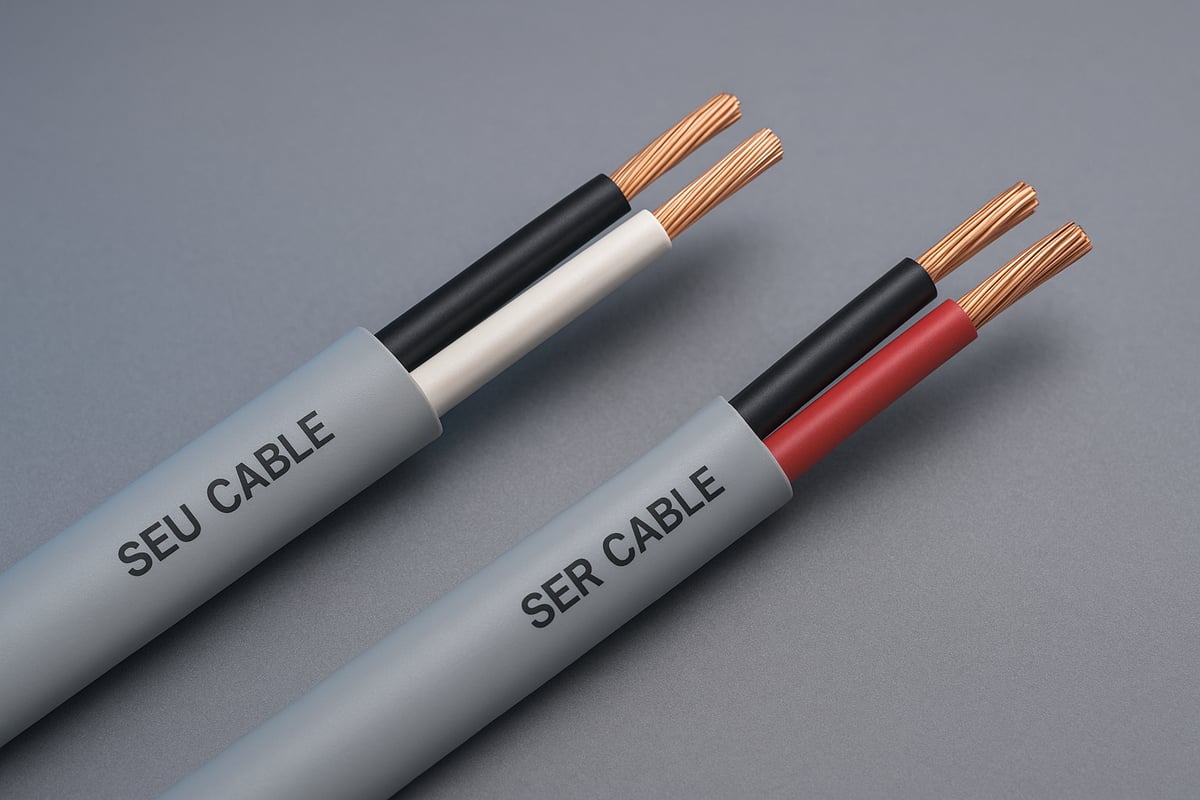
The core of any cable is its conductor arrangement. A seu cable typically features two insulated phase conductors and a single bare neutral. This setup is designed for straightforward service entrance applications where a separate ground is not required.
On the other hand, SER cable includes three or four insulated conductors, which usually means two or three phases plus a dedicated ground and neutral. This design allows SER cable to handle more complex wiring needs, such as subpanel feeds or large appliance circuits.
Here’s a quick comparison:
| Feature | SEU Cable | SER Cable |
|---|---|---|
| Conductors | 2 insulated, 1 bare neutral | 3-4 insulated, ground & neutral |
| Ground Wire | No dedicated ground | Dedicated ground included |
| Typical Use | Service entrance only | Feeders, subpanels, appliances |
By choosing the right configuration, you ensure the cable matches the project’s electrical load and code requirements. The seu cable is often favored for its simplicity in standard residential setups.
Insulation and Jacket Materials
Both seu cable and SER cable use high-quality insulation to protect the conductors. Most commonly, cross-linked polyethylene (XLP) or thermoplastic insulation is used, offering excellent resistance to heat and electrical stress.
The outer jacket material also matters. Seu cable features a flat, compact PVC jacket, making it easy to route along flat surfaces. SER cable, by contrast, uses a round PVC jacket that is more robust and suited for exposed runs. Both jackets provide resistance to moisture, sunlight, and abrasion, but the round jacket on SER cable offers enhanced durability for demanding environments.
For more details on approved material types, you can review the SEU Cable Specifications which outline insulation, jacket options, and compliance standards.
Physical Shape and Flexibility
The physical shape of the cable affects installation. Seu cable has a flat profile, making it easier to run along walls or fit into narrow channels. This is ideal for meter-to-panel installations where space is tight.
SER cable’s round construction provides uniform strength and flexibility, which is especially useful for pulling through conduit or making long, continuous runs. The round shape also helps prevent the cable from kinking or twisting, reducing installation challenges.
When planning an upgrade or new installation, consider how the shape of seu cable or SER cable will impact routing and ease of handling.
Color Coding and Markings
Correct identification is vital for safety and compliance. Both seu cable and SER cable follow standard color codes: black and red for hot wires, white for neutral, and bare or green for ground (if present). These colors help electricians quickly identify each conductor’s function.
Markings on the cable’s outer jacket are required by both the Canadian Electrical Code (CEC) and National Electrical Code (NEC). These markings show the cable type, size, voltage rating, and certification marks. Proper labeling ensures that inspectors and electricians can verify code compliance and troubleshoot efficiently.
Using seu cable with clear markings reduces confusion and helps avoid costly mistakes during installation and inspection.
Durability and Environmental Ratings
Durability is a key factor when selecting between seu cable and SER cable. Seu cable is generally rated for indoor use and can be installed in dry or protected outdoor locations. Its flat jacket resists moderate abrasion but is less suited for harsh conditions.
SER cable, with its thicker, round PVC jacket, is rated for both indoor and certain above-ground outdoor applications. It offers superior UV resistance and can withstand wider temperature ranges. This makes SER cable a better choice for environments where exposure to sunlight or fluctuating temperatures is a concern.
Both cable types have a long service life when installed according to code, but matching the cable’s environmental rating to your project ensures reliability and safety over time.
Code Compliance and Safety Considerations
Understanding code compliance and safety is crucial when selecting between SEU cable and SER cable. Both cables serve important roles in residential and commercial wiring, but their differences directly affect electrical safety, inspection outcomes, and adherence to the latest standards. Staying updated with 2026 code changes can help avoid costly mistakes and ensure safe installations.
Canadian Electrical Code (CEC) and National Electrical Code (NEC) Requirements
Both the Canadian Electrical Code (CEC) and National Electrical Code (NEC) outline specific requirements for SEU cable and SER cable installations. These codes specify where each cable type is permitted, how they must be installed, and any exceptions. For example, CEC Rule 12-618 and NEC Article 338 address service entrance conductors, including updates for 2026.
It is essential to confirm that the chosen seu cable meets the latest requirements. The Ontario Electrical Code compliance guide offers practical insights into current regulations for SEU and SER cable use. Always consult the local authority having jurisdiction for any code amendments.
Permitted Installations
SEU cable is typically approved for service entrance wiring from the meter to the main panel in homes. It is not suitable for subpanel feeders or branch circuits. SER cable, however, is more versatile and is permitted for feeders to subpanels, large appliances, and some main service entrances.
Installing seu cable outside its intended use, such as feeding a subpanel, may result in code violations. Inspectors look for proper cable selection during both rough-in and final inspections. Using the correct cable helps prevent costly rework and ensures a safe electrical system.
Table: Permitted Uses
| Cable Type | Service Entrance | Subpanel Feeders | Large Appliances |
|---|---|---|---|
| SEU | Yes | No | No |
| SER | Yes (some cases) | Yes | Yes |
Grounding and Bonding Differences
Grounding and bonding practices vary between seu cable and SER cable. SEU cable often features a bare neutral conductor, which may serve as both neutral and ground in specific main service entrance scenarios. This configuration is only allowed where permitted by code.
In contrast, SER cable includes a dedicated ground conductor, providing an extra layer of safety. The presence of a separate ground with SER cable reduces the risk of electrical faults and helps meet grounding requirements. Proper bonding and grounding are critical for passing inspections and ensuring occupant safety.
Fire and Shock Safety Ratings
Fire and shock safety are major concerns with any service entrance cable. Both SEU cable and SER cable must meet flame resistance standards like FT4 or VW-1. High-quality insulation and jacketing materials help prevent failures under overload or fault conditions.
Industry data shows that service entrance cable failures are responsible for approximately 10 percent of residential electrical fires. Choosing the correct seu cable, installed per code, reduces these risks. Always check the cable’s labeling for compliance with UL or CSA standards and ensure it is suitable for the intended environment.
Inspection and Approval Challenges
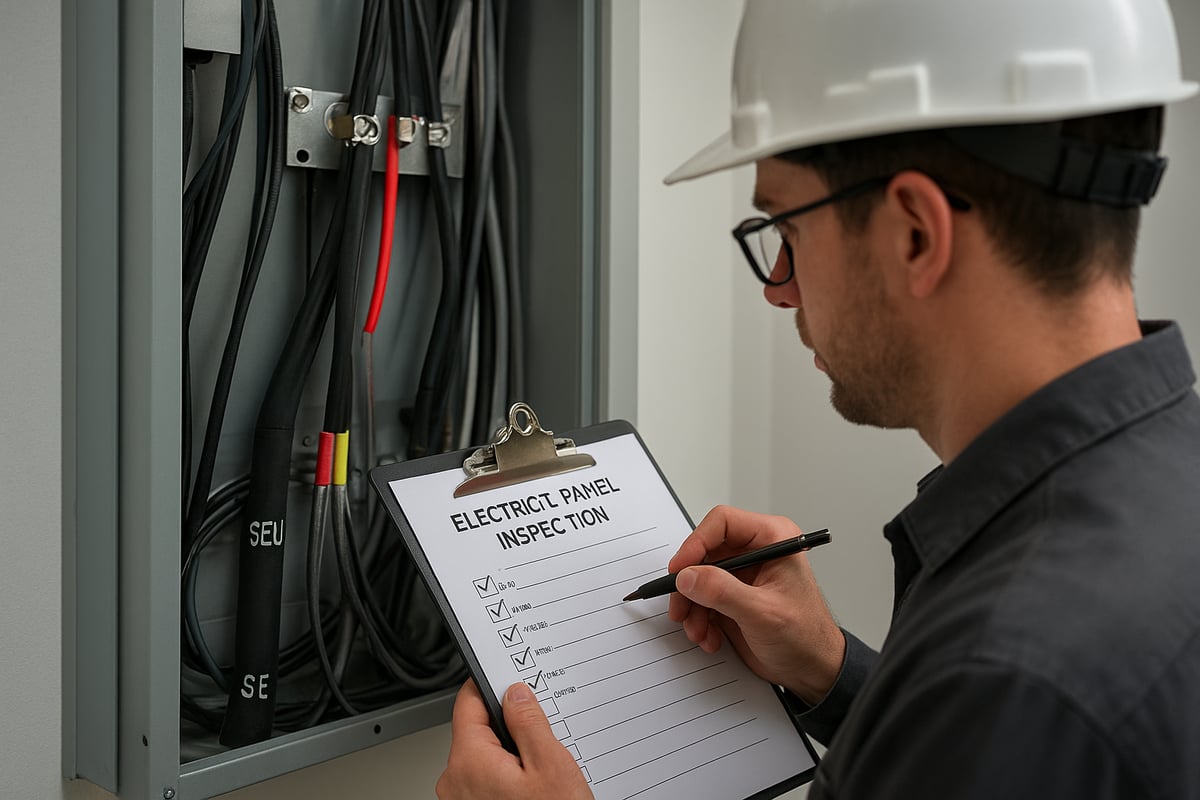
Inspection failures frequently result from improper use or misidentification of seu cable and SER cable. Common issues include using SEU cable for subpanel feeders, missing labels, or improper terminations. Inspectors focus on correct routing, securing, and compatibility with equipment.
To pass electrical inspections in 2026, use only certified, code-compliant cables and follow all installation guidelines. Proper documentation and visible labeling help streamline the approval process. For complex projects, consult a licensed electrician or code expert to avoid setbacks and ensure a safe installation.
Applications and Use Cases: SEU vs. SER
Choosing between SEU cable and SER cable is often dictated by the specific demands of the installation. Let us explore where each cable type excels, how they fit different building types, and what factors influence their selection.
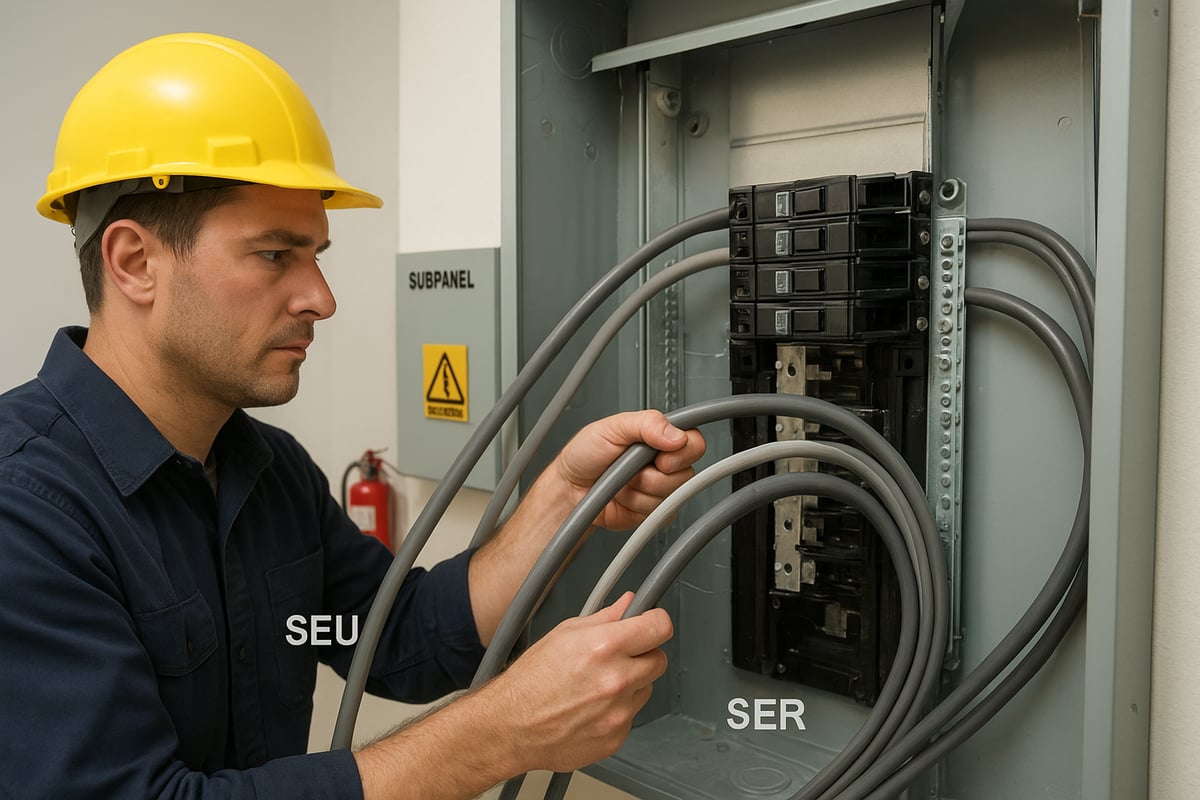
Residential Applications
SEU cable is widely used in residential settings, particularly for running power from the electric meter to the main service panel in single-family homes. Its flat profile makes it easy to route along basement walls or through tight spaces, ideal for straightforward service entrances.
SER cable, on the other hand, is commonly chosen when a home requires additional subpanels, such as in a finished basement or a new addition. For instance, when upgrading a home's electrical system to accommodate more circuits or higher loads, SER cable is often specified for its versatility and safety features. During renovations, understanding the electrical considerations for home renovations can help ensure the right cable is selected for both immediate needs and future upgrades.
Commercial and Industrial Installations
In commercial and light industrial environments, SER cable is the typical choice for feeding distribution panels, HVAC units, or heavy equipment. Its multiple insulated conductors and dedicated ground wire meet the robust safety and code requirements for these settings.
SEU cable is rarely seen in commercial projects due to its limited conductor configuration. For example, in a small retail space upgrade, contractors may use SER cable to supply a new subpanel or power large appliances, ensuring compliance and capacity for future expansion.
Indoor vs. Outdoor Usage
Indoor installations benefit from the flexibility and compact size of SEU cable, but its use outdoors is limited. It is not rated for direct burial and must be protected from prolonged exposure to the elements. In contrast, SER cable is suitable for above-ground outdoor installations, such as running along exterior walls or between structures, provided it is not buried directly.
Industry data suggests that in new construction, up to 80 percent of service entrance cables installed are SER cable, thanks to its adaptability for both indoor and outdoor above-ground applications.
Flexibility for Future Expansion
Planning for future electrical needs is easier with SER cable. Its extra conductors support subpanel additions or increased loads without requiring a full cable replacement. Homeowners and contractors who anticipate adding more circuits or appliances often prefer SER cable for its flexibility.
SEU cable, while cost-effective for simple service entrances, may limit future upgrades. If electrical demands increase, the existing SEU cable might need to be replaced with a higher-capacity SER cable to meet code and safety standards.
Regional and Utility Preferences
Local codes and utility companies sometimes dictate which cable type is acceptable for certain services. In the Canadian market, for example, some regions specify SEU cable for basic service entrances, while others mandate SER cable for any feeder or subpanel work.
In the Greater Toronto Area, utility providers may require SER cable for new subpanel installations, reflecting a preference for cables with dedicated grounds and enhanced safety features. Always review local regulations before selecting a cable type.
Cost and Availability in the Market
SEU cable typically costs less than SER cable due to its simpler construction and fewer conductors. This makes it attractive for budget-conscious projects where future expansion is not anticipated. However, the higher cost of SER cable is justified by its versatility, safety, and code compliance for a broader range of applications.
Market trends for 2026 indicate that aluminum conductors remain the standard for both SEU cable and SER cable, offering significant cost savings compared to copper. Both cable types are widely available, but SER cable's versatility often makes it the preferred choice for new builds and renovations.
Pros and Cons of SEU and SER Cables
Choosing between seu cable and SER cable requires a careful look at the specific advantages and disadvantages of each option. Both cable types play a crucial role in electrical installations, but their suitability depends on the project requirements, code compliance, and long-term goals.
Advantages of SEU Cable
The seu cable offers several notable benefits for service entrance wiring, especially in residential settings.
- Cost-effective : seu cable is typically less expensive than SER due to its simpler, flat construction.
- Space-saving : The flat profile allows for easy routing along walls or through narrow spaces.
- Ease of installation : Fewer conductors make the seu cable lighter and less cumbersome to handle.
- Sufficient for standard service entrances : Meets the requirements for many single-family homes.
For projects with limited space or straightforward service entrance needs, seu cable remains a practical and affordable solution.
Disadvantages of SEU Cable
Despite its strengths, seu cable comes with limitations that may affect future flexibility.
- Limited application : seu cable is not approved for feeder circuits or subpanel connections.
- No dedicated ground conductor : The bare neutral serves as both neutral and ground in certain scenarios, which can restrict use.
- Upgrade challenges : If your electrical needs grow, you may need to replace the seu cable entirely.
- Code restrictions : Installation is limited by NEC and CEC requirements.
Selecting seu cable may result in additional work if you anticipate future expansions or upgrades.
Advantages of SER Cable
SER cable provides enhanced versatility and safety features compared to seu cable, making it suitable for a wider range of projects.
- Multiple conductors : SER includes a dedicated ground, supporting feeder circuits, subpanels, and large appliances.
- Future-proofing : The extra conductors allow for easier upgrades or load increases.
- Improved safety : The separate ground reduces the risk of shock hazards.
- Wider code approval : SER meets code for more installation scenarios.
For homeowners or contractors planning for future expansion, SER is often the preferred choice over seu cable.
Disadvantages of SER Cable
While SER cable offers flexibility, it is not always the most practical or cost-effective choice.
- Higher material and labor costs : SER cable is bulkier and more expensive than seu cable.
- Challenging routing : The round, thicker profile can be difficult to fit in tight spaces or existing conduit.
- Not always necessary : Using SER for simple service entrances may be excessive.
- Installation restrictions : Certain environments prohibit SER cable use, as detailed in SER Cable Installation Restrictions.
It is important to weigh these drawbacks against the benefits when deciding between SER and seu cable.
Decision Factors: When to Choose SEU or SER
Making the right choice between seu cable and SER cable involves several key considerations.
- Project scope : Determine if the installation is a basic service entrance or will require future subpanels or expansion.
- Code requirements : Review local electrical codes for permitted cable types.
- Budget : Factor in material and labor costs for each cable.
- Long-term plans : If you anticipate upgrades, SER cable may save time and money later.
- Professional advice : Consult with a licensed electrician to ensure your selection meets safety and code standards.
Evaluating these factors helps ensure the cable you choose aligns with both current and future needs.
Installation Best Practices and Selection Tips for 2026
Selecting and installing the right service entrance cable is crucial for safe, code-compliant electrical work. Whether you are working with seu cable or SER, following proven practices ensures your installation will pass inspection and serve you reliably for years. Let us break down the essentials for 2026.
Sizing and Ampacity Considerations
Accurate cable sizing is the foundation of a safe installation. For both seu cable and SER, reference the latest 2026 ampacity tables to ensure your chosen cable supports your service load. Consider derating factors such as ambient temperature and bundling.
For example, a 100A panel upgrade may require 2-2-4 seu cable or 2-2-2-4 SER, depending on code and future expansion needs. Always verify conductor size, insulation type, and allowable ampacity before purchase. For more detailed planning, check out these home electrical panel upgrade tips to avoid common oversights.
Handling, Routing, and Securing the Cable
Proper handling of seu cable is essential to maintain conductor integrity. Always observe the minimum bending radius specified by the manufacturer. Secure the cable at recommended intervals using approved clamps, and protect it from sharp edges or physical damage.
Flat seu cable is easier to route along walls or joists, while round SER is better suited for conduit or exposed runs. Avoid over-tightening straps, which can damage insulation. Use cable supports to prevent sagging over long runs, and never force the cable into tight bends.
Weatherproofing and Protection
While seu cable is suitable for indoor and protected outdoor locations, it is not rated for direct burial or prolonged outdoor exposure. SER, with its robust jacket, can handle above-ground outdoor use but still requires protection from direct sunlight and moisture.
Use weatherproof connectors and enclosures at all terminations. For installations exposed to the elements, choose UV-resistant jackets and seal all entry points to prevent water ingress. Remember, if your installation calls for direct burial, select a cable specifically rated for that application, and use conduit when necessary.
Working with Licensed Electricians
Professional installation is critical for both seu cable and SER projects. Licensed electricians are trained to interpret code, select the right materials, and ensure all work passes inspection. Attempting DIY installation can lead to costly mistakes and safety hazards.
A qualified contractor will ensure grounding, bonding, and routing meet 2026 code requirements. This attention to detail helps avoid failed inspections and ensures your property remains safe. To learn more about inspection readiness, see these electrical inspections for property safety
guidelines.
After reading about the key differences between SEU and SER cables, you can see how important it is to choose the right cable for your project—especially when safety, code compliance, and future upgrades are on the line. Whether you are considering a service entrance upgrade for your home or planning electrical work for a renovation, having an experienced, licensed electrician makes all the difference. If you are ready to ensure your installation meets Canadian standards and stands the test of time, I invite you to Contact a Licensed Electrician. We are here to help you make the best, safest choice for your property.