7 Electric Commercial Innovations Transforming 2026 Businesses
In 2026, the electric commercial revolution is reshaping how businesses operate, compete, and grow. Rapid advancements in electric commercial technologies are driving efficiency, sustainability, and profitability across key industries. This article spotlights seven transformative electric commercial innovations set to redefine mobility, energy management, and business productivity. Discover how these breakthroughs empower forward-thinking companies to streamline operations, cut costs, and enhance environmental responsibility. Stay ahead of the curve by exploring the competitive advantages and future potential of electric commercial solutions shaping tomorrow’s marketplace.
The Rise of Electric Commercial Solutions in 2026
The electric commercial sector is entering a defining moment in 2026. Businesses around the globe are rapidly shifting toward cleaner, smarter, and more cost-effective solutions. From logistics to retail, this transformation is setting new standards for efficiency and sustainability.
Market Growth and Trends
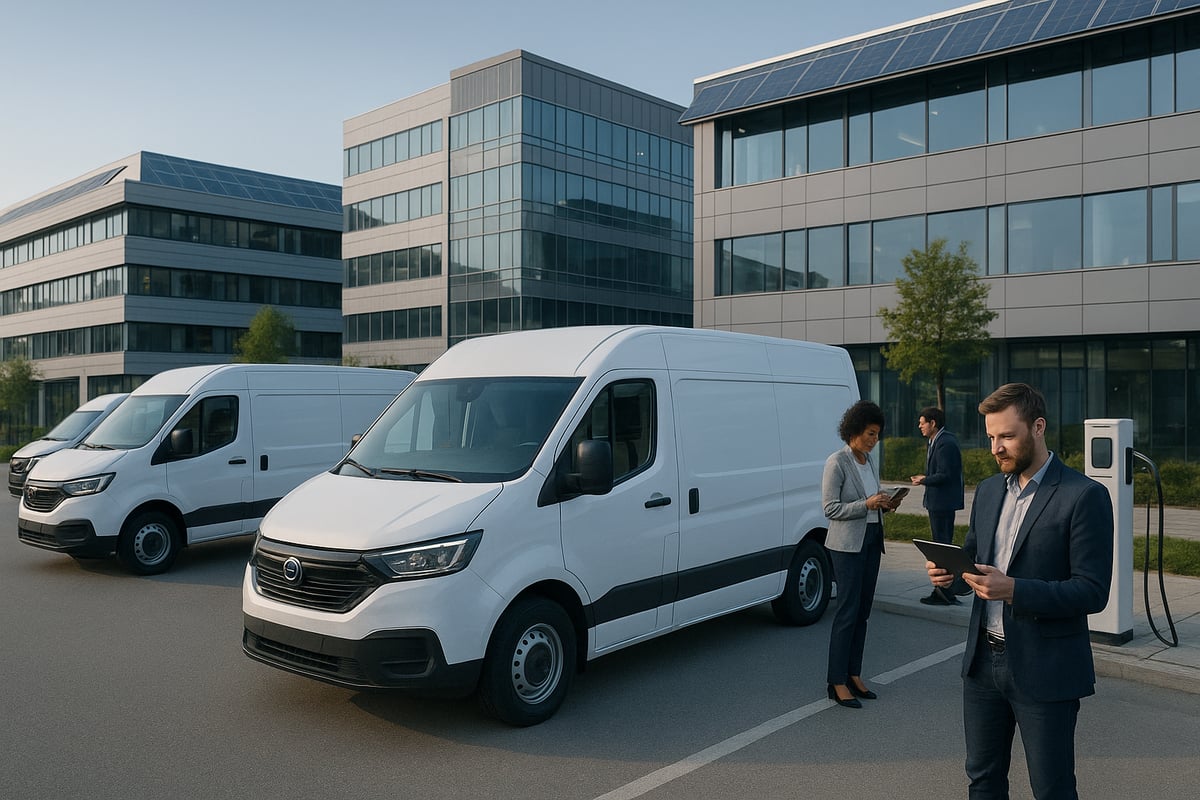
2026 is projected to be a record year for electric commercial technologies. According to Electric Commercial Vehicle Market Growth Projections, the market is on track for sustained double-digit growth, fueled by global demand for zero-emission solutions.
Governments are offering substantial incentives and tightening regulations, making electric commercial adoption more attractive. Both consumers and B2B clients are increasingly favoring green businesses, accelerating sector-wide change. Leading the charge are logistics, food service, retail, and construction, where electric commercial innovation is driving real competitive advantage.
Sustainability and Cost Efficiency
Switching to electric commercial options delivers lower operational costs compared to traditional systems. Businesses benefit from reduced energy expenses, fewer emissions, and a smaller carbon footprint. Advanced electric commercial systems, such as fleet vehicles and smart kitchen equipment, enable significant energy savings.
For example, companies electrifying their fleets or upgrading kitchen appliances have reported up to 30 percent cost reductions. These changes translate into long-term ROI and enhanced brand value, as sustainability becomes a core differentiator for forward-thinking enterprises.
Integration with Smart Technologies
The integration of IoT and AI is revolutionizing electric commercial devices. Predictive maintenance and remote monitoring are now standard features, allowing businesses to optimize performance and prevent costly downtime. Data from connected electric commercial systems supports smarter, faster decision-making.
Real-time fleet management and smart energy platforms are empowering companies to track usage, identify inefficiencies, and boost productivity. This connectivity is not just a trend, but a foundation for the next generation of electric commercial operations.
Barriers and Opportunities
Adopting electric commercial solutions presents challenges, notably higher upfront investment and the need for robust charging infrastructure. Businesses may face workforce skill gaps, requiring targeted training to support new technologies.
However, these challenges bring significant opportunities. Early adopters of electric commercial systems can secure market share, benefit from government incentives, and position themselves as industry leaders. Overcoming these barriers will be key to unlocking the full potential of electric commercial innovation in 2026.
7 Electric Commercial Innovations Transforming 2026 Businesses
The electric commercial landscape is rapidly evolving, with 2026 marking a pivotal year for transformative innovations. Companies are leveraging advanced vehicles and technology to boost efficiency, cut operating costs, and meet sustainability targets. Below, we explore seven leading electric commercial solutions set to redefine business mobility and operations.
Ford E-Transit Electric Van
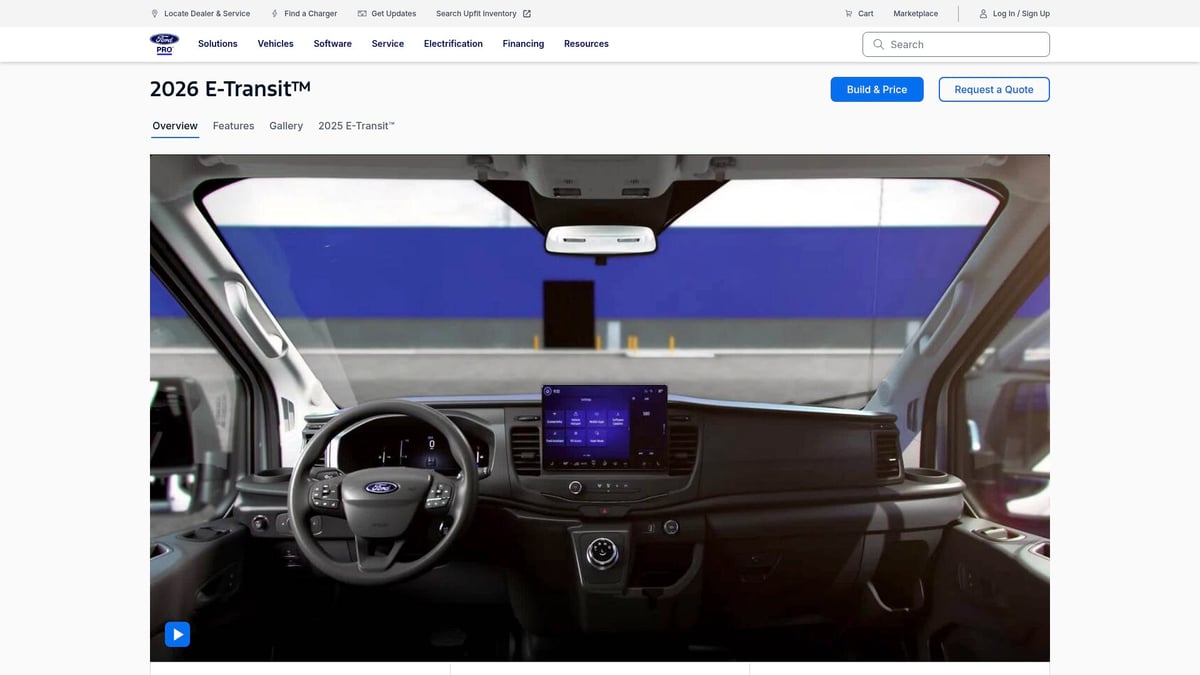
The Ford E-Transit Electric Van is a game-changer for the electric commercial market. Starting at £49,545 (US$67,600), it blends power, flexibility, and advanced tech for modern fleets. With a 266hp rear-mounted motor and 317 lb-ft of torque, the E-Transit delivers strong performance, even when fully loaded.
Key Features:
| Feature | Details |
|---|---|
| Battery | 89kWh (enhanced) |
| Range | Up to 159 miles |
| Configurations | Cargo, chassis cab, cutaway |
| Drive | Rear-wheel |
| Safety | Lane-departure, adaptive cruise |
This electric commercial van is ideal for logistics, trades, and delivery services. It offers Ford SYNC 4 infotainment, Pro Power Onboard for tool charging, and a robust service network. Operators benefit from low emissions and reduced running costs, helping businesses meet green targets while optimizing budgets.
Pros:
- Flexible configurations for specialized needs
- Strong performance under load
- Advanced safety and connectivity
Cons:
- Range may restrict long-haul use
- Higher upfront investment than some ICE competitors
For urban and regional fleets, the E-Transit stands out as a reliable electric commercial solution, driving both sustainability and productivity.
Volkswagen ID. Buzz Cargo
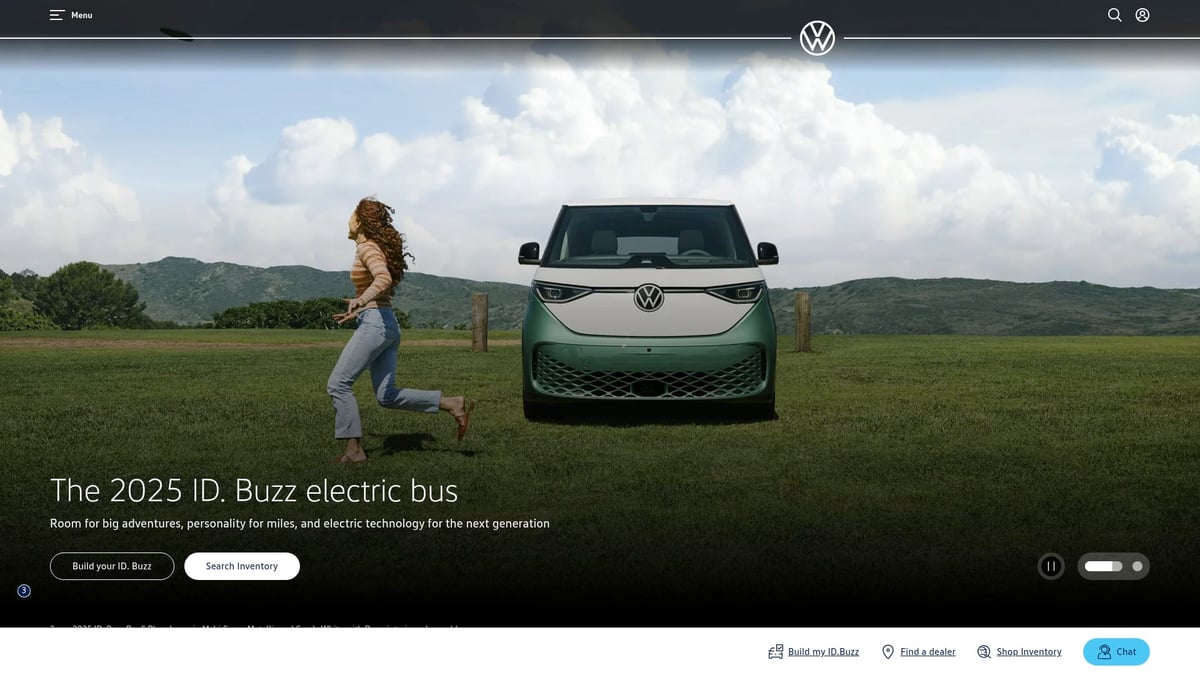
Volkswagen’s ID. Buzz Cargo brings retro-modern style to the electric commercial segment. Priced from £38,576 (US$52,634), it features a 59kWh battery and up to 200 miles WLTP range, with fast charging capability (5–80% in 30 minutes).
Key Features:
| Feature | Details |
|---|---|
| Battery | 59kWh |
| Range | Up to 200 miles (WLTP) |
| Charging | 165kW DC fast (30 min) |
| Cargo Space | 3.9m³ |
| Tech | 12.9-inch touchscreen, driver aids |
Compact and city-friendly, the ID. Buzz Cargo appeals to urban delivery services, small business fleets, and eco-conscious brands. Its standout design, excellent maneuverability, and rapid charging set it apart in the electric commercial landscape.
Pros:
- Iconic design attracts attention
- Quick charging minimizes downtime
- Advanced driver assistance
Cons:
- Payload lower than some rivals
- Limited towing for heavier loads
Businesses seeking an electric commercial van with both substance and style will find the ID. Buzz Cargo a compelling choice for 2026.
Maxus eDeliver 9
The Maxus eDeliver 9 delivers versatility and power to the electric commercial market. With pricing from £63,000 to £71,000 (US$85,960–$96,900), it offers three battery options (up to 88.55kWh) and up to 211 miles WLTP range.
Key Features:
| Feature | Details |
|---|---|
| Battery Options | 3 (max 88.55kWh) |
| Max Range | 211 miles (WLTP) |
| Cargo Volume | 11m³ |
| Charging | 80% in 40 minutes (DC) |
| Safety | AEB, lane departure warning |
Ideal for regional logistics and courier services, this electric commercial van provides regenerative braking, multiple driving modes, and a spacious cabin for driver comfort. The Maxus eDeliver 9 is designed to handle high payloads while maintaining efficiency.
Pros:
- Versatile with multiple configurations
- Strong range for extended routes
- Rapid charging reduces downtime
Cons:
- Higher entry price
- Limited North American brand presence
For businesses needing a robust, high-capacity electric commercial solution, the eDeliver 9 is a smart investment.
Renault Master E-Tech
Renault’s Master E-Tech is a standout in the electric commercial van segment, starting at £37,500 (US$51,166). It features an 87kWh battery and an impressive range of up to 285 miles (WLTP), making it one of the longest-range options available.
Key Features:
| Feature | Details |
|---|---|
| Battery | 87kWh |
| Max Range | 285 miles (WLTP) |
| Cargo Volume | 11–14.8m³ |
| Charging | 130kW fast charging |
| Tech | Google built-in, 20+ driver assists |
The aerodynamic “Aerovan” design reduces energy use by 27 percent, improving efficiency. Its multi-energy platform helps fleets transition to electric commercial operations with ease, supporting both large-scale logistics and delivery.
Pros:
- Exceptional range and payload
- Strong warranty and fleet support
- Industry-leading technology
Cons:
- Limited availability by region
- Upfront cost may challenge smaller businesses
The Master E-Tech is an excellent choice for companies prioritizing range and advanced features in their electric commercial fleet.
Rivian EDV (Electric Delivery Van)
Rivian’s EDV is purpose-built for large-scale electric commercial delivery, with pricing between US$79,900 and US$83,900. It offers a payload of 1,024–1,209Kg and advanced 360-degree safety systems. Rivian’s fleet management software enables streamlined logistics and real-time tracking.
Key Features:
| Feature | Details |
|---|---|
| Payload | 1,024–1,209Kg |
| Software | Rivian fleet management |
| Safety | 360-degree suite |
| Track Record | 1B+ packages delivered (Amazon) |
The EDV has already delivered over a billion packages for Amazon, proving its reliability at scale. With over 50 percent emission reductions and ergonomic design, it is a leader in the electric commercial delivery space.
Pros:
- Proven performance for major fleets
- Advanced software integration
- Flexible sizing options
Cons:
- Premium pricing
- Limited to commercial buyers
- Availability still expanding
For e-commerce and logistics giants, the Rivian EDV is redefining what’s possible in electric commercial delivery.
Vauxhall Vivaro Electric
The Vauxhall Vivaro Electric is a versatile and affordable electric commercial vehicle, starting at £36,105 (US$49,262). It features a 75kWh battery with up to 219 miles WLTP range and multiple body configurations to suit diverse business needs.
Key Features:
| Feature | Details |
|---|---|
| Battery | 75kWh |
| Max Range | 219 miles (WLTP) |
| Charging | 80% in 30–45 minutes (DC) |
| Drive Modes | Eco, Normal, Power |
| Safety | Advanced tech features |
Designed for SMEs, delivery services, and public sector fleets, the Vivaro Electric balances efficiency and practicality. Fast DC charging and low running costs make it a favorite among businesses seeking reliable electric commercial mobility.
Pros:
- Multiple configurations
- Trusted brand reputation
- Efficient operation
Cons:
- Lower towing capacity than some alternatives
- Longer AC charging time
For companies focused on cost-effective electric commercial solutions, the Vivaro Electric delivers both value and performance.
Nissan Townstar EV
The Nissan Townstar EV is an accessible entry point for electric commercial fleets, starting at £32,000 (US$43,660). With up to 183 miles WLTP range (269 miles city) and rapid DC charging (15–80% in 37 minutes), it suits urban SMEs and last-mile delivery.
Key Features:
| Feature | Details |
|---|---|
| Max Range | 183 miles (WLTP), 269 city |
| Charging | 15–80% in 37 minutes (DC) |
| Cargo Volume | 3.3–4.3m³ |
| Tech | 10-inch display, ProPILOT |
| Warranty | 5-year vehicle, 8-year battery |
With over 20 tech features and a compact, ergonomic design, the Townstar EV is tailored for city logistics. Its strong warranty and affordable pricing make it an attractive electric commercial option for small businesses.
Pros:
- Affordable and accessible
- Excellent city range
- User-friendly technology
Cons:
- Lower payload and range for regional routes
- Not ideal for heavy-duty operations
The Townstar EV helps businesses transition to electric commercial fleets with minimal barriers, supporting both sustainability and profitability.
Electric Commercial Appliances Revolutionizing Business Operations
The rapid evolution of electric commercial appliances is reshaping how businesses approach efficiency, reliability, and sustainability. As more companies shift away from gas-powered solutions, a new era of smart, connected equipment is unlocking greater savings and safer workplaces.
Smart Commercial Kitchen Equipment
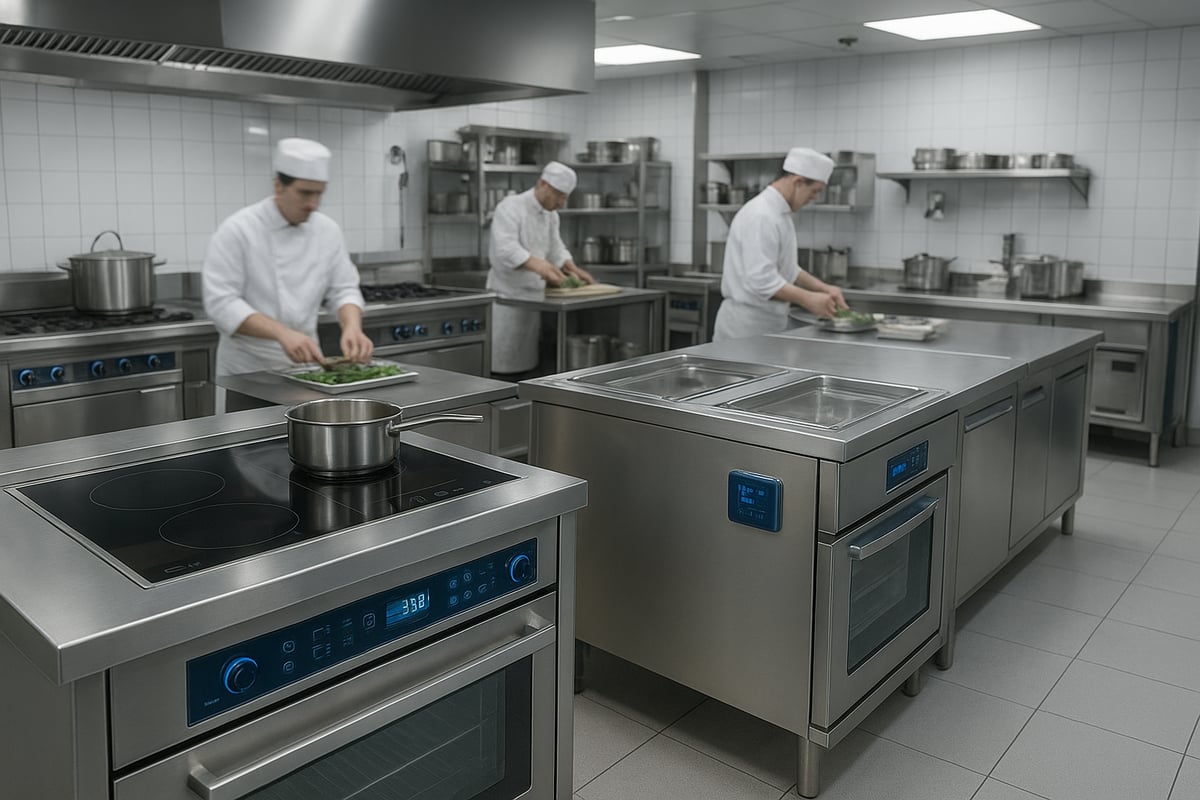
Electric commercial kitchen appliances, like ranges, ovens, and griddles, are quickly replacing traditional gas models in restaurants and hotels. These units offer precise temperature control, leading to consistent cooking results and reduced energy waste. By eliminating open flames, they significantly lower the risk of kitchen fires, enhancing overall safety.
Many businesses report that switching to electric commercial kitchen equipment reduces maintenance needs and extends appliance lifespan. In fact, some restaurants have documented up to 30 percent lower energy costs after upgrading. For those seeking optimal performance, following commercial electrical maintenance best practices ensures long term reliability and efficiency.
Electric HVAC and Climate Control Systems
Modern electric commercial HVAC systems, especially heat pumps and smart thermostats, are transforming building management. These solutions provide better air quality, precise climate control, and substantial energy savings compared to outdated systems. Integration with building management platforms allows real time monitoring and adjustment, maximizing comfort and cost efficiency.
Office complexes have seen HVAC energy use drop by up to 40 percent after adopting electric commercial heat pumps. Automated controls also help maintain ideal indoor conditions, supporting employee productivity and reducing operational expenses.
Commercial Electric Water Heaters and Boilers
Commercial electric water heaters and boilers deliver instant hot water for industries like hospitality and healthcare, where reliability is critical. These systems are 2 to 3 times more energy efficient than traditional gas models, resulting in lower emissions and utility costs. Smart scheduling and remote diagnostics further optimize their performance and maintenance.
By investing in electric commercial water heating solutions, businesses can meet stringent sustainability targets while ensuring consistent service. Data driven controls also allow for preventive maintenance, reducing unexpected downtime and repair costs.
Electric Food Prep and Holding Equipment
Electric commercial food prep and holding appliances, such as induction cookers, warmers, and cabinets, are gaining popularity in catering, schools, and hospitals. These devices offer precise temperature management, which is essential for food safety and quality consistency. Their use supports compliance with food safety regulations and minimizes spoilage.
Institutions adopting electric commercial equipment benefit from reduced energy consumption and improved operational efficiency. As a result, many kitchens are shifting to electric solutions for both compliance and cost savings, setting a new standard in the food service industry.
Smart Energy and Infrastructure Innovations
In 2026, smart energy and infrastructure solutions are at the core of the electric commercial transformation. Businesses are embracing innovative systems that power efficiency, sustainability, and reliability. From advanced EV charging to intelligent building management, these upgrades deliver measurable benefits for companies moving toward an electric commercial future.
EV Charging Infrastructure for Businesses
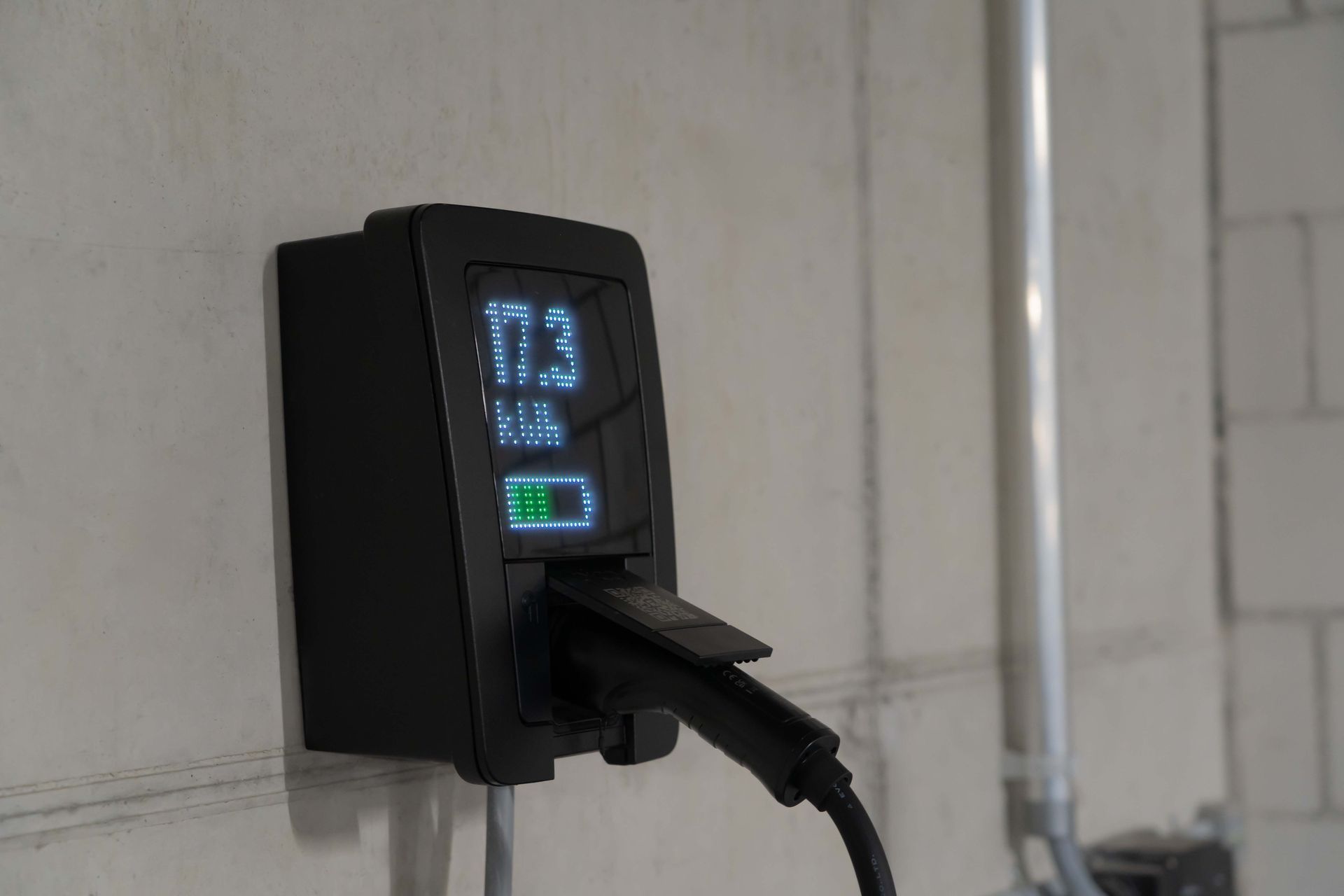
The expansion of EV charging infrastructure is reshaping the electric commercial landscape. Companies are rapidly installing Level 2 and DC fast chargers at offices, warehouses, and retail sites to support growing electric fleets. These charging stations not only enable efficient vehicle operations but also attract employees and customers seeking convenient charging options.
Government incentives and rebates are making commercial EV charging station installation more accessible for businesses of all sizes. Retailers, for example, are leveraging on-site charging to draw eco-conscious shoppers and enhance their brand image. As electric commercial vehicles become standard, investing in robust charging infrastructure is a strategic move for future-ready enterprises.
Energy-Efficient Lighting and Controls
Upgrading to energy-efficient LED lighting and integrated smart controls is a top priority for electric commercial facilities. LED retrofits slash energy use, while automated occupancy sensors and daylight harvesting optimize light levels and minimize waste. Businesses can achieve up to 70 percent reductions in lighting energy costs, significantly improving their bottom line.
Modern smart lighting controls for commercial efficiency allow real-time adjustments, scheduling, and remote monitoring. Warehouses, offices, and retail spaces that adopt these solutions benefit from improved visibility, safety, and reduced maintenance. For any electric commercial operation, advanced lighting is a quick win for both sustainability and savings.
Commercial-Scale Battery Storage Solutions
On-site battery storage is emerging as a game-changer in the electric commercial sector. These systems enable businesses to store excess energy, manage peak demand, and provide backup power during outages. Integration with renewable sources like solar or wind further enhances reliability and cost control.
A notable case study showcases businesses using battery storage to reduce demand charges and strengthen resilience. For electric commercial operations, battery systems offer flexibility, allowing energy use to align with grid conditions and market rates. Companies adopting this innovation gain a competitive edge in both operational efficiency and sustainability.
Building Automation and Energy Management Platforms
Centralized building automation platforms are transforming how electric commercial facilities operate. These systems unify control of HVAC, lighting, and critical equipment, delivering real-time analytics and predictive maintenance alerts. The result is improved comfort, efficiency, and regulatory compliance for diverse industries.
Hotels and hospitals, for instance, are achieving 15 to 25 percent total energy savings by leveraging automated energy management. For electric commercial businesses aiming to optimize resources and reduce costs, investing in smart building technology is essential. It not only streamlines operations but also supports long-term growth and environmental responsibility.
The Business Impact: Competitive Advantages and Future Outlook
The adoption of electric commercial solutions is creating measurable advantages for businesses in every sector. By embracing these innovations, companies are not just following trends, but actively shaping their industry's future.
Operational Efficiency and Productivity Gains
Electric commercial technologies are streamlining business operations at an unprecedented pace. Fleet managers now use real-time data and predictive maintenance to keep vehicles and equipment running smoothly, minimizing unexpected downtime. For example, logistics firms leveraging electric commercial vehicles report more reliable delivery schedules and lower maintenance costs.
Key efficiency boosters include:
- Automated scheduling and route optimization
- Remote diagnostics for rapid response
- Seamless integration with inventory and dispatch systems
When businesses implement electric commercial appliances, they experience faster workflows and improved service delivery. These solutions drive tangible gains in productivity and resource utilization.
Enhanced Sustainability and Brand Reputation
Switching to electric commercial systems helps companies meet ambitious ESG targets and comply with evolving regulations. Reduced emissions and cleaner operations appeal to both regulators and the growing segment of eco-conscious clients.
A recent study found that 70% of consumers prefer businesses known for sustainable practices. Electric commercial vehicles and appliances boost a brand's public image, positioning companies as industry leaders in environmental stewardship.
Additional benefits include:
- Lower carbon footprints
- Eligibility for green certifications
- Increased access to government incentives
These factors enhance reputation and open new market opportunities.
Workforce and Customer Experience Improvements
Electric commercial innovations are transforming work environments and customer interactions. Employees benefit from quieter, safer workplaces with advanced electric systems, such as improved air quality and reduced exposure to hazardous materials.
Customers notice the difference, too. Retailers and service providers upgrading to electric commercial solutions often see:
- Higher customer satisfaction scores
- Increased repeat business
- Positive word-of-mouth and online reviews
A cleaner, quieter atmosphere boosts morale and retention, creating a virtuous cycle of improved performance and loyalty.
Preparing for the Next Wave of Innovation
The electric commercial landscape is evolving rapidly, with ongoing R&D propelling new breakthroughs in battery technology, AI, and automation. Businesses that proactively adopt these solutions position themselves ahead of the curve.
Market forecasts, such as the United States Electric Commercial Vehicle Market Report, highlight significant growth opportunities through 2030. To future-proof operations, leaders should:
- Invest in workforce training for new technologies
- Build partnerships with innovation-focused vendors
- Monitor trends in smart energy and automation
Staying agile and informed ensures businesses maximize the benefits of electric commercial advancements in the years ahead.
As we look ahead to 2026, it’s clear that embracing electric innovations isn’t just about staying current—it’s about leading your business toward greater efficiency, sustainability, and long term value. Whether you’re considering fleet electrification, upgrading your commercial lighting, or integrating smarter energy management, having the right electrical partner makes all the difference. At Bradcon Electrical Services Inc., we bring reliable, code compliant solutions to businesses across the GTA. If you’re ready to future proof your operations and take advantage of these transformative trends, I invite you to explore our Commercial Electrical Services.