Do I Need an ESA Permit for an EV Charger in Ontario?
Yes. Installing a Level 2 EV charger at your Ontario home requires an ESA permit — full stop. That answer doesn't change based on which charger brand you're buying, which electrician you're calling, or whether your neighbour told you they "just had theirs plugged in." If a new 240V circuit is being run to your garage, a permit is required under Ontario's Electrical Safety Code. Here's everything Durham Region homeowners need to know.
Why Ontario Requires a Permit for EV Charger Installation
The Electrical Safety Authority (ESA) administers Ontario's electrical safety regulations under the Electricity Act. Any time a new electrical circuit is added to your home — whether it's for an EV charger, a hot tub, a sauna, or a new subpanel — that work falls under ESA's oversight. The regulation exists because new circuits represent a meaningful change to your home's electrical system, and an improperly installed circuit is a genuine fire hazard.
EV chargers deserve particular attention here. A Level 2 charger draws a sustained, heavy load for several hours at a time — sometimes 8 to 10 hours overnight if you're topping up a larger battery. That's very different from most household appliances, which cycle on and off. A circuit that's undersized, uses the wrong breaker, lacks proper GFCI protection, or is run with the wrong wire gauge isn't just a code violation — it's a house fire waiting to happen. The permit and inspection process exists specifically to catch these issues before they become problems.
What Happens If You Skip the Permit?
Some installers — particularly handymen or general contractors who aren't licensed electricians — may offer to "just wire it in" without pulling a permit. This is worth understanding clearly.
Insurance risk: Most Ontario home insurance policies require that electrical work be performed by a licensed electrician with the appropriate permits. If a fire or damage event is ever traced back to unpermitted electrical work, your insurer has grounds to deny the claim. This isn't theoretical — it happens.
Real estate complications: Home inspectors routinely check for ESA certificates on visible electrical upgrades, including EV chargers. An unpermitted charger circuit can trigger renegotiation, require remediation before closing, or simply make cautious buyers walk away.
Safety: The inspection step isn't bureaucracy for its own sake. It's a second set of trained eyes on the work before it's energized. ESA inspectors catch things — not because the electrician was incompetent, but because inspections are how quality control works.
How the ESA Permit Process Actually Works
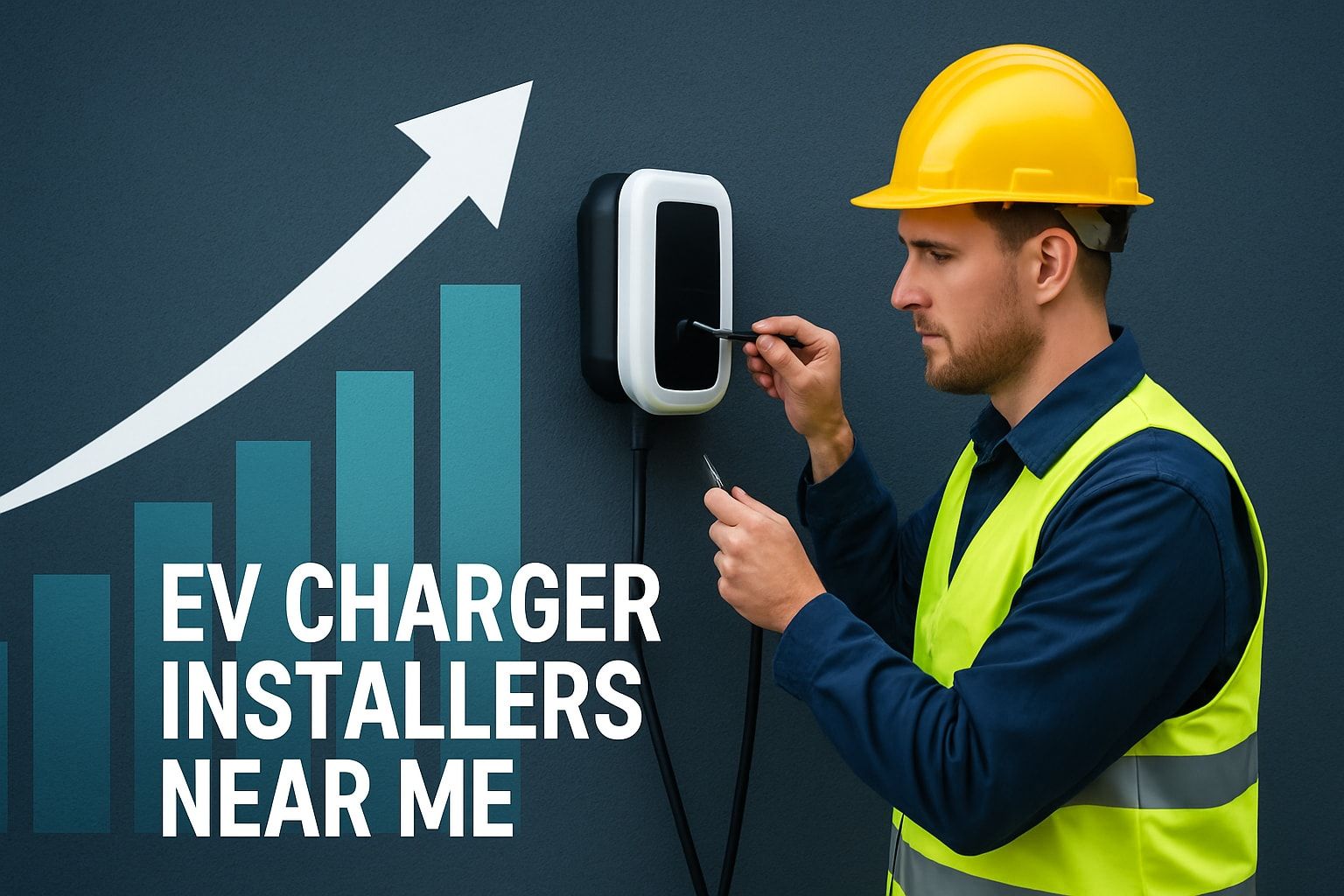
When you hire BradCon Electrical for an EV charger installation, the permit process is built into our standard workflow — you don't need to coordinate it yourself.
We start with a load assessment to confirm your existing electrical panel can safely support the new dedicated circuit. Most modern 200-amp panels in Port Perry, Whitby, Oshawa, and Ajax can accommodate a 240V/40-amp EV charger circuit without any additional work. Older 100-amp panels, or panels already carrying heavy loads, may need an upgrade first — and we'll tell you honestly whether that's the case rather than just sell you the upgrade.
From there, we file the ESA permit, complete the installation, and request the inspection. ESA inspections for EV charger installations are typically scheduled and completed within one to three business days. Once the work passes, you receive a certificate of inspection for your home records — proof the circuit was installed properly, to code, by a licensed contractor. The whole process adds a few business days to the timeline, but it protects your home, your insurance, and your investment in the vehicle itself.
Frequently Asked Questions
Do I need a permit if I'm just using a regular 120V outlet for Level 1 charging?
If you're plugging a Level 1 charger into an existing outlet with no new wiring involved, a permit is generally not required. However, Level 1 charging typically adds only 5 to 8 km of range per hour — most EV owners eventually upgrade to Level 2 for practical daily use, which does require a dedicated circuit and an ESA permit.
Does my panel need to be upgraded before I can get an EV charger?
Not always. A load assessment determines whether your current panel has sufficient capacity. Many homes in Durham Region with 200-amp service can support an EV charger circuit without any panel work. We'll assess and advise before quoting any additional work.
How long does the whole EV charger installation process take?
For a straightforward installation on an adequate panel, the physical work usually takes two to four hours. Add a few business days for ESA inspection scheduling and you're typically looking at under a week from booking to a certified, ready-to-use charger.
Is it safe to charge an EV overnight?
Yes — when the circuit is properly installed, sized, and inspected. A dedicated 240V circuit with the correct breaker rating and a quality charger is specifically designed for sustained overnight charging. The ESA permit and inspection process is what ensures yours is installed correctly.
Ready to Install Your EV Charger the Right Way?
BradCon Electrical installs EV chargers for homeowners throughout Port Perry, Uxbridge, Whitby, Oshawa, Ajax, and Pickering. We handle the permit, the installation, and the ESA inspection — all of it. Call (416) 881-4212 or request a free quote online to get started.