Whole House Surge Protector Installation Guide for 2026
Extreme weather events and the rapid growth of smart electronics are making Canadian homes more vulnerable to costly power surges in 2026. Now, protecting your investment is more important than ever.
A whole house surge protector installation is the most effective way to shield your appliances and sensitive devices from unexpected voltage spikes. This guide will walk you through a step-by-step, code-compliant process to help you safeguard your home.
You will learn how surges happen, how to choose the right device, the safe installation process, and how to keep your protection working for years. Achieve peace of mind and take action to secure your home today.
Understanding Power Surges and Whole House Surge Protectors
Power surges are becoming a frequent concern for Canadian homeowners, especially as more sensitive electronics fill our homes. Understanding why these surges happen and how a whole house surge protector installation can safeguard your investments is crucial for long-term peace of mind.
What Are Power Surges?
A power surge is a sudden, brief spike in electrical voltage flowing through your home's wiring. These surges can be triggered by lightning strikes, utility grid switching, or even large appliances cycling on and off inside your home.
In Canada, surges are more common than many realize, with homes experiencing dozens of small surges each year. For example, a single surge can instantly damage sensitive appliances like refrigerators, computers, or televisions, leading to costly repairs or replacements.
That is why homeowners are increasingly looking to whole house surge protector installation as a proactive solution to protect valuable electronics and appliances from these unpredictable events.
Why Whole House Surge Protection Is Essential in 2026
The importance of whole house surge protector installation has grown as homes now contain more connected devices than ever before. The average Canadian household now has over 25 devices linked to its electrical system, including smart thermostats, EV chargers, and home theaters.
Replacing equipment damaged by a surge can cost thousands, far outweighing the initial investment in surge protection. Additionally, insurance claims related to electrical surges are on the rise, highlighting the need for effective prevention.
Choosing whole house surge protector installation not only saves money but also provides peace of mind, knowing your home is shielded against unexpected voltage spikes.
How Whole House Surge Protectors Work
A whole house surge protector installation diverts excess voltage safely to the ground when a surge occurs, preventing it from reaching your appliances. These protectors are designed to handle various types of surges, including transient and spike events.
In a real-world scenario, during a thunderstorm, the device senses a sudden voltage spike and instantly redirects the excess energy, keeping your electronics safe. For a deeper understanding of how these devices operate and the benefits of different models, explore this Whole Home Surge Protection Overview.
Proper whole house surge protector installation ensures your protection system is always ready to act when needed.
Types of Whole House Surge Protectors
There are two main types of whole house surge protectors: panel-mounted and meter-based. Panel-mounted devices are installed directly onto your main electrical panel, while meter-based units are positioned at the utility meter.
Key features to consider when planning a whole house surge protector installation include clamping voltage, response time, and joule rating. Compatibility with modern electrical panels is also essential for reliable, long-term protection.
| Type | Installation Point | Features | Compatibility |
|---|---|---|---|
| Panel-mounted | Main Panel | Fast response, modular design | Most new panels |
| Meter-based | Utility Meter | Utility-grade, broad protection | Depends on utility |
Selecting the best type ensures your whole house surge protector installation meets your home's unique needs and offers comprehensive protection.
Preparing for Installation: Tools, Safety, and Code Compliance
Before starting any whole house surge protector installation, safety and code compliance must come first. Prepare your workspace, gather the right tools, and understand electrical code requirements to ensure a smooth, risk-free installation. Let us walk through each essential step.
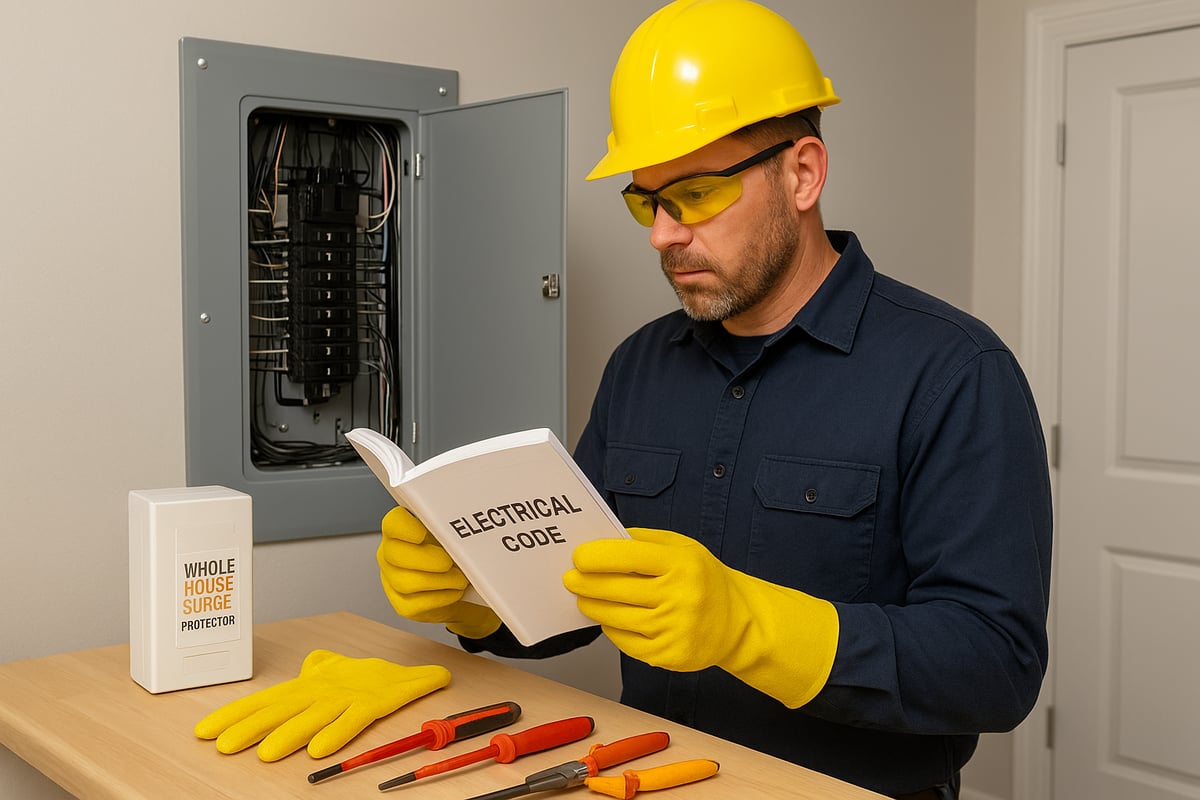
Safety Precautions and Personal Protective Equipment
Safety is non-negotiable during any whole house surge protector installation. Always begin by shutting off the main power at your service panel. Confirm with a voltage tester that no electricity is present before starting work.
Protect yourself with the following PPE:
- Insulated gloves
- Safety glasses or face shield
- Non-conductive footwear
- Voltage tester
Improper handling of electrical components can lead to shock or fire. Lockout and tag the panel to prevent accidental re-energizing. If you feel unsure at any point, pause and consult a licensed electrician.
Tools and Materials Checklist
Gathering the correct tools and materials is crucial for a successful whole house surge protector installation. Below is a checklist for your workspace:
| Tool/Material | Purpose |
|---|---|
| Surge protector (CSA/UL) | Main device |
| Screwdriver set | Fastening connections |
| Wire strippers | Preparing wires |
| Voltage tester | Ensuring safety |
| Drill and bits | Mounting the device |
| Mounting hardware | Secure installation |
Choose a surge protector that is CSA or UL listed for Canadian homes. This ensures compatibility and compliance with local standards.
Understanding Canadian Electrical Code (CEC) Requirements
Every whole house surge protector installation must follow the Canadian Electrical Code (CEC). The CEC sets strict guidelines for device type, wiring methods, grounding, and panel compatibility.
In Ontario and many provinces, a permit is needed for most electrical upgrades. Some installations require a licensed electrician by law. After installation, an Electrical Safety Authority (ESA) inspection may be necessary to approve your work and maintain insurance coverage.
For a detailed overview of code requirements, see the Ontario Electrical Code compliance guide. Following these steps will help you avoid costly mistakes and potential fines.
Evaluating Your Electrical Panel and Home Readiness
Before any whole house surge protector installation, assess your electrical panel and home wiring. Check if your main service panel has enough space for the new device. If you have a subpanel, determine whether the surge protector should be installed at the main or subpanel for full-home coverage.
Identify if your panel is modern or outdated. Homes with old fuse boxes may require a panel upgrade before proceeding. Inspect for existing surge protection, as some newer panels include built-in devices.
If your wiring is outdated or damaged, address these issues before installation. Upgrading from a fuse box to a breaker panel not only improves safety but also ensures compatibility with modern surge protectors.
Choosing the Right Whole House Surge Protector for Your Home
Selecting the ideal device for whole house surge protector installation is crucial for safeguarding your home's entire electrical system. The right choice ensures that your investment is protected from unpredictable voltage spikes and future-proofs your property as technology evolves.
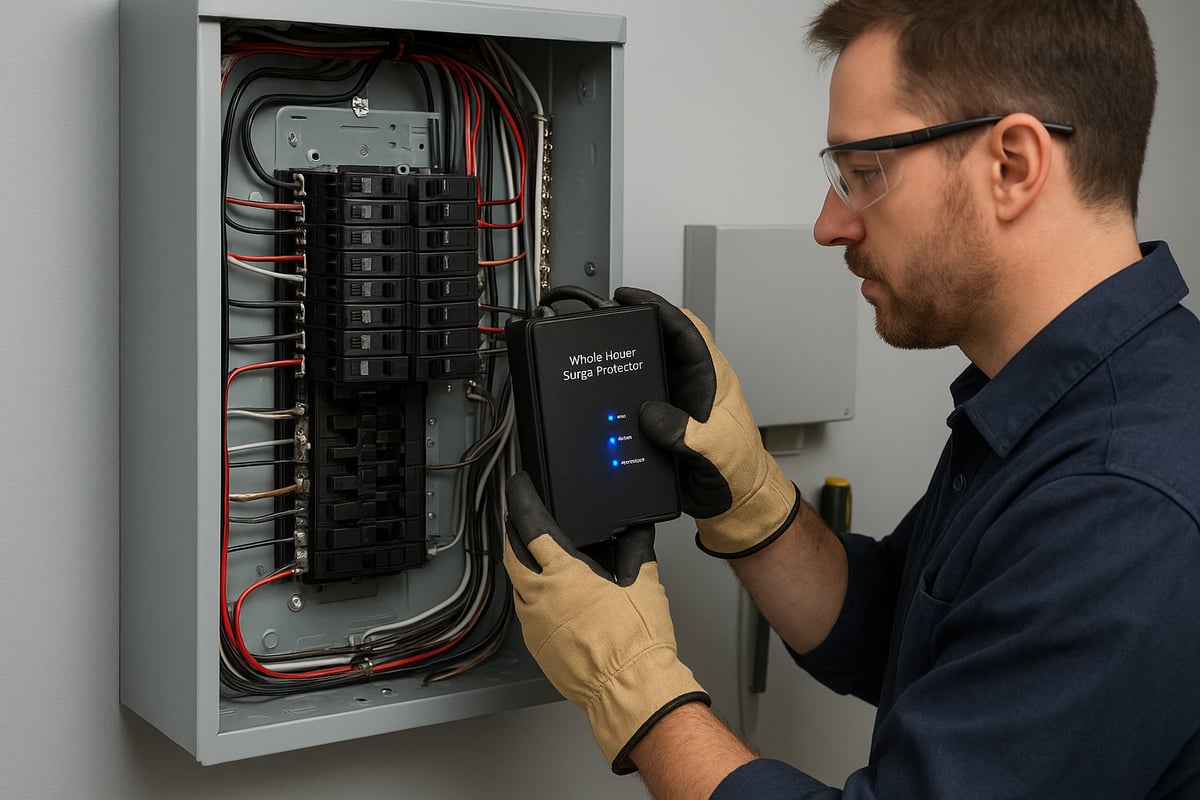
Key Specifications to Consider
Before purchasing, review the technical specifications that impact performance and compatibility during whole house surge protector installation. Three primary specs stand out:
- Clamping Voltage : The voltage threshold at which the device begins to divert excess energy. Lower clamping voltages offer greater protection for sensitive electronics.
- Joule Rating : Indicates how much surge energy the protector can absorb before failure. Higher ratings signal greater durability, especially important in regions with frequent storms.
- Response Time : How quickly the device reacts to a surge. Faster response times mean less risk of equipment damage.
Match the surge protector to your electrical panel’s amperage—most Canadian homes use either 100A or 200A panels. Also, consider the surge current capacity, as Canadian weather can bring intense storms that demand robust protection during whole house surge protector installation.
Comparing Top Brands and Models for 2026
Choosing a reputable, CSA/UL-certified brand is essential for any whole house surge protector installation. Leading models typically share key features:
| Feature | Benefit |
|---|---|
| Replaceable Modules | Extend lifespan without full device swap |
| LED Status Indicators | Easy monitoring of protection status |
| Extended Warranties | Manufacturer-backed peace of mind |
| Smart Home Compatibility | Integration with monitoring apps |
Look for models that fit your panel and support smart home monitoring. Devices with clear LED indicators make it easier to verify ongoing protection. For homes with advanced automation, select a surge protector that communicates with your energy management system, streamlining whole house surge protector installation into your overall smart home setup.
Budgeting and Cost Considerations
Budgeting for whole house surge protector installation means weighing both upfront and long-term costs. In Canada, device prices typically range from $150 to $500, while professional installation can add $200 to $600, depending on panel accessibility and home size.
Though the initial investment may seem significant, consider the cost of replacing major appliances or electronics after a surge. Many insurers now offer discounts or rebates for homes with certified surge protection, adding long-term value to your whole house surge protector installation.
When to Hire a Licensed Electrician
While some experienced homeowners may consider DIY, most whole house surge protector installation projects require a licensed electrician to ensure safety and code compliance. In Ontario and many other provinces, an ESA-licensed professional is mandatory for panel work.
Professional installers assess your panel, verify proper grounding, and ensure the device meets local code. Hiring a pro also helps avoid costly mistakes or fines for unpermitted work. For a detailed overview of code requirements and the importance of professional installation, see Ontario Electrical Safety Code Compliance.
Choosing a skilled electrician brings peace of mind that your whole house surge protector installation is safe, effective, and fully compliant.
Step-by-Step Whole House Surge Protector Installation Process
Installing a whole house surge protector installation is a critical investment in protecting your home's electrical system and valuable electronics. This section walks you through a detailed, code-compliant process, ensuring every step is clear, safe, and aligned with Canadian standards.
Whether you are a homeowner seeking to understand the process or preparing for a professional installation, following these steps will help you achieve reliable protection and peace of mind.
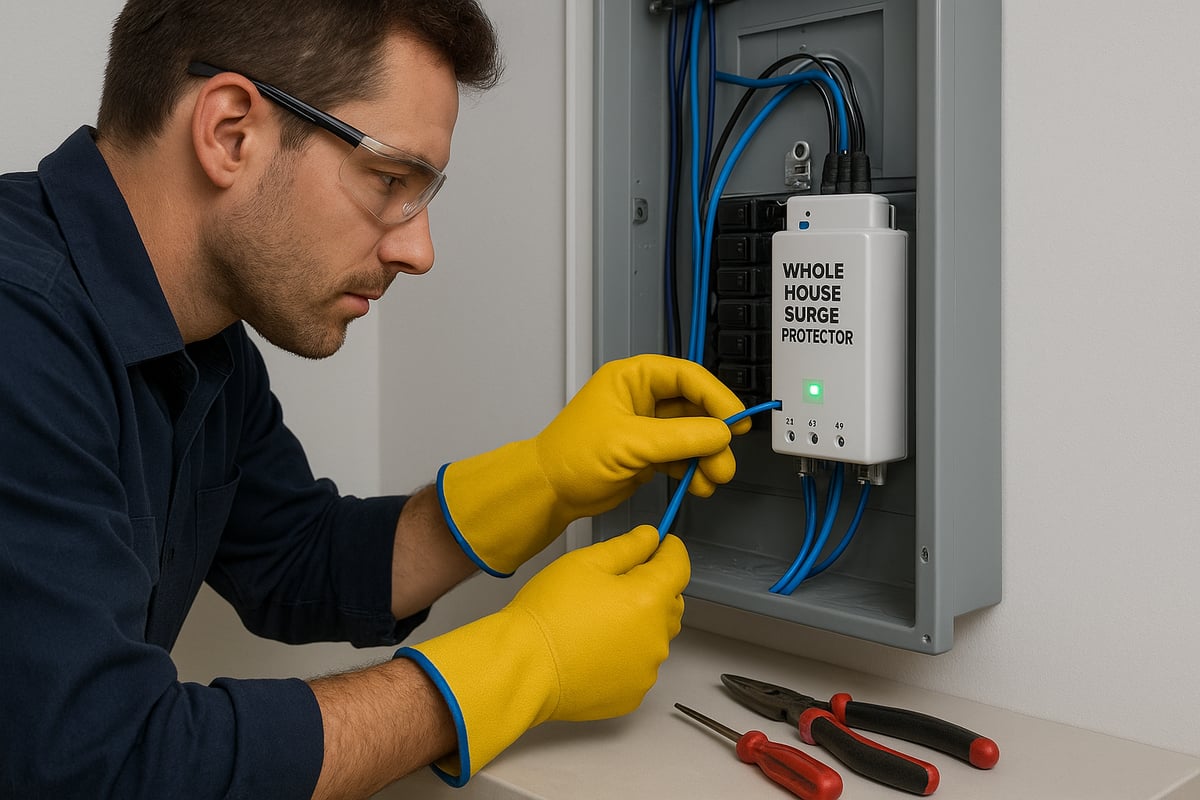
Step 1: Power Down and Verify Safety
Safety is the foundation of any successful whole house surge protector installation. Start by shutting off the main breaker to disconnect power supply to the entire home. Use a voltage tester to confirm all circuits are de-energized before proceeding.
Implement lockout/tagout procedures for an added layer of safety. Place a lock or tag on the main breaker to alert others that work is in progress. This step prevents accidental re-energizing of the panel during installation.
Always wear personal protective equipment, including insulated gloves and safety glasses. Double-check all circuits with your voltage tester to ensure there is no residual live current. Taking these precautions reduces the risk of electrical shock or fire during your whole house surge protector installation.
Step 2: Locate Optimal Mounting Position
Choosing the right location is essential for an effective whole house surge protector installation. Identify your main service panel, as this is typically the best place to mount the device for maximum coverage.
Ensure the mounting spot is close to both the neutral and ground bars within the panel. This proximity minimizes wire length, which helps the surge protector respond quickly and efficiently to voltage spikes.
Avoid installing the device in damp or obstructed areas. Keep the surge protector accessible for future maintenance and away from water sources such as basements prone to flooding. Proper placement is key for a safe and code-compliant whole house surge protector installation.
Step 3: Mounting the Surge Protector
Secure mounting is vital for a reliable whole house surge protector installation. Begin by drilling pilot holes as needed, and use the manufacturer-provided hardware to attach the device directly to the panel or an adjacent wall.
Follow the manufacturer's guidelines for recommended wire lengths. Keeping wires as short and straight as possible improves performance by reducing resistance and response time. Avoid routing wires around sharp corners or through tight bends.
For example, mounting the surge protector on a stable section of the wall next to the panel can reduce vibration and prevent interference. This attention to detail ensures your whole house surge protector installation remains effective and long-lasting.
Step 4: Wiring the Surge Protector
Wiring is the most technical part of the whole house surge protector installation. Carefully connect the surge protector’s wires to the designated breaker slots, usually a double-pole breaker, as specified by the manufacturer.
Attach the neutral (white) and ground (green or bare) wires to their corresponding bars, ensuring all connections meet Canadian Electrical Code requirements. Use a torque screwdriver to tighten terminals to the specified settings, preventing loose or over-tightened connections.
Avoid common mistakes, such as over-tightening terminals, which can damage components and compromise safety. For a deeper understanding of professional wiring practices and compliance, refer to this Surge Protection Installation Guide.
After all wires are secured, review every connection for accuracy. This step is crucial for a safe and code-compliant whole house surge protector installation, particularly when working with modern electrical panels.
Step 5: Testing and Power Restoration
After wiring is complete, double-check all connections as part of your whole house surge protector installation. Before restoring power, verify the device is properly mounted and no wires are exposed.
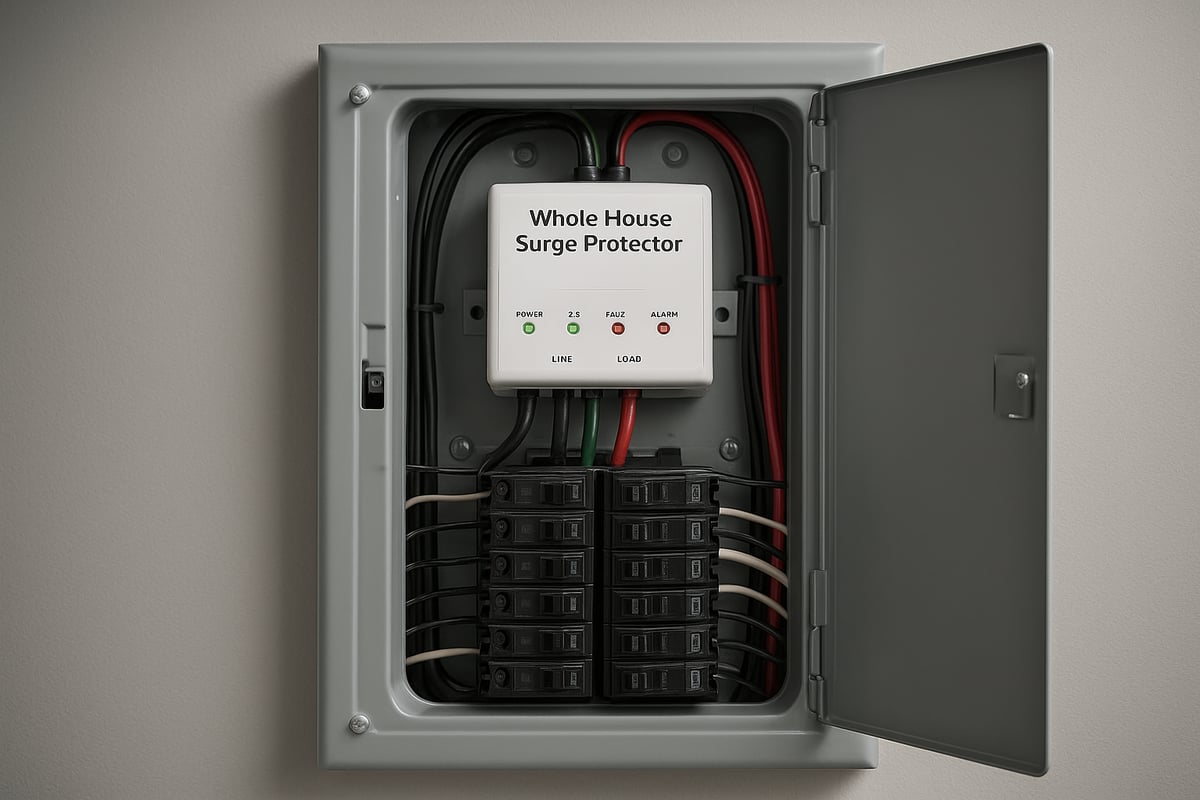
Turn the main breaker back on and use a voltage tester to confirm that power is flowing and the surge protector is operational. Many devices feature LED indicators—check for the correct color to verify protection is active.
If the LED does not illuminate or displays a warning color, revisit your connections and consult the manufacturer’s manual. Proper testing is essential for a successful whole house surge protector installation.
Step 6: Labeling and Documentation
Clear labeling and record-keeping are important steps in every whole house surge protector installation. Use a permanent marker or pre-printed label to identify the surge protector on your electrical panel.
Record the following details for future reference:
- Device model and serial number
- Date of installation
- Warranty information
- Installer’s contact details
Maintaining accurate documentation helps with future maintenance, warranty claims, and insurance requests. A well-documented whole house surge protector installation also benefits future homeowners.
Step 7: Final Inspection and ESA Notification (Ontario)
In Ontario and many Canadian provinces, a final inspection by the Electrical Safety Authority (ESA) may be required after a whole house surge protector installation. Schedule the inspection promptly to ensure code compliance and validate your work.
Inspectors will check for proper grounding, secure mounting, and adherence to CEC standards. Be prepared to present your documentation, including permits and product manuals.
Passing inspection is essential for insurance purposes and resale value. Keeping your records organized confirms that your whole house surge protector installation meets all legal and safety requirements.
Maintenance, Monitoring, and Troubleshooting
Proper maintenance is essential for the long-term performance of your whole house surge protector installation. Ongoing monitoring and timely troubleshooting ensure your home's defenses remain reliable, especially as electrical storms and grid demands intensify. Let us guide you through best practices for care, monitoring, and recognizing when replacement is needed.
Routine Maintenance and Inspection Tips
To maximize the effectiveness of your whole house surge protector installation, make routine visual inspections a monthly habit. Check the device’s indicator lights for any warning signals or color changes. Dust or debris can accumulate around the panel, so keep the area clean to prevent overheating or obstruction.
Schedule an annual inspection by a licensed electrician. This helps verify all wiring and connections remain secure and up to code. Record the inspection date and any observed issues in a maintenance log. These small steps go a long way in extending the lifespan of your protection system.
Monitoring Surge Protection Status
Modern surge protectors often feature LED indicators or smart monitoring options. With your whole house surge protector installation, observe the device’s lights regularly. A green or blue light usually means the device is active, while red or no light may signal a problem.
Some advanced models can connect to mobile apps, sending real-time alerts if protection is lost. If you notice any unusual indicator patterns, consult your user manual for guidance. Consistent status checks ensure peace of mind and prompt response to potential faults.
Common Issues and How to Fix Them
Even with a professional whole house surge protector installation, issues can arise. Common problems include tripped breakers, false alarms, or the device failing to show status lights. If a breaker trips, reset it after confirming there are no electrical faults.
For persistent problems, some surge protectors have replaceable modules. Follow the manufacturer’s instructions for safe replacement. If you face complex or recurring issues, consult a licensed electrician or refer to troubleshooting common residential electrical issues for further tips. Never ignore warning signals, as they may indicate lost protection.
When to Replace Your Surge Protector
Every whole house surge protector installation has a finite lifespan, typically five to ten years, depending on surge frequency. After a major event, such as a lightning strike or frequent power surges, your device’s internal components may degrade.
Monitor for signs like persistent warning lights, frequent resets, or loss of indicator activity. Manufacturers often specify recommended replacement intervals in the manual. Replacing your surge protector promptly after significant surge events or at the end of its service life ensures your home stays protected. Maintain documentation of installation and replacement dates for warranty and insurance purposes.
Frequently Asked Questions About Whole House Surge Protector Installation
Many homeowners have questions about whole house surge protector installation, especially as technology and code requirements evolve. Below, we address the most common concerns to help you make informed decisions and protect your home’s valuable investments.
Do I Need a Whole House Surge Protector If I Have Power Bars?
Power bars with surge protection only shield devices plugged directly into them. They do not protect hardwired systems like HVAC or appliances. In contrast, whole house surge protector installation provides comprehensive defense for your entire electrical system, including circuits that cannot use plug-in devices.
While power bars are helpful, their capacity is limited and they cannot address large surges entering through the main panel. For homes with valuable electronics, a whole house surge protector installation is the superior solution.
Can I Install a Surge Protector Myself?
In Canada, whole house surge protector installation often requires a permit and must follow strict code requirements. DIY installation can be risky if you lack electrical experience. Improper work may lead to shock hazards or fire.
For safety and compliance, it is recommended to hire a licensed electrician. In Ontario, the Electrical Safety Authority (ESA) mandates that only licensed professionals perform this work. After installation, an electrical inspection for property safety is often required to ensure everything meets code.
How Much Does Installation Cost in 2026?
The cost of whole house surge protector installation in the GTA typically ranges from $350 to $800 for the device, plus $250 to $500 for professional labor. Factors affecting price include the complexity of your electrical panel, home size, and the features of the surge protector chosen.
Investing in whole house surge protector installation can save thousands in potential appliance replacement costs. If your panel needs upgrading for compatibility, this may increase the total expense.
Will a Surge Protector Affect My Home Insurance?
Many insurers recognize the value of whole house surge protector installation. Some may offer reduced premiums or improved coverage for homes with verified protection. To access these benefits, keep all documentation, including inspection reports and proof of code-compliant installation.
Providing evidence of whole house surge protector installation can also simplify claims processing if surge damage occurs.
What Appliances and Electronics Benefit Most?
The main advantage of whole house surge protector installation is the protection it offers to essential and sensitive systems, such as:
- HVAC units and furnaces
- Refrigerators and freezers
- Computers, servers, and home offices
- Home theater systems
- Smart home devices and security systems
- Electric vehicle chargers
This coverage extends to all circuits, including those that cannot use plug-in surge bars, ensuring peace of mind for every major investment.
Advanced Tips and Future Trends in Surge Protection
Staying ahead of electrical risks requires more than just basic protection. As Canadian homes become smarter and more connected, advanced strategies for whole house surge protector installation are evolving rapidly. Understanding these trends will help you safeguard your home for years to come.
Innovations in Surge Protection Technology for 2026
The landscape of surge protection is changing fast. Today’s whole house surge protector installation often includes smart features. Homeowners can now monitor protection status remotely using dedicated apps or home automation platforms.
Advanced models send real-time alerts when a surge is detected, allowing for immediate action. Integration with energy management systems means you can track your home’s electrical health in detail. For those seeking code-compliant solutions, reviewing the CSA C22.2 No. 269.1-17 Standard ensures your whole house surge protector installation meets Canadian requirements.
Smart surge protectors also come with self-testing modules and replaceable cartridges, reducing maintenance hassles. Expect more devices to support over-the-air firmware updates, keeping them effective as threats evolve.
Surge Protection for Solar, EV Chargers, and Generators
With more homes adopting solar panels, backup generators, and EV charging stations, surge protection must adapt. Modern whole house surge protector installation now considers the unique risks posed by these high-powered systems.
For example, surges can originate from inverter faults or grid fluctuations. Properly installed devices divert excess voltage before it reaches sensitive solar or EV components. The CSA standard referenced above provides guidance on integrating surge protection with renewable energy systems, ensuring code compliance.
Special surge protectors are designed to handle bi-directional energy flows from solar setups. Always verify that your chosen device is compatible with your generator’s transfer switch and EV charger specifications.
Upgrading Existing Systems and Planning for Expansion
If your electrical panel is outdated or you’re planning a renovation, consider upgrading during your whole house surge protector installation. Adding surge protection is most effective when paired with a modern breaker panel, ensuring full compatibility and easier future expansion.
Key steps include assessing your home’s current and future electrical loads. If you plan to add more smart devices or an EV charger, choose a surge protector with ample capacity. For a detailed overview of panel upgrades and compatibility, see the Home electrical panel upgrade guide.
Proactive upgrades help avoid costly retrofits and provide peace of mind as your home’s demands grow.
Environmental and Energy Efficiency Considerations
Modern surge protectors are designed with energy efficiency in mind. Some models feature low standby power consumption, reducing wasted electricity. Others use recyclable materials, supporting eco-friendly home upgrades.
During your whole house surge protector installation, look for devices with energy-saving certifications or smart features that minimize unnecessary power draw. This ensures your investment aligns with sustainability goals and keeps utility bills in check.
Resources for Homeowners and Further Reading
For more on code compliance, visit the CSA and ESA websites. Manufacturer manuals provide installation specifics. To find a certified electrician, consult your local electrical safety authority or trusted contractor directories.
As you’ve seen throughout this guide, safeguarding your home from unexpected power surges is more important than ever—especially with the rise of smart devices and changing weather in 2026. If you want peace of mind and long term protection, having a whole house surge protector installed by a licensed, insured professional is the safest choice. Our team at Bradcon Electrical Services is dedicated to reliable, code compliant solutions tailored for Toronto and the GTA. If you’re ready to take the next step in protecting your investment, don’t hesitate to Request a Free Estimate
today.