Electric Charger Guide: Everything You Need to Know in 2026
The electric vehicle market is growing rapidly, reshaping how people drive and fuel their cars. By 2026, choosing the right electric charger will be essential knowledge for every driver and property owner.
This comprehensive guide breaks down everything you need to know. You will discover the different levels of chargers, compare home and public charging, explore energy-saving features, and learn about current incentives.
Whether you want to save money, protect the environment, or enjoy hassle-free charging, this guide offers clear, practical advice. Prepare to make informed decisions and stay ahead in the new era of electric mobility.
Understanding Electric Chargers: Types and Levels
The rapid adoption of electric vehicles means choosing the right electric charger is more important than ever. With evolving technology and new infrastructure, drivers and property owners must understand the distinct types and levels of electric charger available in 2026.
Level 1 Chargers: Basics and Use Cases
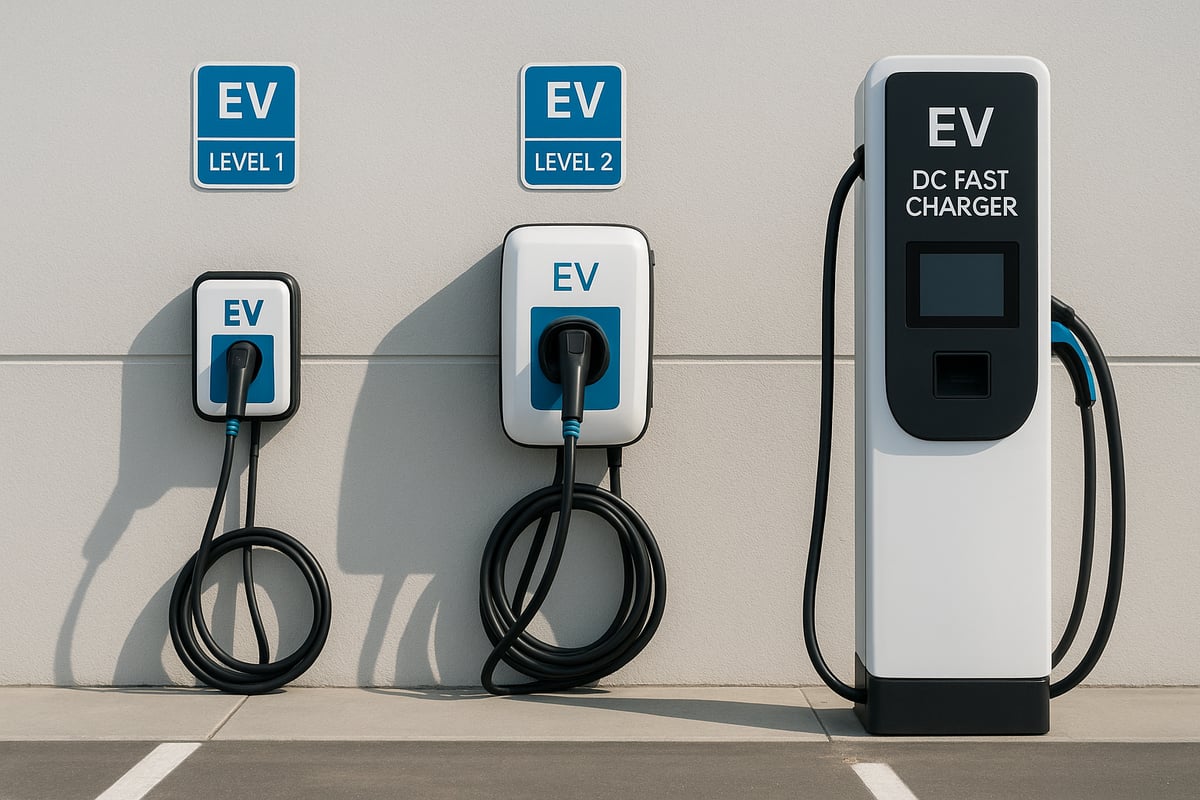
Level 1 electric charger units operate on standard 120V household outlets, making them the simplest entry point for EV charging. They deliver a charging speed of about 2 to 5 miles of range per hour, ideal for plug-in hybrids and drivers with short daily commutes under 40 miles.
Pros:
- Low cost and easy setup
- Typically included with many electric vehicles
- No special installation needed
Cons:
- Slow charging, especially for fully electric vehicles
- Not practical for longer daily travel
For example, a plug-in hybrid left charging overnight with a Level 1 electric charger easily meets the needs of 85% of hybrid owners. This solution is perfect for low-mileage users or those using an EV as a secondary vehicle.
Level 2 Chargers: Enhanced Performance for Home and Business
Level 2 electric charger systems require a 240V dedicated circuit, providing a significant boost in speed—typically 10 to 20 miles of range per hour and up to 50A for rapid charging. This makes them essential for fully electric vehicles and longer daily commutes.
Advantages include:
- Four times faster than Level 1 chargers
- More energy efficient (about 10% higher efficiency)
- Suitable for both home and workplace installations
The higher upfront cost and need for professional installation are offset by convenience and time savings. Charging a 300-mile range EV overnight is easy with a Level 2 electric charger, making this the popular choice for most EV drivers. According to recent projections, Level 2 installations are surging as more homes and businesses embrace EVs. For a comprehensive look at future trends and infrastructure developments, see Global EV Charging Infrastructure Trends 2026.
DC Fast Chargers: Rapid Public Charging
DC fast electric charger stations are high-voltage, commercial-grade solutions designed for quick charging on the go. These chargers can replenish up to 80% of an EV battery in just 30 minutes, making them indispensable for highway corridors and urban commercial locations.
Key highlights:
- Dramatically reduces charging downtime for long-distance travel
- Not intended for residential use due to cost and power requirements
- Example: Topping up at a highway rest stop during a road trip
The number of DC fast electric charger stations is expanding rapidly across North America’s major travel routes. These chargers are now a cornerstone of urban infrastructure and enable EV drivers to travel with confidence.
Smart Chargers and Networked Solutions
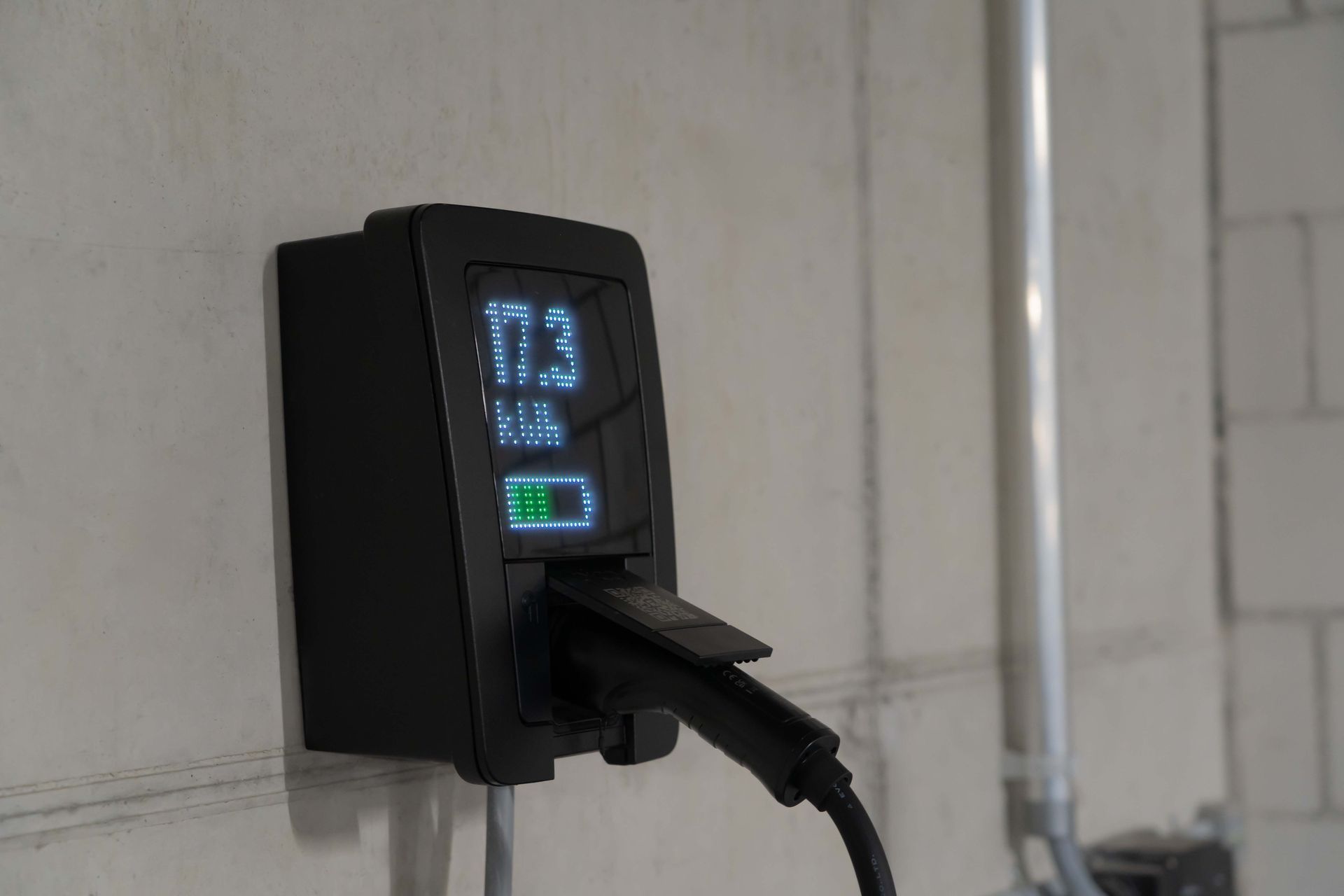
Smart electric charger technology is transforming the charging experience by adding connectivity, app-based controls, and integration with home energy systems. Users can monitor charging remotely, schedule sessions, and optimize for off-peak utility rates.
Benefits:
- Reduces energy costs and supports grid optimization
- Eligible for utility incentives and rebates
- ENERGY STAR certified models offer up to 40% energy savings in standby mode
For instance, scheduling your electric charger to operate during off-peak hours can translate to substantial savings. As of 2026, smart electric charger units are quickly becoming the standard in both residential and commercial settings, making them a wise investment for future-proof charging.
Home Charging: Installation, Safety, and Efficiency
Setting up a home electric charger offers the ultimate convenience for EV owners in 2026. With the right installation, you can recharge overnight, maximize energy savings, and take advantage of new incentives. Let’s explore the process, safety standards, efficiency tips, and how professional installation ensures peace of mind.
Steps to Install a Home EV Charger
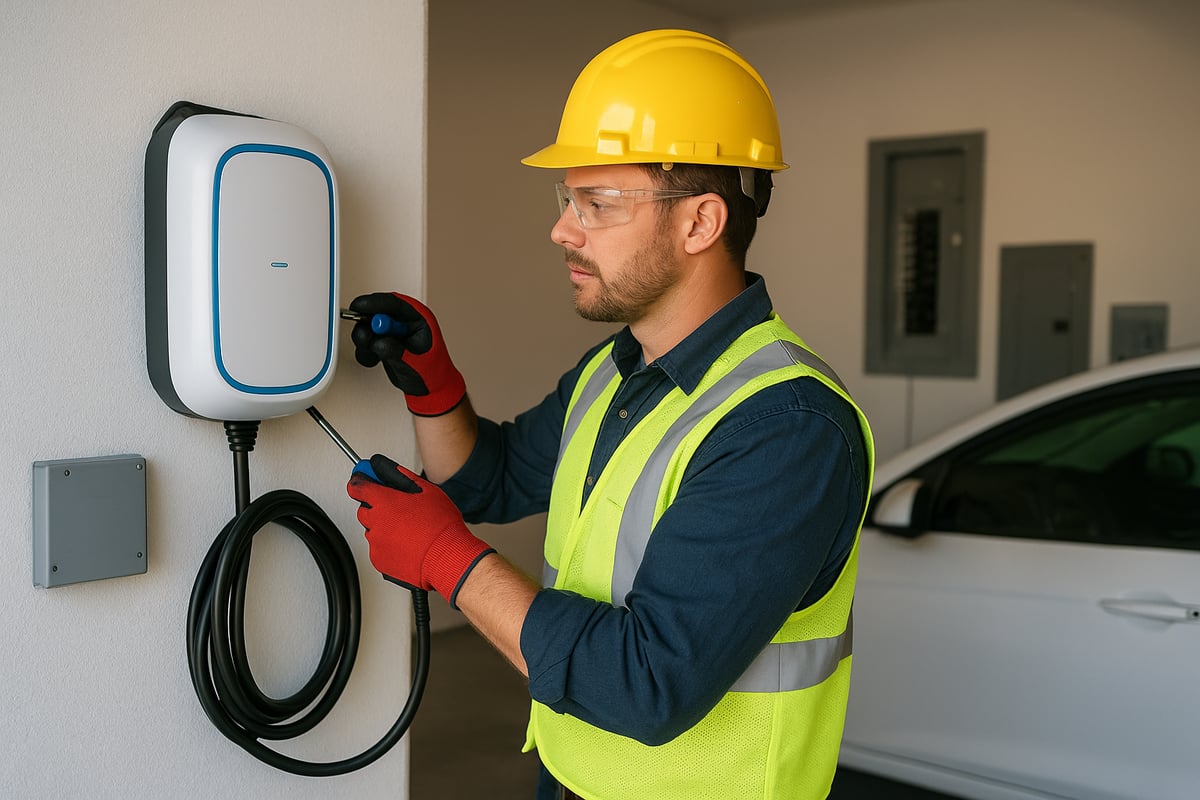
Installing a home electric charger begins with evaluating your electrical system. First, assess your main panel’s capacity to ensure it can support the new load. Next, pick the right charger level for your driving habits. For most daily commuting, a Level 2 electric charger is recommended, thanks to its faster charging speed and efficiency.
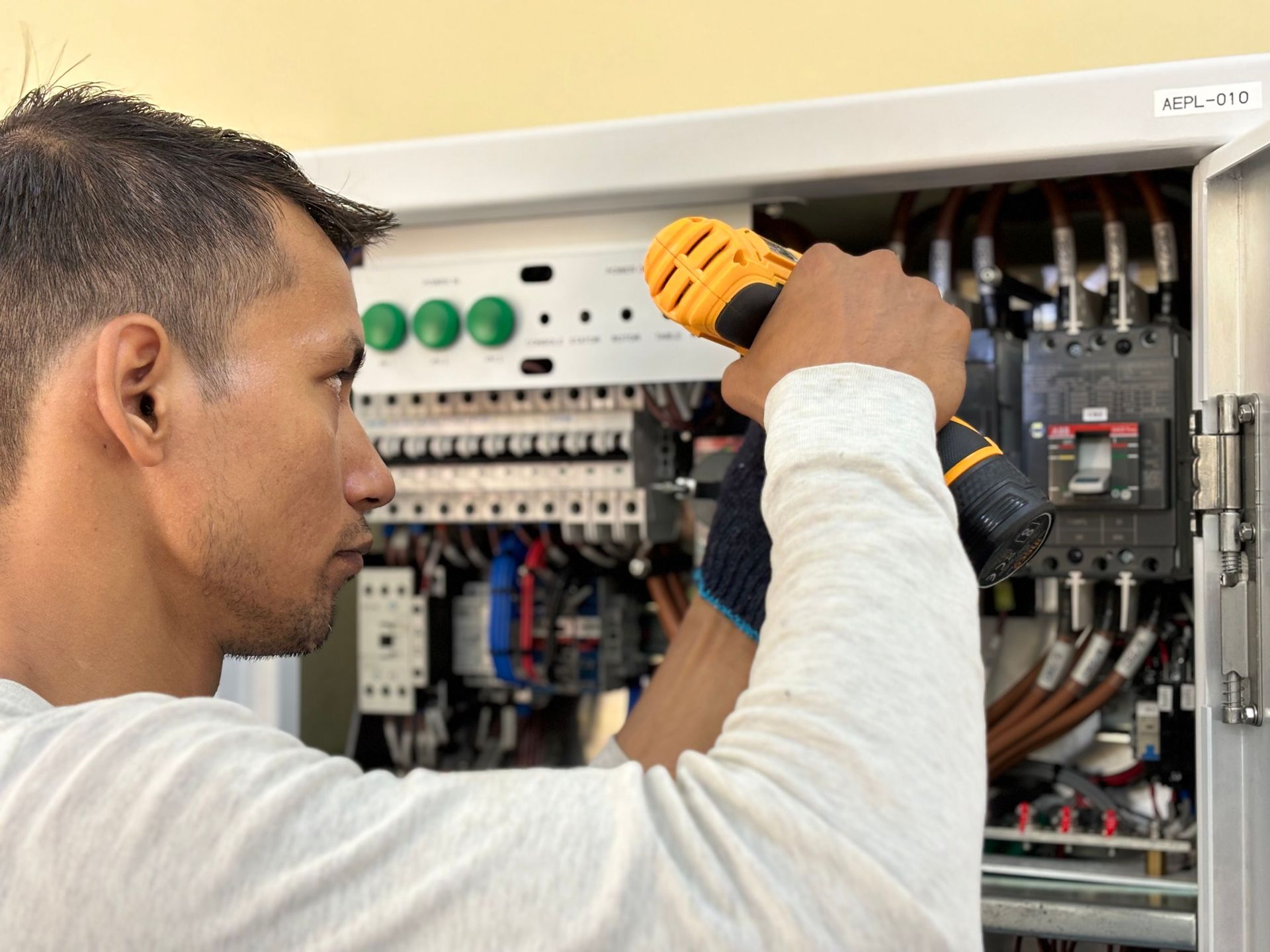
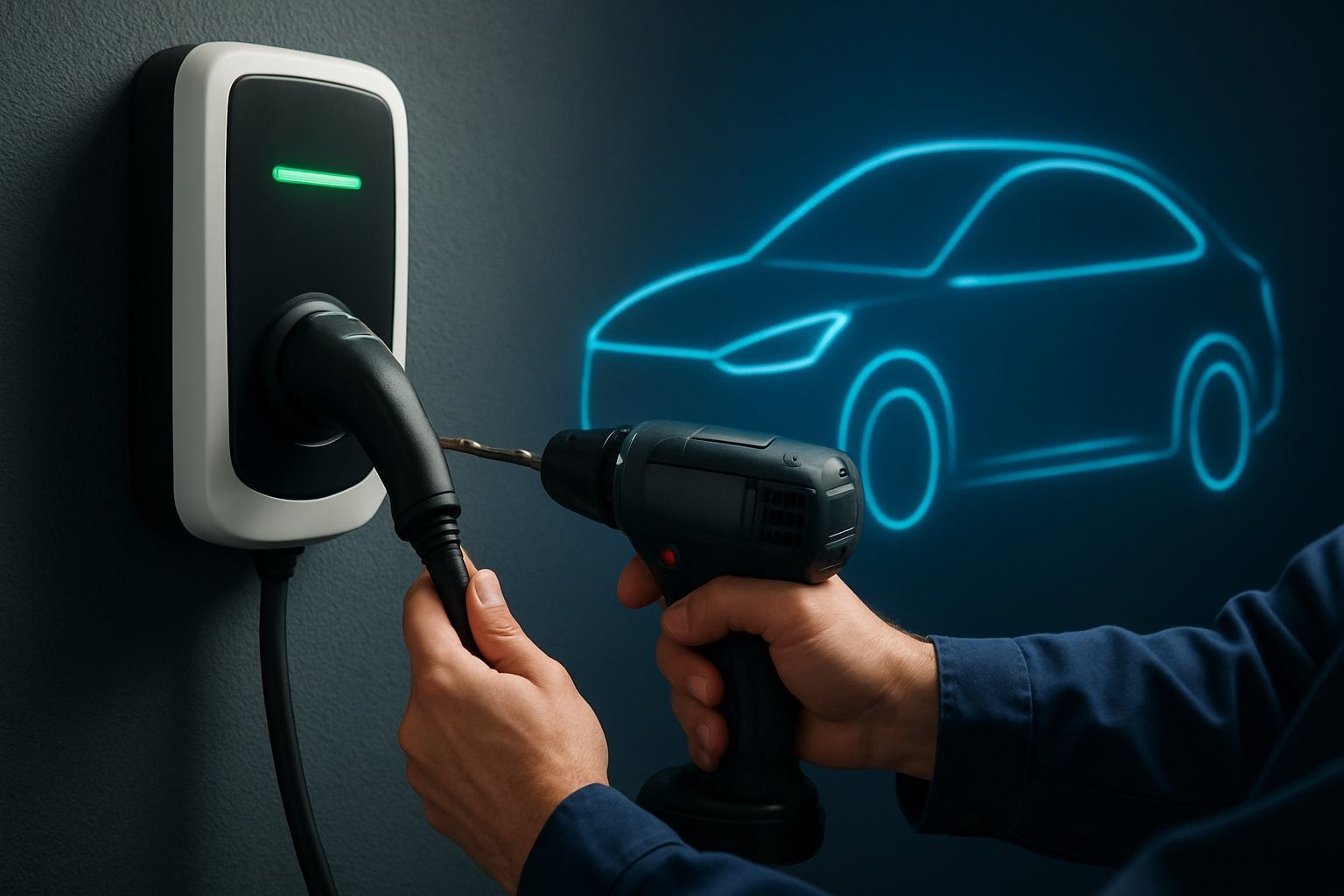
Before installation, always obtain necessary permits and follow local electrical codes. Hiring a licensed electrician is essential for both safety and compliance. The installation process involves setting up a dedicated circuit, mounting the unit, and connecting it to your home’s electrical system. Once installed, your electrician will test and activate the electric charger to confirm everything is working correctly.
For a detailed walkthrough, consult a Home EV charger installation guide to avoid common pitfalls. Upgrading from a Level 1 to a Level 2 electric charger is a common step when purchasing a new EV, providing greater convenience and reliability.
Safety and Certification: What to Look For
Selecting an electric charger with proper safety certification is crucial. Look for products with ENERGY STAR, CSA, or equivalent marks. Certified chargers are tested by accredited labs, ensuring they meet strict safety and performance standards. Using uncertified or counterfeit products can introduce risks like electrical fires or voided insurance.
Many major retailers may unintentionally offer chargers with false safety claims. Always verify certification through official databases or manufacturer documentation before purchase. Choosing a certified electric charger means greater safety for your home and family.
Maximizing Energy Efficiency at Home
Most home electric chargers spend 85 percent of their time in standby mode. ENERGY STAR certified models use up to 40 percent less energy during idle periods, helping reduce utility bills. To increase efficiency, schedule charging during off-peak hours and consider pairing your electric charger with renewable energy sources like solar or wind.
Tips for maximizing efficiency:
- Use smart scheduling features to charge when rates are lowest
- Monitor energy use via connected apps
- Consider green electricity plans for your home
If every electric charger met ENERGY STAR standards, homeowners across Canada could save millions annually. Small steps yield big savings on both costs and emissions.
Incentives and Rebates for Homeowners
Significant financial incentives are available for electric charger installations in 2026. Federal, provincial, and utility programs can cover up to half of your total costs. Eligibility often requires using a certified installer and submitting proof of purchase.
For example, Ontario’s EV charger rebate programs make Level 2 upgrades affordable. The application process typically involves providing installation receipts and charger certification details. Incentives like these can reduce your payback period by up to 40 percent, making the switch to an electric charger a smart financial decision.
EV Charger Installation by Bradcon Electrical Services Inc.
Bradcon Electrical Services Inc. serves Toronto and the GTA as a fully licensed and insured contractor specializing in electric charger installations for both homes and businesses. All work complies with the Canadian Electrical Code, and installations are performed by certified electricians (ESA license #7008326).
Their services include comprehensive site assessments, permitting, professional installation, and ongoing maintenance. Choosing Bradcon ensures your charging setup is reliable, safe, and eligible for rebates or insurance requirements.
Public Charging: Locating, Access, and Payment
Public charging has become a cornerstone of the modern electric charger ecosystem, ensuring that EV drivers can travel with confidence in cities and on highways alike. As electric vehicles become mainstream in 2026, knowing how to locate and use public charging stations is essential for a seamless driving experience.
Finding Public Charging Stations in 2026
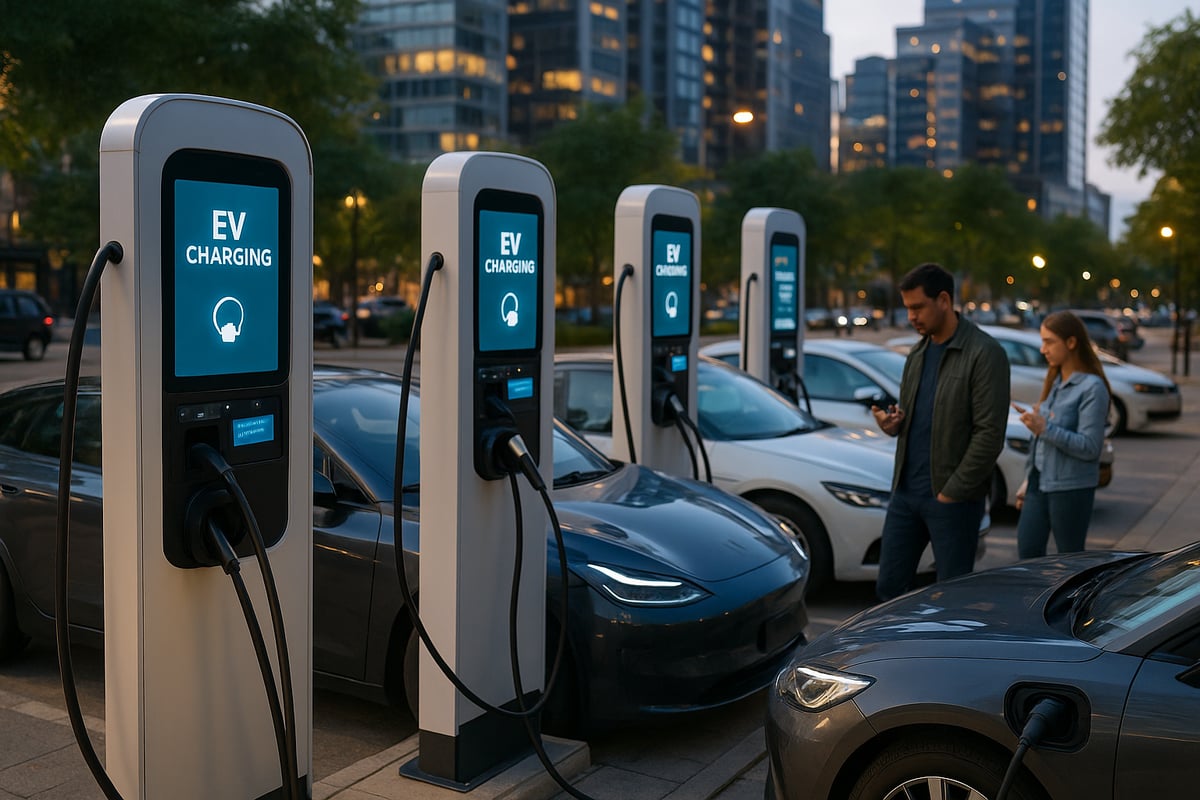
Locating a public electric charger is easier than ever, thanks to robust mobile apps, government station locators, and built-in vehicle navigation. These tools help drivers quickly find available chargers in both urban and rural areas. For instance, government and ENERGY STAR station locators map thousands of new public sites deployed each year.
Network coverage is expanding rapidly, closing gaps in underserved regions. When planning a road trip or daily commute, drivers can rely on real-time updates for charger status and availability. According to the EV Charging Points Market Forecast 2026–2035, North America is witnessing significant growth in public electric charger infrastructure, making accessibility a top priority for planners and governments.
Types of Public Charging and User Experience
Public electric charger stations typically offer Level 2 and DC fast charging options. Level 2 chargers are perfect for longer stops, such as shopping centers or workplaces, providing a steady charge while you go about your day. DC fast chargers, on the other hand, deliver rapid charging—ideal for highway stops or when time is limited.
Connector compatibility is a key consideration, with most new stations supporting multiple plug types for convenience. Many stations now feature amenities like Wi-Fi, rest areas, and food services, enhancing the overall experience. Over 60 percent of new public stations are equipped with DC fast charging, making quick top-ups more accessible for all drivers.
Payment Methods and Access Models
Paying for a public electric charger is now more flexible than ever. Drivers can choose from pay-per-use, subscription plans, or even free charging at select locations. Accessing a charger is streamlined by options such as RFID cards, mobile apps, and contactless credit card payments.
A typical example is seamless payment through a smartphone app, which speeds up the process and reduces wait times. In 2026, 80 percent of public charging stations support contactless payments, reflecting a trend toward greater convenience and inclusivity in the electric charger landscape.
Charging Etiquette and Best Practices
Proper etiquette at a public electric charger ensures fair access for everyone. Drivers should observe posted time limits, promptly unplug and move their vehicle when charging is complete, and avoid occupying spots longer than necessary.
Sharing stations and respecting reserved spaces, especially for those with accessibility needs, is crucial. If issues arise—such as a malfunctioning charger—reporting them helps maintain a reliable network for all. Following these practices benefits the entire EV community and keeps public charging running smoothly.
Accessibility and Equity in Public Charging
Expanding electric charger access to all communities is a priority for policymakers and industry leaders. There are ongoing efforts to install chargers in underserved neighborhoods, multi-family housing, and public spaces, ensuring that all drivers can benefit from the EV revolution.
Government mandates now require a portion of new installations to focus on equity, with 25 percent of new public chargers targeting these areas. By closing the charging gap, the electric charger network becomes more inclusive, supporting widespread EV adoption and environmental goals.
Cost Considerations: Upfront, Ongoing, and Long-Term Savings
Understanding the full cost of owning an electric charger is key to making an informed investment in 2026. Whether you are installing at home or using public infrastructure, knowing what to expect upfront and over time helps you maximize both savings and value.
Upfront Costs: Equipment and Installation
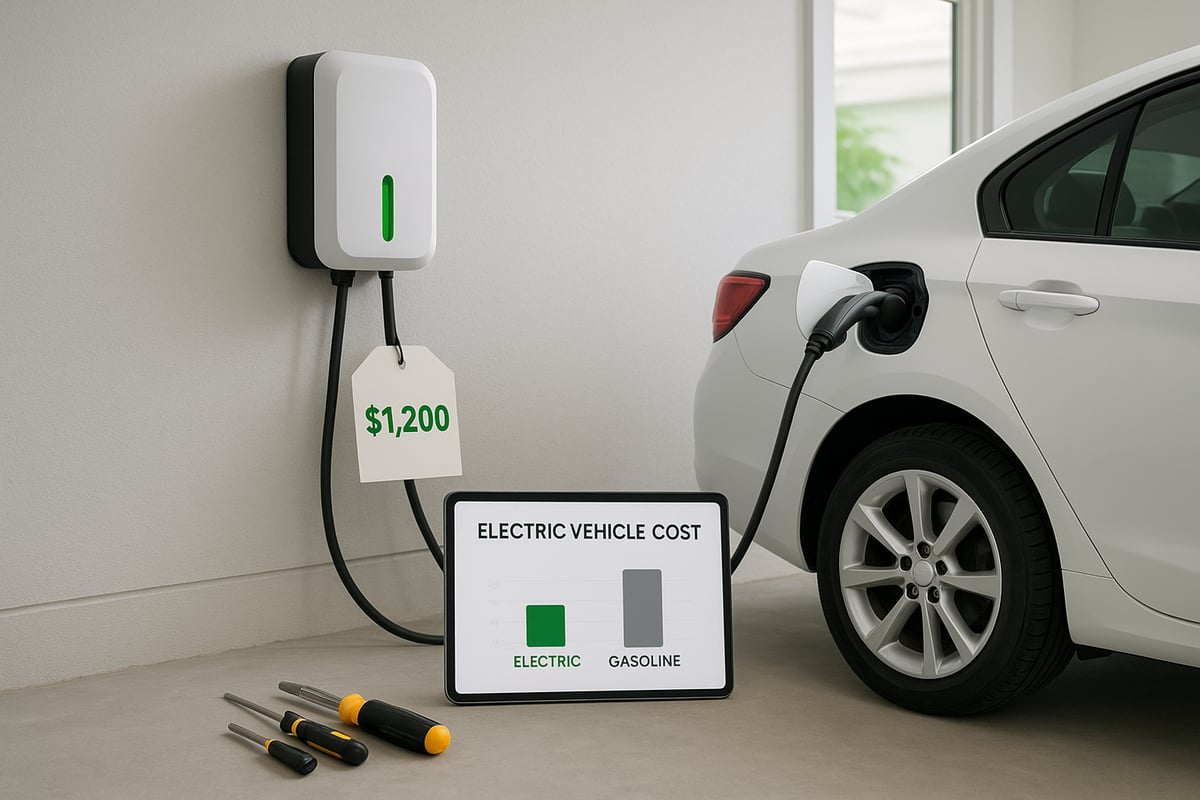
When considering an electric charger, upfront costs include both the device and installation. Level 1 chargers are often included with the vehicle, requiring only a standard outlet. Level 2 chargers range from $500 to $1,200 for equipment, with professional installation typically adding $500 to $1,300, depending on electrical upgrades. DC fast chargers, designed for commercial settings, can cost tens of thousands.
| Charger Level | Equipment Cost | Install Cost | Use Case |
|---|---|---|---|
| Level 1 | Included | Minimal | Hybrids, low use |
| Level 2 | $500–$1,200 | $500–$1,300 | Homes, businesses |
| DC Fast | $10,000+ | $20,000+ | Public, fleets |
For a detailed breakdown of home installation, visit Residential EV charging station installs. Investing in a quality electric charger and professional setup ensures safety, performance, and eligibility for rebates.
Operating Costs: Electricity and Maintenance
The ongoing costs of an electric charger are generally low compared to gasoline fueling. Home charging rates average $0.12–$0.18 per kWh, depending on local utility prices. Public charging may cost more, especially for DC fast charging. Maintenance is minimal, as electric chargers have few moving parts, with most issues resolved through software updates or occasional cable replacements.
- Home charging: $25–$50 per month for typical drivers.
- Public charging: Variable, often higher than home rates.
- Maintenance: Occasional inspections, rare part replacements.
Over time, an electric charger reduces fueling costs and requires less upkeep than traditional fueling systems.
Long-Term Savings and ROI
Investing in an electric charger pays off through significant long-term savings. Compared to gasoline vehicles, EV owners can save over $1,000 annually on fuel alone. With fewer moving parts, electric vehicles and their charging systems require less maintenance, lowering total ownership costs.
For example, over five years, fuel and maintenance savings can offset the initial investment in a Level 2 electric charger. The total cost of ownership for an EV is consistently lower than that of a traditional internal combustion engine vehicle, making the switch financially attractive.
Impact of Incentives and Rebates
In 2026, numerous incentives help offset both upfront and ongoing costs for electric charger installation. Federal, provincial, and utility programs may cover up to 50% of purchase and installation expenses. Many programs allow stacking of rebates, further reducing your payback period by 30–40 percent.
To maximize savings:
- Research available federal, provincial, and local programs.
- Gather required documentation before applying.
- Combine utility rebates with government incentives when possible.
Taking advantage of all eligible incentives can make upgrading to a Level 2 electric charger much more affordable and accelerate your return on investment.
Smart Charging, Energy Management, and Grid Integration
Smart charging has become a cornerstone for every electric charger owner. With advanced features, today’s chargers offer more than just a plug—they help manage energy use, save money, and ensure vehicles are always ready. As we move into 2026, understanding how these innovations fit into your daily life is essential.
Features of Smart EV Chargers
A smart electric charger offers much more than basic charging. These chargers connect to Wi-Fi or Bluetooth, allowing remote monitoring and scheduling through user-friendly apps. Homeowners can set charging times, track usage, and even receive notifications.
Many smart chargers also integrate with home energy management systems, optimizing when to draw power and how much. ENERGY STAR certified models use up to 40% less energy in standby mode. For those interested in maximizing savings and sustainability, energy efficiency tips for homes and businesses can further boost results.
Key benefits of smart chargers include:
- Lower energy costs through scheduled, off-peak charging
- Enhanced safety with built-in diagnostics
- Real-time insights into charging habits
A smart electric charger is quickly becoming the standard for both homes and workplaces.
Utility Programs and Demand Response
Utility programs are evolving to support electric charger owners. Many utilities now offer demand response programs, where your charger can automatically adjust charging times to help balance grid demand. This not only supports grid stability but can also earn you bill credits or discounts.
For example, some programs allow utilities to temporarily pause or slow charging during peak hours, resuming when demand drops. About 15% of EV owners are already enrolled in such programs, helping to avoid blackouts and reduce overall energy costs.
These programs make your electric charger part of a larger solution for energy management. By participating, you contribute to a more resilient grid while enjoying personal savings.
Using Renewable Energy for EV Charging
Pairing your electric charger with renewable energy sources is a powerful way to cut emissions and lower costs. Many homeowners now use solar panels, wind turbines, or green power plans to supply clean electricity for their vehicles.
Charging with renewables can reduce an EV’s lifecycle emissions by up to 70%. Imagine plugging in your car and knowing every mile is powered by the sun or wind. This approach not only benefits the environment but also protects against rising electricity prices.
A well-integrated electric charger and renewable setup can help you achieve near-zero emissions, maximizing your investment in both your vehicle and home energy systems.
Vehicle-to-Grid (V2G) and Future Innovations
Looking ahead, the electric charger is set to play an even larger role through vehicle-to-grid (V2G) technology. V2G enables bidirectional charging, where your EV can supply power back to the grid or your home during outages.
This innovation turns your car into a mobile energy asset. Early V2G pilots have shown promise in stabilizing the grid during high demand. Imagine using your electric charger to keep your lights on during a power outage, or to support your community during peak times.
Future electric charger models will increasingly support V2G, making them essential not just for transportation, but for smarter, more resilient energy systems.
The Future of EV Charging: Trends, Standards, and What’s Next
The electric charger landscape is evolving rapidly as we approach 2026. Technology, policy, and consumer expectations are all accelerating change. Understanding these trends will help you make smart choices, whether you are a homeowner, business, or policy maker.
Advancements in Charging Technology
By 2026, electric charger technology will offer ultra-fast charging, wireless options, and modular stations. Ultra-fast chargers now deliver 350kW or more, making it possible to add 300 kilometers of range in just 10 minutes. This leap means electric vehicles can refuel nearly as quickly as gasoline cars.
Wireless charging is also gaining ground. Drivers can simply park over a charging pad, and energy is transferred automatically. Modular charging stations, which allow for easy upgrades and repairs, support growing demand in both public and private spaces.
Ultra-fast electric charger installations are now common along major highway corridors. These advancements are closing the gap between traditional fueling and EV charging, making long trips more practical.
Evolving Standards and Compatibility
Industry standards are converging to ensure more electric charger compatibility. Universal connectors such as CCS, CHAdeMO, and NACS (Tesla) are increasingly found on new vehicles. In fact, over 90 percent of new EVs will be compatible with CCS by 2026.
This shift means drivers can use a wider range of public charging stations without worrying about connector types. Automakers are responding by equipping vehicles with multiple standard options, making the electric charger experience seamless.
According to the Electric Vehicle Sales and Charging Infrastructure Report, these evolving standards are critical for supporting the next wave of EV adoption and infrastructure build-out.
Charging Infrastructure Expansion and Policy
Public and private investments are fueling a dramatic expansion of electric charger networks. Governments at all levels are allocating billions to develop fast charging corridors in urban and rural areas. Federal and provincial funding is helping to bridge gaps, especially in underserved communities.
This growth is also driven by evolving policies that mandate accessible infrastructure for all. The U.S. Electric Vehicle Charger Market Growth analysis highlights how policy, consumer demand, and technology are working together to accelerate network buildout.
As a result, finding an electric charger—whether at work, home, or on a road trip—is becoming easier and more reliable every year.
Charging for Multi-Unit Residences and Commercial Properties
One of the biggest shifts is the focus on electric charger access for condos, apartments, and workplaces. Shared charging systems are being installed in parking garages and lots, with smart billing and usage tracking.
In 2026, about 40 percent of new charger installations will be in multi-unit dwellings. This expansion ensures residents who do not have private driveways can still benefit from EV ownership.
Commercial properties are also investing in advanced electric charger solutions to attract tenants, employees, and customers. These efforts are essential for making EV charging truly universal.
Environmental Impact and Sustainability
Charging with renewable energy is a top priority for the future of electric charger technology. Many stations are now powered by solar panels or wind energy, reducing carbon emissions even further.
Lifecycle analyses show that EVs charged with 100 percent renewable sources have up to 70 percent lower emissions compared to gasoline vehicles. Recycling programs for charger components and batteries are also expanding, minimizing waste.
The choices you make about your electric charger—such as opting for green power—can amplify the positive environmental impact of your EV.
Consumer Education and Support
As electric charger options multiply, so does the need for clear guidance. Utilities and governments are rolling out workshops, online tools, and step-by-step guides to help new EV owners with installation and use.
About 70 percent of first-time EV buyers seek advice on electric charger selection and setup. Educational campaigns and support services ensure that drivers can transition smoothly, maximizing the benefits of their investment.
Staying informed and engaged will help you make the most of your electric charger and avoid common pitfalls.
Anticipated Challenges and Solutions
Despite rapid progress, the electric charger ecosystem faces challenges. Grid capacity must keep pace with rising demand, especially in rural and remote areas. Charger reliability and uptime are also ongoing concerns.
Innovative solutions are emerging, such as battery storage integration and mobile charging units that can serve areas without permanent infrastructure. The industry is investing heavily in resilience to ensure high availability and performance.
Proactive planning and collaboration among stakeholders will ensure the electric charger network remains robust, accessible, and future-ready.
As you look ahead to 2026 and consider making the switch to an electric vehicle or upgrading your home charging setup, having the right information—and the right team—makes all the difference. From understanding charger types to navigating incentives and ensuring safe installation, you deserve solutions that are reliable, efficient, and tailored to your needs. If you're ready to take the next step toward hassle-free EV charging at home, let us help you get started with expert guidance and a transparent quote. Discover your options and plan confidently by requesting your EV Charger Installation Quote.