Smart Electrician Guide: Expert Tips for Modern Installations 2026
The electrical industry is transforming fast as new technologies and smarter solutions emerge. Both professionals and homeowners are seeking ways to stay ahead of the curve. This guide is designed for the smart electrician, offering expert advice and practical steps for modern installations.
Discover the latest tools, innovative smart systems, up-to-date safety protocols, and energy-efficient upgrades that are shaping the future of electrical work. Learn how to enhance safety and boost efficiency while preparing for tomorrow’s trends. Ready to elevate your skills and projects? Explore actionable insights that set you apart in an ever-evolving field.
The Evolution of the Modern Electrician: Embracing Smart Technology
The role of the smart electrician is rapidly transforming as technology reshapes the trade. What once relied on manual skills now demands digital expertise, adaptability, and a forward-thinking mindset. Today’s professionals must bridge the gap between traditional wiring and a new world of interconnected, intelligent systems.
The Shift from Traditional to Smart Installations
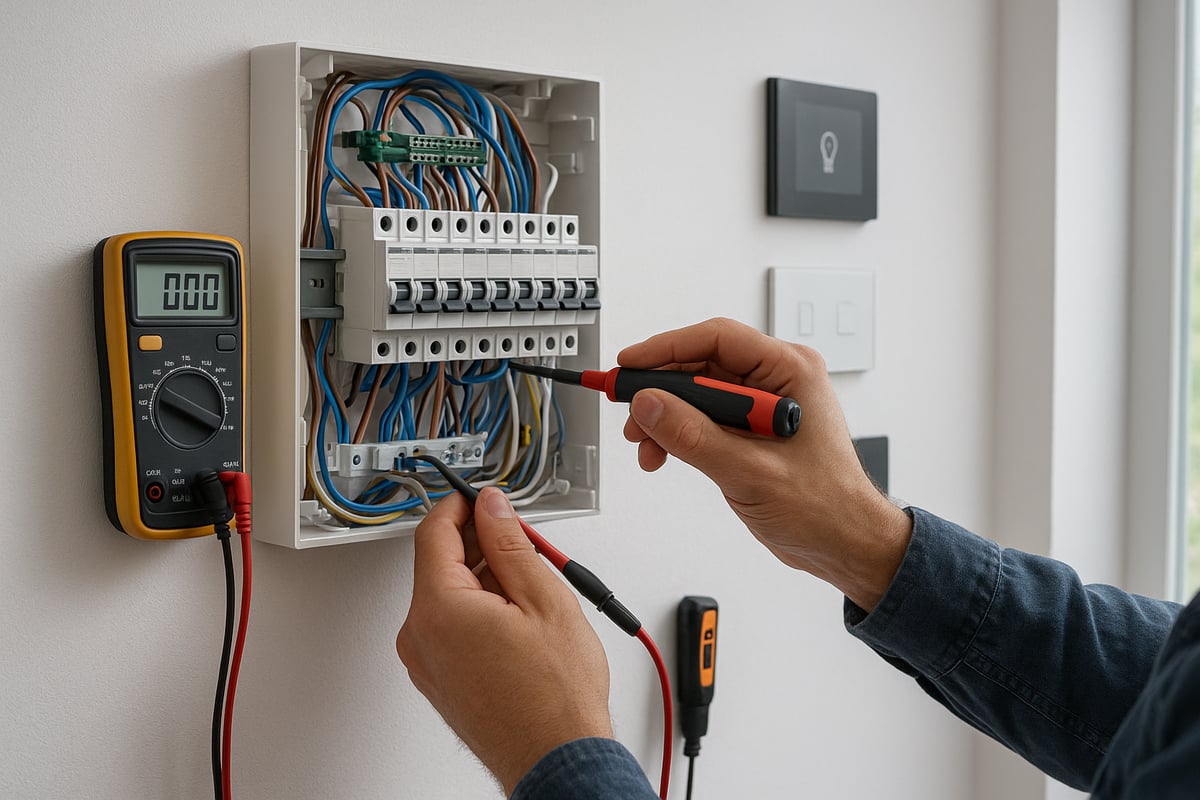
In the past, electrical work involved manual wiring and analog systems. Today, the smart electrician is expected to integrate smart panels, IoT devices, and automation seamlessly into homes and businesses. Customers now seek convenience and energy savings, driving demand for intelligent solutions.
For example, smart lighting controls have become standard in many new builds. These systems allow users to adjust ambiance and efficiency with just a tap or voice command. For a deeper look at how these systems are transforming homes, visit Smart Home Lighting Integration.
The smart electrician must understand both legacy systems and cutting-edge smart tech to deliver results that meet modern expectations.
Essential Smart Tools for Today’s Electrician
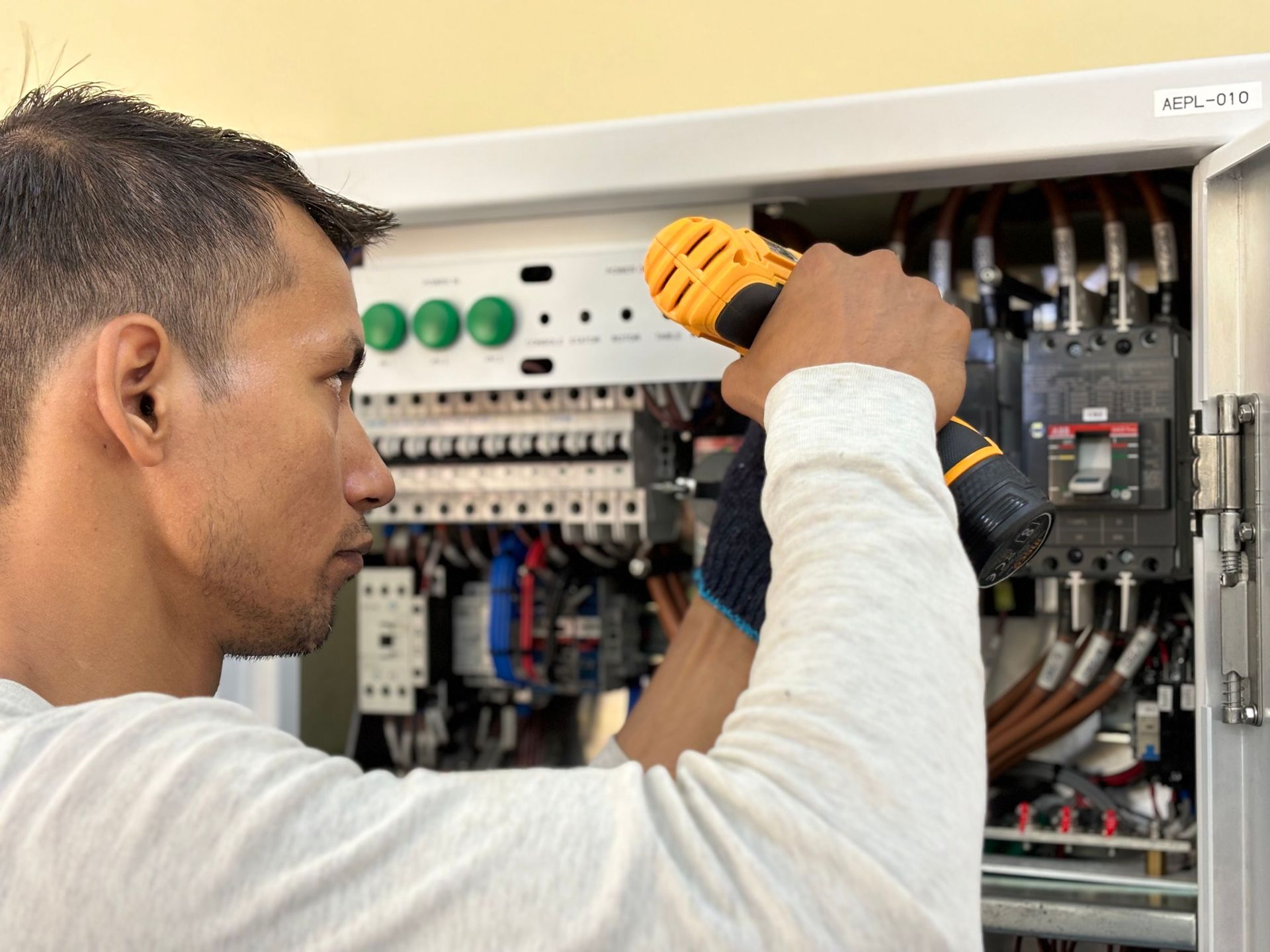
The smart electrician’s toolkit has evolved far beyond the basics. Digital diagnostic tools, smart multimeters, and non-contact voltage testers are now essential for precision and safety. These devices provide real-time data, enabling faster troubleshooting and more accurate readings.
For instance, non-contact voltage testers with LCD displays make circuit checks quick and safe. Smart tools not only enhance efficiency but also reduce the risk of errors, supporting high-quality installations every time.
Staying updated with these tools is crucial for every smart electrician aiming to work efficiently and safely.
Integration of AI and Automation in Electrical Work
AI and automation are revolutionizing how the smart electrician approaches installations and maintenance. AI-powered diagnostics quickly identify faults, while automated scheduling streamlines service calls and routine checks.
Smart circuit breakers can now send real-time alerts to a homeowner’s smartphone, allowing for faster response to potential issues. Remote monitoring tools give the smart electrician the ability to provide preventative care, reducing downtime for clients and minimizing costly repairs.
Embracing AI-driven solutions ensures the smart electrician stays ahead in a competitive market.
The Importance of Continuous Learning and Certification
With technology and electrical codes constantly evolving, the smart electrician must commit to continuous education. Industry best practices, new products, and updated regulations require professionals to stay informed.
Manufacturer training and industry certifications are invaluable. Recent trends show that over 70% of electricians pursue ongoing learning to remain competitive and compliant. The smart electrician who invests in education is better prepared for complex projects and new challenges.
Continuous learning is not just about compliance, it is about providing value and safety to every client.
Key Argument
Electricians willing to embrace smart tools and technology are more competitive, efficient, and in demand than ever before. The smart electrician who adapts to these changes not only meets but exceeds client expectations.
By integrating advanced systems, using digital tools, and committing to lifelong learning, the smart electrician secures a leadership role in the industry. The future belongs to those ready to innovate and guide clients through a rapidly changing landscape.
Step-by-Step Guide to Smart Electrical Installations
Modern electrical work is no longer limited to wiring and outlets. For the smart electrician, every project is an opportunity to deliver advanced technology, energy savings, and seamless integration. This step-by-step guide ensures that every installation is safe, compliant, and future-ready.
Step 1: Pre-Installation Assessment and Planning
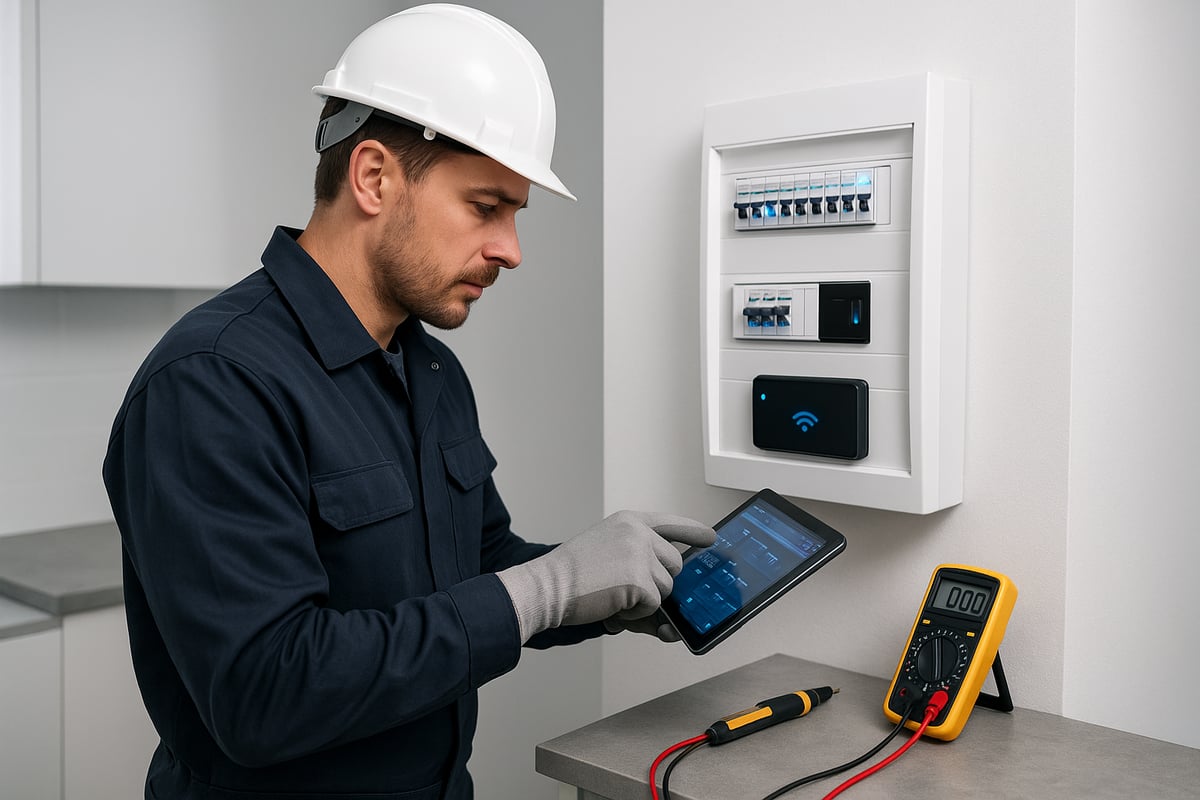
Every successful smart electrician project begins with a thorough assessment. Start by evaluating the site to determine compatibility with smart technologies. Review the current electrical panel and wiring, checking for any signs of wear or limitations.
Next, engage the client in a focused discussion about their needs. Are they looking for automation, enhanced safety, or energy savings? Understanding their priorities allows the smart electrician to tailor solutions effectively.
Finally, document any required upgrades, such as panel replacements or additional circuits, to support new devices. This proactive approach ensures a smooth transition to smart systems.
Step 2: Selecting the Right Smart Devices and Components
With the assessment complete, the smart electrician can identify devices that align with the client’s goals. Key criteria include compatibility with existing systems, scalability for future expansion, energy efficiency, and ease of use.
Here’s a comparison of common smart device protocols:
| Protocol | Range | Reliability | Typical Use |
|---|---|---|---|
| Zigbee | Medium | High | Lighting, sensors |
| Z-Wave | Medium | High | Security, HVAC |
| Wi-Fi | High | Moderate | Cameras, voice control |
Choosing trusted brands with robust customer support is critical. The smart electrician should also consider whether devices can work together through a single hub or app, streamlining user experience.
Step 3: Safe Installation Practices
Safety and compliance are non-negotiable for every smart electrician. Always follow the Canadian Electrical Code (CEC) and local regulations when installing smart panels, outlets, or other devices. Using non-contact voltage testers and circuit identifiers helps prevent accidental shocks and ensures circuits are de-energized before work begins.
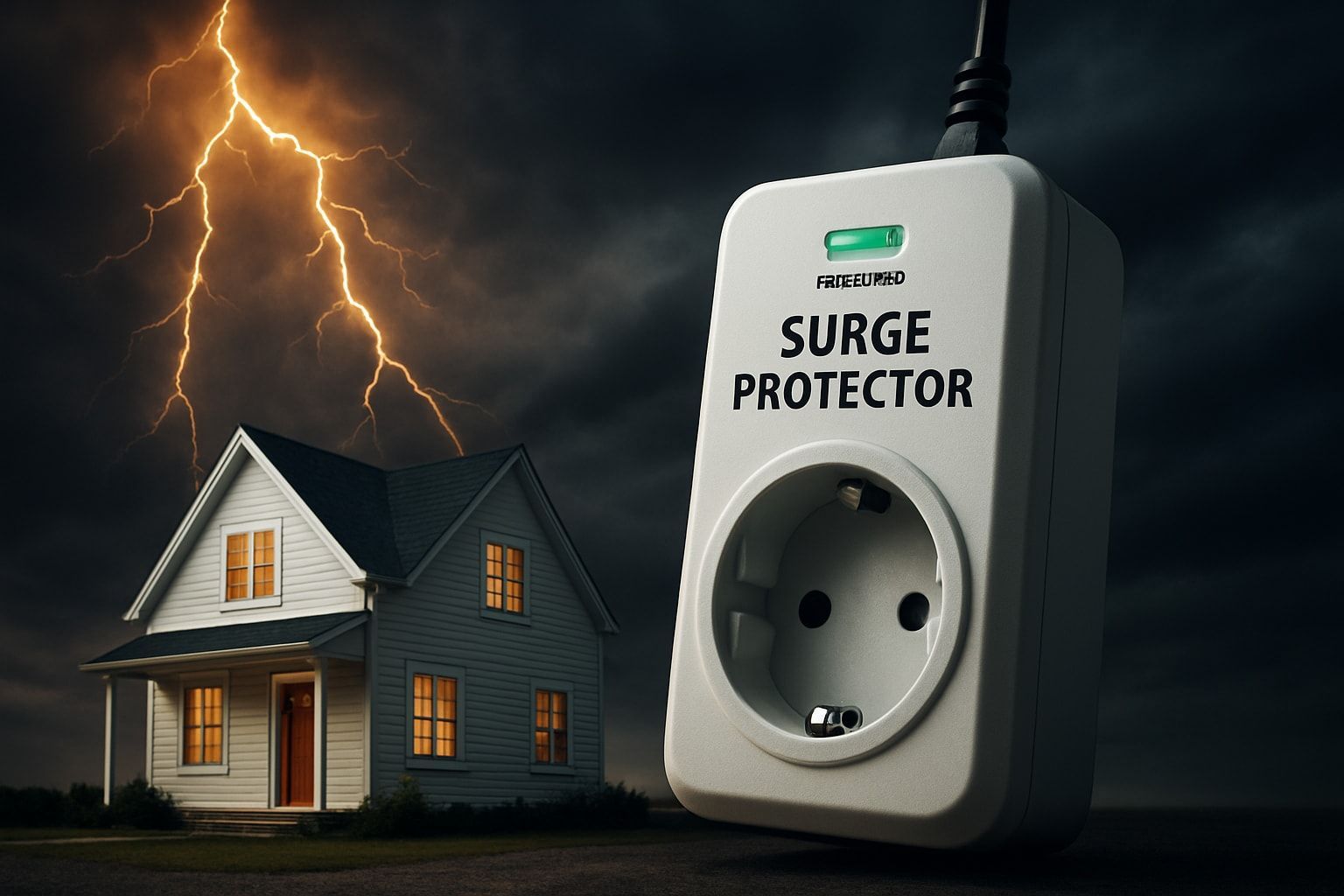
Proper grounding and surge protection are essential, especially for sensitive electronics. For those working in Ontario, staying current with Ontario Electrical Code Compliance is vital, as updates may affect installation methods and required protections.
These practices protect both the client and the reputation of the smart electrician.
Step 4: Configuration and Integration
Once devices are safely installed, the smart electrician focuses on configuration and integration. This includes pairing devices with hubs, mobile apps, or voice assistants like Alexa or Google Assistant.
Integration is key for seamless automation. Lighting, security, and HVAC systems should work together, responding to schedules or occupant preferences. The smart electrician must test all routines and fail-safes to ensure reliability and safety.
Documenting settings and configurations helps with future troubleshooting and supports long-term system performance.
Step 5: Client Education and Handover
A smart electrician’s job is not complete until the client feels confident using their new system. Demonstrate all features, from app controls to automation routines. Provide easy-to-follow user manuals and basic troubleshooting tips.
Schedule a follow-up visit or offer remote support to address any questions. This commitment to education and service builds trust and increases client satisfaction, distinguishing the smart electrician in a competitive market.
Example:
A Toronto homeowner partnered with a smart electrician to upgrade to a smart panel. The result? Energy costs dropped by 15 percent, and the homeowner gained full app-based control over their home’s electrical system.
Key Insight:
Following a step-by-step approach helps the smart electrician ensure safety, compliance, and customer satisfaction at every stage, paving the way for successful, future-proof installations.
Safety Protocols and Compliance in Smart Installations
Adopting advanced technology means the smart electrician must prioritize safety and compliance at every stage. As systems become more interconnected, modern safety protocols are essential to protect clients, properties, and reputations. Staying current with evolving codes and best practices ensures every smart electrician delivers reliable, future-ready installations.
Understanding Updated Electrical Codes for Smart Systems
The regulatory landscape for electrical installations is evolving quickly. The smart electrician must stay informed about new requirements impacting smart outlets, panels, and integrated systems. For example, updated codes now mandate additional AFCI and GFCI protection when installing smart receptacles, directly affecting both residential and commercial projects.
A strong grasp of code changes ensures that every installation meets legal standards. The 2026 National Electrical Code introduces several new provisions for connected devices, energy monitoring, and surge protection. For a comprehensive overview, see NEC 2026 updates: Everything you need to know.
Clients expect the smart electrician to be proactive, not reactive, regarding compliance. This expertise sets professionals apart in a competitive market.
Enhanced Safety Practices with Digital Tools
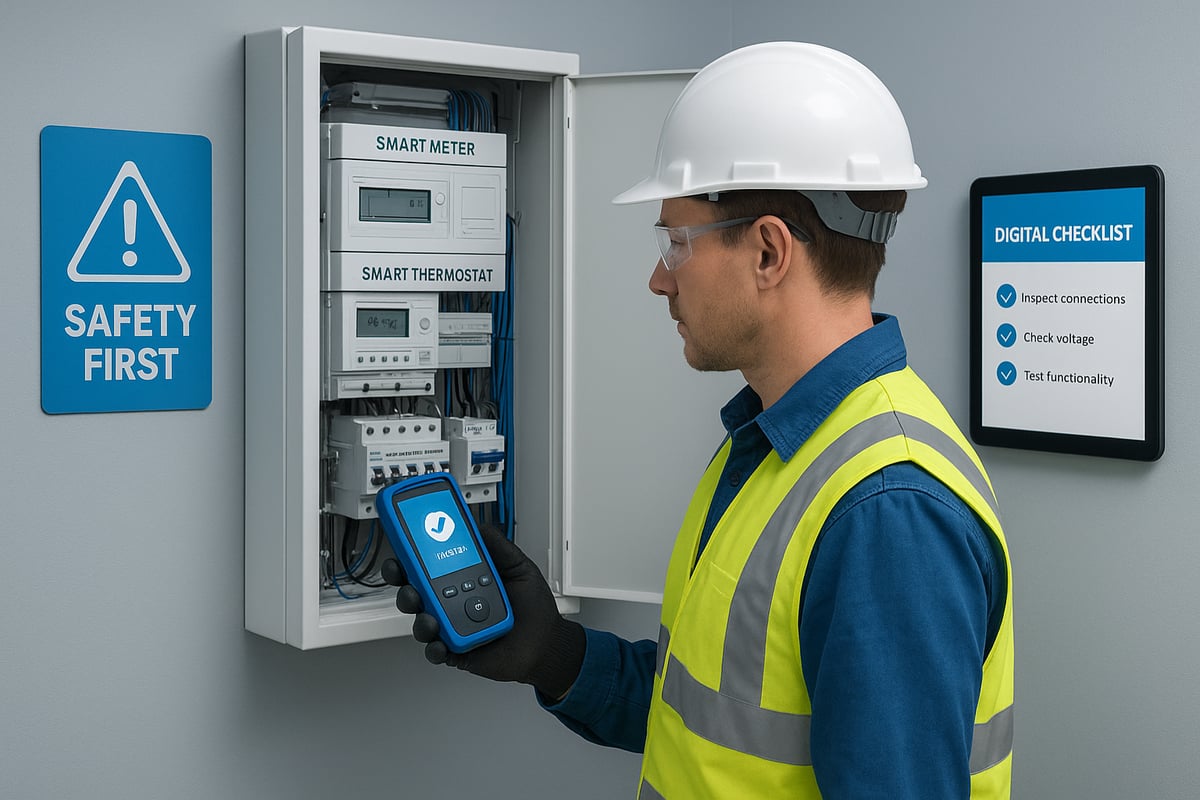
Modern digital tools have transformed the safety protocols of every smart electrician. Non-contact voltage testers, smart multimeters, and digital circuit analyzers help detect faults before energizing circuits. These tools minimize human error and reduce the risk of shocks or equipment damage.
Safety routines now include real-time monitoring for overloads and short circuits. Digital diagnostic apps allow the smart electrician to visualize system health instantly and share findings with clients or inspectors. By leveraging technology, professionals can ensure each smart installation operates safely from day one.
Common safety tools for smart electricians:
- Smart multimeters with data logging
- Non-contact voltage testers with display screens
- Circuit analyzers for arc fault and ground fault detection
Using the right digital tools is not just a convenience, it is a core requirement for a modern, compliant smart electrician.
Managing Risks: Wireless and IoT Security
Connected systems introduce new risks, especially regarding cybersecurity. A smart electrician must address threats like unauthorized access, data breaches, and device hijacking. Adopting best practices in wireless security is essential for client safety and system integrity.
Key strategies for smart electrician security:
- Use strong, unique passwords for all devices and networks
- Update firmware regularly to patch vulnerabilities
- Segment IoT devices on separate network zones to isolate critical systems
Clients trust the smart electrician to safeguard their smart homes and businesses. By applying robust security protocols, professionals protect both data and physical assets, reinforcing their reputation as trusted experts in the field.
Importance of Documentation and Testing
Thorough documentation is a hallmark of a diligent smart electrician. Keeping detailed records of device models, firmware versions, and wiring diagrams simplifies future troubleshooting and upgrades. Digital documentation tools, like cloud-based checklists and compliance apps, help maintain accuracy and accessibility.
Final inspections are now more comprehensive. The smart electrician uses digital checklists to verify code compliance and test every automation routine. This attention to detail ensures installations pass third-party inspections without deficiencies.
Case Study: In a recent commercial project in the GTA, rigorous documentation and digital testing enabled a smart electrician team to achieve a flawless inspection report. This result demonstrates the value of systematic record-keeping and compliance in every smart system deployment.
By prioritizing documentation and testing, the smart electrician not only meets legal requirements but also builds lasting client trust.
Maximizing Energy Efficiency and Sustainability
Adopting sustainable practices is now essential for every smart electrician. As technology and client expectations evolve, energy efficiency is no longer optional—it is a core competitive advantage. By leveraging advanced lighting, monitoring, and data-driven solutions, smart electricians deliver measurable savings and environmental benefits to both homeowners and businesses.
Smart Lighting and Automated Controls
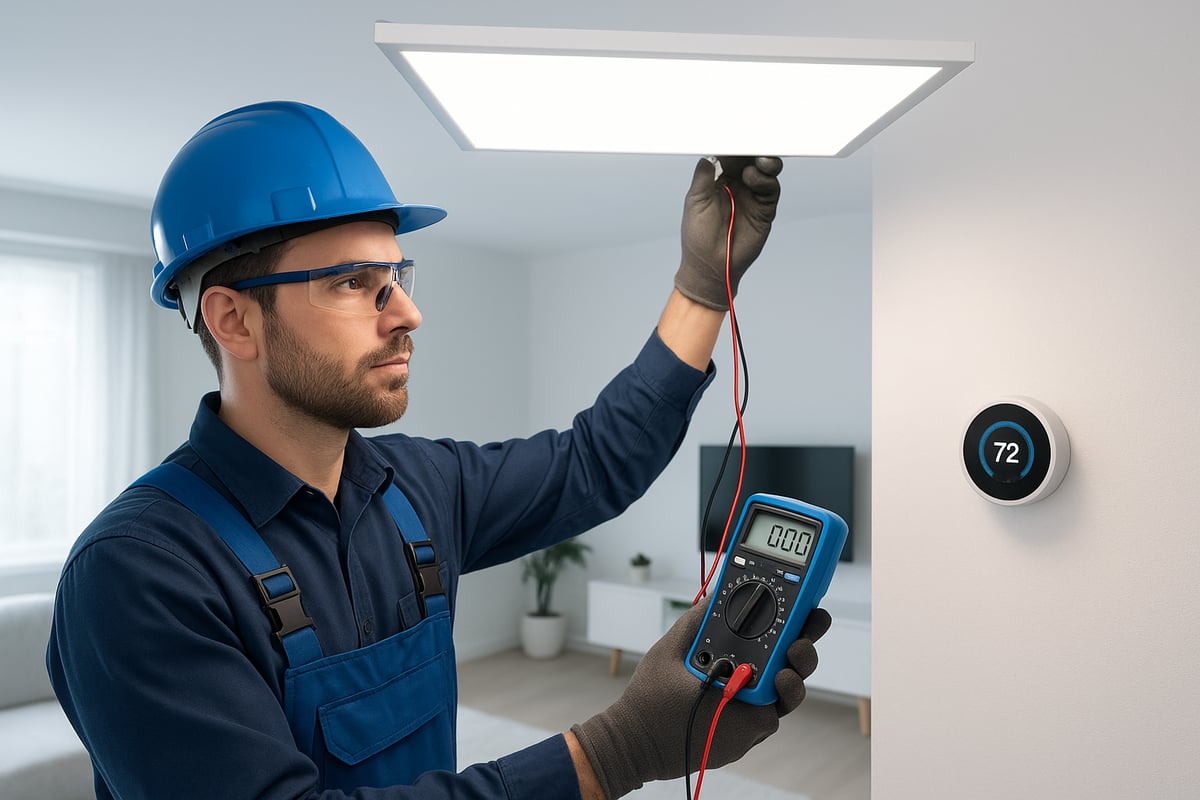
Modern lighting upgrades have transformed the way spaces consume energy. The smart electrician now routinely installs LED fixtures, which use up to 75% less energy than traditional bulbs. Integrating occupancy sensors ensures that lights operate only when needed, reducing unnecessary usage. Daylight harvesting systems further optimize efficiency by adjusting artificial lighting based on available natural light.
Smart lighting solutions can achieve significant savings. For instance, commercial buildings adopting these systems have seen energy use drop by as much as 30%. Automated controls, such as programmable dimmers and remote access via mobile apps, offer both convenience and precision. For more ideas on optimizing lighting, Energy Efficiency Tips for Homes and Businesses provides additional strategies tailored to modern installations.
Advanced Load Management and Monitoring
The smart electrician leverages advanced load management to track and optimize energy consumption. Smart panels and submetering devices allow real-time monitoring of electricity usage across different circuits or zones. This granular data empowers property owners to identify high-demand periods and implement targeted reductions.
Integration with renewable energy sources, such as solar panels or battery storage, is increasingly common. Smart monitoring systems ensure seamless coordination between grid and onsite generation, maximizing self-consumption and minimizing waste. These tools not only improve efficiency but also provide valuable insights that support long-term sustainability goals.
EV Charger and Generator Installations
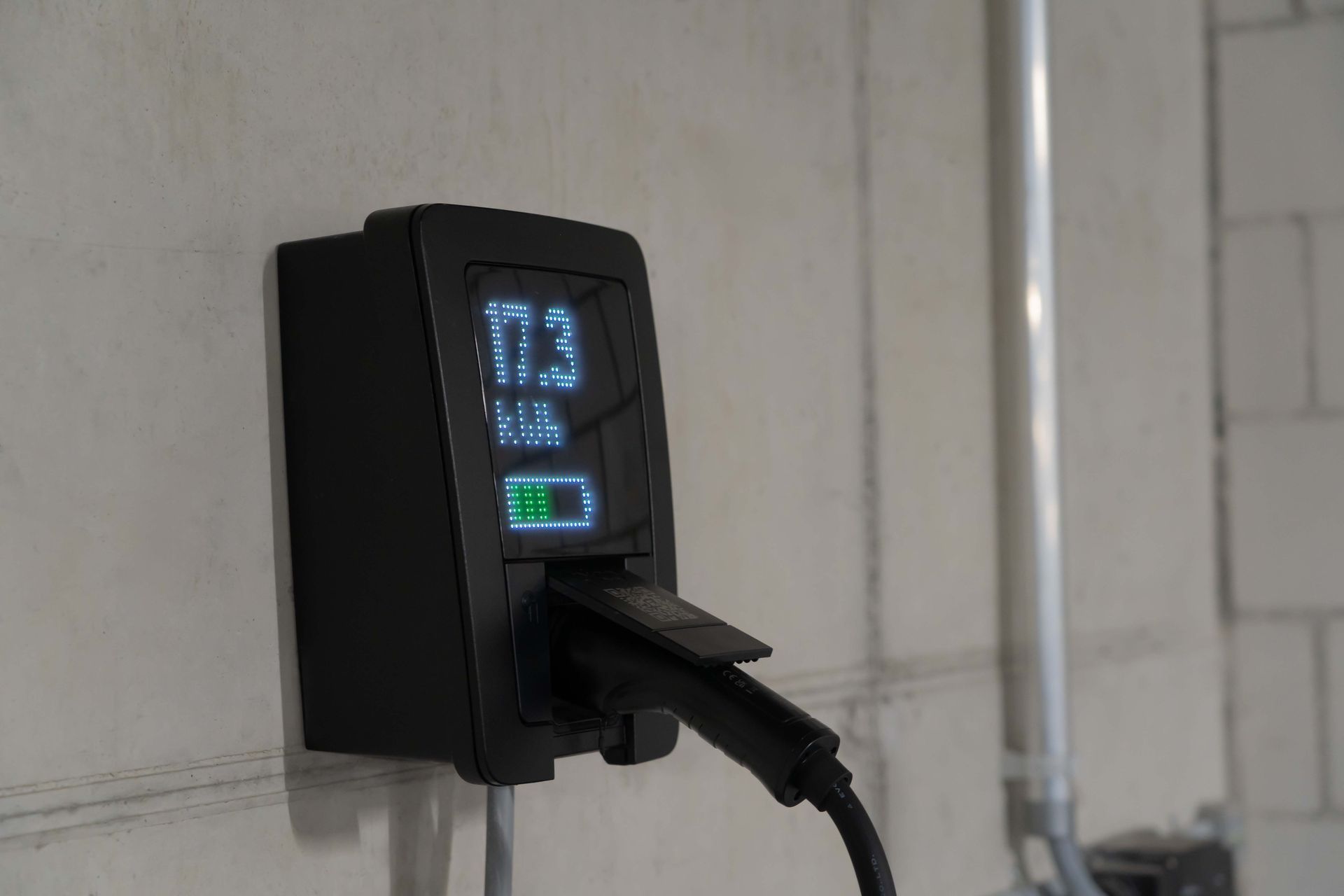
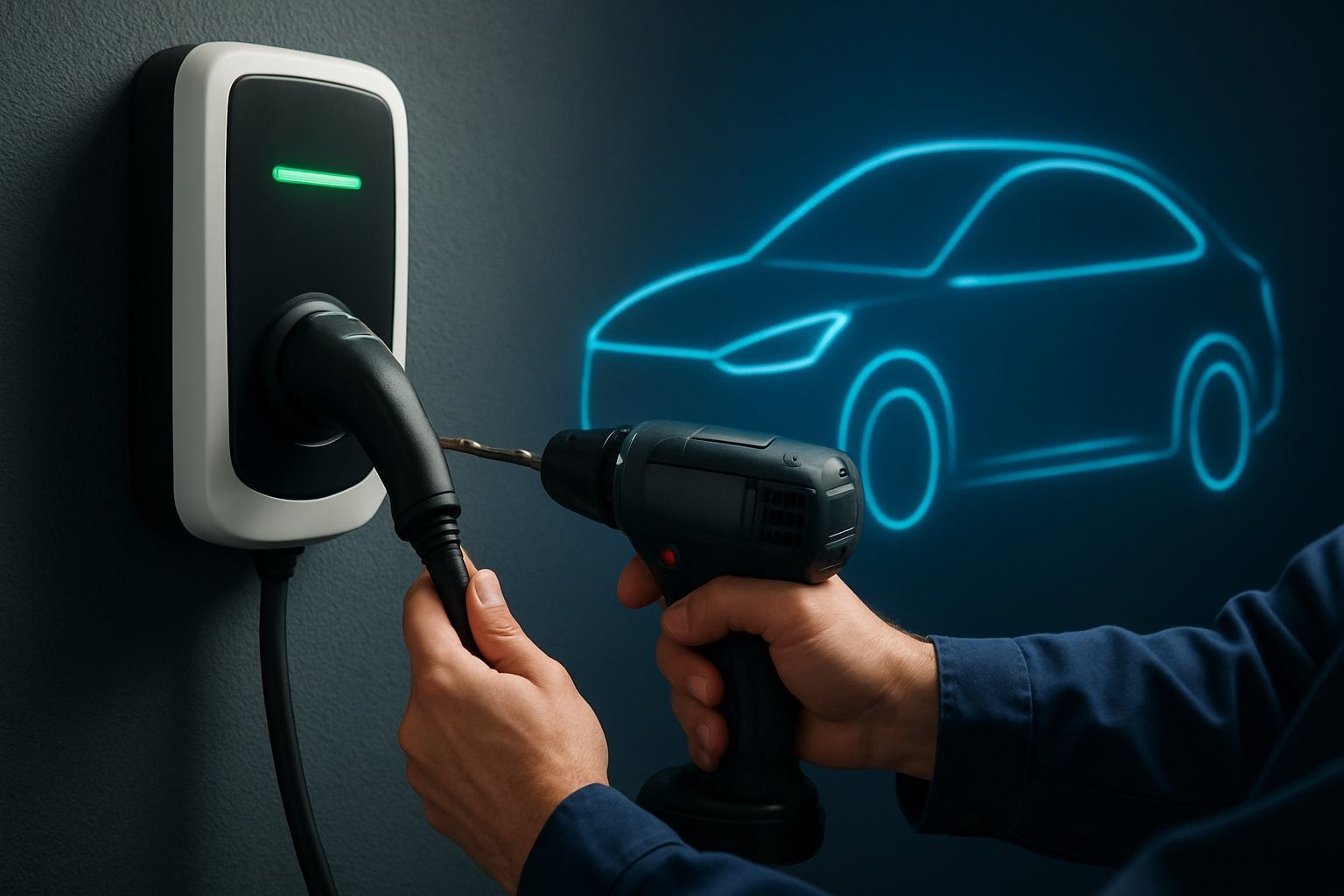
Preparing for the future means planning infrastructure that supports electric vehicles and reliable backup power. The smart electrician evaluates existing electrical systems to ensure safe and efficient integration of Level 2 or Level 3 EV chargers. This includes assessing panel capacity, wiring, and circuit protection.
Generator installations are also evolving. Today’s backup solutions can be tied into smart home platforms, allowing automated switching during outages and remote status checks. By integrating these technologies, the smart electrician ensures clients are equipped for both everyday convenience and unexpected events, all while maintaining energy efficiency.
Data-Driven Insights for Ongoing Savings
Continuous improvement is possible when the smart electrician uses data-driven approaches. Smart panels, sensors, and connected devices generate detailed usage reports each month. These insights highlight peak demand times, abnormal consumption patterns, and areas for further optimization.
Clients benefit from actionable recommendations, such as adjusting schedules for high-energy appliances or identifying underperforming equipment. Over time, this proactive monitoring leads to ongoing savings and a reduced environmental footprint. The smart electrician’s ability to interpret and act on this data sets them apart in a competitive marketplace.
Sustainable installations are more than a trend—they are a defining feature of the smart electrician’s expertise. Those who prioritize energy efficiency and innovation deliver lasting value for their clients and the planet.
Troubleshooting, Maintenance, and Upgrades for Smart Systems
Staying ahead as a smart electrician means mastering troubleshooting and maintenance in dynamic environments. Modern smart systems require proactive care, rapid diagnostics, and ongoing upgrades. Let’s break down the strategies that keep installations running smoothly and clients satisfied.
Proactive Maintenance with Smart Monitoring
Preventive maintenance is the backbone of reliable smart installations. A smart electrician leverages monitoring tools to set up alerts for system faults, battery replacements, or abnormal power usage. This approach helps spot issues before they become emergencies, minimizing downtime.
Modern monitoring platforms allow remote diagnostics. Using these, a smart electrician can check system status from anywhere, review real-time data, and spot trends that might signal future problems. This proactive stance saves time and ensures client peace of mind.
For more on the evolving skill set and daily duties required, see this comprehensive guide on Maintenance Electrician Skills and Duties.
Common Issues in Smart Installations and How to Resolve Them
Even with advanced systems, challenges arise. The smart electrician often faces connectivity problems, such as signal interference or device pairing failures. Quick fixes include checking network strength, relocating hubs, or resetting devices.
Firmware and software updates are another frequent hurdle. Outdated firmware can cause compatibility issues or security risks. Regularly scheduled updates and using manufacturer-recommended procedures help prevent these problems.
For more insights on emerging issues and solutions, review 7 Trends Redefining Buildings & Energy Management in 2026, which highlights how diagnostics and smart upgrades are shaping the field.
Upgrading Legacy Systems to Smart Standards
Many homes and businesses still rely on legacy electrical systems. Upgrading these to smart standards requires careful assessment. A smart electrician evaluates existing infrastructure for compatibility, focusing on wiring, load capacity, and safety.
Compatibility checks help prevent future issues. The smart electrician ensures new smart components integrate seamlessly with older hardware. Safety is paramount, so all upgrades must meet current codes and standards.
Transitioning to smart systems is an opportunity to future-proof properties. Clients benefit from greater control, efficiency, and reliability.
Importance of Ongoing Client Support
Support does not end at installation. A smart electrician offers maintenance packages and remote troubleshooting to address client concerns quickly. Educating users about app updates, security best practices, and system features helps them maximize benefits.
Routine follow-ups build trust and ensure long-term satisfaction. A smart electrician keeps clients informed about new upgrades and potential system enhancements. This approach creates lasting relationships and a reputation for excellence.
Future Trends: The Smart Electrician’s Role in 2026 and Beyond
The electrical industry is transforming rapidly, and the smart electrician is at the forefront of this change. As technology advances, so do the opportunities and responsibilities for professionals in the field. Staying informed about what lies ahead is essential for anyone aiming to remain competitive and trusted.
Emerging Technologies Shaping the Trade
By 2026, the integration of artificial intelligence and robotics will be standard for the smart electrician. Predictive maintenance solutions, powered by machine learning, will help identify issues before they become costly failures. Robotics will assist with repetitive or hazardous tasks, increasing safety and precision.
Smart grids and microgrid integration will expand, allowing real-time energy management and seamless renewable integration. For a deeper look at these advancements, explore 2026 Electrical Construction Trends: Smarter Installations, Stronger Infrastructure, which highlights how innovations like BIM and AI are reshaping the industry.
The Expanding Scope of Electrician Services
The role of the smart electrician is no longer limited to wiring and installation. Clients now expect full integration of smart home and business systems, including lighting, HVAC, security, and energy management. Electricians are increasingly consulting on cybersecurity, ensuring networks and devices are protected from evolving threats.
As automation becomes more prevalent, the smart electrician will also advise on optimizing energy usage and integrating backup power solutions. This broader scope positions professionals as trusted partners in achieving efficiency and safety goals.
Regulatory and Market Trends
New regulations are driving the adoption of smart and energy-efficient systems. Codes now require higher standards for safety, connectivity, and sustainability. The smart electrician must stay updated with these changes to ensure compliance and deliver future-ready solutions.
Market demand for automated, sustainable systems continues to rise. Secure firmware and network integrity are critical, especially as smart grids expand. For more on secure systems, refer to An Efficiency Firmware Verification Framework for Public Key Infrastructure with Smart Grid and Energy Storage System, which discusses essential security practices for modern installations.
The Value of Professionalism and Adaptability
Success for the smart electrician in 2026 hinges on professionalism and adaptability. Clients rely on experts who communicate clearly, offer ongoing education, and guide technology adoption. Continuous learning is key, as new tools and codes emerge regularly.
Being adaptable means embracing new technologies and maintaining a proactive approach to problem-solving. The most successful smart electrician professionals will lead clients into a sustainable, efficient future, ensuring both safety and satisfaction.
As we move into a future where smart technology and energy efficiency are at the forefront of electrical work, it's more important than ever to have a licensed professional you can trust. Whether you’re upgrading to smart panels, integrating the latest automation, or ensuring your home or business meets all safety standards, having an expert on your side makes all the difference. If you’re ready to take the next step toward safer, smarter installations, don’t hesitate to Contact a Licensed Electrician. We’re here to guide you through every stage, from planning to maintenance, with professionalism and care.