The Expert Guide to EV Car Service in 2026
The world of electric vehicles is changing faster than ever, transforming how we drive and how we care for our cars. By 2026, the need for specialized ev car service will be more important and complex as technology advances.
This expert guide brings clarity to the evolving EV landscape. You will learn about the latest innovations, essential maintenance steps, how to select the best service provider, common challenges, and what the future holds for EV care.
Ready to keep your EV safe, efficient, and road-ready? Dive in and discover the expert insights you need for the road ahead.
The Evolving Landscape of EV Technology in 2026
Electric vehicles are advancing rapidly, bringing new challenges and opportunities for ev car service. In 2026, keeping pace with these changes is vital for vehicle longevity and safety. Let us explore the major shifts shaping the EV landscape.
Key Innovations in EV Design and Components
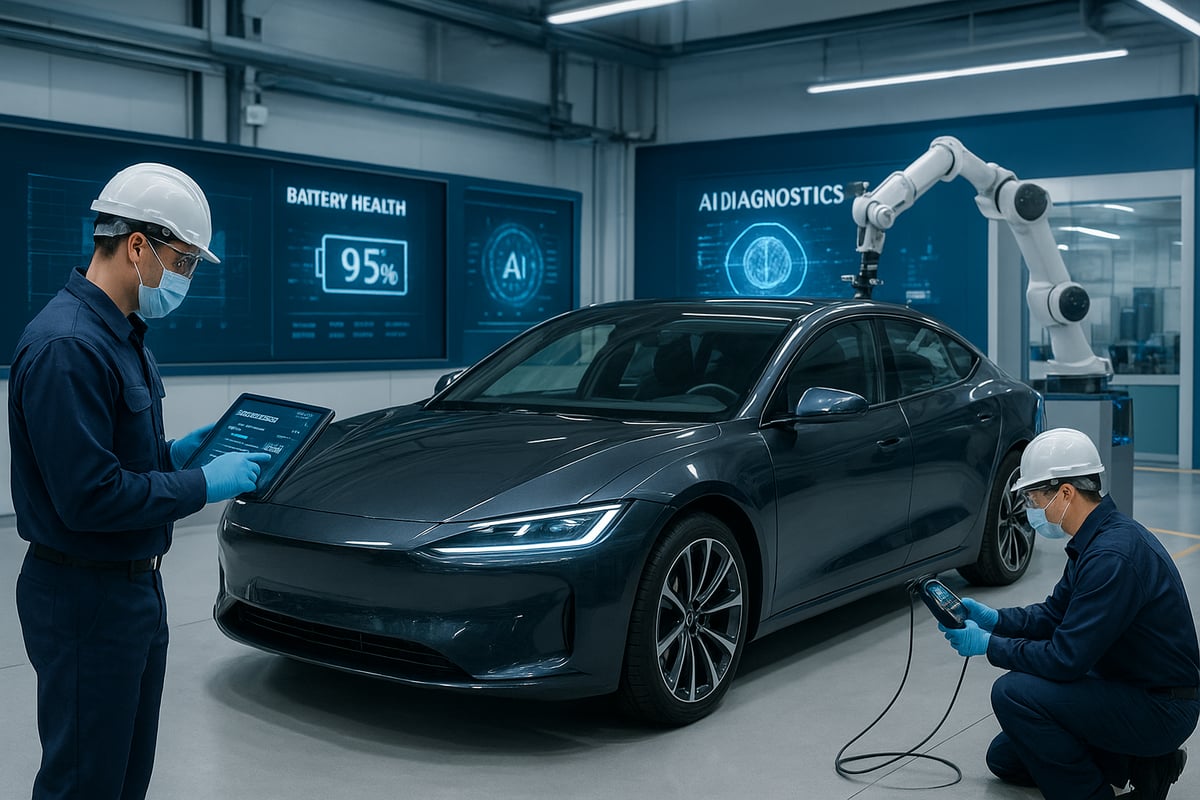
In 2026, solid-state batteries are transforming energy storage, delivering higher capacity and faster charging. Lightweight composite materials now reduce vehicle weight, enhancing range and efficiency. AI-driven diagnostics and over-the-air updates are essential for modern ev car service, allowing technicians to detect and resolve issues remotely.
Rapid charging infrastructure is widespread, making long trips practical and reducing downtime. Extended range capabilities, thanks to improved battery management systems, set a new standard for daily driving. These innovations demand new service techniques.
How EVs Differ From Traditional Vehicles
Unlike internal combustion engine cars, EVs have fewer moving parts, which means ev car service focuses less on mechanical wear and more on complex electronic systems. Oil changes are obsolete, replaced by unique cooling system checks.
Regenerative braking systems are standard, reducing brake wear but requiring specialized inspection. Electronic powertrains provide instant torque, but their complexity means maintenance needs are shifting. Service frequency drops, yet expertise in high-voltage systems is more important.
Regulatory and Safety Standards
By 2026, EV safety regulations have grown stricter in North America and worldwide. The Canadian Electrical Code (CEC) now includes updated requirements for EV infrastructure, directly affecting ev car service protocols.
Global compliance rates have improved as more countries adopt unified standards. Statistics reveal a significant rise in regulatory enforcement, reflecting the push for safer, more reliable EVs. Technicians must stay current on evolving codes to maintain compliance.
Market Growth and Consumer Adoption
The EV market is set for explosive growth, with projections indicating over 100 million vehicles on the road by 2026. According to Gartner forecasts 116 million EVs by 2026, this surge is reshaping consumer expectations for ev car service.
Major automakers are making bold electrification commitments, investing in service networks and training. Consumers now expect fast, reliable maintenance tailored to their vehicles’ needs. These shifts are driving innovation in service delivery and infrastructure.
The Role of Connected Services
Telematics and remote diagnostics are integral to ev car service today. Predictive maintenance platforms use real-time data to anticipate issues before failures occur, reducing downtime and repair costs.
Connectivity has changed service intervals, with some vehicles scheduling maintenance automatically. Case studies show that connected maintenance platforms are enhancing customer satisfaction by providing transparency and convenience. This digital integration is setting new benchmarks for EV ownership.
Essential Steps for Servicing an EV in 2026
Performing ev car service in 2026 requires a systematic approach, leveraging advanced technology and industry best practices. Each step is crucial for ensuring safety, efficiency, and longevity of your electric vehicle. Let us break down the essential procedures that define professional ev car service today.
Step 1: Advanced Diagnostics and Software Updates
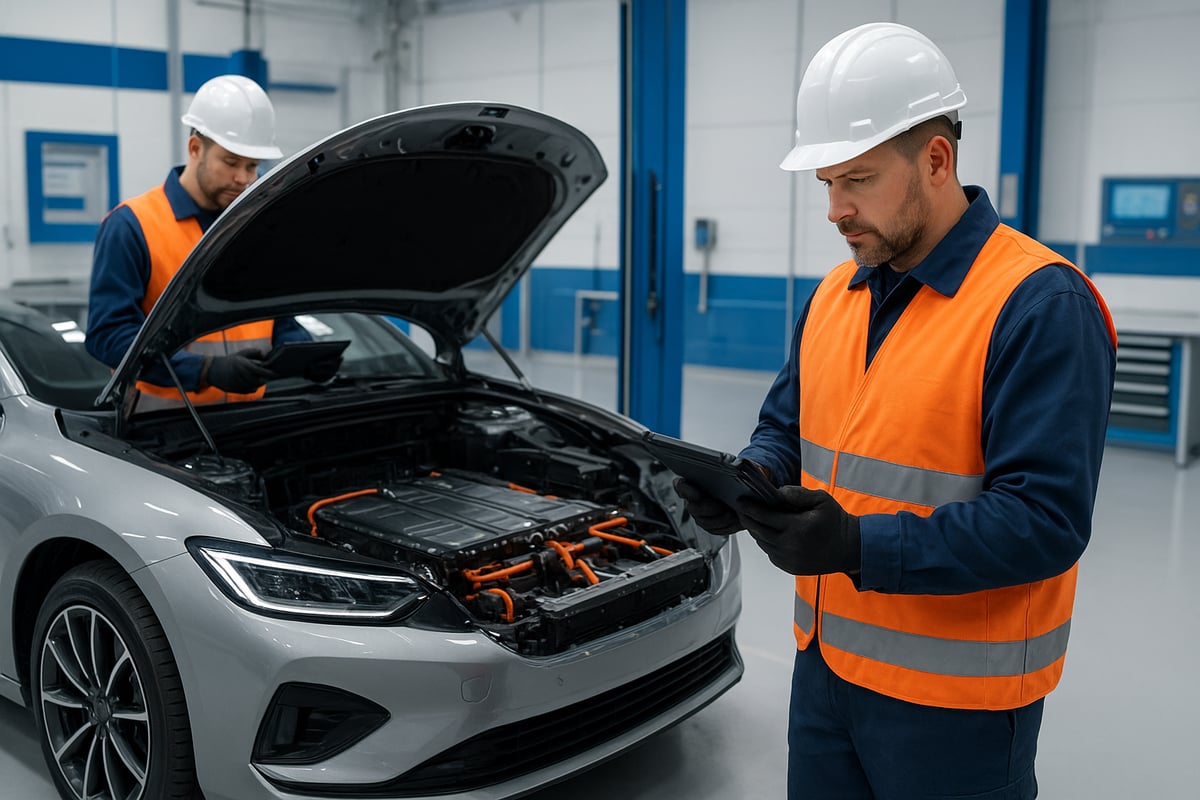
The first step in ev car service is comprehensive diagnostics. Technicians now use AI-powered tools to quickly pinpoint faults across electronic and mechanical systems. These platforms analyze real-time data and historical trends, allowing for targeted repairs.
Over-the-air software updates are central to maintaining peak performance and safety. Manufacturers release updates to improve battery management, enhance driving dynamics, or patch security vulnerabilities. Ignoring these updates can compromise your EV’s reliability.
Industry leaders are investing in diagnostic platforms that integrate directly with vehicle telematics. This ensures that every ev car service starts with the latest information and actionable insights.
Step 2: Battery Health Assessment and Maintenance
A core part of ev car service is evaluating battery health. Technicians conduct capacity tests, thermal management checks, and inspect for signs of degradation. These procedures help predict remaining battery life and prevent unexpected failures.
Deciding between battery replacement or reconditioning depends on diagnostic results. Reconditioning can extend battery lifespan and reduce costs, while replacement is reserved for severe degradation. Advances in battery chemistry have improved average lifespans, with many EVs now exceeding 400,000 kilometers before major maintenance is needed.
Staying proactive with battery care is vital for reliable ev car service outcomes.
Step 3: Powertrain and Motor System Checks
A thorough ev car service includes inspecting electric motors, inverters, and reduction gears. These components are essential for smooth and efficient operation. Technicians look for abnormal noises, overheating, or firmware inconsistencies.
Preventive maintenance strategies involve regular firmware updates for motor controllers and visual inspections for wear. Addressing issues early can prevent costly repairs and extend component life.
For example, a simple firmware update may resolve efficiency losses or address minor faults. Every ev car service should prioritize these checks for optimal performance.
Step 4: Brake System and Regenerative Braking Service
EV brakes differ from traditional systems due to regenerative braking, which reduces wear but introduces unique service needs. During ev car service, technicians examine brake pads for uneven wear and test electronic calibration.
Brake fluid condition and system diagnostics are also critical. Regenerative systems extend brake life, with statistics showing EV brakes often outlasting those on internal combustion vehicles by up to 50 percent.
Routine brake inspections ensure both safety and efficiency, making this step a cornerstone of comprehensive ev car service.
Step 5: High-Voltage System Safety Protocols
Safety is paramount in ev car service, especially with high-voltage components. Trained technicians follow strict procedures, including isolating power sources and using specialized personal protective equipment.
Certification and adherence to electrical codes are essential to minimize risks. For readers in Ontario, staying informed about evolving standards is key, as outlined in the Ontario Electrical Code compliance guide.
Documented protocols and ongoing technician training help prevent incidents, making this an indispensable part of every ev car service.
Step 6: Cooling and Thermal Management Systems
Thermal management is a vital step in ev car service. Modern EVs rely on liquid cooling systems to regulate battery and electronics temperatures. Technicians check coolant levels, inspect for leaks, and assess system integrity.
Warning signs of cooling issues include dashboard alerts or reduced vehicle performance. Upgraded thermal management systems in 2026 models offer improved reliability, but regular service remains crucial.
By prioritizing cooling system maintenance, ev car service providers help prevent costly damage and support long-term EV health.
Choosing the Right EV Service Provider in 2026
Selecting a qualified provider for ev car service in 2026 is critical to ensuring your vehicle’s safety, longevity, and performance. The right partner will demonstrate expertise, use advanced tools, and deliver a seamless experience that matches the evolving needs of modern EV owners.
Certification and Training Standards
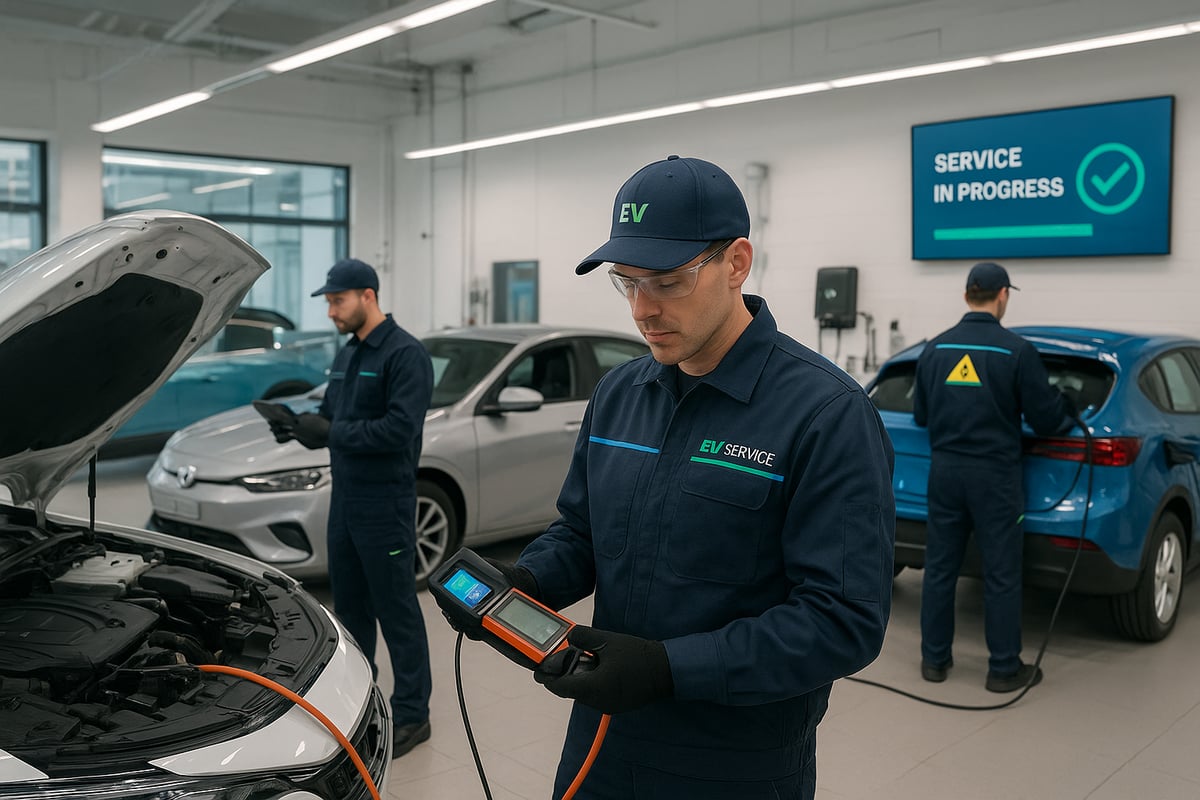
The cornerstone of reliable ev car service is technician certification. In 2026, both manufacturer-backed and third-party credentials are essential to ensure safety and compliance. Technicians must undergo rigorous training, covering high-voltage systems, software diagnostics, and evolving battery technologies.
Canadian regulations require ongoing certification updates as technology advances. According to IMR's 2025 update on EV and hybrid vehicle trends, the number of certified EV technicians is steadily rising, reflecting the industry's commitment to readiness. When choosing a provider, always verify technician qualifications and commitment to continuous learning.
Specialized Equipment and Facility Requirements
An advanced ev car service center must be equipped with specialized diagnostic tools, battery testing stations, and high-voltage isolation zones. Facilities should prioritize technician safety, with clear protocols for handling batteries and electronic systems.
Look for centers with purpose-built infrastructure: insulated flooring, advanced ventilation, and emergency response systems. Leading providers invest in the latest technology to handle complex repairs and ensure precise diagnostics. This infrastructure not only safeguards employees but also ensures your vehicle receives the most accurate and efficient service available.
Service Packages and Warranties
When evaluating ev car service options, compare the variety of maintenance packages and warranty coverage available. In 2026, service providers typically offer tiered plans, including routine inspections, battery health monitoring, and extended drivetrain warranties.
| Package Type | Coverage Details | Typical Duration |
|---|---|---|
| Basic | Inspections, software updates | 1 year |
| Comprehensive | Battery, drivetrain, brakes | 3-5 years |
| Premium | All-inclusive, roadside assist | 5+ years |
Consider whether the provider is OEM-affiliated or independent. OEM service centers may offer exclusive warranty extensions, while independents often provide flexible, cost-effective plans tailored to your needs.
Customer Experience and Digital Integration
Modern ev car service providers excel in digital integration, offering online appointment scheduling, real-time status updates, and digital service records. Many centers now deploy mobile service units, bringing maintenance directly to your location and minimizing downtime.
Remote diagnostics and telematics enable technicians to resolve minor issues without an in-person visit. A streamlined digital experience not only saves time but also builds trust. Look for providers that leverage technology to enhance transparency and keep you informed at every step of the process.
Evaluating Reputation and Reviews
Before committing to any ev car service provider, assess their reputation through verified customer reviews and industry ratings. Reliable feedback highlights strengths and exposes potential issues in customer care or technical proficiency.
Leading service centers actively seek reviews and use them to drive improvements. Positive feedback signals consistent, high-quality service, while patterns of unresolved complaints are red flags. Remember, a provider’s reputation is often the best indicator of the experience you can expect.
Common Challenges and Solutions in EV Car Service
Electric vehicles are changing the way we approach car maintenance, but new technology brings new hurdles. Understanding the most common challenges in ev car service helps owners and service providers keep vehicles safe, efficient, and reliable. Here are the top issues faced in 2026, along with practical solutions.
Battery Degradation and Replacement Logistics
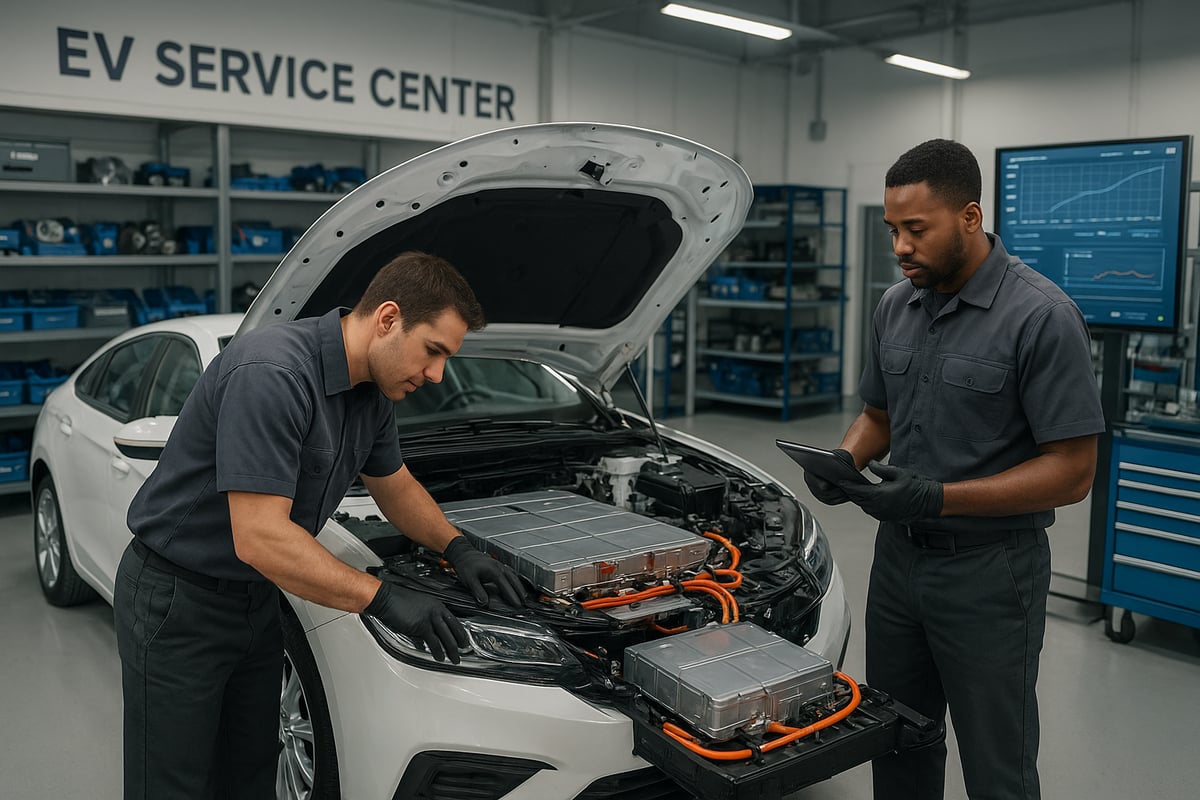
Battery health remains a cornerstone of ev car service. Over time, high temperatures, fast charging, and deep discharges can degrade battery cells, reducing range and reliability. In 2026, advanced battery management systems help slow this process, but replacement is sometimes inevitable.
Service centers now use specialized equipment to test battery capacity and thermal stability. When replacement is required, efficient logistics for recycling and safe disposal are crucial. According to the World Economic Forum on accelerating the EV revolution, global efforts are streamlining battery recycling and reuse, easing environmental concerns and supply chain pressure.
Statistics show that replacement rates are declining as battery technology improves, but proactive monitoring during ev car service is still vital.
Software Compatibility and Update Issues
EVs are powered by complex software controlling everything from battery management to infotainment. Problems can arise during over-the-air updates if software is incompatible or interrupted, leading to system malfunctions or loss of features.
To address this, service providers use robust diagnostic platforms to verify software integrity before and after updates. In some cases, failed updates have led to manufacturer recalls. Owners are encouraged to schedule regular ev car service checks to ensure all systems are up to date and functioning correctly.
Support channels, including remote diagnostics, are expanding to resolve software issues quickly and minimize downtime for drivers.
Parts Availability and Supply Chain Constraints
Securing the right parts for ev car service can be challenging as demand grows and new models enter the market. Global supply chain disruptions, such as material shortages or shipping delays, may extend service timelines.
Service centers are investing in predictive inventory management and building stronger relationships with suppliers. Some are collaborating with automakers to prioritize critical components for high-demand repairs.
Recent data indicates that parts inventory for EVs is stabilizing as the industry matures, but flexibility and planning remain essential for timely ev car service.
Training Gaps and Technician Shortages
The rapid evolution of electric vehicle technology has outpaced technician training in some regions. Skilled professionals are essential for safe, effective ev car service, especially when handling high-voltage systems.
To close this gap, industry partnerships and certification programs are expanding. Upskilling initiatives, including hands-on workshops and online courses, are helping technicians stay current with the latest advancements.
Despite progress, demand for certified EV technicians continues to exceed supply in many areas. Ongoing investment in workforce development is crucial to support reliable ev car service.
Consumer Education and Maintenance Awareness
Many new EV owners are unfamiliar with the unique requirements of ev car service. Unlike traditional vehicles, EVs require less frequent maintenance but have specific needs such as software updates, battery checks, and cooling system inspections.
Automakers and governments are launching educational campaigns to close this knowledge gap. These efforts highlight the importance of scheduled service, proper charging habits, and understanding warning signs.
For example, targeted outreach has led to increased owner engagement and improved long-term vehicle performance. Informed consumers are better equipped to maintain their EVs and maximize the benefits of modern mobility.
Future Trends in EV Car Service: What to Expect Beyond 2026
The landscape of ev car service is rapidly transforming as new technologies and customer expectations emerge. Looking ahead, five key trends will redefine how drivers maintain and support their electric vehicles beyond 2026.
Predictive Maintenance and AI Integration
Predictive maintenance, powered by artificial intelligence, is set to revolutionize ev car service. AI algorithms analyze real-time data from sensors, identifying issues before they become critical. This approach helps reduce unexpected breakdowns and extends the lifespan of vehicle components.
For example, predictive analytics can alert owners to battery degradation or motor wear weeks before traditional diagnostics would detect a problem. As a result, service visits become more efficient and cost-effective. Industry forecasts suggest that AI-driven predictive maintenance will reduce overall service costs by up to 30 percent for EV owners by 2028.
The ev car service sector will see increasing adoption of these smart systems, enabling more proactive care and better customer satisfaction.
Autonomous Service Centers and Robotics
Autonomous service centers will play a significant role in the future of ev car service. Robotics-assisted repairs and automated service bays are being piloted in North America, offering faster and safer maintenance.
Robotic arms can handle high-voltage components, while AI-driven systems perform diagnostics and firmware updates. This reduces the risk of human error and increases efficiency. Technicians will transition to supervisory roles, focusing on complex problem-solving rather than routine tasks.
Case studies from leading pilot programs show reduced service times and improved safety records. As these innovations expand, ev car service will become more accessible and reliable for a broader range of customers.
Sustainable Practices and Green Servicing
Sustainability is becoming integral to ev car service. Service centers are adopting eco-friendly protocols, such as closed-loop battery recycling and energy-efficient facilities. Innovations in battery recycling reduce waste and recover valuable materials, supporting a circular economy.
Many regions now offer regulatory incentives for green servicing, encouraging providers to minimize their environmental footprint. Data shows that sustainable practices can reduce the carbon impact of EV maintenance by up to 40 percent compared to traditional methods.
By prioritizing green solutions, the ev car service industry is aligning with global efforts to combat climate change and promote responsible resource use.
Expansion of Mobile and Remote Service Options
The rise of mobile service units and remote diagnostics is reshaping ev car service delivery. Mobile technicians can perform essential maintenance and repairs at a customer’s home or workplace, reducing the need for traditional service visits.
Remote diagnostics enable real-time monitoring and troubleshooting, often resolving issues without a physical appointment. This trend benefits both urban and rural EV owners, improving convenience and accessibility.
As mobile ev car service grows, resources like the EV charger installation guide for homes will become even more valuable, supporting owners in maintaining optimal charging infrastructure alongside vehicle care.
Evolving Service Models and Subscription Plans
Service models are shifting toward flexible subscription plans that bundle routine maintenance, software updates, and parts replacement. This approach offers predictable costs and peace of mind for EV owners.
Automakers are piloting subscription programs that adapt to changing customer needs and vehicle usage patterns. The anticipated surge in returning leased EVs, as highlighted in the J.D. Power reports on returning EV lease volumes, will further influence ev car service, increasing demand for efficient, scalable support.
Consumer preferences indicate a growing appetite for these all-inclusive service models, which promise greater convenience and long-term value.
As we’ve explored, keeping your EV serviced with skilled, licensed professionals is more important than ever in 2026. Staying on top of maintenance, software updates, and charging solutions will help you drive confidently into the future. If you’re ready to ensure your electric vehicle is in expert hands, we’re here to help. Our team at Bradcon Electrical specializes in EV charger installations that meet the latest Canadian standards, so you can enjoy peace of mind and reliable performance at home or work.
EV Charger Installation Quote