Electric Charger Business Guide: Your Roadmap for 2026 Success
The electric vehicle (EV) revolution is transforming how we move, and the surge in demand for charging solutions is creating new opportunities for entrepreneurs and businesses alike. With global EV adoption accelerating, the need for reliable and accessible charging infrastructure is greater than ever.
Building an electric charger business can position you at the forefront of this dynamic industry. This guide delivers a practical roadmap to help you launch, grow, and future-proof your venture by 2026.
Inside, you'll discover key market trends, regulations, business models, site selection strategies, installation best practices, and marketing insights. Whether you're an investor, entrepreneur, or established operator, this guide will help you navigate the complexities and seize the opportunities in the electric charger business.
Understanding the 2026 Electric Charger Market Landscape
The global electric charger business is entering a period of rapid expansion as the electric vehicle (EV) market surges. By 2026, the industry is set to transform urban infrastructure, business models, and consumer behavior. Entrepreneurs and established companies must understand the evolving landscape to seize emerging opportunities and navigate potential hurdles.
Market Growth and Projections
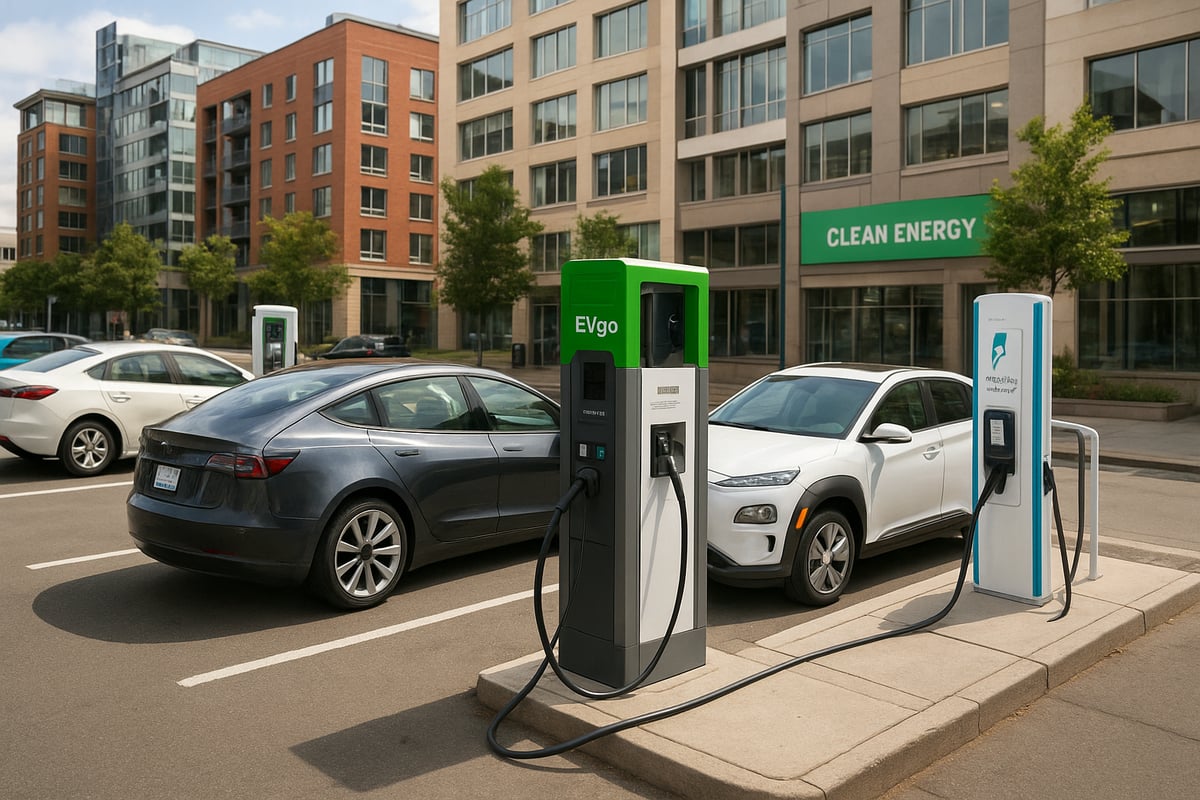
The electric charger business is experiencing significant momentum. According to Global EV Charger Market Projections, the global EV charger market is forecast to surpass $120 billion by 2026.
North America is a key growth region, with Canada alone expected to see a 35 percent compound annual growth rate in charger installations. Major drivers include strong government incentives, the rise in EV adoption, and new corporate sustainability mandates.
As more EVs hit the road, the electric charger business is poised to become a critical infrastructure sector, offering both stability and expansion potential.
Types of Electric Chargers and Technologies
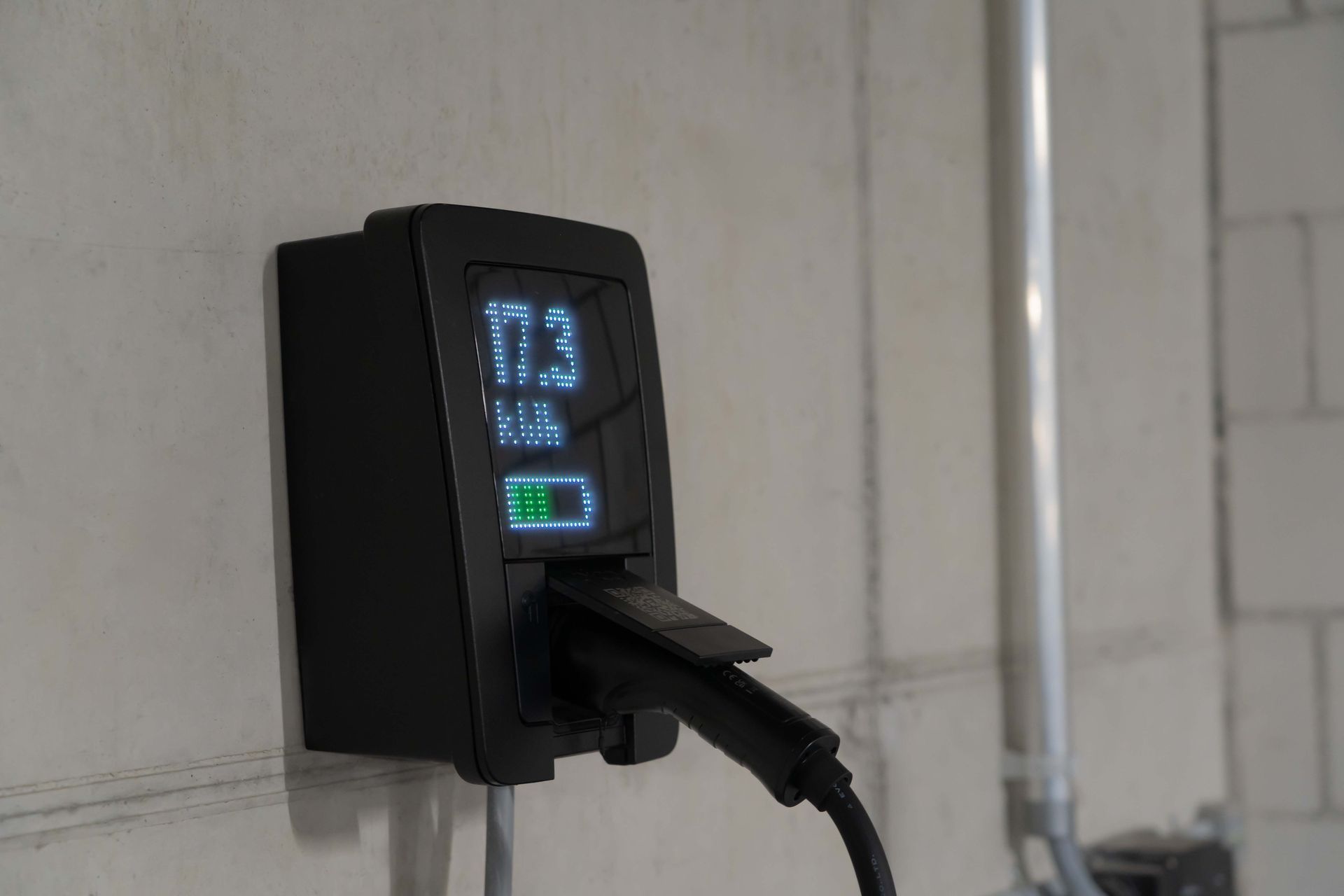
To succeed in the electric charger business, understanding charger types is essential. Chargers are generally grouped into Level 1, Level 2, and DC fast chargers:
| Charger Type | Power Output | Use Case | Typical Cost |
|---|---|---|---|
| Level 1 | 1.4 kW | Home, overnight | Low |
| Level 2 | 3.3-19.2 kW | Home, workplace | Moderate |
| DC Fast | 50-350 kW | Highways, fleets | High |
Emerging technologies include smart charging systems, networked solutions, and integration with solar or wind energy. For example, the Tesla Supercharger network offers ultra-fast charging, while ChargePoint focuses on accessible public options. Choosing the right technology mix is vital for an electric charger business.
Consumer and Business Demand
Demand for charging solutions is shifting quickly. While 80 percent of EV charging still happens at home, public charging infrastructure is expanding to meet commercial and fleet needs.
The electric charger business must address both residential and commercial markets, including:
- Multifamily housing
- Workplaces
- Retail centers
- Fleet operators
Urban fast-charging hubs and destination charging are emerging as lucrative segments. For insights on home installations, see this Residential EV charger installation guide.
Competitive Landscape and Key Players
Competition in the electric charger business is intensifying. Major players like ABB, ChargePoint, Blink, Flo, and Tesla are expanding their networks and market share.
Smaller local providers and new entrants can find opportunities by focusing on underserved areas or offering specialized services. The market remains fragmented, allowing innovative electric charger business models to thrive alongside established brands.
Regulatory Environment and Incentives
The regulatory framework for the electric charger business is evolving. In Canada, federal and provincial governments offer rebates and grants to offset installation costs. Programs such as Canada’s Zero Emission Vehicle Infrastructure Program (ZEVIP) provide significant funding.
New regulations mandate charger accessibility, update building codes, and require integration with sustainable energy sources. Staying informed about these requirements is crucial for compliance and long-term viability in the electric charger business.
Challenges and Barriers to Entry
Despite strong growth, the electric charger business faces several challenges:
- High initial investment
- Permitting and utility coordination delays
- Grid capacity constraints
- Consumer education and interoperability issues
For instance, some projects in major cities have experienced deployment delays due to utility approvals. Overcoming these barriers requires careful planning and collaboration with stakeholders to ensure a smooth rollout of services.
Step-by-Step Roadmap to Launching Your Electric Charger Business
Launching an electric charger business in today’s rapidly evolving EV market requires a clear, actionable plan. Whether you are an entrepreneur, investor, or an established company, following a step-by-step roadmap will help you navigate the complexities, reduce risk, and maximize growth potential. Here’s how to set your foundation for a thriving electric charger business by 2026.
Step 1: Research and Planning
Success in the electric charger business starts with in-depth research and strategic planning. Begin by identifying your target markets, such as residential, commercial, municipal, or fleet segments. Analyze competitors to understand their strengths, weaknesses, and market share.
Use mapping tools to perform a gap analysis. For example, mapping underserved neighborhoods in Toronto may reveal prime opportunities for new charger installations. Evaluate local EV adoption rates, traffic patterns, and community needs to prioritize locations.
- Identify key market segments.
- Analyze competition and gaps.
- Map high-potential areas for deployment.
Comprehensive planning ensures your electric charger business is built on solid market intelligence.
Step 2: Navigating Legal and Regulatory Requirements
Compliance with legal and regulatory standards is vital for your electric charger business. Secure the necessary business licenses and permits, and ensure all installations adhere to the Canadian Electrical Code (CEC).
In Ontario, you must also comply with Electrical Safety Authority (ESA) requirements, covering inspection, safety, and documentation. For detailed guidance, consult the Ontario electrical code compliance guide.
Additionally, review insurance and liability policies to protect your assets and operations. Navigating these requirements from the outset helps prevent costly delays and ensures your business operates legally and safely.
Step 3: Choosing Your Business Model
Selecting the right business model shapes the trajectory of your electric charger business. Evaluate ownership structures such as direct ownership, franchise, partnership, or acting as a service provider.
Each model offers different revenue streams, including pay-per-use, subscription models, leasing, and value-added services. For example, managed fleet charging services for delivery companies can provide recurring income and foster long-term client relationships.
- Compare ownership structures.
- Assess revenue streams.
- Explore managed services for fleets.
Choosing a model aligned with your goals ensures sustainable growth and scalability.
Step 4: Securing Funding and Incentives
Securing funding is a cornerstone for launching your electric charger business. Calculate start-up costs, including hardware, installation, software, and marketing expenses.
Explore grants, tax credits, and green loans from federal and provincial programs. In Canada, government programs can cover up to 50% of installation costs, significantly lowering your financial burden.
Prepare a detailed business plan to present to investors and lenders. Taking full advantage of available incentives will help your electric charger business scale efficiently from day one.
Step 5: Building Partnerships and Supplier Relationships
Strong partnerships are essential for a successful electric charger business. Source reliable hardware and software vendors with proven track records and robust support.
Collaborate with property owners, utilities, and local governments to secure strategic sites and streamline permitting. For example, partnering with retail chains can provide high-visibility locations and increase charger utilization rates.
- Identify trusted suppliers.
- Build relationships with stakeholders.
- Leverage partnerships for faster deployment.
These alliances will help your electric charger business expand its network and reputation.
Step 6: Hiring and Training Your Team
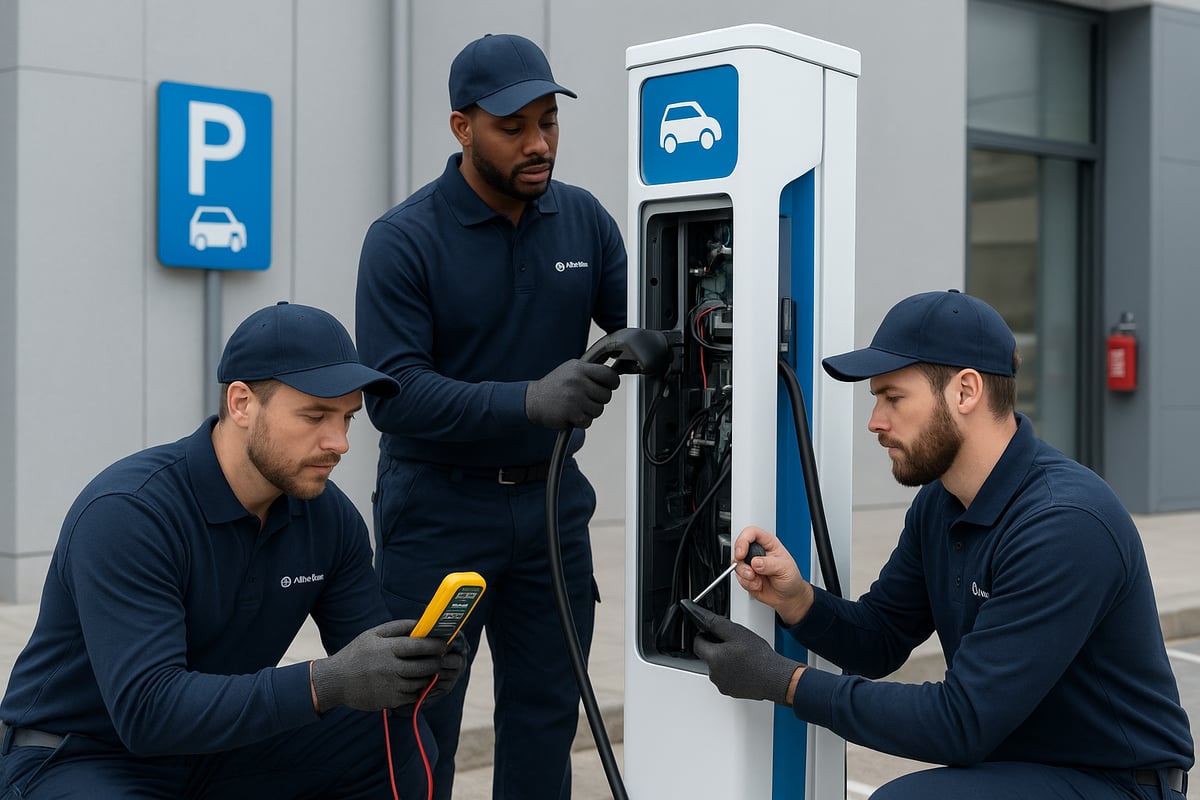
Hiring skilled professionals is critical for the smooth operation of your electric charger business. Fill key roles such as certified electricians, project managers, and customer support staff.
Invest in comprehensive training covering safety, technical standards, and customer service. The demand for certified EV charger technicians has risen by 40% since 2022, making workforce development a competitive advantage.
A well-trained team enables your electric charger business to deliver high-quality installations and responsive customer support.
Step 7: Launching and Scaling Operations
With your foundation in place, begin with pilot installations to test processes and gather customer feedback. Implement quality assurance protocols to maintain high standards.
Use feedback loops to refine your services and identify improvement areas. As your electric charger business gains traction, consider regional expansion, vertical integration, and strategic branding to reach broader markets.
- Launch pilot projects.
- Collect and act on feedback.
- Scale through strategic growth.
Careful execution and continuous improvement will position your electric charger business for long-term success.
Site Selection and Installation Best Practices
Selecting the right sites and executing flawless installations are critical for the growth and sustainability of your electric charger business. Every decision, from location to compliance, impacts utilization rates, customer satisfaction, and profitability.
Evaluating Prime Locations
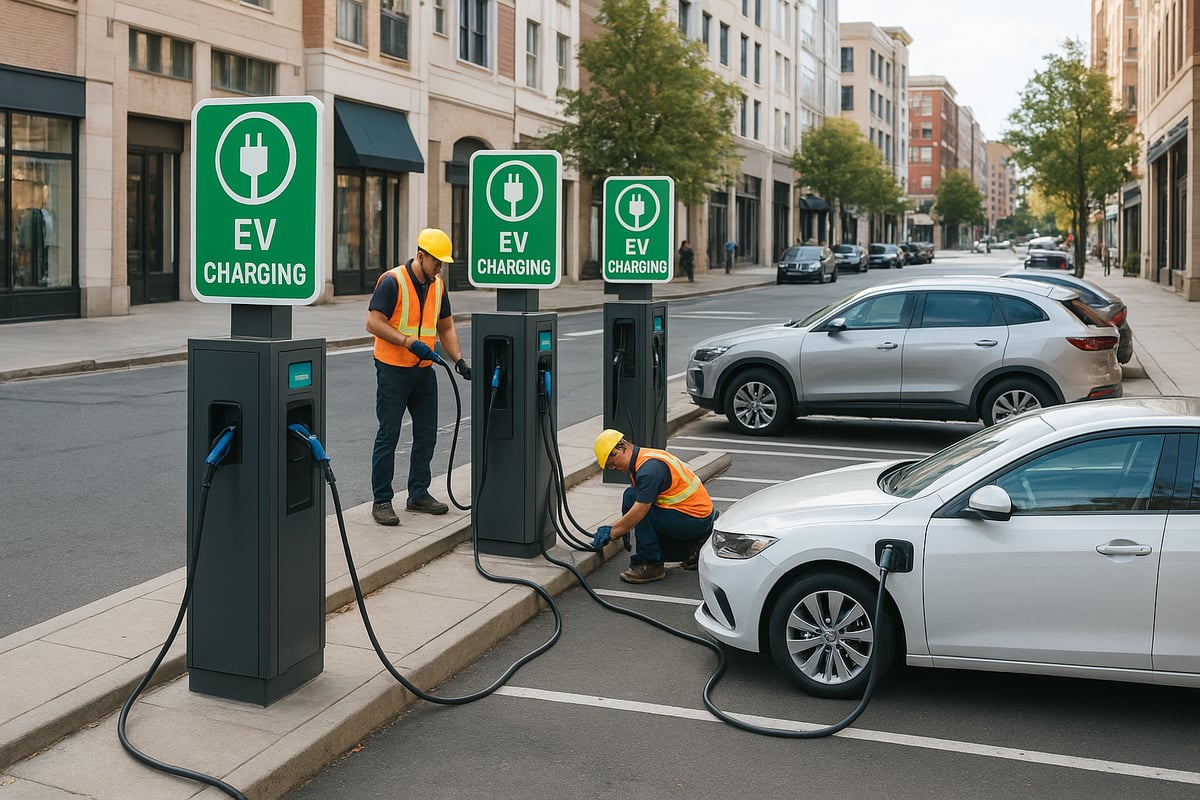
Success in the electric charger business starts with site selection. Prioritize high-traffic areas such as shopping centers, transit hubs, and highway rest stops for maximum visibility and usage. Retail locations, in particular, see up to 30% higher charger utilization rates compared to isolated sites.
Consider the needs of both residential and commercial users. Multifamily housing, office complexes, and fleet depots are increasingly in demand. Urban fast-charging hubs and destination charging points are emerging trends worth exploring. For guidance, consult resources on Commercial EV charging station installs to identify proven strategies for site deployment.
- High-traffic retail centers
- Multifamily residential buildings
- Fleet and workplace locations
Careful evaluation ensures your electric charger business stands out and meets evolving market needs.
Grid Capacity and Infrastructure Assessment
Before committing to a site, assess local grid capacity and infrastructure. The electric charger business depends on reliable power delivery, so work closely with utilities to evaluate transformer loads and electrical service availability.
Upgrading existing infrastructure may be required for multi-charger sites, especially in dense urban areas. For example, Toronto Hydro has specific requirements for commercial installations. Factor in the costs and timelines for any necessary upgrades, as these can influence project viability and ROI.
Proactive assessment helps the electric charger business avoid costly delays and ensures seamless operations.
Permitting and Compliance
Navigating permits and compliance is a cornerstone of the electric charger business. Municipal zoning, electrical safety codes, and accessibility standards must all be addressed before installation.
In Ontario, meeting AODA (Accessibility for Ontarians with Disabilities Act) standards is mandatory. Environmental assessments and public consultations may also be required, depending on the site and project scope.
A thorough understanding of local regulations streamlines approvals, reduces risks, and positions your electric charger business as a trusted provider.
Installation Process and Timeline
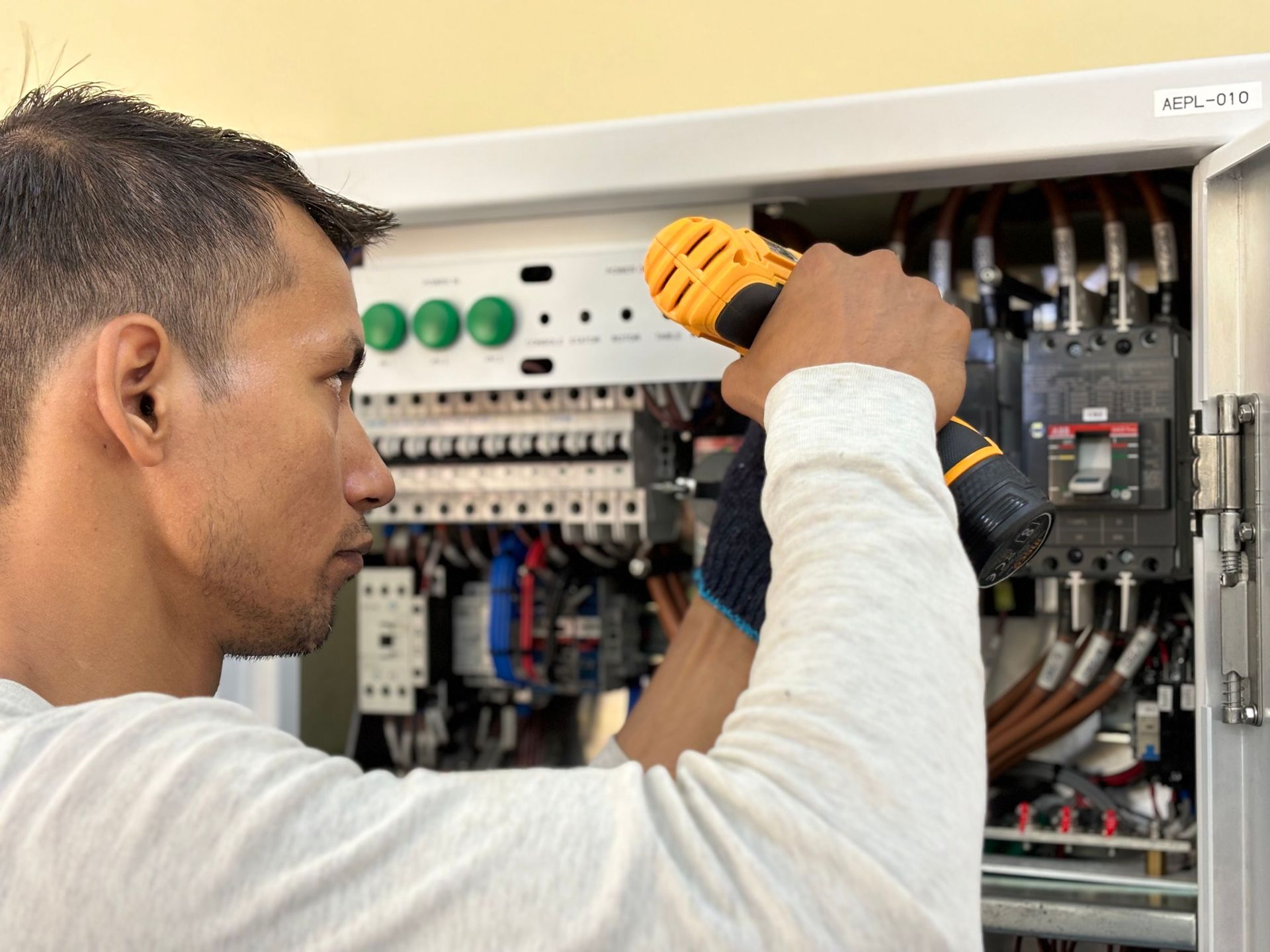
The installation process for an electric charger business involves several coordinated steps. Start with site preparation and trenching for conduit and power lines. Certified electricians handle electrical work, followed by mounting and commissioning the charging units.
A typical commercial installation takes four to eight weeks from permit approval to activation. Allow time for inspections and quality assurance checks to guarantee operational safety and reliability.
Efficient project management ensures your chargers are online quickly, minimizing downtime and maximizing early revenue.
Ensuring Safety and Reliability
Safety and reliability are non-negotiable in the electric charger business. Schedule routine inspections and implement surge protection, fire safety measures, and remote monitoring systems.
Preventative maintenance protocols, such as regular cleaning and firmware updates, reduce downtime and keep equipment running smoothly. Empower your team to respond quickly to issues, protecting both users and your brand reputation.
A proactive approach to safety builds customer trust and secures long-term success for your electric charger business.
Cost Optimization Strategies
Controlling costs is vital for a profitable electric charger business. Bulk hardware purchasing, shared electrical infrastructure, and smart load management systems all reduce expenses. Integrated solar and EV charging installations offer additional savings by offsetting energy costs.
| Strategy | Potential Savings |
|---|---|
| Bulk hardware purchasing | 10–20% per unit |
| Shared infrastructure | 15% installation costs |
| Smart load management | Lower peak demand fees |
| Integrated solar + EV charging | Reduced utility bills |
Adopting these strategies positions your electric charger business for sustainable growth and competitive advantage.
Case Study: Successful Urban Charger Deployment
A Toronto-based electric charger business recently completed a multi-site urban deployment. By partnering with local retailers and property managers, they secured prime locations with high foot traffic. Early collaboration with utilities and municipal authorities ensured timely permitting and grid upgrades.
Lessons learned included the value of community engagement and the importance of ongoing maintenance. This case highlights how strategic planning and stakeholder collaboration can help any electric charger business thrive in a competitive urban market.
Operations, Maintenance, and Customer Experience
Ensuring seamless operations, maintenance, and customer experience is essential for any electric charger business aiming for long-term success. This section explores the key pillars that support reliability, user satisfaction, and sustainable growth.
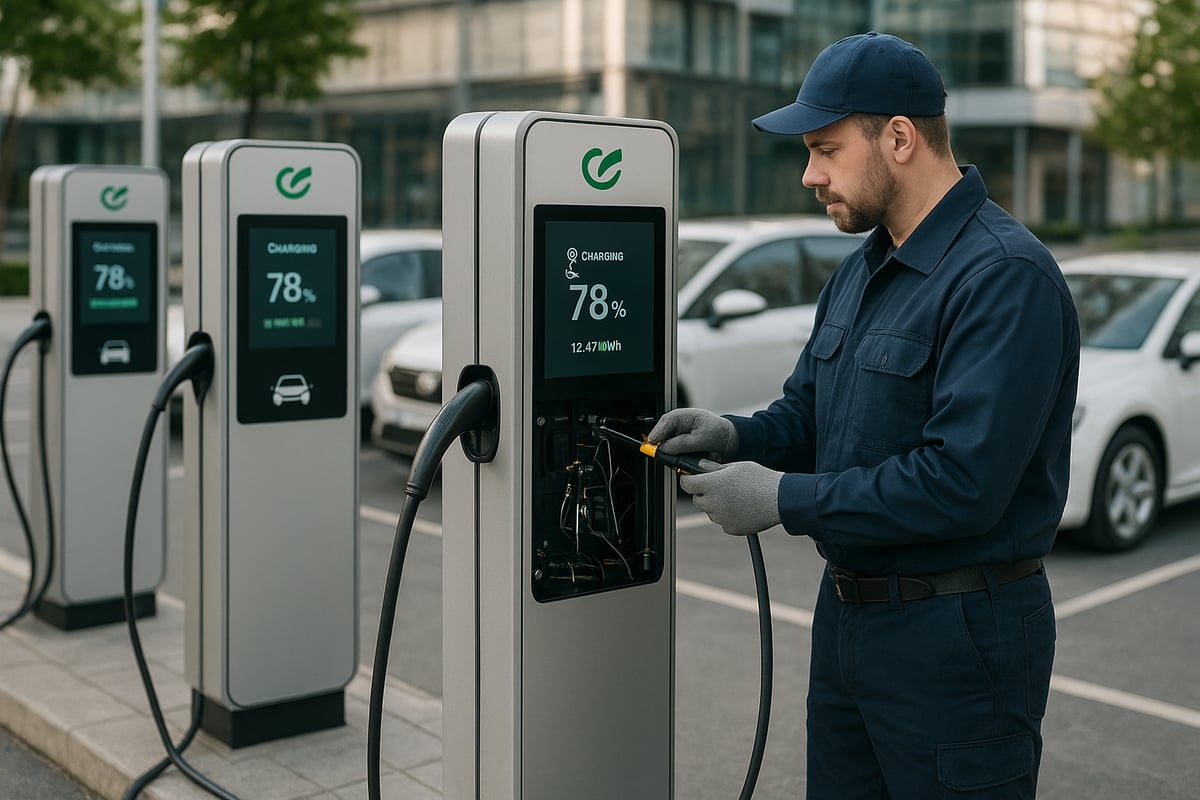
Service Models and Uptime Guarantees
A resilient electric charger business builds its reputation on reliability. Service models often include 24/7 customer support, proactive monitoring, and rapid response teams. Uptime guarantees, commonly formalized through service level agreements (SLAs), reassure customers that charging infrastructure will be available when needed.
Consistent uptime is not just an operational metric, it is a competitive advantage. Businesses that prioritize high availability see increased usage and stronger customer loyalty. Investing in robust maintenance protocols and clear escalation procedures is vital for building trust and differentiating your electric charger business.
Remote Monitoring and Software Management
Modern electric charger business operations rely on advanced software solutions to maintain efficiency. IoT-enabled remote monitoring allows operators to track performance, diagnose issues, and deploy firmware updates without on-site visits.
Mobile apps and cloud dashboards provide real-time visibility into every charging unit. This technology reduces downtime, minimizes manual intervention, and enables a data-driven approach to asset management. Leveraging these tools helps the electric charger business stay agile and responsive to evolving user needs.
Routine Maintenance and Troubleshooting
Preventative maintenance is the backbone of reliable electric charger business operations. Routine inspections, component checks, and cleaning schedules keep equipment performing at peak levels.
Common troubleshooting tasks include resolving connectivity issues, replacing worn connectors, and updating software. Well-trained technicians can quickly address most problems, reducing service interruptions. A standardized maintenance checklist, paired with ongoing staff training, supports consistent quality and rapid issue resolution.
Billing, Payments, and User Access
User-friendly payment solutions are a hallmark of a modern electric charger business. Contactless payments, app-based access, and integration with popular EV networks streamline the charging experience for drivers.
Loyalty programs and digital receipts further enhance convenience. Ensuring compatibility with major payment processors and maintaining secure data protocols builds customer confidence. Transparent billing practices and responsive support are essential for fostering long-term user relationships.
Customer Education and Engagement
Effective customer education distinguishes a leading electric charger business. Clear on-site signage, user guides, and interactive help channels empower drivers to charge confidently.
Community outreach, such as hosting informational events or collecting user feedback, deepens engagement and builds brand loyalty. Proactive communication about new features or updates helps users get the most from your services. Investing in education not only reduces support requests but also strengthens your electric charger business reputation.
Sustainability and Green Operations
Sustainability is becoming a core expectation in the electric charger business landscape. Many operators now source renewable energy, participate in carbon offset programs, and recycle obsolete equipment.
Adopting energy optimization practices improves both environmental impact and operational efficiency. For actionable strategies, see these energy efficiency tips for businesses. By prioritizing green operations, your electric charger business can attract eco-conscious customers and stand out in a competitive market.
Marketing, Branding, and Growing Your Customer Base
A strong marketing strategy is essential for any electric charger business aiming to stand out in a rapidly growing industry. Building your brand, connecting with customers, and leveraging partnerships will ensure your business not only attracts but retains a loyal user base. Let’s explore the key elements to successfully market and scale your electric charger business.
Building a Standout Brand
Developing a memorable brand identity is the foundation of a successful electric charger business. Your branding should reflect reliability, innovation, and sustainability. Start with a distinct logo, clear signage, and a consistent color scheme across all platforms.
Incorporate your values into every customer touchpoint. Showcase your commitment to green energy and advanced technology. Highlight your brand’s strengths through case studies of top-performing charger networks. Remember, a robust brand builds trust and encourages repeat business.
Digital Marketing Strategies
To grow your electric charger business, prioritize digital marketing. Optimize your website for SEO and ensure your business is visible on local search platforms. Engage with EV driver forums to foster community dialogue.
Leverage social media channels to share news, user testimonials, and new location launches. Partner with industry influencers to boost credibility. Did you know 70 percent of EV owners research charging locations online? Invest in digital ads and content marketing to capture this audience.
Partnerships and B2B Outreach
Strategic partnerships can significantly expand your electric charger business. Collaborate with car dealerships, real estate developers, and fleet operators for co-marketing opportunities.
Form alliances with property owners to secure premium charger locations. Joint ventures with other green tech companies can increase your reach. These relationships open doors to new customer segments and enhance your business’s credibility in a competitive market.
Community and Government Engagement
Active participation in community and government initiatives can elevate your electric charger business. Join municipal sustainability campaigns and host EV education events to build local awareness.
Engage with government programs like Canada's Zero Emission Vehicle Infrastructure Program to access funding and stay ahead of regulatory trends. Being visible in community projects positions your business as a trusted partner in the shift to clean transportation.
Customer Retention and Loyalty Programs
Retaining customers is just as important as acquiring new ones for your electric charger business. Launch loyalty programs offering discounts or rewards for frequent users. Consider app-based referral incentives to encourage word-of-mouth growth.
Subscription models can provide steady revenue and convenience for regular customers. Collect feedback through user surveys and adapt your services to meet evolving needs, ensuring long-term satisfaction.
Measuring and Optimizing Marketing ROI
Tracking your results is critical to the ongoing success of your electric charger business. Monitor metrics such as charger utilization rates, customer acquisition costs, and retention statistics.
Use analytics tools to refine your messaging and target high-performing channels. Regularly review performance data to optimize campaigns and maximize your marketing investment. This data-driven approach will help your business scale efficiently and stay ahead of competitors.
Future-Proofing Your Electric Charger Business for 2026 and Beyond
The electric charger business is evolving rapidly, shaped by innovation, policy shifts, and changing consumer expectations. Staying ahead means anticipating what is next and building resilience into every aspect of your operation. Future-proofing is not just about technology, but about creating a business model that adapts, scales, and thrives as the EV landscape transforms.
Adapting to Evolving Technologies
The pace of change in EV charging technology is accelerating. Wireless charging pads, ultra-fast chargers, and vehicle-to-grid (V2G) systems are moving from pilot projects to real-world deployment.
To keep your electric charger business competitive, monitor developments in charging standards, automaker partnerships, and grid integration. Investing in future-ready hardware, such as modular chargers and open-network software, will allow your business to upgrade with minimal disruption. Training your team to handle new technologies also ensures seamless adoption as industry standards evolve.
Scaling Operations and Geographic Expansion
Growth opportunities abound for an electric charger business ready to scale. Multi-site management, franchising, and strategic partnerships can expand your reach across cities and regions. Study how leading North American providers have successfully navigated expansion, leveraging data-driven site selection and robust supply chains.
Understanding regional market forecasts is essential for planning. For example, the U.S. EV Charging Infrastructure Outlook provides insights into infrastructure demand and revenue projections, guiding decisions on where and how to invest. Adapt your business model to local regulations, customer needs, and emerging trends to maximize impact.
Policy and Regulatory Changes on the Horizon
Regulations surrounding the electric charger business are dynamic. Stay informed about updates to building codes, incentive programs, and emissions targets. Engage with industry associations to anticipate legislative shifts and to advocate for favorable policies.
Establishing strong relationships with regulatory bodies can streamline permitting and compliance. Proactive adaptation to policy changes—such as accessibility requirements or renewable energy mandates—will protect your investment and open doors to new funding opportunities.
Sustainability and ESG Commitments
Sustainability is a core expectation for any electric charger business. Investors and customers are prioritizing environmental, social, and governance (ESG) performance. Transparent reporting on emissions reductions, renewable energy sourcing, and social initiatives increases your business’s appeal.
Explore carbon offset programs, green energy partnerships, and recycling initiatives. Reports such as EEI's EV Sales and Infrastructure Report can help you benchmark your sustainability strategy and prepare for long-term demand. Integrate ESG goals into your company culture and daily operations.
Data Security and User Privacy
As the electric charger business becomes more connected, data security is paramount. Protect user data with robust cybersecurity protocols and ensure compliance with PCI standards.
Adopt industry best practices, including encrypted payment systems, regular security audits, and transparent privacy policies. Building trust with customers means safeguarding their information at every step.
Continuous Innovation and Customer Feedback
Continuous innovation is the foundation of a resilient electric charger business. Invest in research and development, pilot new features, and actively solicit feedback from users.
Use customer insights to refine your services, introduce value-added offerings, and maintain a competitive edge. By fostering a culture of adaptability and learning, your business will not only survive but thrive in the evolving EV market.
As you plan your journey into the electric charger business, having a trusted partner who understands the technical, regulatory, and practical aspects is essential. At Bradcon Electrical Services Inc., we are committed to helping you achieve your goals with code-compliant installations, safety-first practices, and industry expertise, all rooted in our experience serving Toronto and the GTA. If you're ready to take the next step toward a successful EV charging venture, let us provide tailored guidance and accurate pricing for your project. Start by requesting your EV Charger Installation Quote
today.