Mechanical Electrical Guide: Essential Insights for 2026
As 2026 draws near, the significance of mechanical electrical systems in shaping the built environment has never been greater. Rapid developments in technology, sustainability, and safety are redefining how these systems function, interact, and add value across residential, commercial, and industrial spaces.
For professionals and property owners alike, keeping pace with the latest mechanical electrical trends and compliance requirements is essential for achieving efficiency, innovation, and regulatory alignment. This guide delivers critical insights and practical strategies to help you stay ahead.
Explore core principles, 2026 trends, regulatory changes, integration tactics, sustainability, maintenance, safety, and the future of mechanical electrical systems in the sections ahead.
Understanding Mechanical and Electrical Systems: Core Principles
Modern buildings rely on a seamless blend of mechanical electrical systems to deliver comfort, safety, and efficiency. Whether in homes, offices, or factories, these systems form the backbone of building performance. Their integration is more critical than ever as energy demands and regulatory standards continue to rise.
Defining Mechanical and Electrical Systems
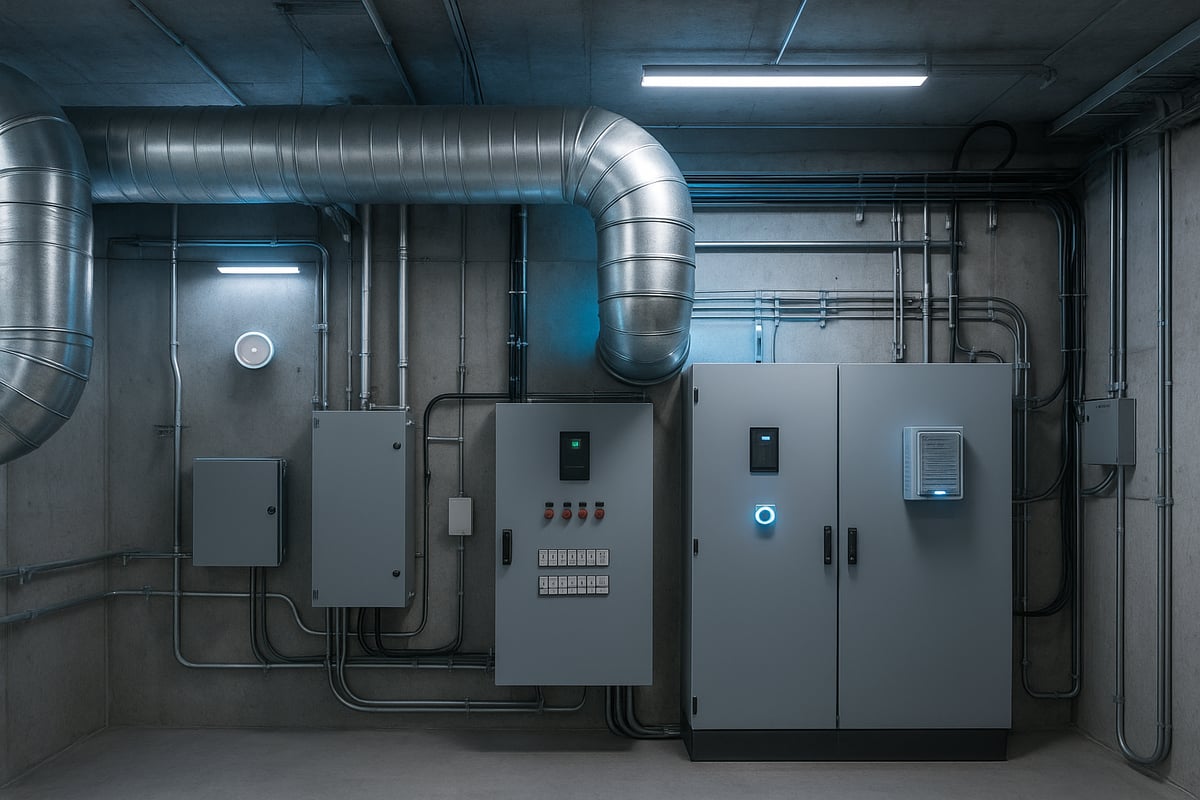
Mechanical electrical systems encompass a range of technologies vital to building operation. Mechanical systems include HVAC units, plumbing, and fire protection, while electrical systems cover power supply, lighting, and controls. Each plays a distinct role: mechanical systems regulate temperature and air quality, and electrical systems deliver power and automation.
These systems are deeply interdependent. For example, HVAC relies on precise electrical controls to maintain energy efficiency and occupant comfort. In every setting, from residential to industrial, their integration ensures reliable and safe operation.
According to the U.S. Department of Energy, nearly 70% of a building’s energy use is tied to mechanical electrical systems. This highlights their central role in both daily operations and long-term sustainability.
Key Components and Technologies
At the heart of mechanical electrical systems are critical components designed for performance and safety. Mechanical elements include HVAC units, chillers, boilers, pumps, air handlers, ductwork, and plumbing fixtures. For electrical systems, key parts are switchgear, panels, wiring, lighting fixtures, emergency power systems, and smart meters.
Modern buildings increasingly incorporate IoT sensors and building management systems (BMS) for real-time control and monitoring. For instance, smart thermostats use data from sensors to optimize HVAC energy use. Compliance with codes such as ASHRAE, NEC, and the Canadian Electrical Code is essential for every mechanical electrical installation.
These technologies are evolving rapidly, driving greater integration and smarter, more efficient building operations.
System Design and Planning Fundamentals
Effective mechanical electrical system design starts with accurate load calculations and proper equipment sizing. Engineers from both disciplines must collaborate closely to prevent conflicts and ensure all systems work in harmony. Tools like Building Information Modeling (BIM) are now standard for visualizing layouts and detecting design clashes before construction begins.
For example, BIM enables teams to identify and resolve potential conflicts between ductwork and electrical conduits, reducing costly installation errors. Early collaboration can save up to 15% in total project costs, as reported by WSP. For additional guidance on best practices in design and integration, see Planning Electrical Systems for Renovations.
A well-planned approach ensures that mechanical electrical systems meet performance, code, and sustainability goals.
Installation and Commissioning Basics
Installing mechanical electrical systems requires precise coordination and skilled execution. The process typically follows these steps: equipment placement, connection of mechanical and electrical components, and integration with controls. Commissioning activities include thorough testing, balancing, and verifying system performance against design specifications.
Quality assurance protocols are critical. Proper documentation and testing help ensure that systems operate safely and efficiently from day one. A good example is commissioning HVAC systems to optimize airflow and minimize energy waste.
Industry insights show that proper commissioning can improve mechanical electrical system performance by 10 to 20 percent, delivering measurable benefits in comfort and cost savings.
Emerging Trends and Innovations for 2026
The landscape of mechanical electrical systems is evolving rapidly as we approach 2026. New technologies and innovative practices are reshaping how buildings operate, ensuring greater efficiency, sustainability, and resilience. Here are the top trends professionals should watch.
Smart Building Technologies and Automation
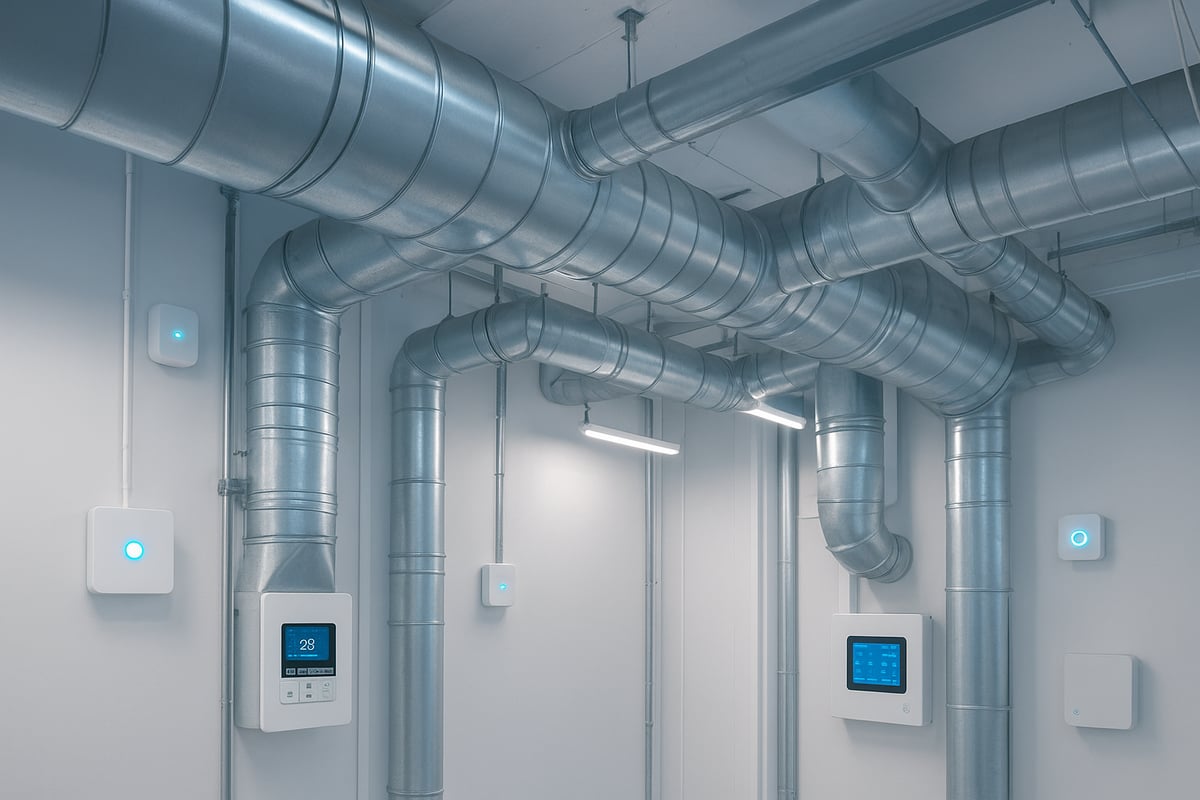
Smart building technology is transforming mechanical electrical systems with sensors, Internet of Things devices, and AI-driven controls. These advancements enable real-time monitoring, predictive maintenance, and adaptive responses to occupancy and environmental changes.
For example, automated lighting and HVAC systems now adjust based on room usage, reducing energy waste and enhancing comfort. Industry forecasts predict that by 2026, 45% of new buildings will feature advanced automation.
To stay informed on the latest developments in BIM and MEP design, including smart automation for mechanical electrical systems, explore the Top Trends in BIM & MEP Design.
Energy Efficiency and Sustainability
Energy efficiency is at the core of every modern mechanical electrical upgrade. High-efficiency equipment such as variable speed drives, LED lighting, and heat pumps are becoming standard. Integration of renewable energy sources, like solar panels and battery storage, is also rising.
Net-zero energy buildings are a prime example, leveraging mechanical electrical strategies to minimize energy consumption and environmental impact. With buildings accounting for 40% of global energy use, sustainability is no longer optional—it is essential for long-term value.
Electrification and Decarbonization
The shift toward electrification is a defining trend in mechanical electrical system design. Moving away from gas-based systems, new projects increasingly use heat pumps and induction cooking, which require careful planning for increased electrical demand.
This transition impacts grid infrastructure and necessitates coordination with utilities. Commercial retrofits now often include the electrification of HVAC systems, supporting decarbonization targets and driving changes in building codes.
Digital Twin and Advanced Analytics
Digital twins are revolutionizing how mechanical electrical systems are modeled and managed. By creating virtual replicas of physical assets, facility teams can simulate operation, predict failures, and optimize performance throughout the lifecycle.
Predictive analytics tools help detect faults before they escalate, reducing maintenance costs and system downtime by up to 30%. The adoption of digital twin platforms is becoming a standard for forward-thinking mechanical electrical projects.
Resilience and Future-Proofing
As climate events and grid disruptions become more frequent, resilience is a top priority in mechanical electrical design. Modern facilities are equipped with backup power systems, microgrids, and redundancy plans to ensure continuous operation.
Hospitals, for instance, often have dual power sources and robust HVAC solutions to maintain critical functions during outages. Post-2020s disruptions have solidified resilient mechanical electrical systems as a must-have for future-ready infrastructure.
Regulatory Changes and Standards: What to Expect in 2026
As we approach 2026, staying ahead of regulatory changes is critical for anyone working with mechanical electrical systems. New codes, standards, and mandates are shaping how professionals design, operate, and maintain building infrastructure. Understanding these changes helps ensure compliance, safety, and efficiency across diverse projects.
Evolving Building Codes and Compliance
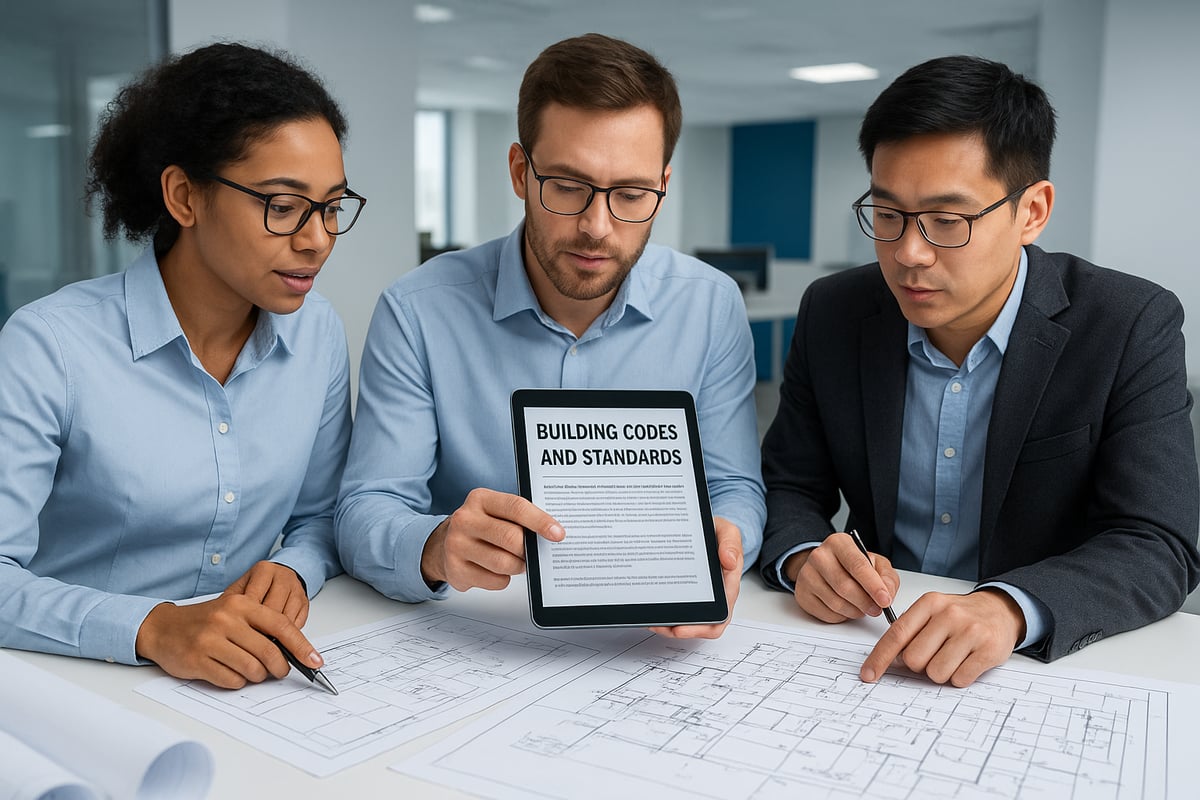
Building codes are evolving rapidly, introducing stricter requirements for mechanical electrical systems. In 2026, major updates to the NEC, CEC, ASHRAE standards, and local bylaws will impact power distribution, fire protection, and system efficiency. For instance, new standards address emergency power, fire alarms, and system interoperability.
Professionals must stay current to avoid costly code violations. In fact, 60% of violations result from outdated compliance knowledge. Accessing resources like the Ontario Electrical Code Compliance Guide is essential for understanding the latest changes and ensuring every mechanical electrical installation meets the required standards.
Sustainability Mandates and Certifications
Sustainability is a driving force behind new regulatory mandates. Mechanical electrical systems must now support green building certifications such as LEED and WELL. ESG factors increasingly influence design and material selection, pushing firms to adopt sustainable practices.
Mandatory energy benchmarking is becoming common in major cities, requiring ongoing performance tracking. By 2026, 80% of new projects are expected to target green certification. These mandates ensure mechanical electrical systems contribute to lower carbon footprints and long-term building value.
Safety and Risk Management Regulations
Safety regulations for mechanical electrical systems are being strengthened in 2026. Updates include enhanced requirements for electrical safety, arc flash protection, and lockout/tagout protocols. Mechanical safety standards now focus on pressure vessel inspections and improved ventilation.
For example, emergency lighting and safe egress routes are now more rigorously enforced. Updated safety protocols have already led to a 15% reduction in workplace incidents. Ongoing compliance ensures that mechanical electrical systems protect both occupants and technicians.
Navigating Permitting and Inspections
The permitting process for mechanical electrical projects is moving digital, streamlining submissions and approvals. Digital platforms allow for faster reviews and improved coordination with inspectors, especially for phased project approvals.
Virtual inspections and remote commissioning are now common, reducing approval times by 20 to 30%. By embracing these digital strategies, teams can efficiently navigate regulatory hurdles and accelerate project delivery, all while ensuring mechanical electrical systems meet the latest standards.
Integrating Mechanical and Electrical Systems for Optimal Performance
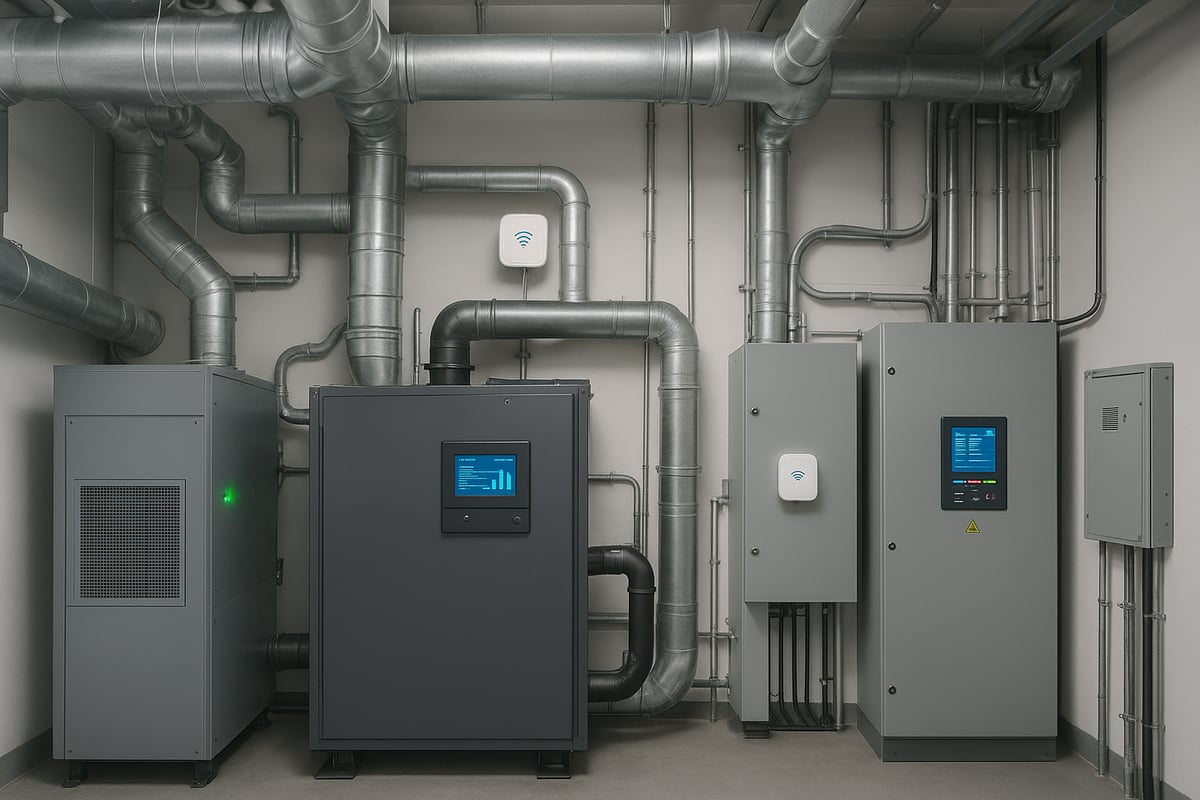
Achieving optimal performance in today's buildings depends on the seamless integration of mechanical electrical systems. When these systems work together, they enhance comfort, efficiency, and reliability for occupants and operators. Let us explore how coordinated design, advanced controls, thorough commissioning, focused maintenance, and real-world examples drive the best results.
Design Coordination and Collaboration
Effective integration starts with multidisciplinary teams working closely from the earliest design phases. Mechanical electrical engineers must coordinate their layouts, system sizing, and pathways to minimize conflicts and maximize space use.
Joint design charrettes are a proven method, bringing together HVAC and electrical experts to solve challenges before construction begins. This approach reduces rework and change orders by 25 percent, saving both time and money.
Building Information Modeling (BIM) further enhances coordination. BIM allows teams to visualize mechanical electrical systems in 3D, detect clashes, and optimize installation sequences. Early collaboration and digital tools set the stage for system synergy.
Building Management Systems (BMS) and Controls
Centralized management is essential for integrated mechanical electrical systems. Building Management Systems (BMS) provide a single platform to control HVAC, lighting, and power, increasing efficiency and ease of operation.
BMS platforms monitor real-time data, automate schedules, and send alerts for faults or anomalies. For example, a BMS can automatically reduce HVAC output during low occupancy or dim lighting to save energy.
Adopting BMS leads to 15 to 20 percent energy savings, according to the Department of Energy. Smart controls ensure mechanical electrical systems respond dynamically to building needs, supporting both comfort and sustainability goals.
Commissioning and Performance Verification
Thorough commissioning is critical to confirm that integrated mechanical electrical systems perform as designed. The process begins with functional testing, balancing, and calibration of all components.
Analytics platforms are used to verify that performance matches the original design intent. For instance, continuous commissioning monitors HVAC and electrical loads, making adjustments as occupancy or weather changes.
Verified system performance not only supports green certifications but also prevents costly inefficiencies. Regular performance checks help maintain high standards in mechanical electrical operations throughout a building’s life cycle.
Maintenance and Lifecycle Integration
Designing for maintainability ensures mechanical electrical systems operate reliably over time. Integrated maintenance strategies, such as predictive alerts and automated diagnostics, reduce downtime and extend equipment life.
Facility managers benefit from tools that provide real-time data on system health, enabling timely interventions. For actionable strategies on maintaining complex systems, see Commercial Electrical Maintenance Best Practices.
A lifecycle approach, focusing on both preventive and predictive maintenance, lowers total ownership costs by 10 to 15 percent. Integrated planning keeps mechanical electrical infrastructure resilient and efficient.
Case Study: Integrated System Success Stories
Consider a high-rise building that achieved net-zero energy by integrating mechanical electrical systems from the outset. Early collaboration between design teams set clear performance targets and selected compatible equipment.
Robust commissioning ensured all systems worked together, while ongoing analytics identified opportunities for continuous improvement. This project, managed by industry leaders like WSP and Mechanical One, documented significant energy and cost savings.
The key to success was holistic planning, transparent communication, and leveraging data-driven insights. Integrated mechanical electrical solutions are essential for meeting the demands of modern, sustainable buildings.
Sustainability and Energy Management Strategies
Achieving sustainability in modern buildings depends on strategic management of both mechanical electrical systems. Facility managers and property owners are increasingly focused on optimizing energy use, reducing environmental impact, and meeting regulatory demands. The following strategies provide a roadmap for boosting efficiency and ensuring long-term value.
Energy Auditing and Benchmarking
Regular energy audits are essential for uncovering inefficiencies in mechanical electrical systems. Audits involve analyzing utility bills, inspecting equipment, and using benchmarking tools to compare performance against industry standards. Common audit tools include smart meters, submetering, and building management software.
For example, a detailed audit might reveal that outdated HVAC controls or inefficient lighting are responsible for excessive energy use. Addressing these issues can lead to significant savings. In fact, energy audits often identify 10 to 30 percent potential energy reductions. For more practical solutions, visit Energy Efficiency Tips for Buildings.
Renewable Energy Integration
Integrating renewable sources into mechanical electrical systems is a top priority for sustainable design. Popular options include solar photovoltaic (PV) systems, wind turbines, and geothermal heat pumps. These solutions can be grid-tied or off-grid, depending on the building’s needs.
A growing trend is the use of rooftop solar panels with battery storage, allowing commercial facilities to generate and store clean energy onsite. As of 2026, approximately 20 percent of new commercial projects are expected to include renewable integration. This shift supports energy independence and helps facilities meet stricter sustainability goals for mechanical electrical operations.
High-Performance Equipment and Retrofits
Upgrading legacy mechanical electrical equipment is one of the fastest ways to improve energy efficiency and meet compliance requirements. High-performance options like variable refrigerant flow (VRF) systems, advanced boilers, and LED lighting offer superior efficiency compared to older models.
In many regions, incentives and rebates are available for these upgrades, helping offset initial costs. For example, retrofitting an office with VRF technology can lower utility bills and significantly reduce the building’s carbon footprint. A proactive retrofit strategy ensures mechanical electrical systems remain competitive and compliant with evolving standards.
Monitoring, Reporting, and Continuous Improvement
Continuous monitoring is vital for maintaining efficient mechanical electrical system performance. Modern facilities use real-time dashboards and analytics to track energy consumption, identify anomalies, and set sustainability targets.
Facilities that prioritize ongoing monitoring and reporting typically see annual energy reductions of 5 to 10 percent. Dashboards provide actionable insights for continuous improvement, from scheduling preventive maintenance to adjusting system controls. This approach ensures mechanical electrical systems operate at peak efficiency year-round.
Maintenance, Operations, and Safety Best Practices
Keeping mechanical electrical systems in peak condition demands a proactive approach to maintenance, operations, and safety. By following best practices, you can minimize downtime, extend equipment life, and ensure compliance with the latest standards. Each facet of facility management, from regular inspections to workforce training, plays a crucial role in delivering safe, reliable performance.
Preventive and Predictive Maintenance
Routine maintenance is the backbone of mechanical electrical system reliability. Scheduled inspections and servicing help identify wear before it becomes a costly failure. Predictive maintenance leverages IoT sensors and data analytics to monitor equipment health in real time.
- Vibration analysis pinpoints early motor issues.
- Thermal imaging detects potential electrical faults.
- Automated alerts signal when HVAC filters or electrical panels need attention.
By adopting predictive strategies, organizations can cut unplanned downtime by 40 percent. This approach helps ensure mechanical electrical assets operate efficiently and safely.
Troubleshooting and Emergency Response
Rapid troubleshooting is essential for minimizing disruption when mechanical electrical systems fail. Technicians use diagnostic tools and remote monitoring to quickly locate faults, reducing repair times and costs.
- 24/7 emergency response teams handle critical HVAC or power issues.
- Clear protocols guide staff during outages, leaks, or system failures.
- Emergency drills prepare teams for real-world scenarios.
Quick action not only restores operations but also protects occupants and assets. Fast response to mechanical electrical emergencies limits damage and maintains productivity.
Training and Workforce Development
Success in mechanical electrical maintenance relies on a skilled workforce. Ongoing training ensures technicians stay up to date with evolving codes, technologies, and safety standards.
- Certifications in both mechanical and electrical disciplines are increasingly valued.
- Cross-training broadens team capabilities and flexibility.
- Continuing education supports adaptation to new tools and regulations.
A knowledgeable staff is critical for reliable operations. Investing in workforce development strengthens your mechanical electrical program and reduces the risk of errors.
Safety Protocols and Compliance
Strict safety protocols protect workers and facilities during mechanical electrical operations. Lockout/tagout procedures, PPE requirements, and hazard communication are non-negotiable elements of a strong safety culture.
- Routine safety audits and drills reinforce safe practices.
- Compliance with OSHA, NFPA, and local codes is mandatory.
- Updated standards, such as those outlined in the California Building Standards Code 2025, set new benchmarks for mechanical electrical system safety.
Organizations that prioritize compliance and maintain a robust safety program typically see a 20 percent reduction in incident rates, safeguarding both people and property.
Future Outlook: Preparing for the Next Generation of Mechanical and Electrical Systems
As we look ahead, the future of mechanical electrical systems is being shaped by rapid technological progress, environmental challenges, and shifting demands in urban environments. Professionals must anticipate these changes and adapt strategies to remain at the forefront of innovation and compliance.
Anticipated Technology Advancements
Mechanical electrical systems are entering a new era powered by AI, machine learning, and robotics. Automation will play a central role in optimizing building performance and energy use. For instance, AI-powered HVAC systems can adjust airflow and temperature based on real-time occupancy and weather data, maximizing both comfort and efficiency.
The rise of 5G connectivity will enable seamless communication between smart devices, allowing for faster data processing and system coordination. By 2030, industry projections suggest that 50 percent of new mechanical electrical systems will utilize AI for predictive maintenance and autonomous adjustments.
These advances will not only improve operational efficiency but also help reduce downtime and extend the lifespan of critical infrastructure. Embracing these technologies is essential for staying competitive in a rapidly evolving field.
Climate Change and Resilience Planning
With climate change driving more frequent extreme weather events, designing resilient mechanical electrical systems is a top priority. Facilities must withstand power outages, flooding, and temperature extremes. For example, coastal cities are increasingly installing flood-resistant electrical infrastructure to protect vital systems.
Regulatory updates, such as those outlined in the California Energy Code Update 2025, emphasize energy efficiency and sustainability, guiding construction toward cleaner, healthier, and more resilient buildings. Integrating backup power, microgrids, and robust HVAC ensures critical services remain operational during disruptions.
Mechanical electrical professionals must align design strategies with these evolving codes, making resilience a core aspect of every project.
Urbanization and Changing Building Demands
The global trend toward urbanization is transforming how mechanical electrical systems are designed and integrated. Smart cities and mixed-use developments require flexible, scalable infrastructure that can adapt to shifting occupant needs.
Mechanical electrical solutions now support multi-use buildings with shared amenities, demanding seamless integration of power, lighting, and climate control. According to the United Nations, 70 percent of the global population is projected to live in urban areas by 2050, intensifying the need for efficient, adaptable systems.
Engineers and facility managers must focus on interoperability and future-proofing, ensuring that systems can evolve alongside city growth and changing building functions.
Evolving Skills and Professional Roles
The next generation of mechanical electrical professionals will need to master new skills and embrace lifelong learning. Emerging roles such as system integrators, data analysts, and sustainability officers are becoming standard in the industry.
Staying current with evolving codes, like those detailed in the 2026 Connecticut State Building Code, ensures compliance and enhances professional expertise. Upskilling in software, controls, and data-driven design will be critical as mechanical electrical systems become more interconnected and complex.
A culture of adaptability and continuous education will empower teams to lead the way in innovation and reliability.
As we look ahead to 2026, staying proactive about your building’s mechanical and electrical systems is more important than ever. Whether you’re planning upgrades, integrating new technologies, or ensuring code compliance, having a dependable partner makes all the difference. At Bradcon Electrical Services, we’re committed to delivering safe, code-compliant solutions tailored to your needs—backed by the latest industry expertise and a dedication to quality. If you’re considering improvements for your home or business, let’s make your next project seamless and stress-free.
Request a Free Estimate