Electric Car Servicing Guide: Essential Tips for 2026
Electric vehicles are transforming roads worldwide, and by 2026, ownership is expected to surge. This makes understanding electric car servicing more important than ever.
In this comprehensive guide, you will discover essential and current tips for keeping your EV running smoothly and efficiently in 2026. We will explore what sets electric car servicing apart, cover step-by-step maintenance essentials, dive into battery care, explain software updates, share cost-saving techniques, and outline the newest regulations.
Stay ahead of the curve with expert-backed insights designed to help you maximize your EV’s reliability, safety, and performance in the years ahead.
Understanding Electric Car Servicing in 2026
The landscape of electric car servicing is rapidly evolving as electric vehicles become a mainstream choice. By 2026, owners face a new set of maintenance priorities shaped by advanced technology and changing infrastructure. Understanding these shifts is essential for keeping your EV reliable, safe, and efficient.
The Evolution of EV Maintenance
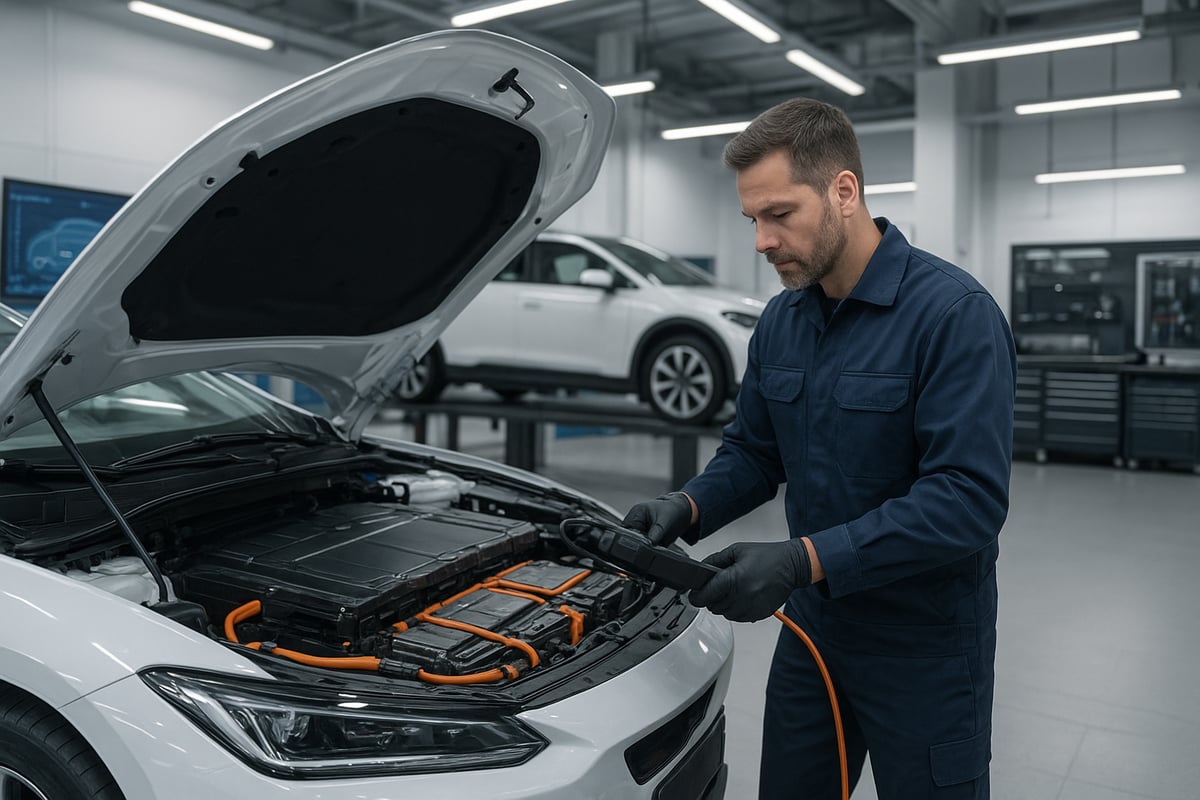
Electric car servicing has changed dramatically compared to traditional gasoline vehicle maintenance. With far fewer moving parts, electric vehicles experience less wear and tear on items like belts, hoses, and fluids. This shift means owners can expect fewer breakdowns and simpler service routines.
Advancements in EV technology also influence how cars are maintained. High-voltage batteries, electric motors, and digital systems require specialized attention. As the number of electric vehicles grows, service centers have adapted, investing in new equipment and training technicians to handle these unique demands.
By 2026, the electric car servicing infrastructure will be robust, supporting a projected 30% increase in EVs on the road, according to Gartner forecasts 116 million EVs by 2026. Manufacturer service intervals are typically longer for EVs than for gasoline models, but regular checkups remain vital. Certified EV technicians use specialized tools to ensure safety and performance.
Consider the difference in service schedules:
| Model | First Major Service | Service Interval | Common Tasks |
|---|---|---|---|
| Tesla Model 3 | 2 years | 2 years | Tire rotation, brake fluid, cabin filter |
| Nissan Leaf | 1 year | 1 year | Battery check, brake fluid, cabin filter |
Even with fewer parts, electric car servicing is crucial for longevity and safety.
Key Differences Between EV and Gasoline Car Servicing
One of the most significant changes is the absence of oil changes, spark plugs, and exhaust systems in electric vehicles. Instead, electric car servicing focuses on systems unique to EVs, such as batteries, electric motors, and software diagnostics.
Key maintenance areas include:
- Battery health and management
- Electric motor inspections
- Regenerative braking system checks
- Software and firmware updates
Regenerative braking reduces wear on traditional brake components, but these systems still require regular inspection. Battery and electronics cooling systems are another unique focus, ensuring thermal stability for performance and safety.
Cost is often a concern for owners. On average, annual servicing for an EV is lower than for an internal combustion engine (ICE) vehicle, primarily due to fewer mechanical parts. For example, a typical EV service might cost 20-30% less than a comparable gasoline car service. This reduction makes electric car servicing more affordable in the long run.
Common Misconceptions About EV Maintenance
A widespread myth is that electric vehicles are maintenance-free. While electric car servicing is simpler, there are still critical components that require routine attention. Neglecting these can impact performance and safety.
Owners should regularly monitor tire condition, brake fluid levels, and software updates. Battery health checks are also essential, especially as warranty terms often require documented service visits to remain valid.
Real-world reports show that even EVs can develop issues such as battery degradation or software glitches. Addressing these promptly helps avoid costly repairs and extends vehicle life. Misinformation about servicing can lead to neglect, so it is important to follow the manufacturer's recommended schedule for electric car servicing and seek help from certified professionals when needed.
Step-by-Step Electric Car Maintenance Checklist for 2026
Keeping your electric car running at its best in 2026 requires a proactive approach. While electric car servicing is simpler than traditional vehicle maintenance, it is not maintenance-free. A step-by-step checklist ensures your EV operates safely, efficiently, and reliably for years to come.
Battery Health and Management
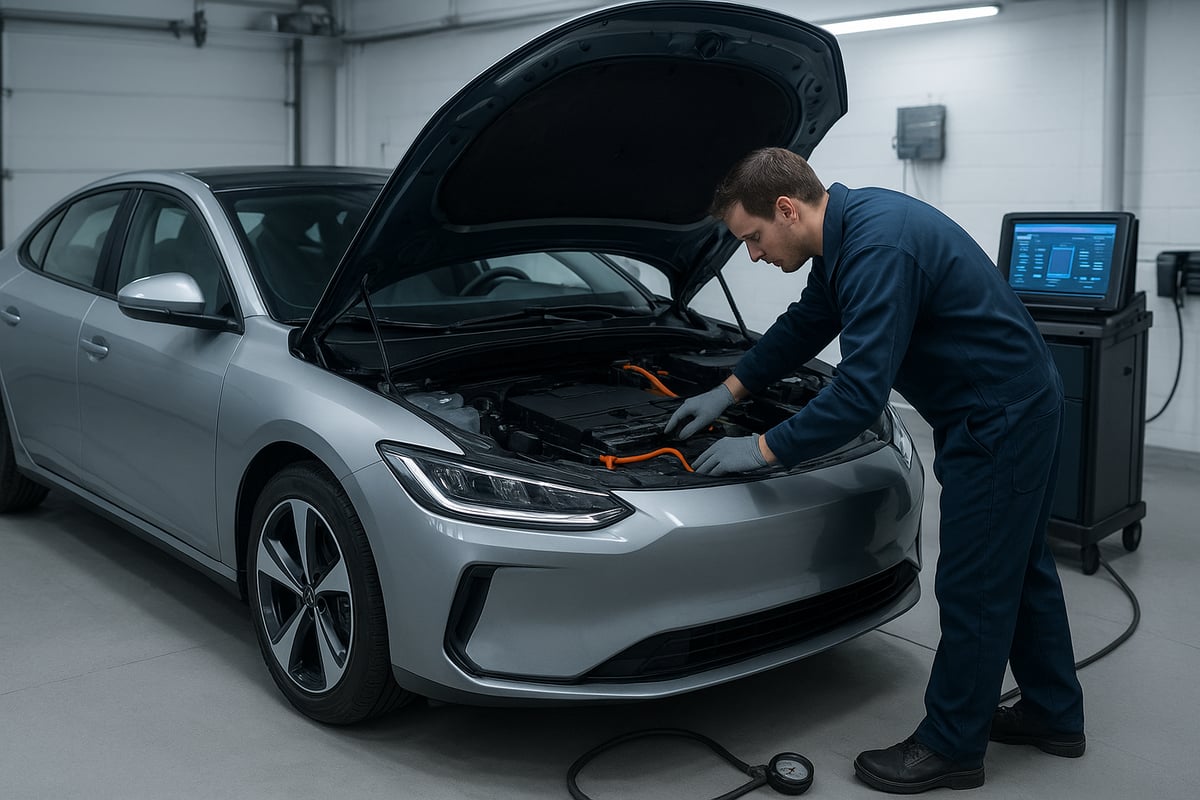
The battery is the powerhouse of your EV, making its care central to electric car servicing. Schedule regular battery inspections to monitor the State of Health (SOH) and capacity. Look for signs of degradation, such as reduced range or longer charging times.
Consult your manufacturer’s battery warranty terms. Most cover 8 years or up to 160,000 kilometers, but coverage specifics vary. To maximize lifespan:
- Keep daily charging between 20% and 80%.
- Avoid frequent fast charging unless necessary.
- Maintain optimal temperatures for your battery.
- Use smart charging features when possible.
In 2026, average battery replacement costs range from $6,000 to $10,000, so preventative care is crucial. For those charging at home, professional residential EV charging station installs ensure safe and efficient battery management, supporting long-term electric car servicing.
Software and Firmware Updates
Modern EVs rely on sophisticated software for performance and safety. Regular software and firmware updates are a critical part of electric car servicing. Most models now receive over-the-air (OTA) updates, making it easier than ever to keep your vehicle up to date.
Always schedule updates promptly. Verify successful installation through the vehicle’s interface. Updates can resolve safety recalls, enhance features, and improve efficiency. For example, some manufacturers have addressed brake performance and range optimization issues through OTA patches.
Ignoring updates can risk both safety and warranty coverage. Make sure your EV’s software is current for the best driving experience and peace of mind.
Brake System Maintenance
EVs use regenerative braking, which reduces wear on traditional brake pads and discs. However, brake system maintenance remains a vital part of electric car servicing. Inspect brake pads, discs, and fluid during scheduled service intervals.
Watch for warning signs specific to EVs, such as inconsistent pedal feel or odd noises when braking. While brake pads may last longer (often 80,000 km or more), regular checks are still needed to ensure safety.
Remember, regenerative systems do not eliminate the need for maintenance. Schedule annual inspections to catch issues early and maintain optimal braking performance.
Tire Care and Rotation
Tires on EVs face unique wear patterns due to instant torque and additional vehicle weight. Tire care is essential to electric car servicing. Rotate tires every 10,000 to 12,000 kilometers, and check alignment at least annually.
Monitor tire pressure regularly. Proper inflation directly impacts your vehicle’s range and safety. EV-specific tires in 2026 cost more than standard models, averaging $250 to $400 each, but they are designed for quiet operation and efficiency.
For most popular EV models, expect tire lifespan between 40,000 and 60,000 kilometers with proper care. Diligent tire maintenance protects your investment and ensures a smooth ride.
Cooling and HVAC System Checks
Battery and motor cooling systems are vital to your EV’s longevity. As part of electric car servicing, check coolant levels, inspect pumps, and ensure heat exchangers are functioning correctly.
Don’t overlook the HVAC system. It not only keeps the cabin comfortable but also supports battery efficiency by regulating temperature. Follow manufacturer-recommended service intervals for both cooling and HVAC components.
A well-maintained cooling system prevents overheating, reduces battery stress, and promotes consistent performance. Regular checks can help you avoid unexpected breakdowns and expensive repairs.
High-Voltage System Safety
High-voltage systems in EVs require careful attention during electric car servicing. Visually inspect cables and connectors for any signs of damage, corrosion, or wear. Be alert for warning lights or unusual odors, which could indicate serious electrical issues.
Always follow safety protocols. Owners should never attempt repairs on high-voltage components themselves. Certified technicians have the training and equipment to handle these systems safely.
Professional servicing is essential for high-voltage repairs, protecting both your safety and your vehicle’s warranty. Routine inspections help prevent accidents and ensure your EV remains reliable.
Battery Care: Maximizing Lifespan and Performance
The heart of any electric vehicle is its battery. Proper care directly influences longevity, efficiency, and the overall cost-effectiveness of electric car servicing. In 2026, evolving battery technology and new best practices make it crucial for owners to prioritize battery health.
Charging Best Practices
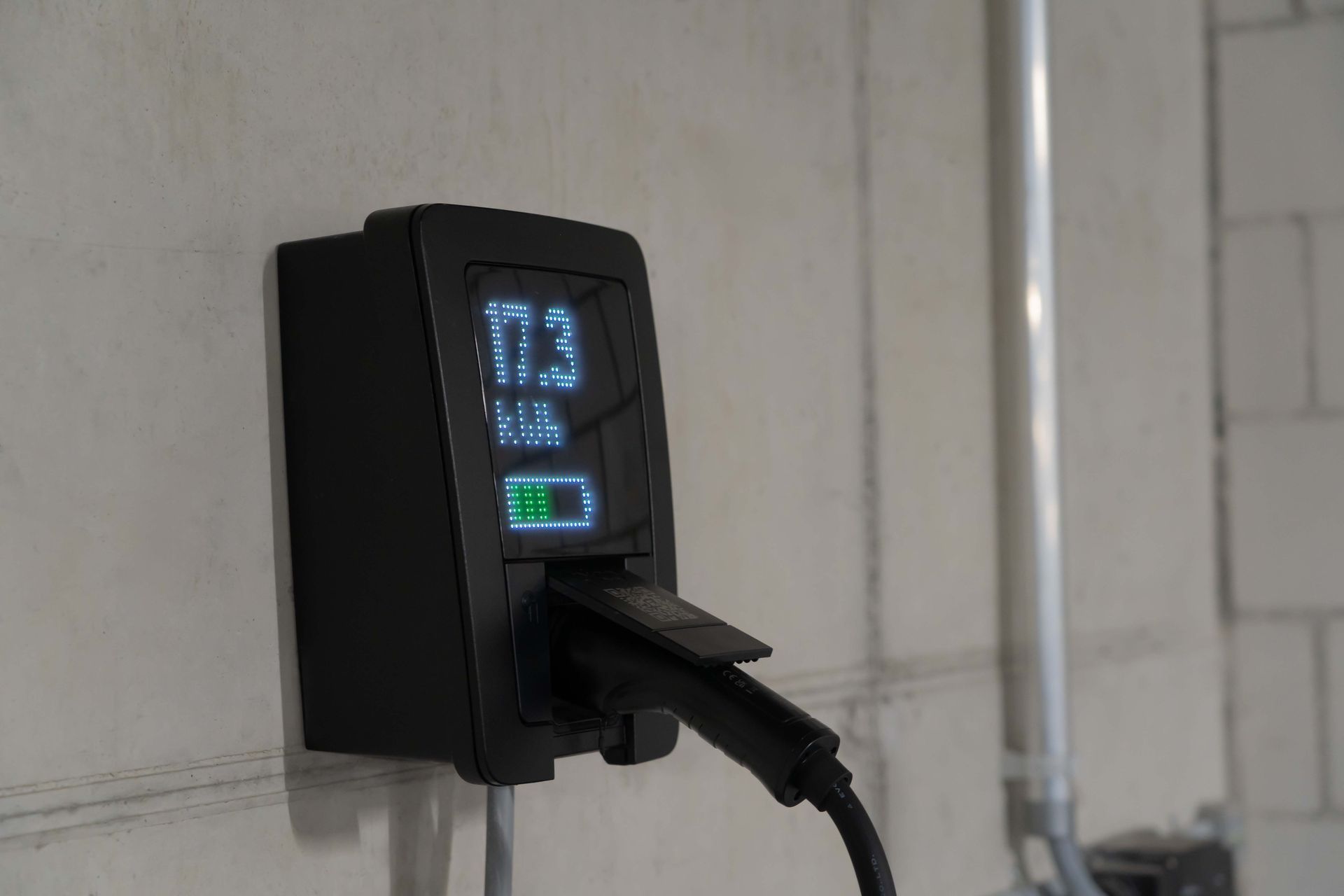
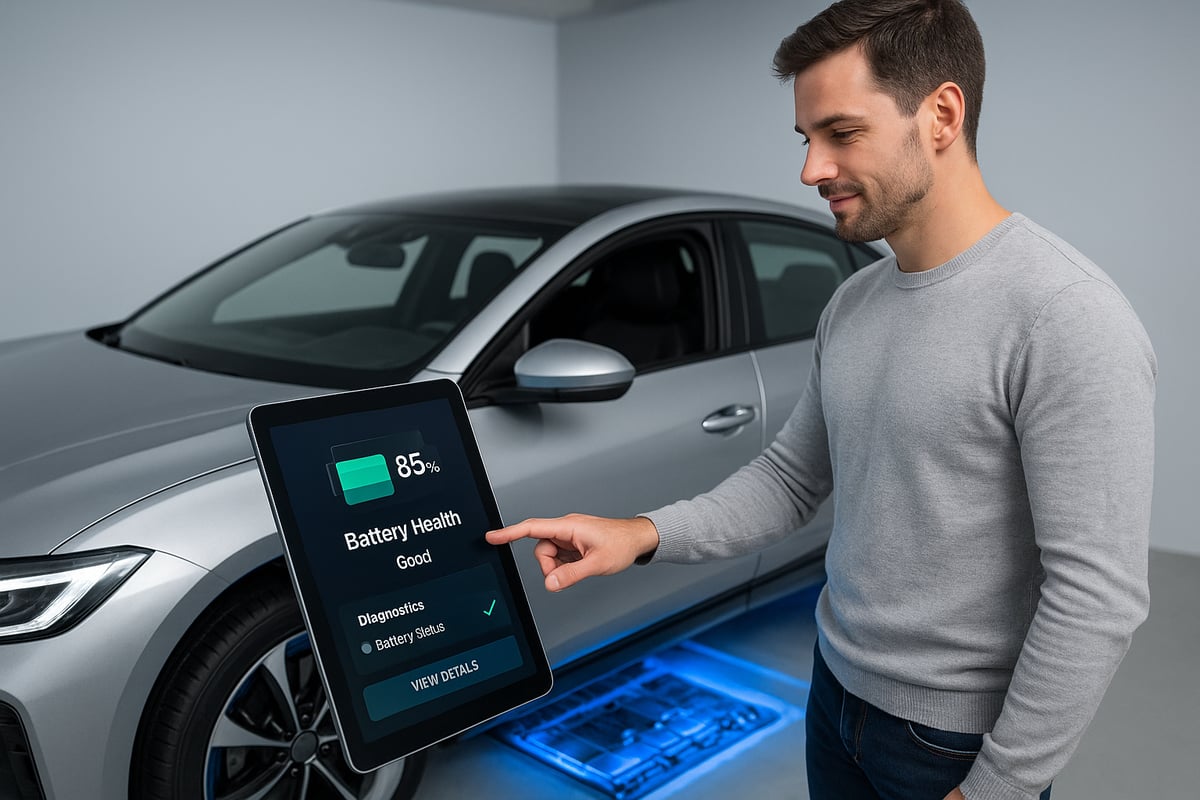
Smart charging habits are essential for maximizing battery lifespan and minimizing future electric car servicing costs. Most manufacturers now recommend maintaining a daily charge between 20% and 80%. This range helps reduce long-term stress on battery cells and slows down degradation.
When possible, use Level 2 charging at home for daily needs. Reserve DC fast charging for road trips or urgent top-ups, as frequent fast charging can accelerate wear on battery chemistry. Always follow your vehicle’s recommended charging speeds and schedules.
Public charging stations have become safer and more accessible, but it's still vital to follow safety protocols. Avoid leaving your vehicle plugged in longer than necessary, and use only certified equipment. For those considering home charging upgrades, consult the Home EV charger installation guide to ensure code compliance and maximize charging efficiency.
Smart charging systems in 2026 allow you to schedule charging during off-peak hours, saving money and reducing grid strain. By integrating these habits into your routine, you not only protect your battery but also streamline electric car servicing for years to come.
Temperature Management
Temperature extremes can significantly impact battery performance and the frequency of electric car servicing. High heat accelerates chemical reactions inside the battery, leading to faster capacity loss, while cold slows down energy flow and reduces driving range.
Modern EVs are equipped with advanced thermal management systems. These systems automatically regulate battery temperature, but owners should still take proactive steps. Pre-conditioning your vehicle while it’s plugged in warms or cools the battery before driving, improving efficiency and comfort.
Whenever possible, park your car in shaded or climate-controlled areas during hot weather. In winter, garage parking helps maintain an optimal temperature and reduces battery stress. According to recent data, batteries in hot climates can degrade up to 30% faster than those in moderate conditions, making temperature awareness a key part of electric car servicing.
Use the vehicle’s app or dashboard to monitor battery temperature alerts. By following these strategies, you can extend battery life and reduce the risk of unexpected service visits.
Signs of Battery Trouble and When to Seek Help
Early detection of battery issues is vital for effective electric car servicing. Watch for signs like reduced driving range, slower charging times, or new dashboard warning lights. Many 2026 EVs provide built-in diagnostic tools and health reports, enabling owners to track battery state of health (SOH) and capacity in real time.
If you notice any of these symptoms, consult a certified EV technician promptly. Timely intervention can prevent more serious problems and may help you take advantage of warranty coverage for battery repairs or replacements. For environmentally responsible battery disposal or recycling, refer to the EPA's battery collection best practices to ensure compliance with the latest standards.
Remember, regular monitoring and immediate action are cornerstones of safe, reliable electric car servicing. Addressing battery concerns early helps maintain optimal performance and supports a longer vehicle lifespan.
The Role of Software in Electric Car Servicing
Software has become a cornerstone of electric car servicing in 2026. As EVs rely more on digital systems, keeping software current is as essential as physical maintenance. Owners must understand how updates, diagnostics, and personalization features contribute to safety, efficiency, and overall vehicle health.
Importance of Regular Updates
Modern electric vehicles receive over the air (OTA) software updates that can improve performance, introduce new features, and address safety concerns. Regular updates are a vital part of electric car servicing, ensuring that your vehicle benefits from the latest advancements and security patches.
Key benefits of regular software updates include:
- Enhanced safety, with quick deployment of critical fixes
- Improved driving range and battery management
- Access to new infotainment or driver assistance features
For example, some automakers have resolved safety recalls entirely through software updates, eliminating the need for physical repairs. Ignoring these updates can lead to missed safety improvements or even void your warranty. Owners should schedule updates promptly and verify installation completion in their vehicle’s system settings.
Diagnostics and Remote Monitoring
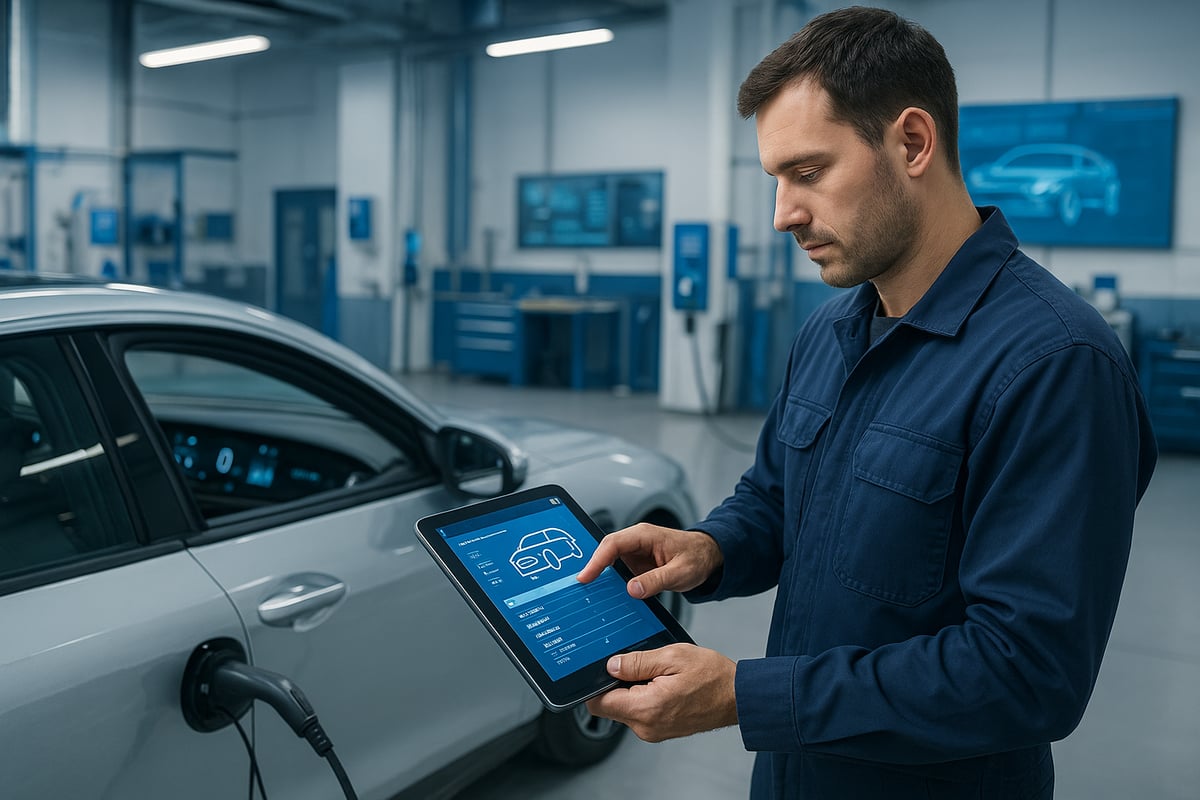
Electric car servicing in 2026 relies heavily on advanced diagnostics and remote monitoring. Today’s EVs are equipped with built-in systems that detect faults in real time, alerting drivers and technicians to any issues before they escalate.
Telematics and predictive maintenance tools offer several advantages:
- Early detection of battery or motor irregularities
- Automatic notifications for scheduled maintenance
- Remote troubleshooting by certified technicians
By 2026, a large percentage of EVs will feature remote diagnostics, allowing issues to be identified and sometimes fixed without a service center visit. This approach supports safer, more reliable vehicles throughout their lifespan. According to TÜV SÜD's 2026 report on used EV safety, strong software diagnostics contribute to the impressive safety record of used electric vehicles.
Customization and User Experience
Personalization is another growing aspect of electric car servicing. Owners can tailor their driving experience through software, integrating their EVs with smart home systems and mobile apps.
Popular customization options include:
- Scheduling charging for off-peak electricity rates
- Adjusting climate control remotely before driving
- Setting up driver profiles for seat and mirror positions
For example, with a simple command, you can schedule your EV to charge overnight:
vehicle.schedule_charging(start_time="22:00", end_time="06:00")
These features not only enhance comfort but also support more efficient energy use. As software continues to evolve, staying engaged with updates and new tools will remain a key part of electric car servicing for years to come.
Cost-Saving Strategies for Electric Car Owners
Owning an EV in 2026 brings many opportunities to save on electric car servicing without sacrificing reliability. Smart maintenance habits and informed choices can help you cut costs while ensuring your vehicle’s longevity. Let’s explore actionable strategies every electric car owner should know.
DIY Maintenance Tasks
Taking charge of basic electric car servicing at home can reduce expenses and boost your confidence as an EV owner. Many routine checks require minimal tools and no technical expertise.
- Inspect tire pressure monthly to maximize range and prevent uneven wear.
- Top up windshield washer fluid regularly, especially before long trips.
- Clean and check wiper blades for streaking or damage.
- Monitor coolant levels if your EV manual recommends it.
- Use manufacturer-supplied diagnostic apps to monitor battery status and receive alerts.
These tasks help you catch small issues before they become costly repairs. For example, maintaining proper tire pressure not only extends tire life but also keeps your vehicle running efficiently, a key part of electric car servicing.
Choosing the Right Service Provider
Selecting a qualified service provider is crucial for safe and affordable electric car servicing. Certified EV service centers employ technicians trained to handle high-voltage systems and specialized components.
Consider these factors when comparing providers:
| Criteria | Dealership | Independent Specialist |
|---|---|---|
| Certified EV Technicians | Yes | Varies |
| Access to Genuine Parts | Always | Sometimes |
| Average Service Cost | Higher | Potentially Lower |
| Warranty Compliance | Guaranteed | Must Verify |
Ask each provider about their experience with your EV model. Inquire about the diagnostic equipment they use and whether they follow manufacturer-recommended procedures. Comparing quotes and checking reviews can help you find the best value for electric car servicing in your area.
Warranty and Service Plans
Understanding your warranty coverage can help you avoid unnecessary expenses for electric car servicing. Most new EVs come with comprehensive warranties covering the battery, drivetrain, and essential systems for several years.
Extended service plans may offer additional peace of mind, but review the terms carefully. Manufacturer plans typically ensure compatibility with the latest updates and service protocols, while third-party plans may have lower costs but more restrictions.
For example, Tesla offers an eight-year battery warranty, while Hyundai covers certain components up to 10 years. Home charging equipment must also meet safety standards and local codes. For Ontario residents, following Ontario Electrical Code compliance for EVs is essential for safe and legal charger installation, which can impact warranty eligibility and long-term maintenance costs.
Review your service plan regularly and keep records of all electric car servicing to protect your investment and maximize coverage.
Regulatory and Safety Updates for 2026
As electric car servicing evolves in 2026, staying current with regulatory and safety standards is more important than ever. With new technologies and a growing EV population, owners must understand how changing laws, environmental policies, and recall procedures affect their vehicles and maintenance routines.
New Canadian and International Standards
Regulations for electric car servicing have seen significant updates for 2026. In Canada, the Canadian Electrical Code (CEC) now enforces stricter requirements for both home and commercial EV charging installations. This ensures that all charging equipment meets the latest safety protocols, protecting both property and vehicle.
Globally, new international standards focus on technician certification, high-voltage system handling, and battery management. Owners must verify that their service providers are up to date with these requirements. For business owners and fleet operators, understanding commercial EV charging rules is crucial. For more information, see Commercial EV car charger installation.
Government incentives continue to support upgrades and green servicing practices, but they may require compliance with specific codes or proof of eco-friendly disposal. One major policy shift is the introduction of mandatory battery recycling programs. These programs require service centers to collect, process, and report on used battery packs, supporting a circular economy for electric car servicing.
Environmental Considerations
Proper disposal of batteries and hazardous materials is central to responsible electric car servicing. By 2026, eco-friendly practices are not just best practice—they are often required by law. Service centers must follow strict guidelines for the storage, transport, and recycling of lithium-ion batteries.
Many manufacturers now include environmental stewardship in their service contracts. This means using recycled parts, minimizing chemical waste, and reducing the carbon footprint of maintenance operations. The projected EV battery recycling rate in 2026 is expected to reach 65%, a significant jump from previous years.
Owners should ask about green certifications at their chosen service center. Choosing providers who prioritize eco-friendly servicing helps protect the environment and ensures compliance with evolving regulations. These steps also support the long-term sustainability of electric car servicing.
Safety Recalls and Compliance
Staying informed about safety recalls is a critical part of electric car servicing. Manufacturers issue recalls for battery systems, charging equipment, and software, often prompted by regulatory reviews or real-world incidents. Registering your EV with the manufacturer ensures you receive timely updates and recall notices.
With a projected 230% increase in returning EV lease volumes by 2026, as highlighted in J.D. Power's report on returning EV lease volumes, more used vehicles will enter the market. This trend increases the importance of recall compliance and regular service checks.
Owners should check government and manufacturer websites for recent recall trends. Response rates continue to improve as digital notifications and over-the-air updates become standard. Maintaining compliance is not only a legal responsibility but also a vital aspect of safe and effective electric car servicing.
As you look ahead to 2026 and take steps to keep your electric vehicle in top shape, it’s important to have expert support you can trust. Whether you’re thinking about installing a new EV charger at home or want to make sure your setup meets the latest Canadian safety standards, our team is here to help you every step of the way. We understand the unique needs of EV owners in the GTA, and we’re committed to providing reliable, code-compliant solutions that keep your vehicle running smoothly. If you’re ready to future proof your charging setup, get your personalized EV Charger Installation Quote.