Electric Charger Installation Guide: Your 2026 Roadmap
Canada is witnessing a surge in electric vehicle adoption, with more drivers making the switch every year. As this shift accelerates, electric charger installation is becoming a crucial part of modern living.
This comprehensive guide offers a step-by-step roadmap for 2026, helping you navigate the evolving landscape with confidence. You will discover the latest charger technologies, insights into Canadian regulations, and practical advice for planning your installation.
Learn how to choose the right charger, ensure code compliance, and secure long-term value for your investment. Enjoy the convenience, cost savings, and peace of mind that come with expert guidance. Are you ready to power your future?
Understanding Electric Vehicle Charger Types and Technology
Choosing the right electric charger installation is crucial for both convenience and long-term value. With rapid advancements in EV technology and growing infrastructure, understanding charger types and features ensures your investment is future-ready.
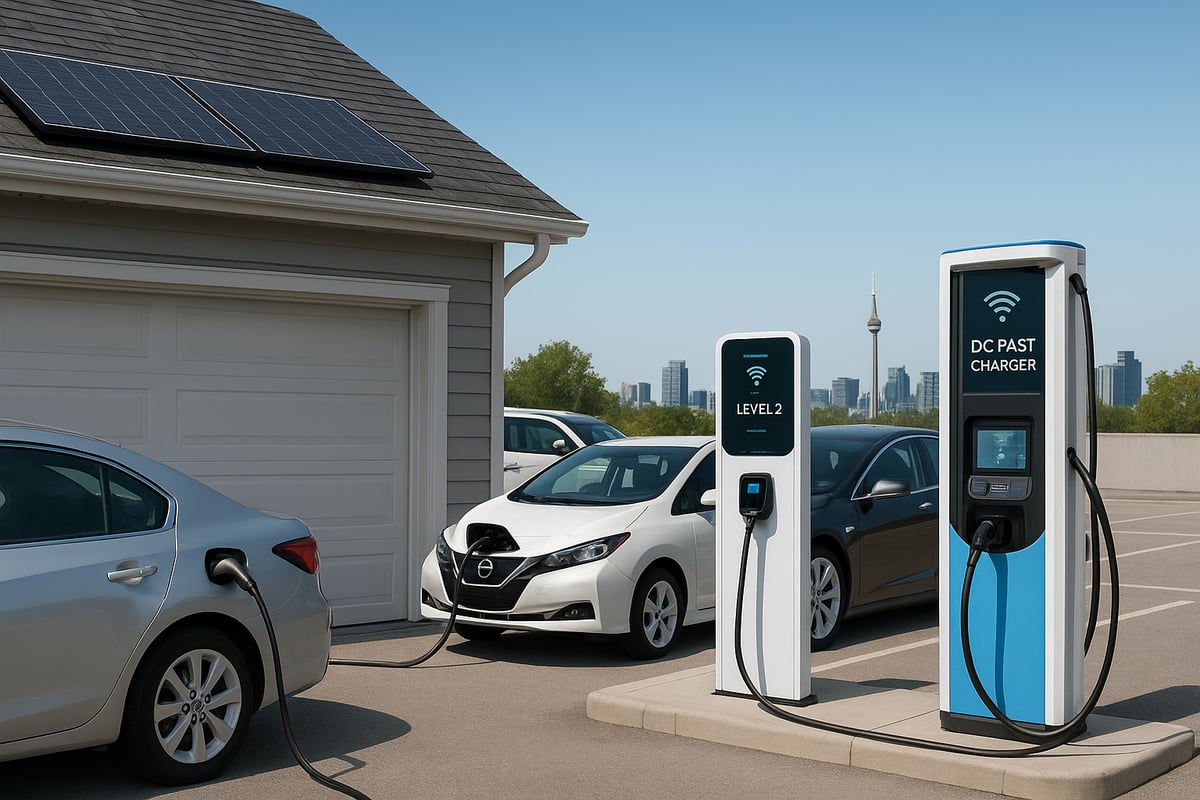
Overview of EV Charging Levels
When planning an electric charger installation, it's essential to understand the three main charging levels. Each level serves a different purpose and offers unique charging speeds:
| Level | Power Output | Charging Time | Typical Use |
|---|---|---|---|
| Level 1 | 120V, 12-16A | 8–20 hrs (full) | Home, overnight |
| Level 2 | 240V, 16-80A | 4–8 hrs (full) | Home, workplace |
| DC Fast Charge | 400V+, 50-350kW | 30–60 min (80%) | Public, highways |
Level 1 is ideal for overnight charging at home. Level 2 offers faster charging for daily use at residences or businesses. DC Fast Charging is best for commercial sites or quick top-ups during travel. Your electric charger installation should match your daily driving habits and site requirements.
Latest Charger Technologies for 2026
The landscape of electric charger installation is evolving rapidly. In 2026, smart chargers are equipped with Wi-Fi or Bluetooth connectivity, allowing remote monitoring and app-based control. Integration with home energy management systems lets users optimize charging based on solar production or electricity rates.
Advanced features include:
- Dynamic load balancing to prevent panel overload
- Real-time energy tracking and reporting
- Automatic firmware updates for enhanced security
Selecting a charger with these features ensures your electric charger installation remains efficient and adaptable as technology advances.
Compatibility With Electric Vehicles
A successful electric charger installation depends on connector compatibility. Most EVs in Canada use the universal SAE J1772 connector for Level 1 and Level 2 charging. For DC Fast Charging, CCS and CHAdeMO connectors are common, while Tesla vehicles require adapters for non-Tesla stations.
To future-proof your electric charger installation, consider chargers with multiple connector options or support for over-the-air updates. For a step-by-step approach tailored to home setups, review this Home EV charger installation guide.
Safety and Efficiency Standards
Safety is paramount in any electric charger installation. The Canadian Electrical Code (CEC) is updated regularly, with 2026 bringing new requirements for EV charging equipment. Look for chargers that are UL or CSA certified, ensuring compliance and peace of mind.
Energy efficiency ratings help reduce long-term costs. Always verify that your electric charger installation uses equipment tested to the latest standards, and consult a licensed electrician for code-compliant work.
Example: Toronto’s EV Charging Infrastructure Growth
Toronto’s commitment to electric charger installation is evident in its expanding infrastructure. By 2026, Ontario is projected to have over 15,000 public chargers, supporting both urban and suburban communities.
A recent case study highlights a condo building in downtown Toronto that upgraded its electrical system to install multiple Level 2 chargers. This investment not only increased property value but also provided residents with reliable charging options, showcasing the long-term benefits of a strategic electric charger installation.
Preparing for Your Electric Charger Installation
Making the right preparations is essential for a smooth electric charger installation. By understanding your electrical system, selecting the perfect spot, ensuring code compliance, budgeting for costs, hiring the right professional, and planning your timeline, you can set yourself up for long-term success and safety.
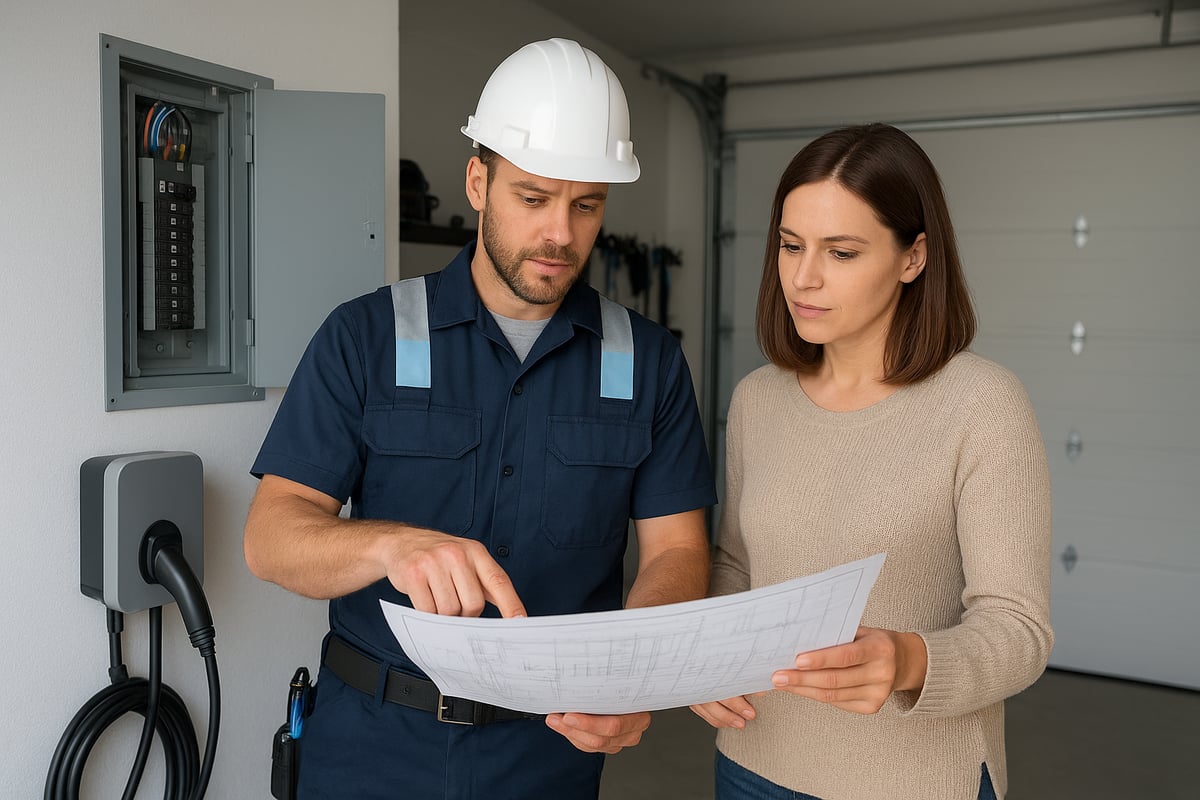
Assessing Your Electrical System’s Capacity
Before starting electric charger installation, check your home’s electrical panel size and available amperage. Most Canadian homes have either 100A or 200A service. Modern EV chargers often require a dedicated 40A or 50A circuit, so it is vital to confirm your panel can handle the extra load.
Steps to assess your capacity:
- Locate your main electrical panel and check the amperage rating.
- Review your latest hydro bill for average monthly usage.
- List all major appliances running on your system.
If your panel is already near capacity, you may need a service upgrade. Consulting a licensed electrician will ensure your electric charger installation is safe and compliant.
Site Selection and Charger Placement
Choosing the right location for your electric charger installation impacts convenience, safety, and longevity. Decide between indoor (garage) and outdoor (driveway) setups. Each has unique pros and cons for Canadian climates.
Key considerations:
- Accessibility: Will you need to reach the charger from multiple vehicles?
- Cable management: Is there a safe, tidy route for the charging cable?
- Weatherproofing: Outdoor installations require weather-rated enclosures and components.
For example, Greater Toronto Area homeowners often opt for garage installation to protect their investment from snow and ice. Plan the site to streamline daily charging and reduce risk of damage.
Permits, Regulations, and Code Compliance
Every electric charger installation must meet strict safety and legal standards. In Toronto and the GTA, municipal permits are mandatory for most residential projects. You must also follow the Canadian Electrical Code (CEC) and pass an ESA inspection.
The process typically involves:
- Submitting a permit application to your city or municipality.
- Scheduling ESA inspections before and after installation.
- Ensuring compliance with the latest code updates.
For an in-depth look at requirements, see the Ontario electrical code compliance guide. Avoid shortcuts to prevent safety hazards and costly corrections.
Cost Estimates and Incentives
Budgeting for electric charger installation is crucial. Most homeowners spend between $1,000 and $3,000, depending on equipment, panel upgrades, and labor. Rebates and incentives can offset these costs, making EV adoption more affordable.
Typical costs include:
| Installation Item | Cost Range ($CAD) |
|---|---|
| Charger unit | $600 – $1,500 |
| Electrical labor | $500 – $1,500 |
| Panel upgrade | $1,000 – $2,500 |
Available incentives:
- Federal iZEV program rebates
- Ontario-specific grants for residential EV charging
Track your long-term savings on electricity and maintenance after electric charger installation to maximize return on investment.
Choosing a Qualified Installer
Selecting the right professional is key to a safe electric charger installation. Always hire a licensed, insured electrician with experience in EV charging systems.
Checklist for choosing an installer:
- Verify ESA certification and credentials.
- Ask for proof of insurance and licensing.
- Request references or examples of previous projects.
DIY or unlicensed installation can void warranties and pose safety risks. Trust an expert to deliver reliable, code-compliant results.
Timeline Planning and Scheduling
Plan ahead to avoid delays in your electric charger installation. The typical timeline is 2 to 4 weeks, from initial assessment to final activation.
Factors influencing your schedule:
- Availability of electricians and equipment
- Permit approval times
- Weather or supply chain interruptions
Coordinate with your electrical utility if a service upgrade is needed. Setting clear expectations will help your electric charger installation progress smoothly and minimize downtime.
Step-by-Step Electric Charger Installation Process
Embarking on an electric charger installation requires a clear roadmap. Each phase is crucial for safety, compliance, and long-term satisfaction. Let’s walk through every step, so you know exactly what to expect and how to achieve the best results.
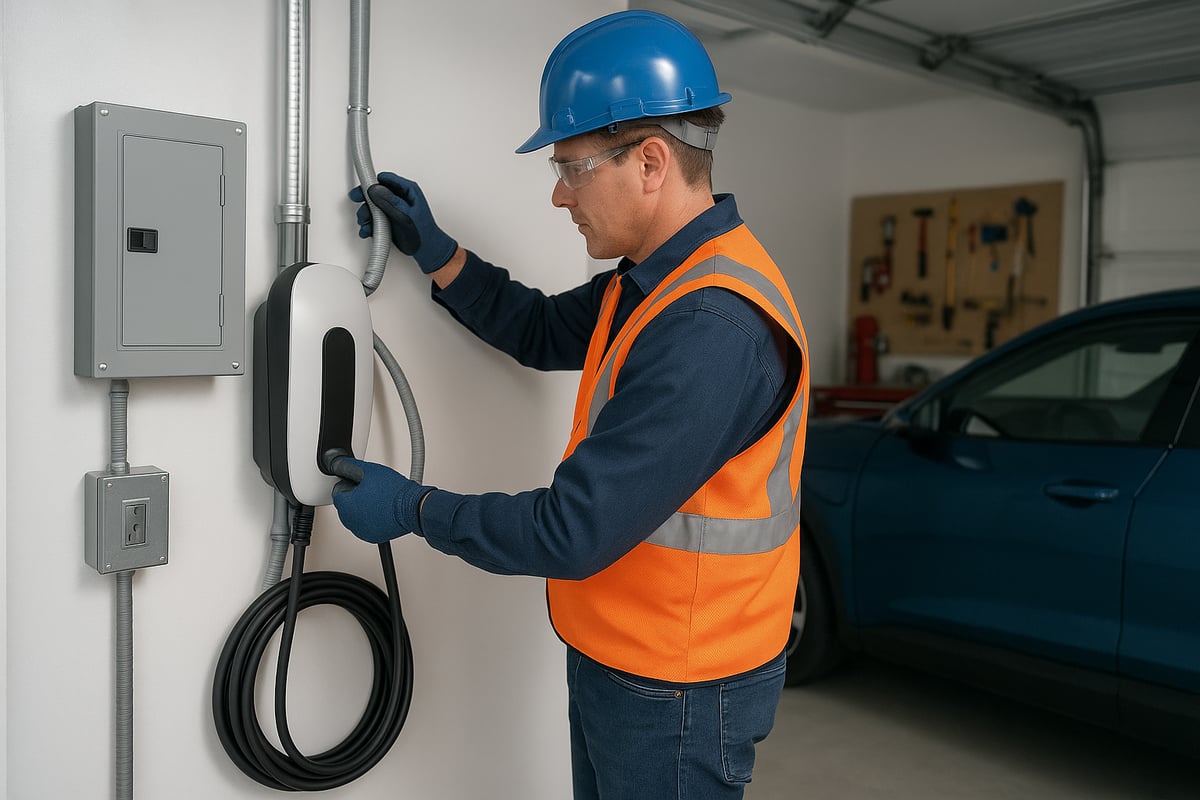
Step 1: Initial Consultation and Site Assessment
Your electric charger installation journey starts with an initial consultation. A licensed electrician will visit your property, assess your electrical panel, and review your charging needs.
During the walkthrough, the electrician evaluates your panel’s capacity and calculates the load required for your specific EV. They’ll identify the optimal location for the charger, considering cable length, proximity to your vehicle, and future expansion possibilities.
This assessment ensures your planned electric charger installation is both feasible and tailored to your home’s infrastructure. Open communication at this stage helps avoid surprises later.
Step 2: Obtaining Permits and Utility Approvals
Before any work begins, securing the right permits is essential for a compliant electric charger installation. In Toronto and the GTA, municipal permits are required for most residential and commercial projects.
Your electrician will guide you through the permit application, often handling paperwork and submissions. If your installation needs a service upgrade or new meter, the utility company must be notified for approval.
Common steps include:
- Completing permit applications
- Submitting electrical drawings
- Coordinating with the utility for inspections
Addressing permits early keeps your electric charger installation on schedule and ensures you meet local regulations.
Step 3: Electrical Panel Upgrades (If Needed)
Not all homes are immediately ready for electric charger installation. Sometimes, panel upgrades are necessary to handle the increased load required by EV charging.
Signs you may need an upgrade include limited available amperage, outdated panels, or frequent breaker trips. Upgrading from a 100A to a 200A service is a common solution, especially for households with multiple high-demand appliances.
The process involves:
- Removing the old panel
- Installing the new, higher-capacity panel
- Coordinating inspections by the Electrical Safety Authority (ESA)
This critical step ensures your electric charger installation is safe, future-proof, and compliant with the latest standards.
Step 4: Charger Selection and Procurement
Choosing the right charger is central to a successful electric charger installation. Consider your EV model, charging speed preferences, and smart features like Wi-Fi or energy management integration.
Trusted brands offer robust warranties and support. Ordering from reputable sources ensures product reliability and compliance with Canadian safety codes.
For residential projects, working with professionals who specialize in residential EV charging station installs can simplify the selection process and provide long-term peace of mind. Delivery timelines vary, so plan accordingly to avoid delays.
Step 5: Physical Installation of Charger
With the equipment in hand, the physical phase of electric charger installation begins. The electrician mounts the charging unit on a wall, pedestal, or pole, depending on your site’s layout.
Wiring is run from the panel to the charger, using conduit for protection and neatness. Ground-fault circuit interrupter (GFCI) protection is installed to safeguard against electrical hazards.
For outdoor setups, weatherproof enclosures and insulated cables are used to withstand Canadian winters. This careful approach ensures your electric charger installation is durable and reliable in any season.
Step 6: System Testing and Safety Checks
After installation, thorough testing is vital for a safe and efficient electric charger installation. The electrician verifies the correct voltage, amperage, and grounding.
ESA inspections are scheduled to confirm compliance with local codes. All documentation, including permits and inspection reports, is reviewed and provided for your records.
Common troubleshooting steps include checking for loose connections, ensuring the charger communicates with your vehicle, and resolving any error codes. These checks guarantee your electric charger installation operates as intended from day one.
Step 7: Activation and User Training
The final step in electric charger installation is activating the system and ensuring you know how to use it. The electrician helps you connect the charger to Wi-Fi or a mobile app, enabling features like remote monitoring and scheduling.
You’ll receive guidance on best practices for charging, such as optimizing battery health and using off-peak hours to save on electricity costs. Maintenance tips are provided so you can keep your system in top condition.
Proper training ensures you get the most from your electric charger installation, setting you up for years of convenient, efficient EV charging.
Maintenance, Troubleshooting, and Upgrades
Regular maintenance is essential for a reliable electric charger installation. Proactive care extends the lifespan of your equipment and reduces unexpected downtime. By following a structured approach, you can ensure your charging setup remains safe, efficient, and ready for future demands.
Routine Maintenance for EV Chargers
Consistent upkeep is vital for any electric charger installation. Begin with regular cleaning of the charger exterior and connectors to prevent dust and moisture buildup. Inspect cables for wear, cracks, or exposed wires. Schedule periodic visual inspections to check mounting stability and ensure all connections remain secure.
Professional maintenance visits are recommended at least once a year. During these check-ups, a licensed electrician can test system performance, verify safety features, and update firmware if needed. Document all maintenance activities for warranty and insurance purposes. Preventive care helps avoid costly repairs and keeps your electric charger installation operating smoothly.
Common Issues and Troubleshooting Steps
Even with diligent maintenance, issues can arise in your electric charger installation. If the charger will not start, first check the power supply and ensure the breaker has not tripped. Connectivity problems may stem from Wi-Fi or Bluetooth settings, so verify network access.
Refer to the manufacturer's manual for error codes, which can indicate specific faults such as ground faults or overcurrent. Resetting the unit may resolve minor glitches. If problems persist, contact a qualified electrician to avoid voiding your warranty. Prompt troubleshooting ensures your electric charger installation remains safe and reliable for daily use.
Upgrading Your Charger for Future Needs
As EV technology evolves, you may need to upgrade your electric charger installation. Consider increasing power capacity to accommodate faster charging or multiple vehicles. Newer models offer smart features like load balancing and solar integration for greater efficiency.
Always ensure upgrades comply with the latest Canadian Electrical Code updates for 2026. Using code-compliant equipment is crucial for safety and insurance. For detailed guidance on regulatory changes and best practices, consult resources such as the Canadian Electrical Code 2026 updates. Staying informed protects your investment and prepares your electric charger installation for future innovations.
Warranty, Support, and Service Contracts
Understanding the warranty and support terms for your electric charger installation is essential. Most manufacturers offer warranties ranging from three to five years, covering defects in materials and workmanship. Review the policy to know what is included and how to make a claim.
Consider purchasing a service contract for ongoing support and priority repairs. These agreements often include annual maintenance, software updates, and troubleshooting assistance. Reliable warranty and support services help maintain the performance and longevity of your electric charger installation.
Canadian Winters: Special Considerations
Canadian winters present unique challenges for any electric charger installation. Cold temperatures can impact charging speed and cable flexibility. Invest in weatherproof enclosures and heated cables to ensure reliable operation in subzero conditions.
Inspect and clear snow or ice from around the unit regularly. Choose chargers rated for extreme weather and look for anti-ice features. For example, homeowners in Scarborough often install insulated covers to protect their electric charger installation during harsh winter months. With proper preparation, you can charge your vehicle efficiently all year round.
Maximizing Value: Energy Management, Rebates, and Smart Charging
Unlocking the full potential of your electric charger installation means thinking beyond the plug. With thoughtful planning, you can take advantage of new technologies, save on costs, and future-proof your setup. Explore how smart energy management, government rebates, and innovative charging features can maximize your investment.
Energy Management Strategies
Effective energy management is essential for optimizing the performance and cost-effectiveness of your electric charger installation. By charging your vehicle during off-peak hours, you can take advantage of lower electricity rates and reduce the strain on your home’s electrical system.
Integrating your electric charger installation with home solar panels or battery storage systems can further reduce your carbon footprint and reliance on the grid. Load balancing features are increasingly common, helping you avoid overloading your panel or tripping breakers when running other high-power appliances.
Many smart chargers let you schedule charging sessions, monitor energy consumption, and dynamically adjust power levels. This ensures your electric charger installation runs efficiently, supports your lifestyle, and helps manage long-term costs.
Leveraging Rebates and Incentives
The cost of electric charger installation can be significantly reduced by tapping into available rebates and incentives. In 2026, both federal and Ontario programs offer attractive grants to homeowners and businesses, making the transition to EVs more affordable.
To maximize your savings, research current eligibility criteria and prepare your documentation before applying. Multi-unit residential buildings can benefit from specialized programs that support shared charging infrastructure, further boosting ROI.
For a broader perspective on national trends and funding opportunities, consider recent reports on Canada's EV charging network growth, which highlight expanded investment and increased public charger availability. These incentives make electric charger installation a smart, forward-looking investment.
Smart Charging Features and Benefits
Modern electric charger installation is synonymous with smart technology. Today’s chargers offer advanced scheduling, remote monitoring, and real-time usage tracking through user-friendly apps. These features not only simplify daily charging routines but also provide valuable insights into energy consumption patterns.
Participating in demand response programs can generate additional savings by automatically adjusting charging speed during peak grid times. Businesses and homeowners alike benefit from usage analytics, which support more informed energy decisions.
Case studies from Toronto office buildings show that smart charging can reduce operational costs while enhancing convenience and sustainability. Choosing the right smart charger ensures your electric charger installation evolves alongside your needs.
Environmental Impact and Sustainability
A thoughtfully planned electric charger installation plays a vital role in reducing your carbon footprint. Charging with clean energy, especially when combined with home solar power, further decreases greenhouse gas emissions.
End-of-life considerations are also important. Many manufacturers now offer recycling programs for old chargers, helping to minimize environmental impact. Ontario’s EV adoption has already led to significant GHG reductions, and with public infrastructure expanding by 33% in a single year, as shown in Canada's EV charging network growth, the positive effects will only accelerate.
By making sustainability a priority in your electric charger installation, you contribute to a cleaner, greener community.
Preparing for Future Tech: V2G and Bidirectional Charging
Electric charger installation is rapidly evolving, with vehicle-to-grid (V2G) and bidirectional charging on the horizon. V2G allows your EV to send power back to the grid or your home, providing backup energy during outages or peak demand periods.
Regulations and pilot programs in Canada are paving the way for widespread adoption of these technologies. Staying informed about upcoming standards ensures your electric charger installation remains compatible with future advances.
GTA pilot projects are already demonstrating the benefits of V2G, such as increased grid stability and improved energy resilience. Preparing now positions your electric charger installation for long-term flexibility and value.
Community and Condo Charging Solutions
Shared charging infrastructure is becoming essential in multi-unit buildings and workplaces. For condos and apartments, planning an electric charger installation involves coordinating billing, access control, and system management.
Modern management systems simplify user authentication and track consumption for each resident or employee. Success stories from GTA condos highlight how collaborative planning and professional installation result in reliable, scalable solutions.
For commercial or shared environments, partnering with a provider experienced in Commercial EV car charger installation ensures code compliance and long-term performance. Investing in the right electric charger installation makes shared charging seamless and future-ready.
Choosing the Right Professional for Your Installation
Selecting the right expert for your electric charger installation is critical for safety, compliance, and long-term reliability. In this section, we will guide you through what to look for in an installer, the key questions to ask, a spotlight on a trusted Toronto provider, and tips for comparing quotes confidently.
The Importance of Licensed and Insured Electricians
When it comes to electric charger installation, working with a licensed and insured electrician is non-negotiable. ESA licensing ensures your installer meets strict Canadian Electrical Code standards, protecting your home and vehicle from electrical hazards.
A professional installer carries proper insurance, reducing liability risks for homeowners. This attention to compliance and safety leads to fewer installation errors and more reliable charger performance. In fact, statistics show that projects completed by licensed professionals have significantly lower failure rates. Always verify credentials before starting your electric charger installation.
Questions to Ask Your Installer
Before moving forward with any electric charger installation, prepare a list of essential questions to ensure you are choosing the right professional. Ask about their experience with electric charger installation, particularly with your vehicle make and model.
Inquire about warranty coverage, post-installation support, and whether they provide references from local clients. Request details on recent projects similar to yours. These questions will help you assess their expertise and reliability, making your electric charger installation smoother and worry-free.
Professional Electric Charger Installation in Toronto >TA
For homeowners and businesses in the Toronto area, Bradcon Electrical Services Inc. offers expert electric charger installation backed by full ESA certification and insurance. Their team specializes in code-compliant solutions for both residential and commercial settings.

Bradcon Electrical is committed to safety, reliability, and maximizing long-term value for every client. Whether you need a single-home charger or a larger system for a business or condo, their tailored approach ensures your electric charger installation meets all regulatory requirements and project goals.
Comparing Quotes and Making Your Decision
When reviewing proposals for electric charger installation, focus on what each quote includes. Look for details on equipment, labor, permits, and potential upgrades. Use a comparison table to evaluate bids across price, timeline, and service scope:
| Criteria | Quote 1 | Quote 2 | Quote 3 |
|---|---|---|---|
| Total Cost | |||
| Warranty Included | |||
| Timeline Estimate | |||
| ESA Certification |
Choose an installer who balances cost, quality, and proven experience. This approach ensures your electric charger installation delivers lasting value and peace of mind.
As you plan your journey into electric vehicle ownership, having the right charger installed safely and efficiently is key to a smooth experience. We’ve walked through the essential steps—understanding charger types, navigating local codes, and choosing a trusted installer—so you can make informed decisions for your home or business. If you’re ready to ensure code compliance and long term value with a professional installation tailored to your needs in Toronto or the GTA, let’s take the next step together. You can get started with a personalized EV Charger Installation Quote
today.