Maintenance Electrician Guide: Skills, Duties & Career Paths 2026
The need for skilled maintenance electrician professionals is rapidly increasing as technology advances and infrastructure grows more complex. Reliable electrical systems are essential for safety and productivity across residential, commercial, and industrial settings.
This guide delivers a thorough look at the maintenance electrician role, exploring essential skills, daily duties, training options, and career paths through 2026. Whether you are considering this field or aiming to advance, you will find key insights to help you plan your next steps and thrive in this rewarding trade.
What is a Maintenance Electrician?
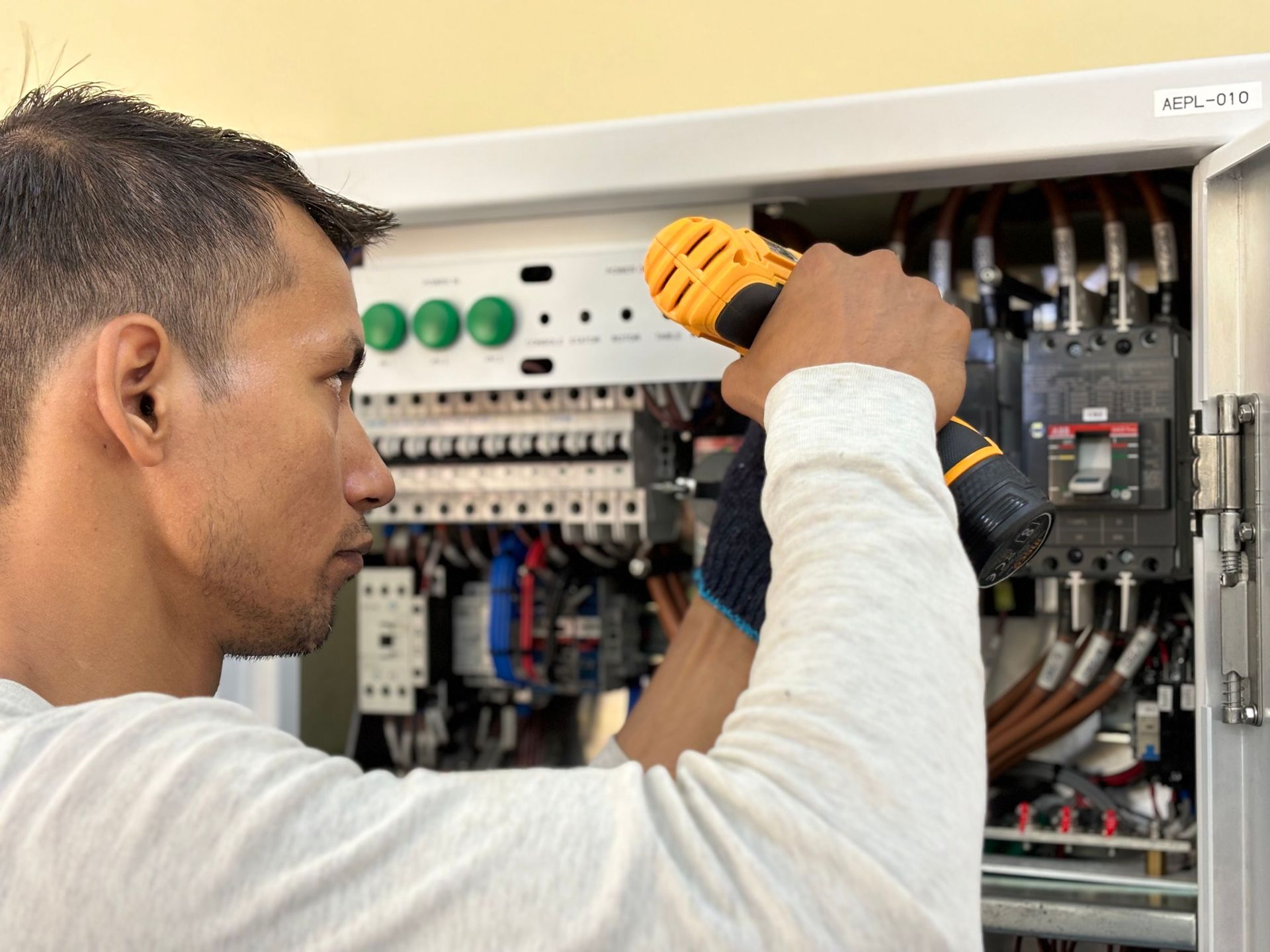
A maintenance electrician is a skilled professional responsible for keeping electrical systems running safely and efficiently. Their primary role centers on maintaining, troubleshooting, and repairing electrical wiring, equipment, and controls found in various settings. Unlike installation electricians, who focus on setting up new electrical systems, a maintenance electrician ensures that existing systems operate reliably and safely over time.
Maintenance electricians commonly work in factories, commercial buildings, and residential complexes. Their expertise is crucial as more industries rely on complex automation and advanced electrical infrastructure. Preventive maintenance is a major focus, with studies showing that systems are three times more likely to fail without regular attention. This proactive approach helps avoid costly breakdowns and supports the smooth functioning of critical operations.
Modern facilities increasingly depend on automation, programmable logic controllers, and smart electrical networks. Maintenance electricians must keep pace with these changes, developing skills that go beyond basic wiring and repairs. Their role is vital in safeguarding both equipment and personnel, making them indispensable across a range of industries.
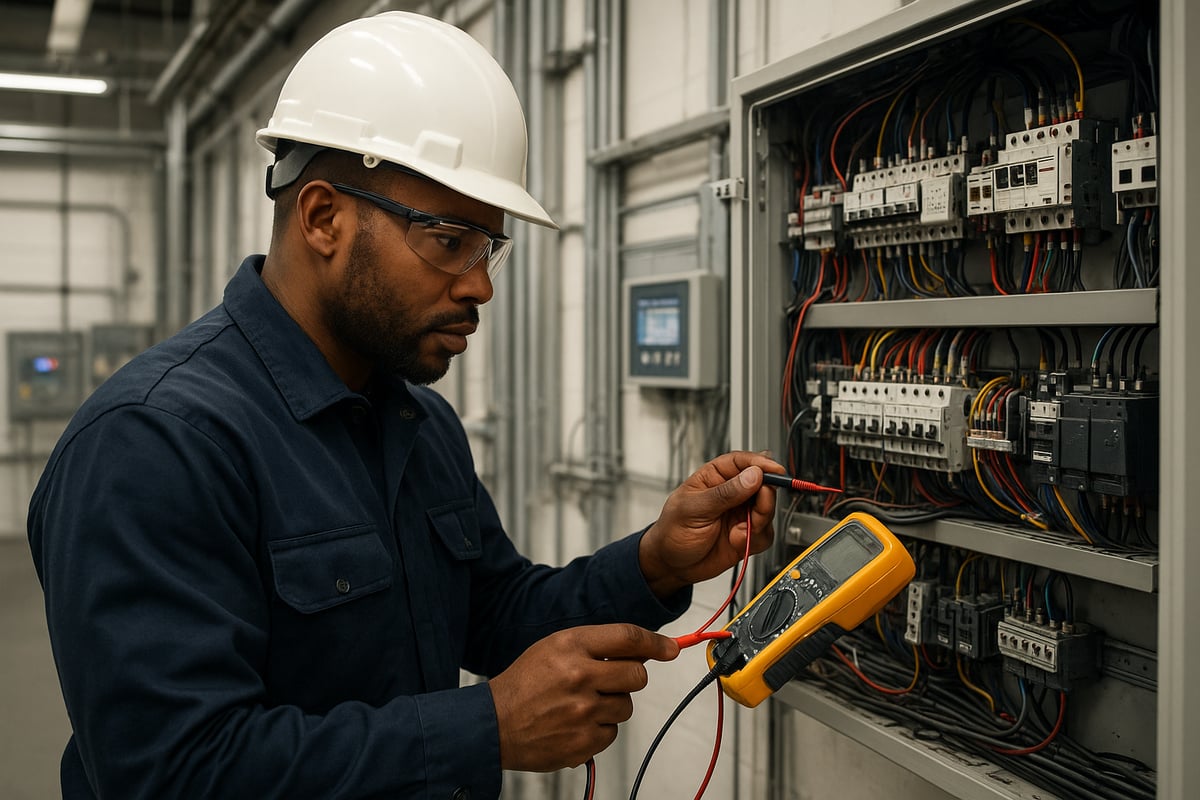
Definition and Core Role
The core responsibility of a maintenance electrician is to ensure the ongoing performance of electrical systems. Unlike installation electricians, who primarily handle initial set-ups, maintenance electricians focus on ongoing system health. Their duties include:
- Routine inspections and preventive maintenance
- Diagnosing electrical faults and performing repairs
- Upgrading existing systems to meet modern standards
Their work environments are diverse, ranging from manufacturing plants to residential buildings and commercial facilities. Preventive maintenance is especially important, as neglecting it can lead to more frequent system failures. Maintenance electricians often operate in settings with advanced automation, requiring them to adapt to new technologies and practices.
Typical Work Settings
Maintenance electricians may be employed directly by property owners as in-house staff or work for service agencies that provide outsourced electrical maintenance. Common settings include:
- Property management companies overseeing large residential or commercial properties
- Manufacturing plants requiring round-the-clock system reliability
- Commercial buildings with complex electrical needs
Day-to-day work can shift between scheduled maintenance and urgent repairs. Many positions involve shift work or being on call for emergencies. Safety protocols are strictly followed in every environment, and maintenance electricians must adapt to a variety of worksites.
For a deeper look at the specific tasks and responsibilities in commercial environments, see this overview of commercial electrical system maintenance.
Impact on Business Operations
A maintenance electrician is integral to minimizing operational downtime and maintaining workplace safety. Their proactive efforts in preventive maintenance reduce the risk of unexpected failures, which can halt production lines or disrupt essential services in offices and hospitals.
The economic value of a maintenance electrician lies in their ability to prevent expensive repairs and loss of productivity. For example, in manufacturing, even a short electrical outage can result in significant financial losses. In hospitals, reliable power ensures patient safety and uninterrupted care.
By providing routine inspections, responding quickly to emergencies, and optimizing systems for efficiency, maintenance electricians directly support the continuity and safety of business operations. Their expertise is a key asset to any organization that relies on complex electrical systems.
Essential Skills for Maintenance Electricians
The maintenance electrician role demands a balanced mix of technical, practical, and interpersonal abilities. As electrical systems become more complex and standards tighten, developing these essential skills is crucial for long-term success. Whether you are starting your career or aiming for advancement, understanding and mastering these competencies will set you apart in the field.
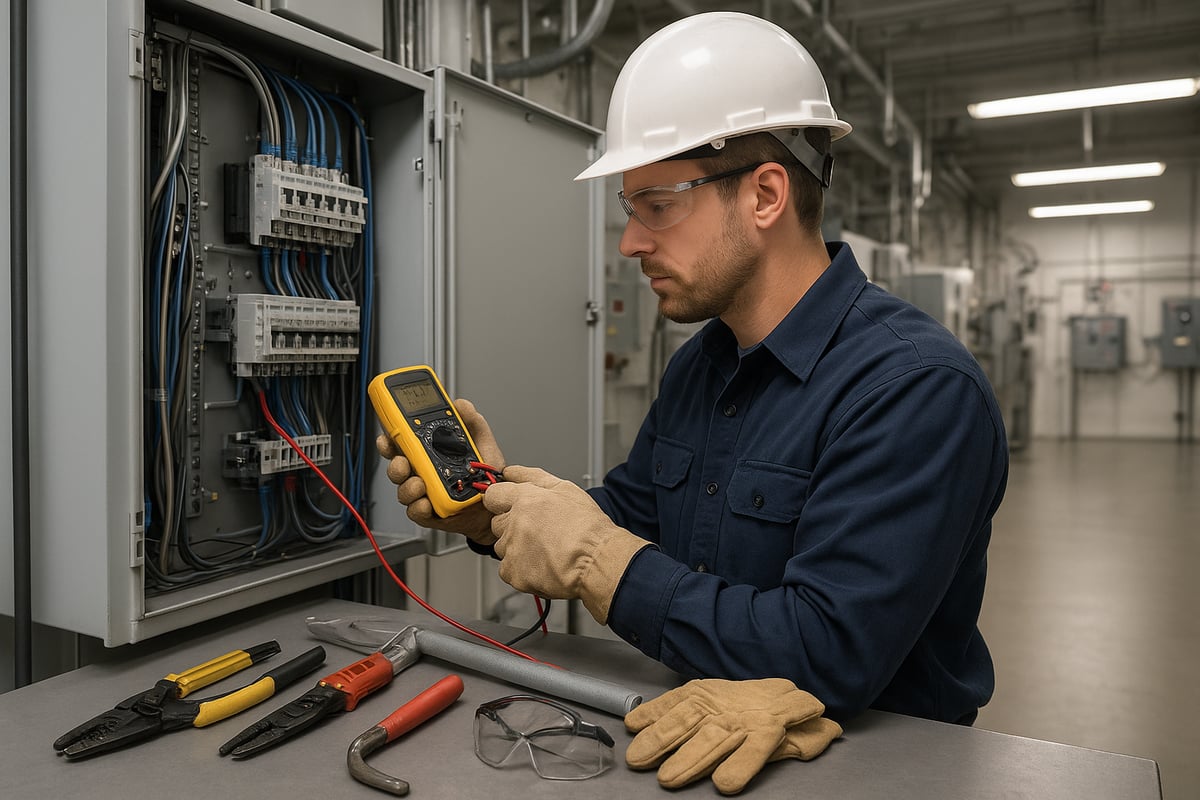
Technical Skills and Knowledge
Every maintenance electrician must excel at diagnosing, repairing, and maintaining a wide range of electrical systems. This includes the ability to interpret schematics, blueprints, and technical manuals, which are critical for troubleshooting complex networks.
Proficiency with hand and power tools is essential. Common tools include conduit benders, wire strippers, drills, and screwdrivers. Equally important is experience with testing equipment such as ammeters, voltmeters, thermal scanners, and cable testers. These instruments help identify faults and verify repairs.
Preventive and predictive maintenance forms the backbone of reliable operations. Mastering these techniques allows a maintenance electrician to reduce unplanned downtime, extend equipment life, and ensure workplace safety. Staying current with new technologies and system upgrades is also vital as automation and smart systems become more prevalent.
Soft Skills and Personal Attributes
Success as a maintenance electrician depends not only on technical prowess but also on strong soft skills. Clear communication is required for reporting issues, collaborating with other trades, and explaining repairs to clients or supervisors.
Critical thinking and problem-solving enable quick, effective responses during equipment failures. Attention to detail is crucial for diagnosing intricate faults and ensuring quality workmanship. Mechanical aptitude and manual dexterity help with assembling and repairing components accurately.
Physical demands are part of the job. Maintenance electricians often need strength and stamina to handle heavy equipment and work in various environments, sometimes in tight or elevated spaces.
Safety and Compliance
Safety is a top priority for every maintenance electrician. Strict adherence to OSHA regulations and local codes is mandatory to prevent accidents and ensure legal compliance. Wearing personal protective equipment, including safety glasses, hard hats, and fire-resistant clothing, is standard practice.
Color vision is important for identifying wires accurately, reducing the risk of errors. Detailed recordkeeping, such as documenting repairs and inspections, supports compliance and helps organizations track maintenance history.
Staying informed about evolving standards is essential. For those working in Ontario, resources like the Ontario electrical code compliance guide provide valuable insight into regulatory requirements and best practices for the maintenance electrician profession.
Specialized Skills for Advancement
To advance beyond entry-level roles, a maintenance electrician should develop expertise with programmable logic controllers (PLCs), automation systems, and advanced diagnostic tools. Troubleshooting PLCs, variable speed drives, and automated manufacturing equipment opens doors to higher-paying and specialized positions.
Knowledge of solar photovoltaic systems and green technologies is increasingly valuable as businesses pursue energy efficiency. Skills in plant maintenance and process optimization, such as analyzing system data for continuous improvement, further enhance career prospects.
Cross-training in related areas like HVAC, welding, or instrumentation can expand job opportunities and make a maintenance electrician more versatile in the evolving job market.
Daily Duties and Responsibilities
The daily routine of a maintenance electrician is diverse and dynamic. Responsibilities range from scheduled inspections to urgent repairs, ensuring the safety and reliability of all electrical systems. Each day presents new challenges and requires adaptability, technical expertise, and a strong commitment to safety.
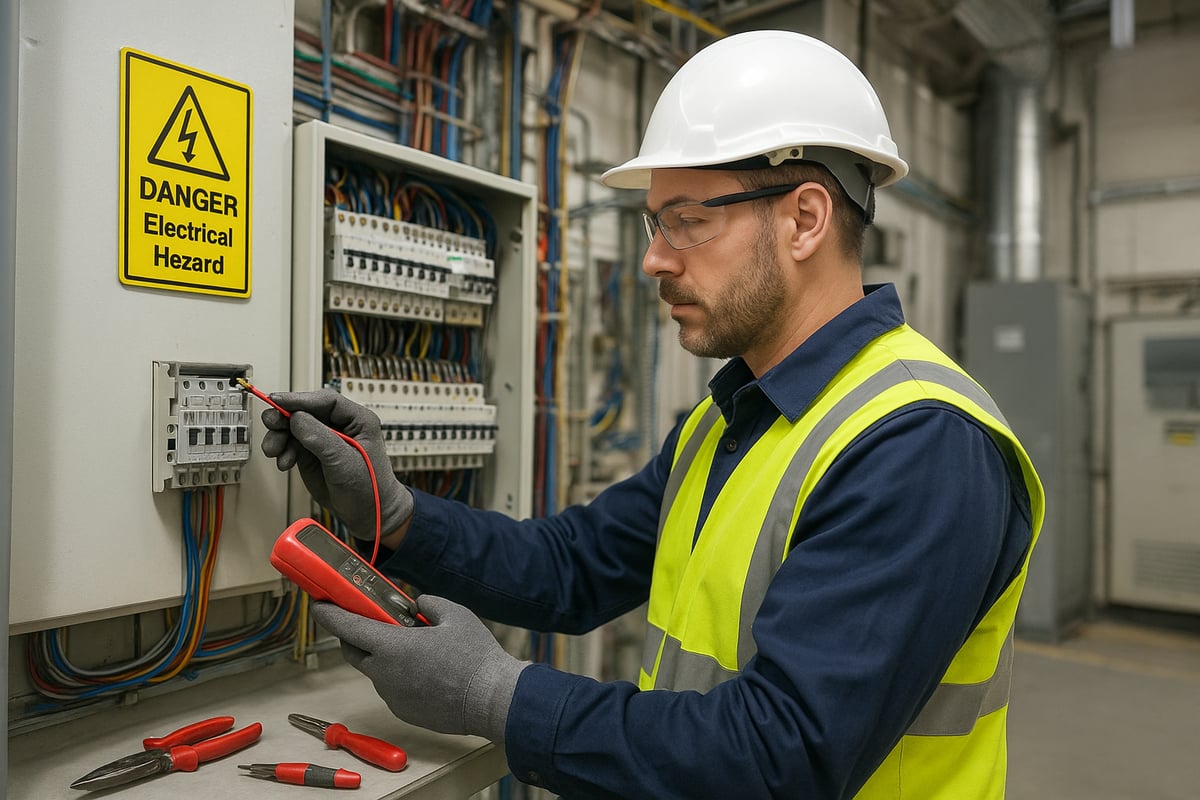
Routine Maintenance Tasks
Routine maintenance is fundamental to a maintenance electrician’s role. Regularly scheduled inspections of wiring, cables, and equipment help identify issues before they escalate. These professionals perform preventive maintenance, such as tightening connections and cleaning components, to reduce unexpected breakdowns.
Tasks often include:
- Inspecting circuit breakers and control panels
- Testing safety systems and alarms
- Upgrading electrical networks for efficiency
By maintaining a proactive schedule, the maintenance electrician minimizes system failures and extends equipment lifespan.
Troubleshooting and Repairs
When faults occur, a maintenance electrician must quickly diagnose and resolve the issue. Using diagnostic tests and specialized equipment, they pinpoint the source of problems, whether it’s a faulty breaker, damaged wiring, or malfunctioning control system.
Key troubleshooting activities include:
- Running diagnostic tests with meters and scanners
- Replacing defective wiring, switches, and breakers
- Repairing or replacing motors and sensors
A maintenance electrician’s ability to troubleshoot under pressure directly impacts the facility’s operational uptime.
Installation and Upgrades
A maintenance electrician is often tasked with installing new electrical equipment or upgrading existing systems. This can involve running new conduit, wiring expansions, or integrating advanced control systems.
Common installation tasks:
- Setting up new machinery and electrical panels
- Installing lighting, outlets, and control devices
- Working with both low and high voltage circuits (from 24V DC up to 13.8kV AC)
These upgrades keep facilities compliant with evolving standards and improve energy efficiency.
Documentation and Reporting
Accurate documentation is essential for a maintenance electrician. Maintaining detailed maintenance logs, repair records, and inspection reports supports compliance and future troubleshooting.
Typical reporting duties:
- Entering data into computerized maintenance management systems (CMMS)
- Analyzing maintenance trends for continuous improvement
- Coordinating with other trades and facility managers
Effective recordkeeping ensures all electrical work is traceable and meets regulatory standards.
Safety and Emergency Response
Safety is at the core of a maintenance electrician’s responsibilities. They are trained to identify and report unsafe conditions, adhere to strict safety protocols, and respond promptly to electrical emergencies.
Emergency duties may include:
- Restoring power during outages
- Repairing fire protection and emergency lighting systems
- Maintaining backup generators for critical operations
For more insight into emergency preparedness, explore commercial backup generator installation, a vital service that maintenance electricians often oversee.
Tools and Equipment Used
The right tools are essential for every maintenance electrician. They rely on a mix of hand tools, power tools, and advanced diagnostic instruments to perform their duties efficiently.
Essential tools include:
- Conduit benders, wire strippers, and pliers
- Power drills and saws
- Ammeters, voltmeters, and cable testers
- Calibration devices for emission transmitters and gas leak detectors
Proficiency with these tools enables the maintenance electrician to address a wide range of electrical challenges.
Pathways to Becoming a Maintenance Electrician
Embarking on a career as a maintenance electrician involves a combination of formal education, hands-on training, and continual skills development. Understanding the pathway helps you plan each step, from foundational learning to advanced specialization.

Education and Entry Requirements
To begin your journey as a maintenance electrician, a high school diploma or GED is the minimum requirement. Courses in mathematics, physics, and basic electronics provide a strong foundation.
Technical and vocational training is highly recommended. Many community colleges and trade schools offer programs focused on electrical systems, safety protocols, and blueprint reading. These programs introduce essential topics and prepare you for entry-level roles.
For a detailed overview of the steps and qualifications involved, you can review How to Become a Maintenance Electrician. This resource outlines the skills, certifications, and pathways relevant to the maintenance electrician profession.
Gaining this foundational knowledge is crucial for both immediate employment and long-term advancement as a maintenance electrician.
Apprenticeship and On-the-Job Training
The next step for aspiring maintenance electrician professionals is enrolling in an apprenticeship program. Apprenticeships typically last four to five years and combine classroom instruction with paid, supervised work experience.
During an apprenticeship, you will learn electrical theory, safety practices, and hands-on skills directly related to maintenance tasks. Many programs are run by unions, industry associations, or employers.
On-the-job training allows you to apply classroom learning in real-world settings. This phase is essential for developing the practical expertise required of a maintenance electrician.
Licensing and Certification
Becoming a licensed maintenance electrician is a critical step in your career. Licensing requirements vary by region, but most areas require you to pass a written exam after completing your apprenticeship.
Certifications such as the Red Seal or Journeyman Electrician credential demonstrate your expertise and are often necessary for advancement. Maintaining your license involves ongoing education to stay current with codes and safety standards.
Employers value certified maintenance electrician professionals for their proven skills and compliance with industry regulations.
Career Progression Steps
A clear progression path helps you achieve your goals as a maintenance electrician. The typical steps include:
| Step | Description |
|---|---|
| 1 | Complete high school or equivalent |
| 2 | Enroll in technical training or trade school |
| 3 | Join an apprenticeship program |
| 4 | Obtain required licensing and certifications |
| 5 | Consider union membership for more opportunities |
Each stage builds on the last, giving you the knowledge and experience to grow as a maintenance electrician. Structured progression supports both skill development and career stability.
Specializations and Advanced Training
Once certified, maintenance electrician professionals can pursue specialized training. Areas such as programmable logic controllers (PLCs), industrial automation, and green energy systems are in high demand.
Continuing education is available through seminars, manufacturer-specific courses, and online modules. Cross-training in related trades like HVAC or welding can further broaden your expertise.
Specialization increases your value as a maintenance electrician and opens doors to advanced roles and higher compensation.
Example Career Pathways
A maintenance electrician career can follow several trajectories. Many start in entry-level roles, such as junior technician, and move up to senior technician or lead electrician positions.
Some transition into supervisory roles, project management, or even engineering, depending on their interests and additional training. Sectors like healthcare, manufacturing, and green construction offer unique opportunities for advancement.
By staying current with technology and industry trends, a maintenance electrician can build a fulfilling, future-proof career in a variety of dynamic environments.
Industry Trends and Career Outlook Through 2026
The maintenance electrician profession is undergoing significant transformation as industries adapt to new technologies and greater automation. Understanding current trends and the future outlook is essential for anyone considering or advancing a career in this field.
Employment Growth and Demand
The demand for maintenance electrician professionals continues to rise as infrastructure ages and facilities invest in modernization. According to Maintenance Electrician Job Outlook and Growth, the U.S. expects steady job growth through 2026, driven by the need for skilled hands in manufacturing, commercial, and residential sectors.
Urban expansion, energy upgrades, and green initiatives are fueling new opportunities. Employers value adaptability and expertise in both conventional and automated systems. As the workplace evolves, maintenance electrician roles are becoming more critical in minimizing downtime and supporting operational continuity.
Salary and Compensation Insights
Compensation for maintenance electrician positions remains competitive, especially for those with advanced skills. Median annual wages are influenced by experience, certifications, and the sector of employment. According to the Electricians: Occupational Outlook Handbook, electricians in specialized industries or with automation expertise often command higher salaries.
Factors such as geographic location and union membership also impact earning potential. Maintenance electrician professionals who stay current with industry trends and technical skills are well-positioned for above-average income.
Technological Advancements
Rapid technological change is reshaping the daily work of the maintenance electrician. Smart building systems, IoT integration, and automated controls are now common in many facilities. Electricians must adapt to new diagnostic tools, data-driven maintenance strategies, and energy-efficient solutions.
Those who invest in upskilling—such as learning programmable logic controllers (PLCs) or renewable energy systems—are more likely to secure future-ready positions. The maintenance electrician who embraces continuous learning will thrive as technology advances.
Challenges and Opportunities
The maintenance electrician field faces both challenges and exciting prospects. Keeping up with evolving electrical codes, safety standards, and regulatory requirements is essential. Labor shortages and skills gaps can create pressure but also open doors for rapid advancement.
Opportunities abound for those willing to specialize or cross-train in related trades. With dedication, a maintenance electrician can progress to supervisory or project management roles, or move into emerging sectors like green construction and smart infrastructure.
Diversity of Work Environments
Maintenance electrician professionals enjoy a wide range of work settings. From manufacturing plants and hospitals to office complexes and property management, each environment offers unique challenges and learning experiences.
This diversity allows electricians to tailor their careers to personal interests and strengths. Whether working in a fast-paced industrial facility or a quiet commercial building, the maintenance electrician plays a pivotal role in safe, efficient operations.
Future-Proofing Your Career
To remain competitive, a maintenance electrician must prioritize lifelong learning and adaptability. Networking with peers, joining professional associations, and seeking mentorship are all vital steps.
Investing in ongoing education and staying informed about industry trends ensures a resilient and rewarding career. By embracing change and honing both technical and soft skills, the maintenance electrician can look forward to a bright future through 2026 and beyond.
Maintenance Electrician Career Paths and Advancement Opportunities
The maintenance electrician role offers a dynamic career path, with opportunities for growth and specialization at every stage. Whether you are just starting or seeking new challenges, the field rewards dedication and skill development.
Entry-Level to Senior Roles
Most maintenance electrician careers begin with entry-level positions, such as apprentice or junior technician. As you gain hands-on experience and complete certifications, you can progress to roles like lead electrician, senior technician, or maintenance supervisor.
Advancement is often based on technical expertise, leadership skills, and a commitment to safety. Supervisory positions, including facilities manager or team lead, allow experienced professionals to oversee projects and mentor new electricians. For a detailed look at possible career steps, the Electrician Career Map outlines common pathways and advancement options for electricians.
Specialization Options
As a maintenance electrician, you can focus your skills in several high-demand areas. Specializations such as programmable logic controllers (PLCs), building automation systems, and renewable energy technologies are increasingly valuable.
Additional pathways include advanced troubleshooting, instrumentation, and green building systems. These specializations not only boost your earning potential but also open doors to work on complex, cutting-edge projects. Many employers value electricians who can bridge multiple technical domains.
Industry Sectors and Niches
The maintenance electrician profession spans a variety of industries, each with unique challenges and rewards. Manufacturing plants, healthcare facilities, commercial property, and public infrastructure are common settings.
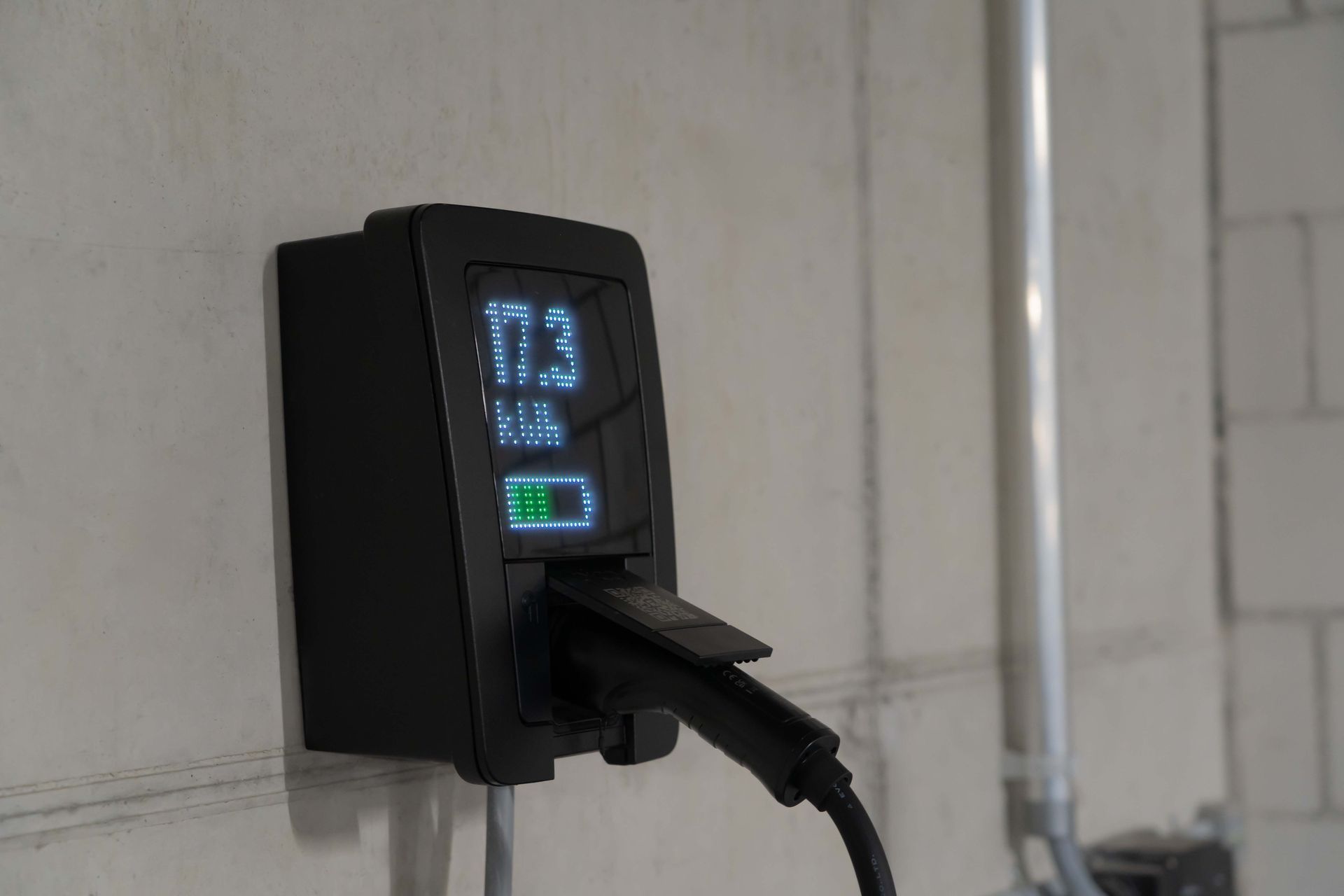
Emerging fields like green construction, electric vehicle charging infrastructure, and smart building management offer new opportunities for growth. By choosing a sector that matches your interests, you can build a career that is both stable and fulfilling.
Continuing Education and Professional Development
Ongoing education is essential for every maintenance electrician. Industry codes, safety standards, and technologies evolve rapidly, making it important to stay current.
Certifications, advanced training, and participation in workshops or trade associations help you maintain a competitive edge. Many employers support professional development, recognizing its role in safety and operational excellence. Reviewing Careers in electrical services can provide insights into employer-supported advancement programs.
Geographic Mobility and Flexibility
A maintenance electrician can find opportunities in regions with strong industrial, commercial, or construction activity. Relocation may provide access to higher-paying roles or specialized projects.
Experienced professionals may also take on contract or consulting positions, offering flexibility and exposure to diverse work environments. Geographic mobility can be a strategic advantage in building a robust career.
Real-World Examples
Many maintenance electrician professionals in the Greater Toronto Area and across North America have advanced from entry-level roles to senior positions. Some have transitioned into management or specialized technical fields, such as automation or sustainable energy.
Their success stories highlight the value of ongoing learning, adaptability, and a proactive approach to career growth. No matter your starting point, the maintenance electrician field offers a pathway to long-term success.
As you think about your journey as a maintenance electrician—whether you’re just starting out or looking to advance your career—having a trusted partner makes all the difference. At Bradcon Electrical Services, we’re dedicated to supporting professionals and businesses across Toronto and the GTA with expert, safety-focused electrical solutions. If you’re ready to take the next step in your maintenance or facility management plans, or you simply want reliable advice from licensed experts, we’re here to help. For personalized service and peace of mind, Contact a Licensed Electrician
today.