EV Business Guide: Strategies for Success in 2026
The global electric vehicle market is on track to dominate the automotive industry by 2026, signaling a major shift in how companies operate and compete. For any ev business aiming to thrive in this landscape, preparation and adaptability are key.
This guide delivers practical strategies and industry insights to help your organization succeed as the EV sector evolves. You will find analysis of market trends, regulatory updates, new business models, infrastructure essentials, technology breakthroughs, and proven growth tactics.
Ready to lead the charge? Let’s explore the steps to position your ev business for success in 2026 and beyond.
Understanding the 2026 EV Market Landscape
As the electric vehicle sector accelerates toward 2026, understanding the market landscape is crucial for any ev business aiming for long-term success. Rapid technological change, evolving regulations, and shifting consumer preferences are reshaping the competitive field. Businesses that grasp these dynamics will be better positioned to lead, adapt, and thrive.
Global and Regional Market Growth
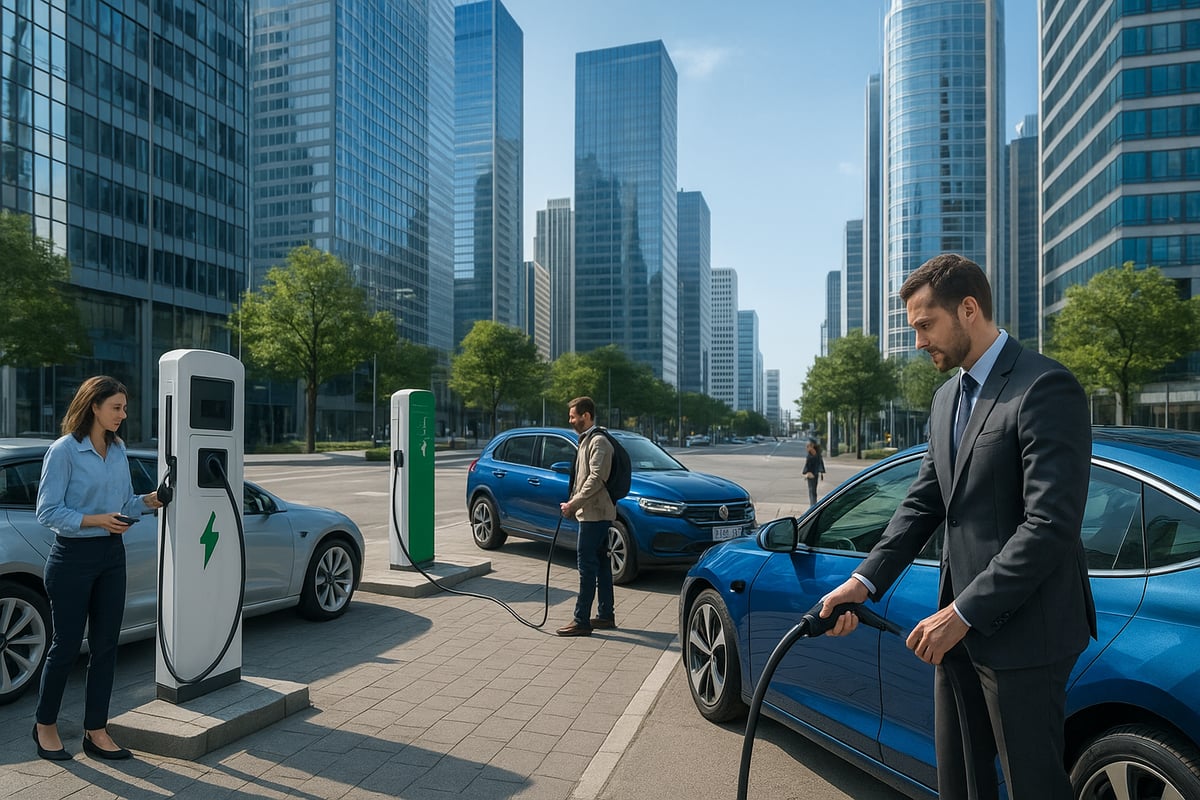
The global ev business landscape is experiencing unprecedented momentum. By 2026, EV adoption rates are projected to surpass 30 percent of new vehicle sales worldwide. Regional leaders such as North America, Europe, and Asia-Pacific are driving this surge. For instance, China continues to dominate with aggressive manufacturing and infrastructure expansion, while the US and Canada are investing heavily in public and commercial charging networks.
Key drivers for this growth include stricter climate policies, rising consumer demand, and rapid advances in battery technology. According to Gartner forecasts 116 million EVs by 2026, the global EV fleet is expected to exceed 100 million vehicles within just a few years. These trends signal vast opportunities for any ev business looking to capture market share.
Regulatory Environment and Incentives
Government policies are a major force shaping the ev business environment. Many countries are introducing mandates for zero-emission vehicles and phasing out internal combustion engines. Tax credits, rebates, and grants are available to both businesses and consumers, lowering the barriers to entry for new ev business ventures.
For example, Canada offers a mix of federal and provincial incentives aimed at accelerating EV adoption. Stricter emissions standards are pushing fleet operators and automakers to prioritize electric vehicles in their product and service offerings. Navigating this evolving regulatory landscape is essential for any ev business to maximize growth and minimize risk.
Sample Table: Canadian EV Incentives
| Incentive Type | Federal | Provincial (ON) | Provincial (QC) |
|---|---|---|---|
| Purchase Rebate | $5,000 | $0 | $7,000 |
| Charging Station Grant | Up to 50% | Up to $1,000 | Up to $5,000 |
| Business Tax Credit | Yes | Yes | Yes |
Competitive Landscape and Emerging Players
Competition in the ev business sector is intensifying as new entrants and established automakers vie for market share. Innovative startups are emerging across the supply chain, from battery manufacturing to software solutions. Established manufacturers are investing in electrification and forming partnerships with technology providers.
The expansion of charging network providers and battery suppliers is reshaping industry dynamics. Mergers, acquisitions, and strategic alliances are becoming more common as companies seek to scale quickly. For an ev business, staying agile and open to collaboration is key to maintaining a competitive edge in this fast-evolving market.
Consumer and Fleet Trends
Consumer attitudes toward electric vehicles are shifting rapidly. More individuals view EVs as reliable, affordable, and environmentally responsible. Fleet electrification is also gaining traction, particularly in logistics, delivery, and public transportation sectors. Corporate fleets are projected to represent around 20 percent of all EV sales by 2026.
For an ev business, understanding these trends is vital. Customers are seeking tailored solutions, from workplace charging to flexible leasing models. Fleet operators require robust infrastructure and support services. By aligning offerings with these needs, an ev business can capture diverse market segments and ensure sustained growth.
Building a Future-Proof EV Business Model
Creating a robust ev business model for 2026 means moving beyond traditional approaches and adapting to a rapidly evolving landscape. As the EV sector matures, companies that prioritize flexibility, innovation, and resilience will be best positioned for growth. Let’s explore how to build a future-proof ev business that can thrive amid market changes.

Identifying Profitable Niches
Success in the ev business starts with identifying the right market niche. The sector offers opportunities for both B2B and B2C models. For B2B, consider solutions like fleet management, commercial charging infrastructure, and energy services for businesses. B2C niches include residential charging equipment and personalized EV support.
For example, specializing in workplace or multi-unit residential charging can be a lucrative avenue. Businesses can also target property managers and employers seeking to attract tenants or employees with eco-friendly amenities. Focusing on a defined niche allows your ev business to develop expertise, streamline operations, and respond to specific customer needs.
Revenue Streams and Diversification
A future-ready ev business must develop multiple revenue streams to withstand market shifts. Consider direct sales of equipment, leasing programs, and subscription-based models. Service contracts for maintenance and upgrades can provide steady income. Diversifying into value-added services, such as energy management, vehicle-to-grid (V2G) integration, and advanced data analytics, will boost your competitive edge.
Many successful companies now bundle EV charging solutions with solar and battery storage. If your ev business is targeting the commercial sector, explore commercial EV charging station installs to capitalize on growing demand from offices, retail, and hospitality venues. Offering comprehensive packages increases customer loyalty and creates long-term revenue opportunities.
Cost Structures and Scalability
Understanding cost structures is crucial for any ev business aiming for sustainable growth. Initial expenses include equipment, installation, permitting, and regulatory compliance. Ongoing costs cover maintenance, periodic upgrades, and responsive customer support.
To scale efficiently, strategies like franchising, licensing, or forming partnerships can be effective. These approaches help expand your ev business footprint without shouldering all operational burdens. Using local contractors and suppliers can reduce shipping costs and strengthen your supply chain. Investing in scalable processes ensures your business can adapt quickly as the market evolves.
Risk Management and Resilience
The ev business environment faces unique risks, from supply chain disruptions to evolving regulations. To manage these challenges, diversify your supplier base and consider local sourcing when possible. Invest in comprehensive insurance policies and offer robust warranties to build customer trust.
Stay informed about regulatory changes and maintain strict compliance to avoid costly penalties. Building resilience means preparing for component shortages, price volatility, and shifts in consumer demand. By proactively addressing these risks, your ev business will be better equipped to navigate uncertainties and seize new opportunities as they arise.
Infrastructure Planning and Deployment Strategies
Establishing a robust infrastructure is a cornerstone for any ev business aiming to lead in 2026. As electric vehicles become mainstream, infrastructure decisions directly impact competitiveness, customer satisfaction, and long-term growth. Forward-thinking planning ensures your ev business remains agile and responsive to shifting industry demands.
Charging Infrastructure: Types and Trends
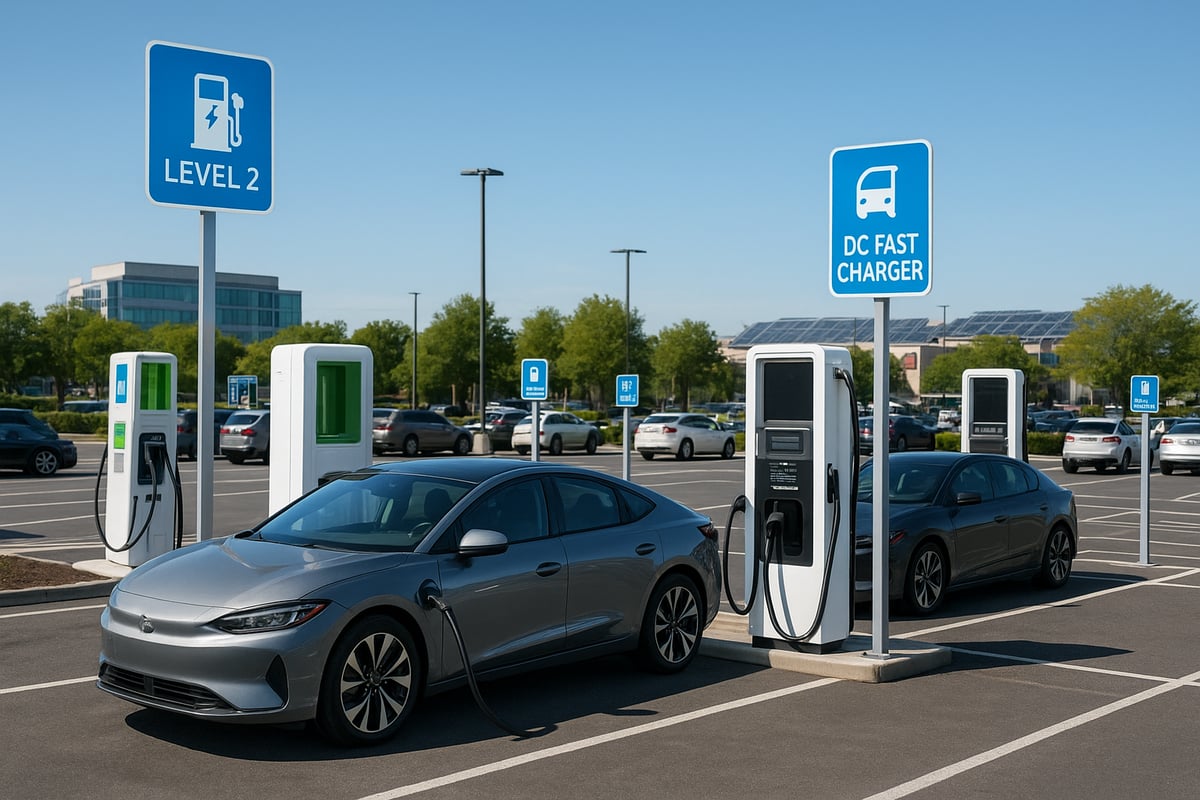
Choosing the right charging infrastructure is fundamental to ev business scalability. There are three main types:
| Charging Type | Power Output | Typical Use Case | Charging Time |
|---|---|---|---|
| Level 1 | 1.4 kW | Home, small businesses | 8–20 hours |
| Level 2 | 7–22 kW | Workplaces, public lots | 3–8 hours |
| DC Fast | 50–350 kW | High-traffic locations | 15–60 minutes |
Trends include ultra-fast charging, wireless technology, and smart charging networks. As ev business owners, tracking these innovations will help you meet evolving customer needs and future-proof your operations.
Site Selection and Network Optimization
Strategic site selection is vital for maximizing utilization and return on investment in any ev business. Optimal locations typically include:
- Retail and hospitality venues
- Office parks and business districts
- Transportation and transit hubs
When planning, consider traffic patterns, accessibility, local demand, and grid capacity. Use data-driven tools for site assessment and usage forecasting. A well-optimized network strengthens your ev business brand and builds customer loyalty through convenience and reliability.
Grid Integration and Energy Management
Integrating charging infrastructure with the electrical grid is a growing priority for every ev business. Managing load impacts and peak demand is key to operational efficiency. Strategies include:
- Utilizing renewable energy sources
- Pairing charging stations with battery storage
- Participating in demand response programs
These measures not only reduce costs but also enhance sustainability credentials. By proactively addressing grid integration, your ev business positions itself as a responsible and forward-thinking market player.
Regulatory and Permitting Considerations
Navigating regulatory frameworks is essential for any ev business entering the charging market. Factors to address include:
- Zoning and land use regulations
- Building codes and safety standards
- Utility interconnection processes
Streamlining permitting accelerates deployment and minimizes delays. Take advantage of municipal incentives for rapid charger installation. For businesses seeking guidance on compliance and commercial requirements, the Commercial EV charger installation resource provides practical insights for ev business operators.
Partnerships and Collaboration Models
Collaboration is a powerful catalyst for growth in the ev business sector. Successful deployment often involves:
- Partnering with utilities and property owners
- Forming public-private partnerships to expand network reach
- Engaging with technology vendors for integrated solutions
Joint ventures between automakers and charging operators are increasingly common. By leveraging strong partnerships, your ev business can scale rapidly and deliver enhanced value to customers.
Leveraging Technology and Innovation for Competitive Advantage
Innovation is the cornerstone of a successful ev business in 2026. As the industry evolves, embracing new technologies is vital for differentiation, operational efficiency, and customer satisfaction. Let us examine how leading-edge advancements can help your ev business gain a lasting edge.
Battery Technology and Vehicle Advances
The heart of every ev business is battery innovation. By 2026, next-generation batteries, including solid-state and lithium-iron-phosphate chemistries, are set to transform the market. These advancements promise faster charging, longer driving ranges, and improved safety. For example, new battery designs are expected to extend EV ranges beyond 500 km, addressing one of the main barriers to widespread adoption.
A significant factor for every ev business is battery cost. According to a study on declining battery costs boosting EV adoption, battery prices could halve by 2026, making EVs more affordable for both consumers and fleets. As a result, businesses can expect increased demand and a broader customer base.
Table: Key Battery Innovations Impacting EV Business
| Technology | Benefit for EV Business |
|---|---|
| Solid-State Batteries | Faster charging, higher range |
| LFP Chemistries | Lower cost, improved safety |
| New Thermal Management | Greater reliability |
Staying informed and investing in these technologies is crucial for any ev business planning long-term success.
Smart Charging and Software Solutions
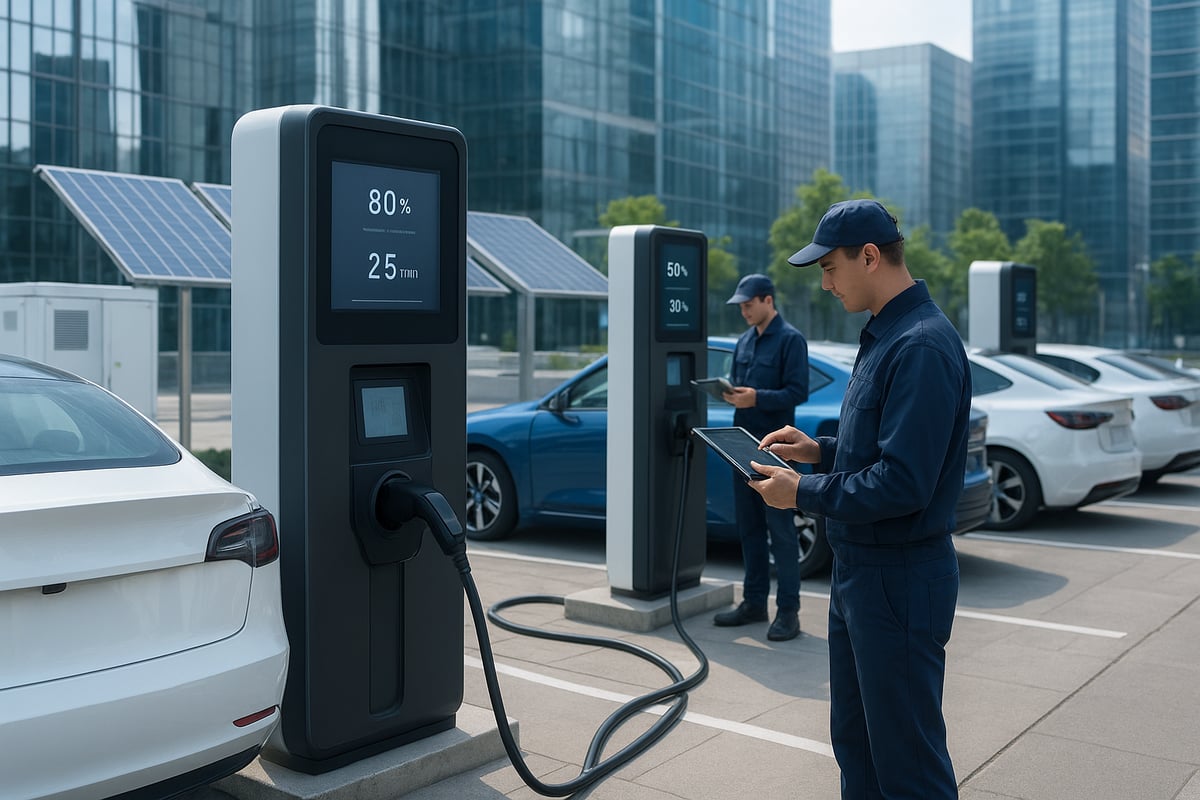
Smart charging technology is revolutionizing how an ev business operates. The integration of IoT, AI, and cloud-based platforms enables dynamic load balancing, predictive maintenance, and real-time monitoring. These solutions help businesses optimize energy use and reduce operational costs.
Key Features for EV Business:
- Dynamic pricing for efficient revenue management
- Automated load balancing to prevent grid overloads
- Predictive diagnostics to minimize downtime
For an ev business serving fleets, smart charging apps offer remote scheduling and monitoring, streamlining fleet operations. By embracing these platforms, companies can enhance reliability and deliver superior service.
Data Analytics and Customer Experience
Data analytics is a game-changer for any ev business seeking a competitive advantage. By collecting and analyzing charging and usage data, businesses can gain actionable insights, anticipate customer needs, and personalize offerings. This results in improved customer retention and recurring revenue streams.
Practical Applications:
- Real-time monitoring for proactive support
- Personalization of charging plans and rewards
- Targeted marketing based on usage patterns
For example, an ev business can implement loyalty programs using customer data, fostering brand loyalty and encouraging repeat business. Harnessing analytics empowers companies to adapt swiftly to market trends.
Security and Future-Proofing
Security is paramount as connected infrastructure grows within the ev business landscape. Cybersecurity measures must keep pace with evolving threats to protect customer data and ensure uninterrupted service. Adopting open protocols and industry standards guarantees interoperability and upgradability.
Best Practices for EV Business:
- Regular cybersecurity audits and updates
- Compliance with evolving regulations
- Investment in modular, upgradeable systems
By prioritizing security and future-proofing, an ev business can build trust, reduce risk, and adapt seamlessly to new technologies and standards.
Marketing, Sales, and Customer Engagement in the EV Sector
The ev business landscape is rapidly evolving, making tailored marketing and sales strategies essential for growth. As competition intensifies, understanding your audience and building lasting relationships are key drivers of success. Businesses that prioritize customer engagement and adapt to emerging trends will position themselves for long-term value.
Targeting Key Customer Segments
Successful ev business growth depends on identifying and addressing the unique needs of each customer group. Fleet operators seek reliability and cost savings, while commercial property owners value convenience and efficiency. Municipalities focus on sustainability goals, and residential consumers prioritize ease of use.
For example, customized solutions for condo associations can bridge the gap between infrastructure and end-user needs. Companies specializing in residential EV charging station installs can tap into the growing B2C market by providing tailored offerings that simplify the adoption process.
Understanding these segments helps your ev business craft relevant messages that resonate with decision-makers and end users alike.
Digital Marketing and Lead Generation
An effective digital presence is vital for any ev business looking to capture leads and increase brand awareness. Leveraging SEO, content marketing, and social media platforms allows you to reach potential clients where they spend their time online.
Interactive tools, such as ROI calculators and webinars, provide valuable information and help educate prospects. Sharing case studies and testimonials builds trust and demonstrates real-world impact. According to EV market trends and forecasts for 2026, digital engagement will be a primary driver for customer acquisition as the sector matures.
A robust digital strategy ensures your ev business remains visible and attractive to both commercial and residential audiences.
Building Partnerships and Industry Networks
Collaboration is a cornerstone for expanding your ev business reach. Joining industry associations and attending expos provides access to new contacts, insights, and partnership opportunities. Working closely with auto dealers, energy providers, and local sustainability initiatives can enhance your service offering and brand reputation.
Co-marketing efforts, such as joint campaigns or shared educational events, amplify your message and reduce costs. Establishing a presence in key industry networks positions your ev business as a trusted authority and preferred partner in the sector.
Customer Education and Support
Ongoing education and support are vital for building loyalty in the ev business. Providing accessible resources, such as installation guides, FAQs, and training sessions, empowers customers to make informed decisions.
Offering maintenance plans, app-based support, and dedicated helplines ensures continued satisfaction after the initial sale. Hosting EV adoption workshops for businesses or communities can further enhance engagement and position your ev business as a knowledgeable leader.
Investing in customer support not only drives repeat business but also fosters positive word of mouth and long-term growth.
Financing, Incentives, and Scaling Your EV Business
Securing the right financial strategy is essential for any ev business aiming for long-term growth. The rapidly evolving market landscape offers a mix of funding opportunities, incentives, and expansion options. Understanding how to leverage these elements can position your ev business for success in 2026.
Accessing Capital and Funding Sources
For an ev business, obtaining capital is often the first hurdle. Fortunately, the sector attracts a diverse range of funding sources.
Government grants remain a cornerstone, with programs dedicated to infrastructure and technology. Private investors and green-focused venture capital are increasingly active, seeking scalable ventures. Green loans from financial institutions offer favorable terms for sustainable projects. Crowdfunding platforms also empower startups to raise seed capital directly from supporters.
For example, the Canadian government’s Zero-Emission Vehicle Infrastructure Program has helped many ev business owners secure essential funding. Exploring these options early can provide the financial runway needed for growth.
Maximizing Incentives and Rebates
Navigating the incentive landscape is vital for every ev business. Federal, provincial, and municipal programs often overlap, allowing businesses to stack benefits for maximum return on investment.
Below is a summary of common incentives:
| Incentive Type | Description | Example Benefit |
|---|---|---|
| Tax Credits | Offset purchase and installation costs | Up to 30% rebate |
| Rebates | Direct cash for EV or charger purchase | $5,000 per vehicle |
| Grants | Support for infrastructure buildout | $50,000+ per project |
An ev business can maximize savings by combining multiple programs. For instance, tax credits for commercial EV charging installations can significantly reduce upfront costs and improve cash flow.
Cost Control and Operational Efficiency
To stay competitive, every ev business must focus on minimizing costs and streamlining operations. Start with installation, as bulk purchasing of equipment can yield substantial discounts. Group purchasing programs for fleets are another effective way to cut costs.
Consider these strategies:
- Standardize equipment and processes
- Automate routine maintenance tasks
- Negotiate long-term service contracts with suppliers
Leveraging economies of scale allows an ev business to improve margins while maintaining high service standards. Operational efficiency is not just about cutting expenses, but also about building a foundation for future expansion.
Scaling Strategies and Expansion Planning
Scaling an ev business requires both vision and practical steps. Geographic expansion is a logical move, especially as demand rises in new markets and provinces. Diversifying offerings, such as adding solar or storage solutions, helps capture additional revenue streams.
Partnerships with real estate developers can open doors to large-scale projects and recurring clients. Additionally, the projected increase in EV lease returns in 2026 presents new opportunities in the used vehicle market, which savvy ev business operators can leverage.
By aligning scaling strategies with market trends, an ev business can position itself as a leader in the evolving EV ecosystem.
As you look ahead to 2026 and consider how to position your business for success in the rapidly evolving EV market, having a trustworthy partner for your electrical infrastructure is crucial. Whether you are planning to expand your charging network, upgrade commercial facilities, or ensure your business is ready for the next wave of innovation, working with licensed professionals makes all the difference. If you’re ready to take the next step and want expert guidance tailored to your unique needs, I invite you to get started with an EV Charger Installation Quote.