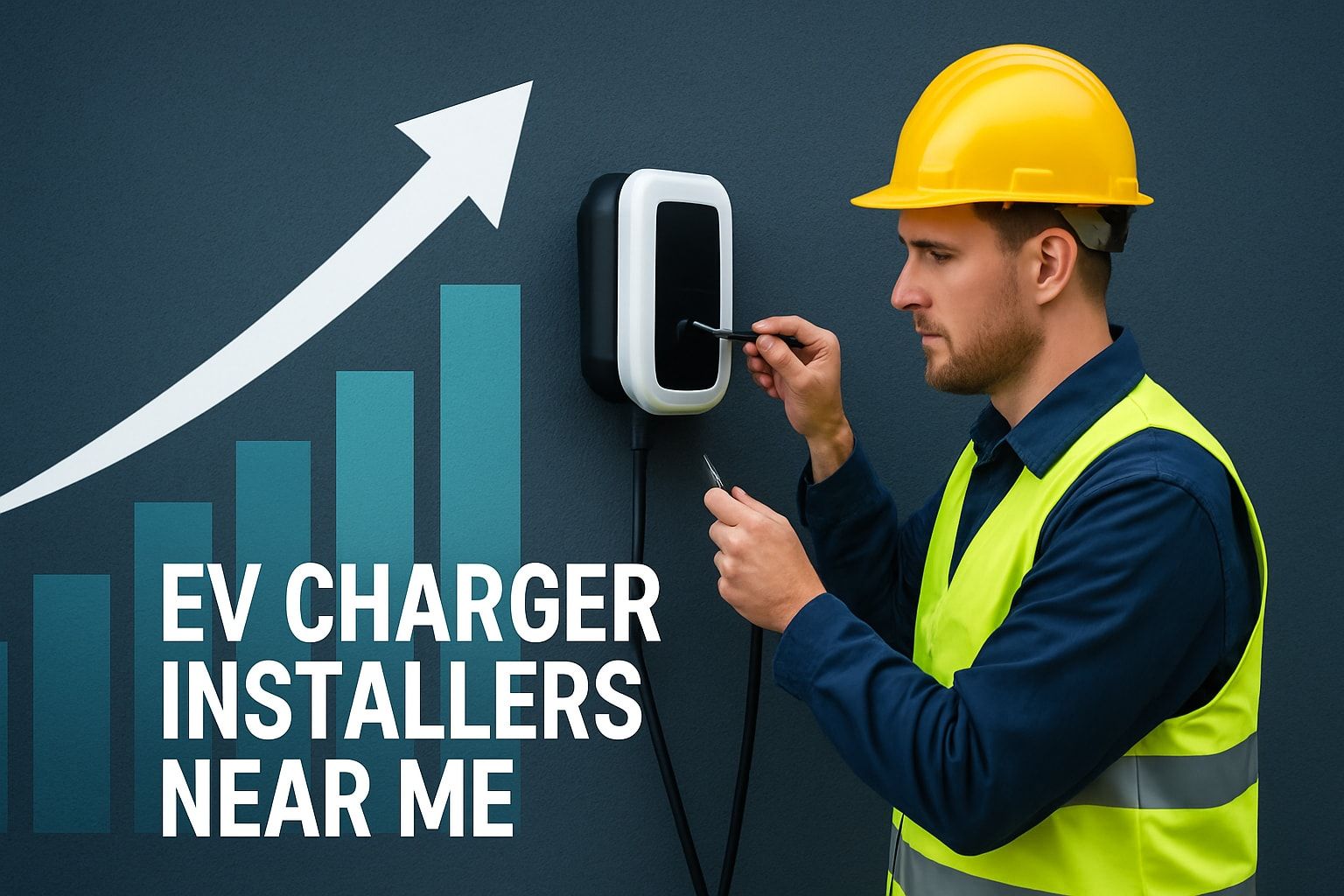
Commercial Electric Vehicle Chargers Guide: Your 2026 Roadmap
The electric vehicle revolution is reshaping how Canadian businesses manage their fleets and daily operations. As demand for sustainable transportation rises, commercial electric vehicle chargers are becoming essential infrastructure for forward-thinking organizations. This guide offers a clear roadmap to help you understand, select, and deploy the right charging solutions by 2026. Explore the latest technologies, regulatory changes, installation tips, cost factors, and future trends—equipping your business with the knowledge to drive real results.
The Evolving Landscape of Commercial EV Charging
The landscape for commercial electric vehicle chargers is changing rapidly across Canada. Businesses are moving swiftly to electrify their fleets, install charging infrastructure, and align with ambitious national and provincial sustainability targets.
Market Growth and Adoption Rates
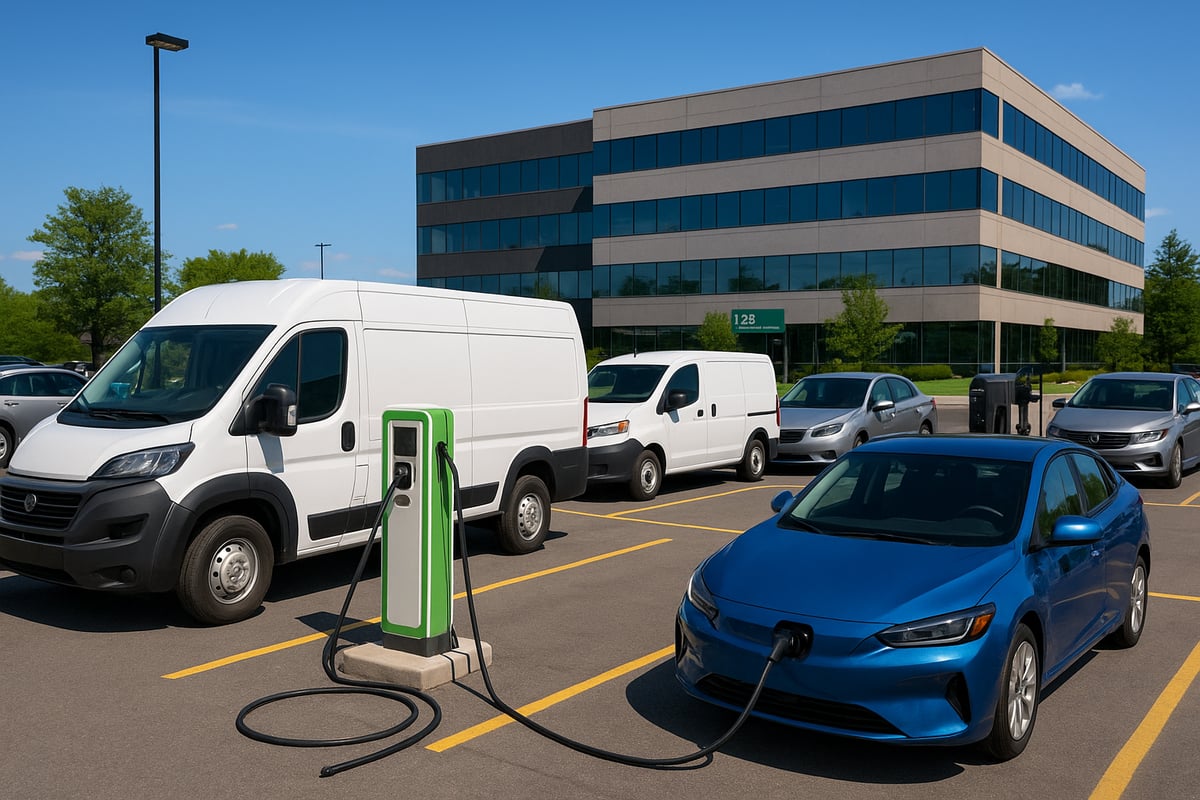
Canadian businesses are embracing commercial electric vehicle chargers at an unprecedented rate. The number of EVs in commercial fleets has surged, with logistics, delivery, public transit, and hospitality sectors leading the way.
Government incentives, such as grants and rebates, are driving this momentum. Programs from Natural Resources Canada and provincial authorities help offset installation costs, making EV adoption more accessible. For example, Toronto has set ambitious electrification targets for its municipal fleet, aiming to significantly reduce emissions by 2026.
Market analysts project that the number of commercial electric vehicle chargers installed nationwide will increase sharply over the next few years. According to Canada's EV Charging Infrastructure Growth Projections, the market is expected to see double-digit growth rates annually, with revenue and charger installations climbing steadily. This rapid expansion is reshaping how companies approach fleet management and sustainability.
Types of Commercial EV Chargers
Selecting the right commercial electric vehicle chargers depends on business needs, vehicle types, and charging speed requirements. The two most common options are Level 2 chargers and DC Fast Chargers (Level 3).
| Charger Type | Charging Speed | Power Requirements | Best Use Cases |
|---|---|---|---|
| Level 2 | 6-19 kW/hr | 208-240V | Workplaces, retail, fleet depots |
| DC Fast | 50-350 kW/hr | 480V+ | Public stations, highway stops |
Level 2 chargers are ideal for locations where vehicles are parked for several hours, such as offices or hotels. DC Fast Chargers deliver much quicker charging, making them suitable for high-traffic areas and fleets needing rapid turnaround.
Emerging technologies are also shaping the future of commercial electric vehicle chargers. Ultra-fast chargers, wireless charging pads, and bi-directional charging (enabling vehicle-to-grid energy flow) are entering the market. Compatibility is key, with most chargers supporting CCS, CHAdeMO, and Tesla connectors. Canadian retail centers are increasingly deploying fast-charging hubs to attract EV-driving customers and support growing demand.
Regulatory and Compliance Landscape
Installing commercial electric vehicle chargers requires strict adherence to Canadian Electrical Code (CEC) updates and local permitting rules. In Ontario, both provincial and municipal authorities set standards for safety, accessibility, and signage.
The permitting process can be complex, especially in cities like Toronto and the GTA. Businesses must ensure chargers are accessible, weather-protected, and compliant with the latest code requirements. The Electrical Safety Authority (ESA) provides clear guidelines to help navigate these regulations and ensure installations meet all safety standards.
Accessibility is a growing focus, with requirements for clear signage, barrier-free access, and safe operation. Regular inspections and adherence to evolving codes safeguard both users and property. As regulations continue to evolve, staying informed and working with qualified professionals is essential for successful commercial electric vehicle charger deployment.
Planning Your Commercial EV Charging Project
Careful planning is the foundation for successful deployment of commercial electric vehicle chargers. Each site brings unique challenges, from power availability to user demand, making a tailored approach essential. By thoroughly assessing infrastructure, budgeting strategically, and engaging stakeholders early, businesses can ensure their charging project delivers long-term value.
Assessing Site Needs and Power Capacity
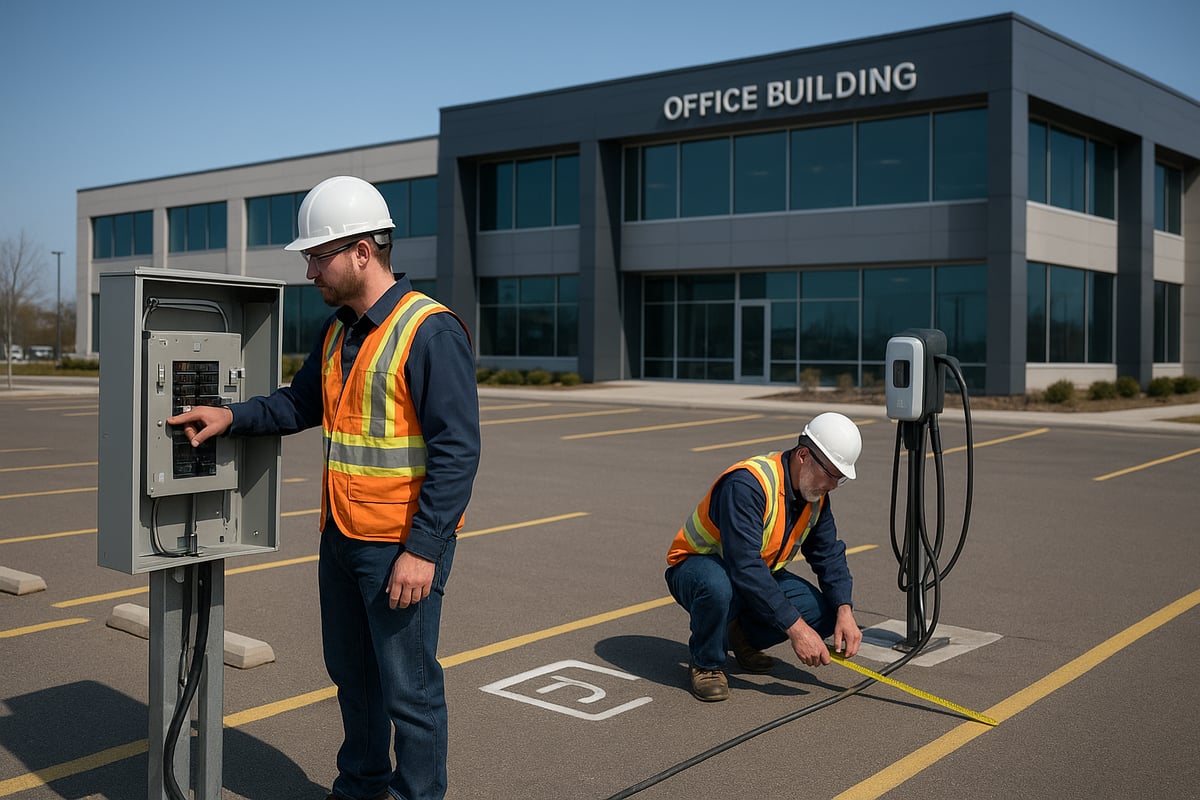
Start by evaluating your existing electrical infrastructure. Review your facility’s load capacity to determine whether it can handle the additional demand from commercial electric vehicle chargers. An electrical assessment should identify if upgrades are necessary to support multiple chargers operating simultaneously.
Next, determine how many commercial electric vehicle chargers your site requires. Consider current and future fleet size, employee or public usage, and growth projections. Optimal placement is critical—chargers should be accessible, visible, and safe for users.
Site-specific factors also play a role. Analyze parking layouts to maximize efficiency and ensure that weather protection is available, especially in Canadian climates. Security measures, such as lighting and surveillance, enhance safety for users and equipment. Additionally, account for peak demand charges by exploring load management strategies. These may include smart charging systems that schedule or stagger charging to avoid high utility costs.
Comparing fleet depot installations to public-access sites can reveal different needs. For example, a depot might prioritize overnight charging, while a retail site may require faster turnover and higher visibility. Each scenario influences the selection and deployment of commercial electric vehicle chargers.
Budgeting and Funding Options
Budgeting is a critical step in planning for commercial electric vehicle chargers. Begin by estimating upfront costs, which include hardware, installation, permitting, and any required electrical upgrades. Ongoing expenses such as maintenance, software subscriptions, and fluctuating utility rates should also be factored into your financial analysis.
Calculating return on investment (ROI) helps justify the project. Consider fuel savings, available tax credits, and the potential increase in property value. Grants and rebates, such as those from Natural Resources Canada, can significantly reduce net costs. For a typical six-charger installation, costs may include charger units, labor, panel upgrades, and software integration.
Here is a sample cost breakdown for a mid-sized project:
| Item | Estimated Cost (CAD) |
|---|---|
| Hardware (6 chargers) | $30,000 |
| Installation & Permitting | $15,000 |
| Electrical Upgrades | $10,000 |
| Software Integration | $5,000 |
| Total | $60,000 |
For a more detailed look at installation and funding considerations, see this overview of Commercial EV charger installation Toronto.
Stakeholder Engagement and Project Management
A successful rollout of commercial electric vehicle chargers requires buy-in from multiple stakeholders. Engage facility managers, IT teams, finance, and sustainability staff early in the process. Their input ensures the project aligns with operational goals and meets technical requirements.
Collaborate with local utilities and experienced electrical contractors to streamline permitting and installation. Setting clear timelines, milestones, and metrics for success helps keep the project on track. Regular progress meetings and transparent communication prevent misunderstandings and delays.
For example, a Toronto business campus might appoint a project lead, establish weekly check-ins, and coordinate with both internal teams and external partners. This approach minimizes risks and maximizes the long-term benefits of commercial electric vehicle chargers.
Step-by-Step Installation Process for Commercial EV Chargers
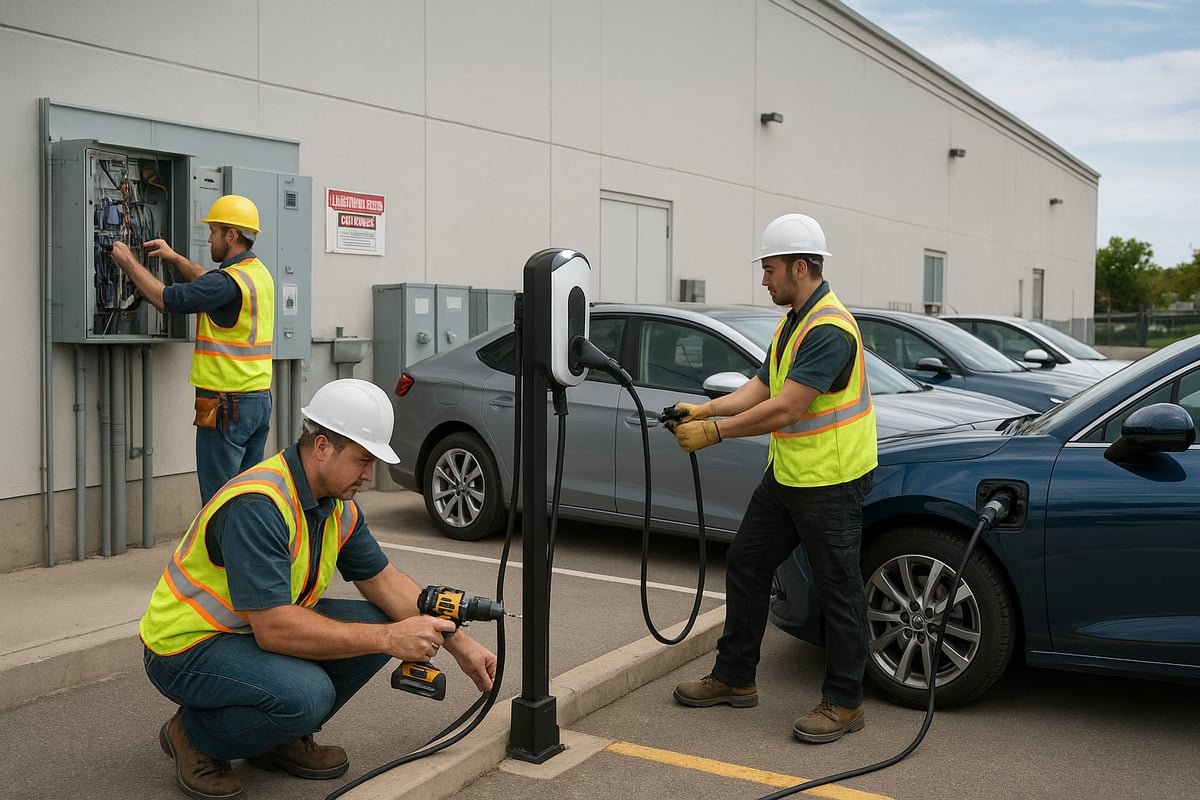
Installing commercial electric vehicle chargers is a multi-phase project that requires careful planning and collaboration. Each step, from initial assessment to final commissioning, ensures your charging infrastructure is reliable, compliant, and ready for current and future EV demand.
Breaking down the process into clear steps helps businesses streamline deployment, avoid costly mistakes, and maximize return on investment. Here is a detailed guide to each phase of installing commercial electric vehicle chargers.
Step 1: Site Assessment and Feasibility Study
The first step involves conducting a thorough site assessment to determine if your location is suitable for commercial electric vehicle chargers. This includes evaluating the existing electrical infrastructure, available parking spaces, and accessibility for users.
Key considerations during this phase:
- Inspecting electrical panels, service capacity, and transformer ratings
- Reviewing parking layouts for optimal charger placement
- Assessing weather protection needs and potential security measures
A feasibility study helps identify any upgrades required and ensures the project aligns with local regulations. Engaging a qualified electrical contractor early can uncover site-specific challenges and streamline the process for commercial electric vehicle chargers.
Step 2: Selecting the Right Charger and Vendor
Choosing the right equipment and vendor is essential for long-term reliability. For commercial electric vehicle chargers, businesses must compare Level 2 and DC fast charging options, considering charging speeds, power requirements, and compatibility with fleet vehicles.
Evaluate vendors based on:
- Proven track record with commercial projects
- Warranty terms, technical support, and available software platforms
- Integration options with existing systems and future scalability
Requesting references and reviewing case studies helps ensure the selected vendor can deliver a solution tailored to your specific commercial electric vehicle chargers project.
Step 3: Permitting and Compliance
Navigating local permitting processes and ensuring compliance with national and provincial codes is critical for commercial electric vehicle chargers. Each municipality may have unique requirements, especially in Ontario, where the Canadian Electrical Code and local bylaws apply.
Key compliance steps include:
- Obtaining necessary permits from municipal authorities
- Ensuring charger installation meets accessibility and safety standards
- Scheduling inspections with regulatory agencies
For a detailed overview of the compliance process, consult this Commercial EV charging station installs guide, which outlines essential steps for successful permitting and regulatory approval.
Step 4: Electrical Upgrades and Infrastructure Preparation
Most commercial electric vehicle chargers require upgrades to existing electrical infrastructure. This step involves preparing your site to handle increased power demands and ensuring reliable, safe operation.
Tasks in this phase:
- Upgrading electrical panels, transformers, and service connections
- Installing conduits, trenches, and weatherproof enclosures
- Planning for future expansion and modularity
Infrastructure preparation also includes confirming accessibility for all users and integrating security features to protect both the equipment and vehicles using commercial electric vehicle chargers.
Step 5: Charger Installation and Commissioning
The final step is the physical installation and commissioning of commercial electric vehicle chargers. This phase brings together all previous planning and ensures the system is ready for operation.
Commissioning checklist:
- Mounting charging units and installing signage for clear navigation
- Configuring networked software for monitoring and payments
- Conducting final inspections and onboarding users
Once installation is complete, perform a comprehensive system test to confirm functionality. Providing training and support to staff or tenants ensures smooth adoption and ongoing value from your commercial electric vehicle chargers.
Cost, ROI, and Operational Considerations
Investing in commercial electric vehicle chargers requires a clear understanding of costs, returns, and operational demands. Businesses must navigate upfront expenses, ongoing fees, and the strategies that maximize value from their charging infrastructure.
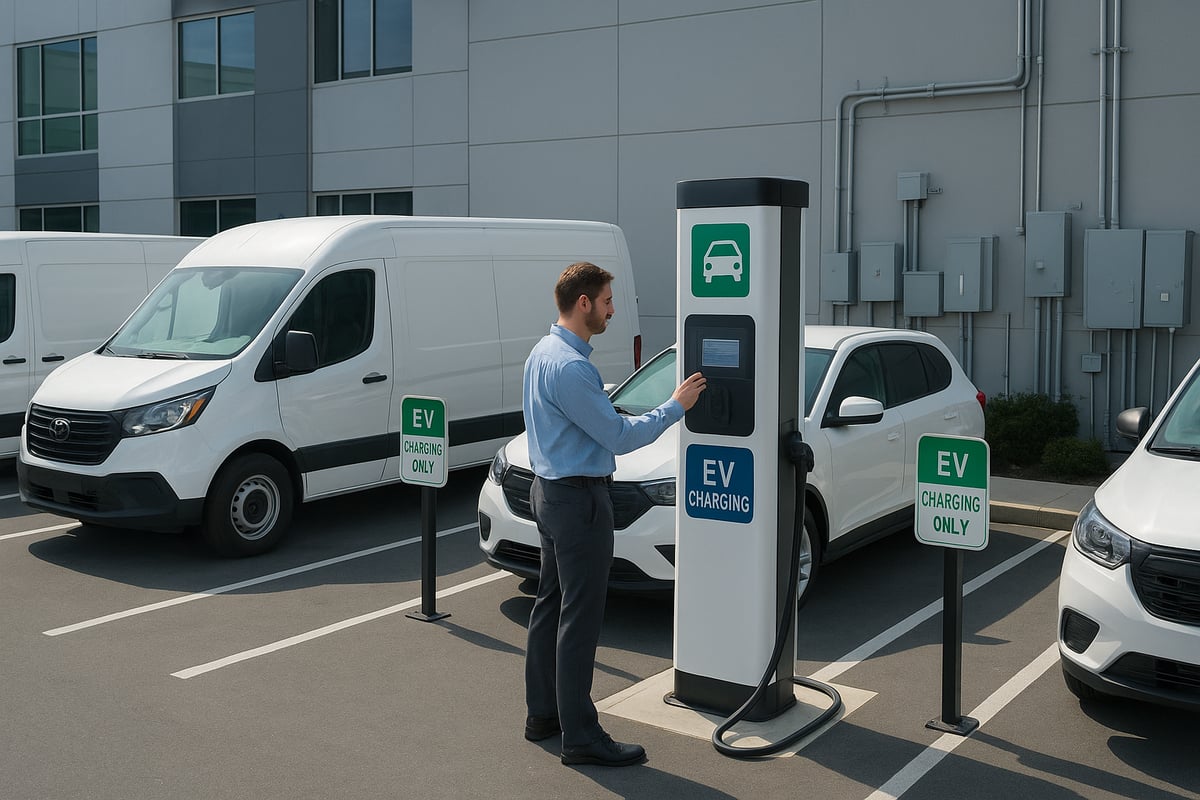
Upfront and Ongoing Costs
The financial landscape for commercial electric vehicle chargers includes several key components. Initial investments often cover hardware, installation, permitting, and sometimes significant electrical upgrades. For many sites, upgrading existing panels is necessary to support new load requirements. For a deeper look at this process, see the commercial electrical panel upgrades guide, which outlines steps and considerations specific to business properties.
Typical upfront costs include:
| Cost Component | Description | Estimated Range (CAD) |
|---|---|---|
| Charger Hardware | Level 2 or DC Fast Charger units | $4,000 - $60,000+ |
| Installation | Labour, materials, trenching | $2,000 - $20,000 |
| Electrical Upgrades | Panel, wiring, transformer upgrades | $5,000 - $40,000+ |
| Permitting & Inspection | Municipal and utility permits | $500 - $3,000 |
Ongoing costs for commercial electric vehicle chargers involve routine maintenance, software subscriptions, and utility rates. Demand charges from local utilities can impact monthly operational expenses, especially for high-speed charging locations. Maintenance agreements and remote monitoring services are common inclusions to keep equipment running smoothly.
Maximizing ROI and Utilization
Maximizing the return on investment for commercial electric vehicle chargers starts with selecting the right revenue model. Options include pay-per-use billing, subscription access, or free charging as a value-add for customers or tenants. Each approach impacts utilization rates and customer satisfaction differently.
Data analytics platforms help businesses track usage patterns, manage energy consumption, and optimize charger availability. Marketing charger locations through signage, digital platforms, and EV charging apps drives increased traffic and revenue.
Consider these ROI drivers:
- Fuel savings over traditional fleet vehicles
- Eligibility for tax credits and government rebates
- Increased property value and tenant attraction
- Enhanced brand image and sustainability credentials
A detailed ROI calculation for commercial electric vehicle chargers should factor in upfront costs, projected utilization, and available incentives. Businesses that promote charger availability and monitor performance can expect higher utilization and faster payback periods.
Maintenance and Support Best Practices
Reliability is essential for commercial electric vehicle chargers. Preventive maintenance schedules reduce unexpected downtime and extend equipment lifespan. Many businesses use remote diagnostics to monitor system health and quickly address issues.
Best practices include:
- Scheduling regular inspections and cleaning
- Maintaining up-to-date firmware and software
- Establishing service agreements with local electrical contractors
- Responding promptly to outages or user concerns
Well-maintained commercial electric vehicle chargers enhance user experience and protect your investment. Partnering with experienced contractors ensures compliance with evolving codes and provides peace of mind for long-term operations.
Future Trends and Innovations in Commercial EV Charging
The future of commercial electric vehicle chargers in Canada is rapidly evolving, shaped by new technologies and changing business needs. As adoption accelerates, staying ahead of these trends is crucial for maximizing value and ensuring long-term success.
Smart Charging and Energy Management
Smart charging is transforming how businesses manage commercial electric vehicle chargers. Integration with building energy management systems allows for real-time monitoring, load balancing, and demand response. These features help companies optimize energy use, lower operating costs, and avoid peak demand charges.
Many Canadian cities are piloting smart charging solutions that support time-of-use pricing and remote diagnostics. By leveraging data analytics, operators can track charger utilization and identify opportunities for increased efficiency. Advanced software platforms now enable remote updates, predictive maintenance, and dynamic load sharing across multiple commercial electric vehicle chargers.
Key smart charging capabilities include:
- Automated load balancing to prevent grid overload
- Integration with renewable energy sources
- User authentication and secure payment processing
For a comprehensive look at growth projections and new technologies, see the Canada's EV Charging Station Market Forecast. These innovations are setting the stage for scalable, future-ready commercial electric vehicle chargers.
Vehicle-to-Grid (V2G) and Bi-Directional Charging
Vehicle-to-Grid (V2G) and bi-directional charging are emerging as game changers for commercial electric vehicle chargers. These technologies allow EVs to not only draw power from the grid but also return energy during peak times, supporting overall grid stability.
For businesses, V2G capabilities can generate new revenue streams by participating in demand response programs. Energy stored in fleet vehicles becomes a flexible asset, helping offset operational costs. However, challenges remain, including regulatory hurdles, standardization, and ensuring charger compatibility with diverse EV models.
Early Canadian deployments are demonstrating the feasibility of V2G. For example, pilot projects in Ontario have enabled municipal fleets to provide energy back to the grid during high-demand periods. As utilities adapt and standards evolve, V2G integration will become a key consideration for any commercial electric vehicle chargers project.
Scaling Up: Preparing for 2026 and Beyond
As demand rises, businesses need to future-proof their commercial electric vehicle chargers. Modular charging solutions enable easy expansion as fleets grow. Selecting hardware and software with open standards ensures ongoing compatibility with new vehicles and charging protocols.
Anticipating regulatory changes and interoperability requirements is vital. Commercial property owners should monitor updates to Canadian and provincial codes, as well as international standards. Prioritizing sustainability can also yield significant benefits. Achieving certifications such as LEED or BOMA BEST demonstrates a commitment to energy efficiency and environmental stewardship.
Looking ahead, emerging trends like wireless charging, ultra-fast chargers, and AI-driven energy management will redefine the landscape. Staying informed will help organizations maximize the value and resilience of their commercial electric vehicle chargers investment.
Choosing the Right Electrical Contractor for EV Charger Installation
Selecting the right electrical contractor is a critical step in any successful installation of commercial electric vehicle chargers. The expertise and credentials of your contractor can directly impact safety, compliance, and the long-term reliability of your investment.
When evaluating contractors for commercial electric vehicle chargers, prioritize those who are fully licensed, insured, and ESA-certified. Industry experience is key. Look for a proven track record with commercial EV charger installations, not just general electrical work. The right contractor will understand the unique requirements of commercial sites, including power capacity, user access, and integration with building management systems.
A knowledgeable contractor will ensure strict adherence to all applicable codes and regulations. In Ontario, this includes compliance with the latest standards outlined in the Ontario electrical code compliance guide. Proper permitting, safety signage, and inspection scheduling are all part of a compliant installation. Contractors should also provide clear documentation and be proactive about upcoming code changes.
Local expertise offers additional value. Contractors based in the GTA or Scarborough are familiar with municipal permitting processes and regional infrastructure challenges. Partnering with a Scarborough-based provider, for example, gives you ongoing access to maintenance support and rapid response in case of outages or upgrades. This local knowledge streamlines project timelines and ensures your commercial electric vehicle chargers remain operational and compliant.
Choosing a qualified contractor is an investment in your business’s future. By focusing on credentials, experience, code compliance, and local support, you can maximize the performance and reliability of your commercial electric vehicle chargers for years to come.
Now that you have a clear roadmap for planning and installing commercial EV chargers, it’s time to take the next step with confidence. Partnering with a licensed and experienced electrical contractor is essential to ensure your project meets Canadian Electrical Code standards, stays on budget, and delivers lasting value for your business. If you’re ready to explore your options or need expert guidance tailored to your site, you can start by requesting a no obligation estimate for your commercial EV charging installation.
Request a Free Estimate