Weatherhead Electrical Guide: Your Essential Handbook 2026
Are you prepared to tackle your next electrical project with confidence? The Weatherhead Electrical Guide 2026 is designed to empower homeowners, contractors, and professionals at every level.
This essential handbook delivers up-to-date, practical insights on the latest weatherhead electrical systems. You can trust it to help you achieve safety, compliance, and efficiency in all your projects for 2026 and beyond.
Inside, you will discover clear explanations of weatherhead system fundamentals, essential installation steps, and how to stay compliant with new codes. You will also find troubleshooting techniques and expert maintenance tips.
Safe electrical entry points are more important than ever. With new standards for 2026, reliable, code-compliant solutions are within your reach. Start your journey with our comprehensive, step-by-step guide.
Understanding Weatherhead Electrical Systems
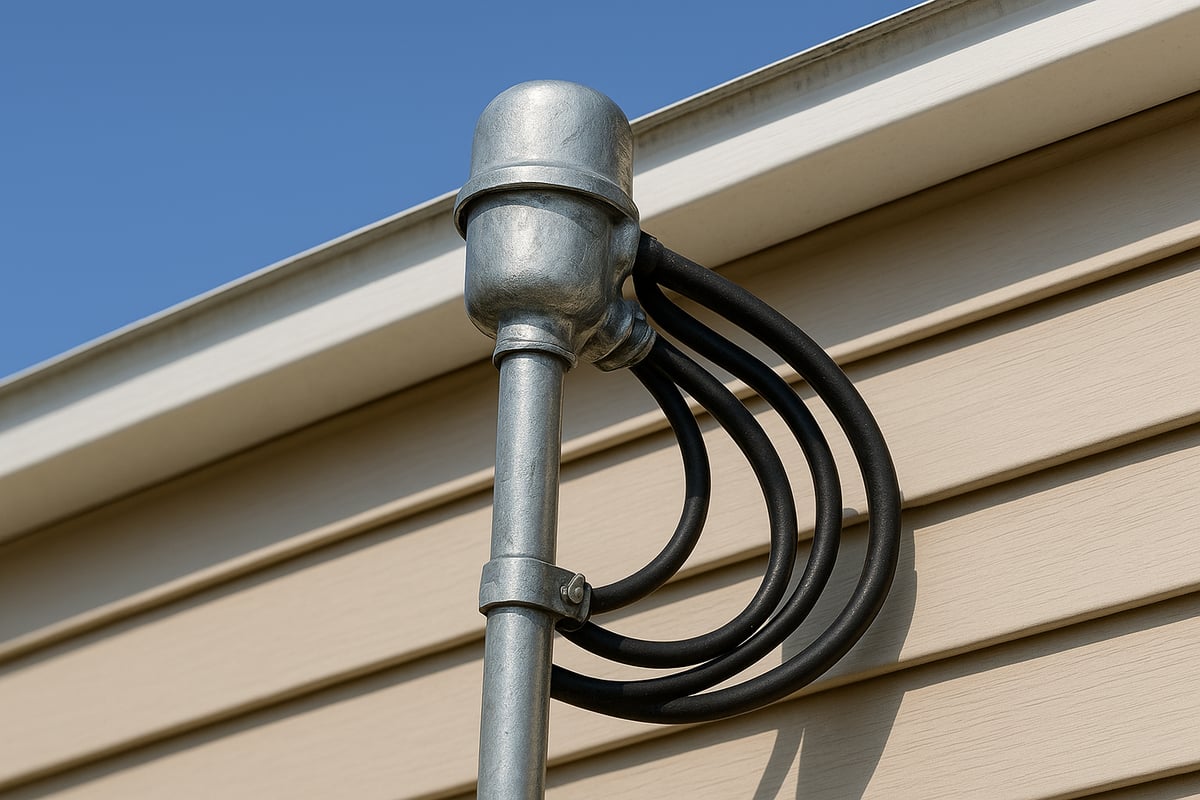
A weatherhead is a vital part of any weatherhead electrical setup, serving as the main entry point for overhead power lines into a building. Positioned at the top of a conduit or service mast, it protects electrical connections from the elements. Most often, you will spot a weatherhead on rooftops or exterior walls, where overhead service wires meet the structure.
What is a Weatherhead?
A weatherhead is a weatherproof cap installed at the top of a service mast, allowing utility wires to enter a building safely. Its primary function is to shield electrical connections from rain, snow, and debris. You can recognize a weatherhead by its rounded, downward-facing cap, typically located where overhead wires connect to houses or commercial buildings.
Types of Weatherheads and Materials
There are several types of weatherheads used in weatherhead electrical systems, including service entrance caps, mast weatherheads, and combination units. The choice of material affects performance and longevity. Below is a comparison:
| Type | Common Material | Durability |
|---|---|---|
| Service Entrance Cap | Aluminum | High weather resistance |
| Mast Weatherhead | Galvanized Steel | Superior strength |
| Combination Unit | Plastic | Lightweight, moderate durability |
Material selection should consider exposure to weather, risk of corrosion, and code requirements.
Weatherhead Components Explained
A weatherhead electrical system consists of several key components, each serving a protective role:
- Cap: The weather-resistant cover that prevents water ingress.
- Mast: The vertical conduit supporting the weatherhead and service wires.
- Service Wires: Conductors carrying power from the utility to the building.
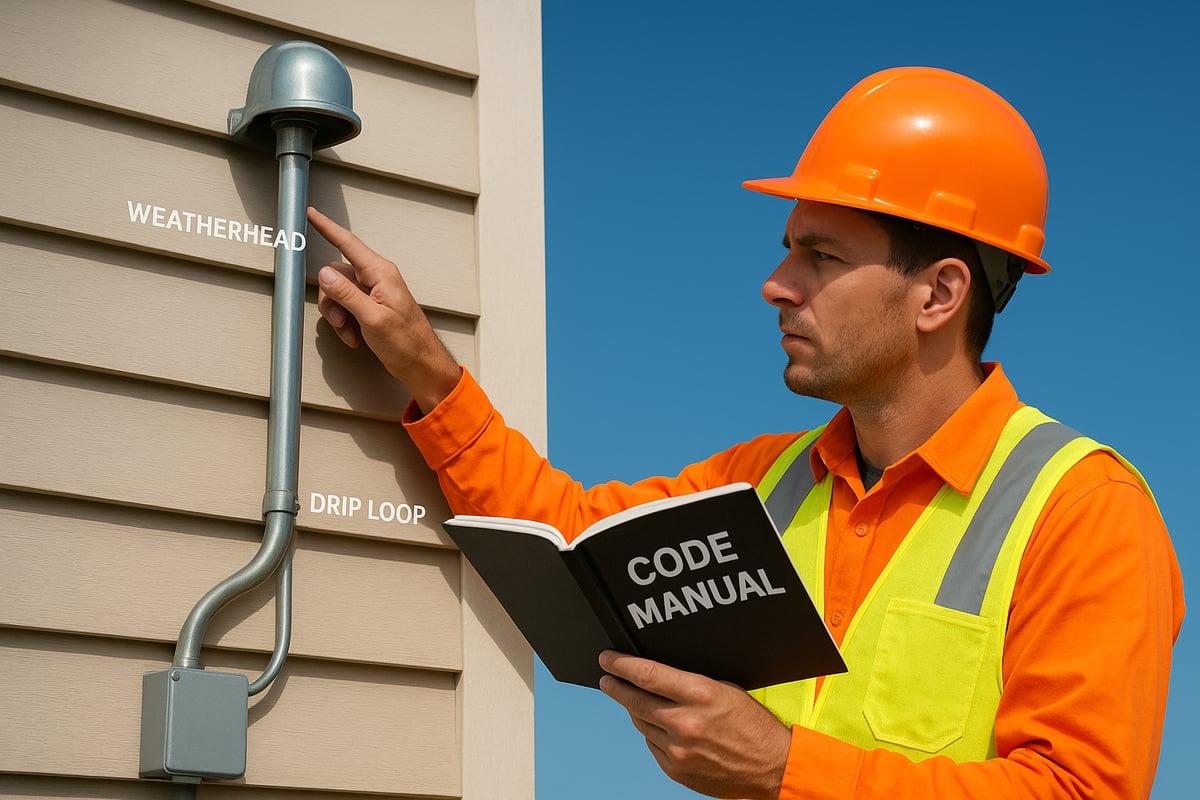
- Drip Loop: A looped section of wire below the weatherhead to direct water away.
- Insulator: Provides electrical isolation and additional weather protection.
Proper assembly of these components ensures safe, reliable operation.
The Importance of Proper Weatherhead Installation
Correct installation of a weatherhead electrical entry is crucial to prevent water leaks and electrical hazards. A secure fit protects against moisture, which can cause corrosion or short circuits. Proper installation also impacts the system's longevity, reliability, and insurance eligibility. For homeowners in Ontario, following the Ontario Electrical Code Compliance guide is essential to meet safety standards and avoid costly violations. Code-compliant weatherhead electrical systems are a must for long-term peace of mind.
Common Applications and Use Cases
Weatherhead electrical systems are found in residential, commercial, and industrial settings. Typical examples include single-family homes, retail buildings, and warehouses. Each environment may require specific weatherhead types and materials to meet unique power demands and exposure risks. Choosing the right setup ensures safe and efficient service entry for any property.
Safety Considerations
Improper installation or aging weatherhead electrical components can lead to serious risks, including fire or electrocution. According to the Electrical Safety Foundation International (ESFI), weather-related electrical incidents are a significant cause of property damage and personal injury each year. Regular inspection and timely upgrades are vital to maintaining a safe service entry point.
Step-by-Step Weatherhead Installation Guide
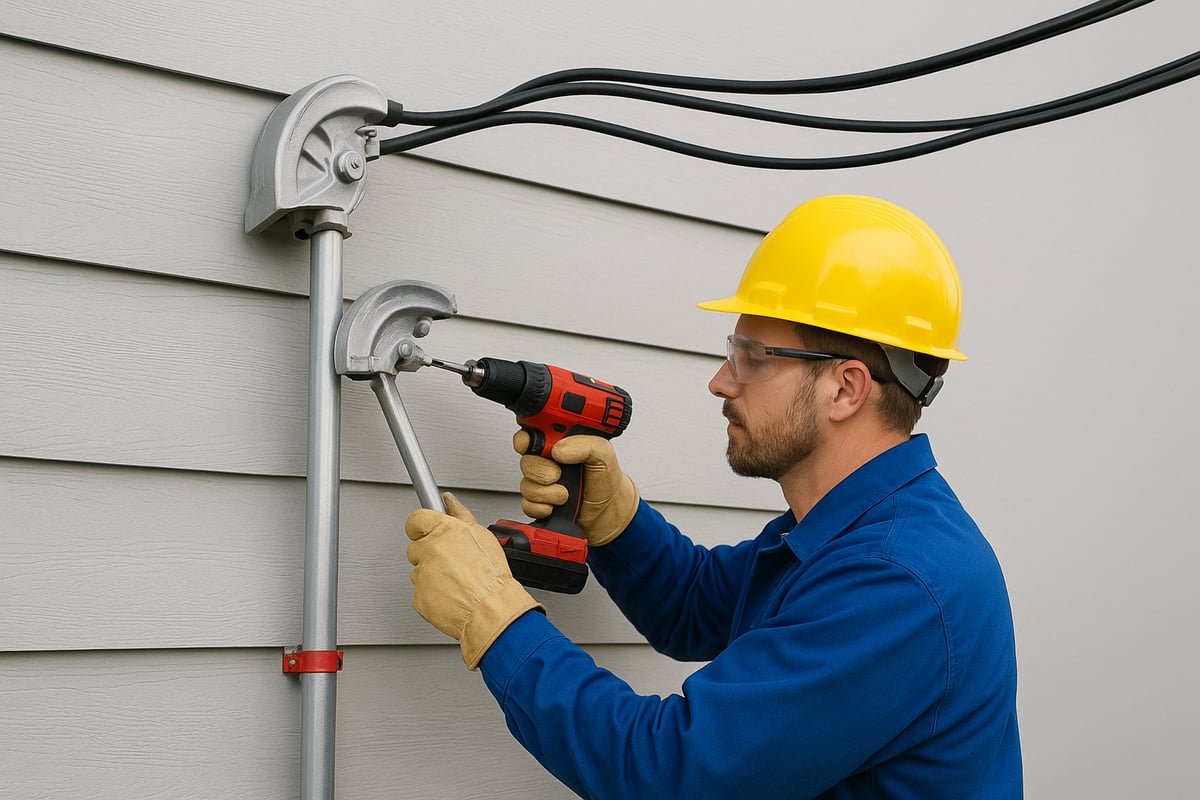
Embarking on a weatherhead electrical installation requires careful planning, the right tools, and strict attention to safety. Whether you are upgrading your home service or managing a commercial project, following a structured process ensures compliance and long-term reliability. This guide provides a clear, actionable pathway for every stage of the weatherhead electrical installation process.
Pre-Installation Planning
Before starting a weatherhead electrical project, evaluate your specific requirements. Determine the expected electrical load and ensure your weatherhead system matches the needs of your property. Consider future demands, such as electric vehicle charging or additional appliances.
Select the appropriate weatherhead type and materials for your environment. Aluminum, galvanized steel, and plastic each offer varying durability and weather resistance. Consult local building codes and utility company regulations to verify your planned installation meets all requirements.
Secure all necessary permits and gather documentation before any physical work begins. Proper planning at this stage helps avoid costly mistakes and ensures your weatherhead electrical system will be code compliant from the start.
Tools and Materials Checklist
Having the right equipment is essential for safe and efficient weatherhead electrical installation. Below is a summary of recommended tools and materials:
| Tools | Materials |
|---|---|
| Conduit bender | Weatherhead |
| Cable cutters | Mast (conduit pipe) |
| Power drill | Service entrance cable |
| Safety gear (PPE) | Fasteners (straps, clamps) |
| Voltage tester | Weatherproof sealant |
Double-check your list to prevent delays. Reliable tools and quality materials are the foundation of a safe weatherhead electrical installation.
Site Preparation and Safety Precautions
Begin by shutting off the main power supply at the breaker panel. Confirm all circuits connected to the weatherhead electrical entry point are de-energized with a voltage tester.
Set up ladders on stable ground and use fall protection where required. Clear the area around the service entry, removing obstacles and debris. Safe, unobstructed access to the installation site is essential for any weatherhead electrical project.
Installing the Mast and Weatherhead
Mount the mast securely to the building, following manufacturer guidelines and local code requirements. Use sturdy brackets and fasteners to ensure the mast can withstand environmental stresses.
Attach the weatherhead to the top of the mast, ensuring a snug fit to prevent water ingress. Form a drip loop with the service entrance cable below the weatherhead, which directs rain away from electrical connections, preserving the integrity of your weatherhead electrical system.
Check the mast height and angle, as codes typically require a minimum clearance above ground and roof surfaces. For a detailed, hands-on walkthrough, consult this Electrical Weatherhead Installation: How To guide for additional safety and compliance tips.
Routing and Securing Service Entrance Cable
Guide the service entrance cable through the mast and into the weatherhead, avoiding sharp bends or pinches. Secure the cable at intervals using approved clamps and fasteners, maintaining safe distances from windows, doors, and trees.
Ensure the cable is not under tension and that all fasteners are tight. Proper routing and securing help maintain the safety and longevity of your weatherhead electrical setup.
Making Electrical Connections
Connect the service wires to the weatherhead terminals according to the wiring diagram and local codes. Use the correct size lugs and tighten connections to manufacturer specifications.
Apply insulation and weatherproofing materials to exposed connections. Double-check polarity and grounding to prevent hazards. Every step in this phase is critical for the safe operation of your weatherhead electrical system.
Final Inspection and Testing
After completing the installation, use a voltage tester to verify that all connections are correct and the system is safe. Inspect for secure fittings and effective weatherproofing at every junction.
Schedule an official inspection with your local utility or electrical authority. Approval from these professionals ensures your weatherhead electrical installation meets all code requirements and is ready for service.
Weatherhead Electrical Codes and Compliance for 2026
Staying compliant with the latest weatherhead electrical regulations is critical for system safety and reliability. Both homeowners and professionals must understand the evolving codes that govern these installations. Updated standards for 2026 ensure weatherhead electrical systems keep pace with modern electrical demands and protect property and occupants.
Overview of National and Local Codes
The foundation of weatherhead electrical system compliance lies in two primary standards: the Canadian Electrical Code (CEC) and the National Electrical Code (NEC). Both are regularly updated to address new technologies, safety concerns, and efficiency improvements. For 2026, the NEC has introduced notable changes that impact weatherhead electrical installations across residential and commercial properties.
Contractors and property owners should review the NEC 2026 updates: Everything you need to know to understand specific code amendments relevant to weatherhead electrical systems. Local jurisdictions may also adopt their own amendments, making it essential to verify both national and municipal requirements before starting any project.
Clearance and Placement Requirements
Proper clearance is crucial for weatherhead electrical systems to prevent accidental contact and ensure safe operation. The 2026 codes specify minimum heights for weatherhead installations above ground, driveways, and rooftops. For example, a typical residential weatherhead must be at least 3.5 meters above ground level and higher over driveways to allow vehicle clearance.
Placement must also account for safe distances from windows, doors, and other utilities. These rules help reduce the risk of electrical hazards, maintain accessibility for utility workers, and protect the integrity of the weatherhead electrical entry point. Always consult your local utility for additional placement guidelines.
Material and Component Standards
The 2026 codes now outline stricter standards for materials used in weatherhead electrical systems. Approved weatherhead types include those constructed from corrosion-resistant metals or durable plastics that can withstand harsh weather conditions. Service entrance cables must be rated for outdoor use and compatible with the weatherhead's material and size.
Key components, such as insulators and drip loops, must meet specific performance and safety criteria. Using high-quality, code-compliant materials extends the lifespan of the weatherhead electrical system and reduces maintenance needs.
Grounding and Bonding Regulations
Grounding and bonding are essential for the safe operation of any weatherhead electrical system. The updated codes specify the correct methods for connecting grounding conductors, including the use of approved clamps and rods. Proper bonding helps direct electrical surges safely into the earth, protecting equipment and reducing fire risk.
For weatherhead electrical systems, all metallic parts must be bonded together and connected to the main grounding system. Surge protection devices may also be required in areas prone to lightning or power fluctuations. Following these regulations ensures both safety and compliance.
Inspection and Approval Process
Once a weatherhead electrical installation is complete, a formal inspection is required before the system can be energized. Inspectors will verify that all components meet code, clearances are adequate, and materials are properly rated. The checklist typically includes examination of the weatherhead, mast, drip loops, cable supports, and grounding connections.
Scheduling inspections with local authorities early helps prevent project delays. Only after passing inspection will the utility company authorize final connection to the grid.
Penalties for Non-Compliance
Ignoring weatherhead electrical codes can have significant consequences. Homeowners may face hefty fines, insurance claim denials, or even forced removal of non-compliant installations. For instance, an improperly installed weatherhead that leads to water ingress or electrical faults could result in a denied insurance claim after a storm.
Contractors are also at risk for liability if their work does not meet current standards. Staying informed and compliant is not only a legal requirement but also a critical safety measure.
Staying Updated with Code Changes
Electrical codes are living documents, updated every few years to reflect new risks and technologies. Professionals should regularly review the latest standards and attend continuing education courses. Trusted industry resources and official code publications are essential for ongoing learning.
For complex or code-critical weatherhead electrical projects, always consult or hire a licensed electrician. Their expertise ensures compliance and reduces long-term risks for property owners.
Troubleshooting and Maintenance of Weatherhead Systems
Maintaining a weatherhead electrical system is crucial for long-term safety and performance. Regular troubleshooting and maintenance help you spot problems before they escalate, keeping your property secure and compliant. This section outlines the most common issues, how to diagnose them, practical repair tips, preventative steps, and when to call a professional.
Common Weatherhead Problems
Weatherhead electrical systems are exposed to the elements, which can lead to several problems over time. Water leaks are common, especially if the cap or mast seal deteriorates. Corrosion and rust affect metal parts, while frayed or damaged service cables compromise safety. Loose or missing weatherhead caps also expose connections to moisture and debris, increasing the risk of electrical faults. Regularly inspecting your weatherhead electrical system helps prevent minor issues from becoming major hazards.
- Water leaks
- Corrosion and rust
- Frayed service cables
- Missing or loose caps
Addressing these problems early is essential for system reliability.
Diagnosing Issues Safely
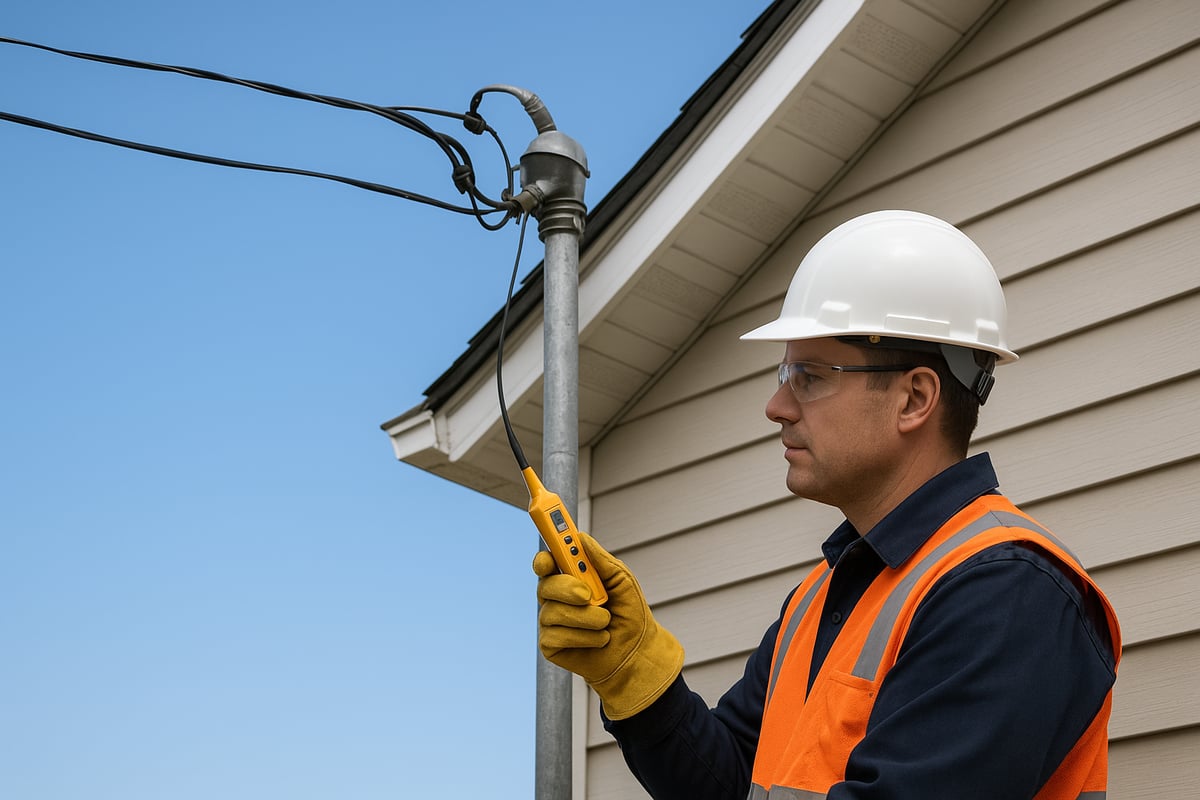
Safe diagnosis is the foundation of effective weatherhead electrical maintenance. Begin with a thorough visual inspection, looking for signs of wear, rust, or exposed wires. Always use a non-contact voltage tester to check for live currents before touching any component. If you're unsure about any findings, refer to Troubleshooting Residential Electrical Issues for step-by-step guidance. For complex or hazardous problems, contacting a qualified electrician is the safest course.
- Visual inspection checklist
- Non-contact voltage tester use
- When to call a professional
Proper safety measures protect both people and property.
Repair and Replacement Procedures
When a weatherhead electrical component needs repair, start by shutting off the main power. Temporary fixes, like sealing minor leaks or tightening loose caps, may address immediate concerns. For more severe issues such as heavily corroded parts or damaged cables, complete replacement is required. Gather the correct weatherhead, mast, and cable materials for the job. Consider the cost and time involved; some repairs are quick, while full replacements may take several hours and require inspection.
- Temporary repairs
- Full replacement process
- Cost and time factors
Careful planning ensures lasting results.
Preventative Maintenance Tips
A proactive approach extends the life of your weatherhead electrical system. Schedule annual inspections to spot early signs of trouble. Remove debris, such as leaves or branches, from around the mast and weatherhead. Confirm that all seals are intact and reapply weatherproof sealants as needed. Maintaining clearances from trees and structures prevents accidental damage. Document your maintenance activities to track system health and compliance with electrical codes.
- Annual inspections
- Cleaning and debris removal
- Sealant reapplication
Consistent upkeep reduces long-term risks.
Weather-Related Risks and Protection
Extreme weather poses significant threats to weatherhead electrical installations. Ice, wind, and heavy rain can loosen connections or damage service cables. Surge protectors and lightning arrestors safeguard against voltage spikes caused by storms. Inspect the weatherhead after severe weather events for visible damage or water ingress. Upgrading to weatherheads designed for harsh climates provides additional protection. Addressing weather-related risks promptly helps avoid costly repairs and outages.
- Ice and wind effects
- Surge protector benefits
- Post-storm inspections
Proactive measures ensure continuous service.
Upgrading for Modern Electrical Demands
Modern homes and businesses often require upgrades to their weatherhead electrical systems. Increased electrical loads from EV chargers, smart home devices, or renovations may exceed the capacity of older weatherheads. Evaluate your system's amperage rating and compatibility with new technologies. Upgrading ensures safe power delivery and future-proofs your property. For example, installing a higher-capacity weatherhead supports expanded electrical needs and meets current code requirements.
- Higher amperage needs
- Smart home compatibility
- Upgrade triggers
Timely upgrades maintain safety and efficiency.
Professional Maintenance vs. DIY
While some weatherhead electrical maintenance tasks seem manageable, professional inspections offer greater safety and peace of mind. Licensed electricians have the expertise to identify hidden hazards and ensure code compliance. DIY repairs increase the risk of injury, property damage, or insurance complications. For critical issues or code-related work, always consult a professional. Investing in expert care protects both your property and personal safety.
- Professional expertise
- Code compliance
- Reduced liability
Relying on professionals guarantees reliable outcomes.
Innovations and Future Trends in Weatherhead Electrical Systems
Staying informed about the latest innovations in weatherhead electrical systems is essential for future-proofing your property and ensuring ongoing safety. As technology evolves, so do materials, smart integrations, and code requirements. These changes help homeowners and professionals meet the increasing demands of modern electrical infrastructure.
Advances in Weatherhead Materials
Material science is revolutionizing the weatherhead electrical industry. Traditional options like galvanized steel and aluminum are now joined by advanced composite materials engineered for maximum durability and corrosion resistance.
| Material Type | Durability | Corrosion Resistance | Weight |
|---|---|---|---|
| Galvanized Steel | High | Moderate | Heavy |
| Aluminum | Moderate | High | Light |
| Composite/Polymer | Very High | Excellent | Very Light |
These new materials offer improved UV protection and longer service life. As a result, weatherhead electrical systems are better equipped to handle harsh climates and extended exposure. Upgrading to these materials can significantly reduce maintenance needs and extend the lifespan of your installation.
Integration with Smart Home Technology
Smart home integration is transforming how property owners interact with their weatherhead electrical systems. Modern weatherheads can now include embedded sensors for monitoring voltage, temperature, and moisture. These sensors can send real-time alerts to your smartphone or building management system, allowing for proactive maintenance.
Remote diagnostics also simplify troubleshooting and reduce downtime. As more homes adopt smart technologies, weatherhead electrical components will play a critical role in creating connected, responsive electrical networks.
Eco-Friendly and Energy-Efficient Designs
Sustainability is a growing priority in the weatherhead electrical market. Manufacturers are increasingly using recyclable and eco-friendly materials, reducing the environmental impact of new installations. Some weatherhead designs now support renewable energy systems, such as solar panels and wind turbines.
Energy-efficient weatherhead electrical systems minimize power loss and help meet green building standards. In Canada, eco-friendly weatherheads are becoming more widely available, making it easier to choose solutions that support both performance and environmental responsibility.
Enhanced Safety Features
Safety advancements are central to weatherhead electrical innovation. New models feature tamper-resistant designs to prevent unauthorized access and protect children. Integrated surge protectors and lightning arrestors safeguard your property from electrical spikes caused by storms.
Additionally, improved weatherproof seals and insulation help prevent water ingress, a leading cause of electrical faults. These enhancements contribute to safer installations and lower the risk of electrical incidents, giving property owners greater peace of mind.
Weatherhead Systems for Extreme Climates
Extreme weather demands specialized solutions. Arctic-rated weatherhead electrical systems are now available for northern Canada, designed to withstand freezing temperatures, heavy snow, and high winds. Enhanced gaskets, reinforced mast supports, and flexible materials ensure reliable performance even in the harshest conditions.
In coastal or high-humidity regions, weatherhead electrical components are engineered with extra corrosion resistance. These innovations protect service entries and minimize the risk of weather-related failures.
Regulatory and Industry Trends for 2026 and Beyond
Regulations are evolving to keep pace with technology. Anticipated updates to the National Electrical Code will require higher standards for weatherhead electrical installations, emphasizing safety, efficiency, and resilience. Staying informed and compliant is simpler with resources like the 2026 National Electrical Code - Spiral Bound, which details the latest requirements.
Industry trends also point to a surge in weatherhead retrofitting, as both residential and commercial properties upgrade for modern demands. For those considering major upgrades, review guidance on Home Electrical Service Upgrades to ensure your weatherhead electrical system meets future standards.
Frequently Asked Questions About Weatherhead Electrical Systems
Homeowners and professionals often have questions about weatherhead electrical systems, especially as codes and technologies evolve. Below, you will find clear, reliable answers to the most common concerns. Whether you are planning an upgrade, facing a repair, or simply want to ensure your property is safe and compliant, these FAQs are designed to guide you with confidence.
What is the lifespan of a typical weatherhead?
The lifespan of a weatherhead electrical system depends on several factors, including material quality, local climate, and maintenance routines. Most weatherhead units last between 20 and 30 years when properly installed and maintained. Regions with harsh weather, such as heavy snow or coastal humidity, may see a shorter service life.
| Material | Average Lifespan (years) |
|---|---|
| Aluminum | 20 - 25 |
| Galvanized Steel | 25 - 30 |
| Plastic | 15 - 20 |
Regular inspection can help extend the life of any weatherhead electrical installation.
How do I know if my weatherhead needs replacement?
You should check your weatherhead electrical system periodically for warning signs. Common indicators include:
- Visible rust or corrosion on the cap or mast
- Water leaks or moisture around the entry point
- Frayed, cracked, or exposed service cables
- Loose or missing weatherhead caps
- Frequent electrical outages linked to weather events
If you notice any of these issues, arrange for a professional assessment. A qualified electrician can advise if a replacement is necessary and ensure your system remains safe and code compliant.
Can I install or repair a weatherhead myself?
Attempting DIY repairs or installation of a weatherhead electrical system is not recommended. Working near overhead service lines poses serious risks, including electrical shock and fire hazards. Local laws often require licensed electricians for this type of work.
If you are considering an upgrade or repair, always consult a professional. For more details on the importance of inspections and compliance, review Electrical Inspections for Property Safety. This resource outlines critical steps to ensure your weatherhead electrical system meets all safety standards.
What are the costs associated with weatherhead installation?
Costs for weatherhead electrical installation vary based on property type, location, and material. On average, homeowners can expect:
- Parts and materials: $150 - $400
- Labor (licensed electrician): $300 - $700
- Inspection and permit fees: $50 - $200
Choosing durable materials and scheduling routine maintenance can help avoid costly repairs. Some municipalities or utilities offer rebates for code-compliant upgrades, so check local programs.
How do weatherheads differ for residential vs. commercial properties?
Weatherhead electrical systems are designed to meet the unique demands of different property types. Residential installations are generally smaller, supporting 100 to 200 amps. In contrast, commercial weatherheads often handle higher capacities and must comply with stricter placement and clearance requirements.
For example, in the Toronto/GTA area, commercial weatherheads are typically mounted higher and use heavier-gauge wiring. Proper sizing and installation are crucial for both safety and compliance.
What should I do in case of weatherhead damage during a storm?
If your weatherhead electrical system is damaged during a storm, follow these steps:
- Stay clear of downed wires and do not touch the weatherhead
- Turn off power at the main breaker if safe to do so
- Contact your utility provider and a licensed electrician immediately
- Document visible damage for insurance purposes
Quick action helps prevent additional hazards and ensures a safe restoration process.
Are there eco-friendly weatherhead options?
Yes, eco-friendly weatherhead electrical options are available. Look for models made from recyclable composites or those designed for energy efficiency. Some systems are compatible with solar panels or renewable energy setups, making them suitable for sustainable homes.
In Canada, several suppliers now offer green-certified weatherhead products. Ask your electrician about energy-saving features and environmentally responsible materials.
Now that you have a solid understanding of weatherhead electrical systems and the importance of safety, compliance, and expert installation, it’s natural to feel more confident about your next project. Whether you’re upgrading an existing system or planning a new installation, working with licensed professionals ensures every detail meets the latest Canadian Electrical Code standards. If you’re ready to take the next step or simply want clarity on your options, I encourage you to Get a Free Electrical Quote
from our knowledgeable team. We’re here to help you achieve reliable, code-compliant results you can trust.