Essential Guide to Electrical Testing for 2026
Electrical testing is evolving rapidly. Are you prepared for the standards and technologies shaping 2026?
Safe, compliant, and efficient electrical systems have never been more essential for both homes and businesses. As demands grow, the risks of relying on outdated practices increase, putting safety, compliance, and cost efficiency at stake.
Up-to-date electrical testing protects people, property, and investments. It ensures you meet current codes, avoid costly failures, and maintain peace of mind.
This guide provides you with a clear, actionable roadmap for electrical testing in 2026. You will discover essential test types, the latest standards, step-by-step procedures, emerging technologies, safety protocols, and industry trends to keep you ahead.
Understanding Electrical Testing: Fundamentals and Importance
Electrical testing is the backbone of modern electrical safety and reliability. It involves a series of procedures designed to assess the condition and performance of electrical systems, ensuring they operate as intended and meet strict safety standards. Whether in a home, office, or industrial setting, electrical testing provides the confidence that circuits, equipment, and installations are safe for everyday use.
At its core, electrical testing serves three main purposes: verifying new installations, maintaining existing equipment, and supporting periodic inspections. Testing for installations ensures wiring and components meet code before energizing a system. Equipment testing checks for degradation or hidden faults that could cause failures over time. Periodic maintenance testing helps identify issues early, reducing the risk of unplanned outages or dangerous incidents.
The consequences of neglecting electrical testing can be severe. Inadequate testing is a leading cause of electrical fires, equipment malfunctions, and even fatalities. According to Electrical Safety Authority data, electrical distribution equipment is responsible for nearly 20% of reported fires in Ontario homes and businesses. In commercial and industrial environments, a lack of routine electrical testing has led to costly downtime and legal liabilities. Insurance companies and regulatory bodies increasingly require documented proof of testing to ensure compliance and minimize risk.
Compliance with recognized standards is essential for effective electrical testing. The Canadian Electrical Code (CEC) provides a comprehensive framework for safety and reliability, guiding both initial installations and ongoing inspections. Globally, standards like those from the International Electrotechnical Commission (IEC) and ANSI/NETA outline minimum requirements for test procedures and equipment. For a practical understanding of compliance in Ontario, refer to the Ontario Electrical Code compliance guide, which details key requirements for safe and effective electrical testing.
As technology advances and regulations evolve, electrical testing practices must adapt. The rise of smart devices, renewable energy systems, and electric vehicle infrastructure introduces new challenges that require updated testing protocols. For example, sensitive electronics and high-efficiency appliances demand precise measurements and advanced diagnostic tools. The adoption of digital record-keeping and automated test equipment is transforming how professionals approach compliance and documentation.
Real-world incidents highlight the impact of rigorous electrical testing. For instance, a Toronto office building avoided a major fire when routine insulation resistance testing detected failing wiring before it could overheat. In another case, scheduled earth continuity checks in a manufacturing plant identified a broken ground connection, preventing potential shock hazards for employees. These examples underscore the value of proactive electrical testing in safeguarding people, property, and business operations.
The demand for electrical testing continues to grow across all sectors. Residential renovations, commercial expansions, and industrial upgrades all require thorough verification to meet safety codes and insurance requirements. As we move toward 2026, staying current with the latest testing standards and technologies is not just best practice—it is essential for protecting lives and investments.
Key Types of Electrical Testing in 2026
Staying current with the essential types of electrical testing is crucial for safety, compliance, and reliability as 2026 approaches. Each testing method serves a unique role in safeguarding electrical systems, from new installations to ongoing maintenance. Understanding these methods not only reduces risks but also aligns with evolving standards such as the ANSI/NETA EMW-2026 Standard, which sets important benchmarks for qualified maintenance workers.
Dielectric Voltage Withstand Test (Hipot Testing)
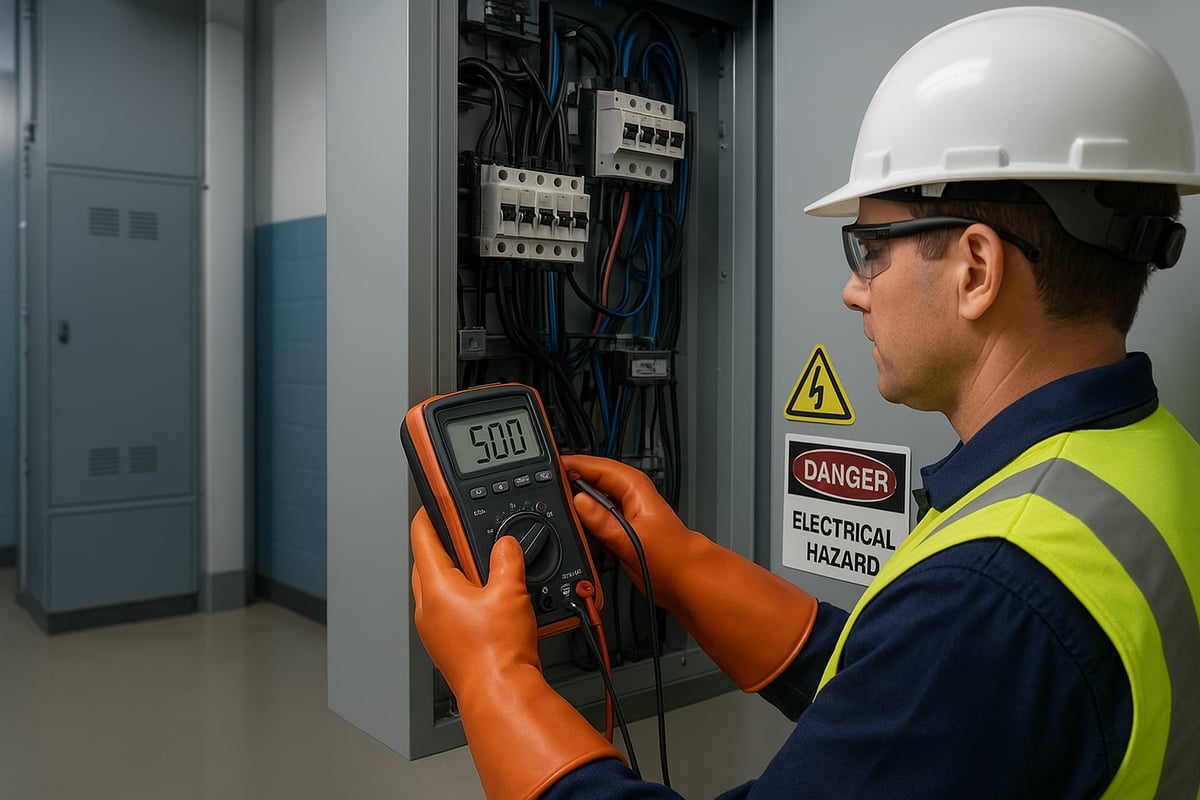
The dielectric voltage withstand test, often called Hipot testing, is fundamental in electrical testing for evaluating insulation integrity. This method applies a high voltage between a product's conductive parts and its insulation barriers, ensuring the insulation can withstand potential surges without breaking down.
To perform this test, technicians use a Hipot tester that gradually increases voltage while monitoring for leakage. Safety is paramount, so circuits must be de-energized, and all personnel should maintain safe distances during the procedure.
Hipot testing is vital for new installations as well as periodic inspections, especially in commercial panels where insulation breakdown could cause catastrophic faults. For example, a failed Hipot test might reveal a compromised cable that, if left unchecked, could lead to equipment failure or fire.
According to the Canadian Electrical Code (CEC) and IEC standards, acceptable values for insulation resistance must be maintained. Regular Hipot testing ensures compliance and long-term system reliability.
Insulation Resistance Test (IR Test)
Insulation resistance testing is a cornerstone of electrical testing, designed to detect the gradual degradation of insulation materials. This test measures how effectively insulation resists current flow, highlighting areas where wear or moisture may compromise safety.
The procedure involves applying a specific DC voltage, typically using a megohmmeter, between conductors and ground. Technicians must observe safety precautions, including verifying circuits are de-energized and selecting appropriate test voltages for the system under examination.
Factors such as temperature and humidity can influence insulation resistance, so readings should be interpreted in context. Tracking results over time allows for predictive maintenance, as declining values often signal the need for repairs before failures occur.
Acceptance criteria for insulation resistance are outlined in standards like the CEC, which specify minimum resistance levels based on system voltage and application. Consistent insulation resistance testing is vital for preventing costly outages and ensuring ongoing compliance.
Earth Continuity Test
The earth continuity test is an essential part of electrical testing, ensuring all metal parts in an installation are properly grounded. Proper grounding protects against electric shock by providing a safe path for fault currents.
To conduct this test, technicians use continuity testers or multimeters to verify low-resistance connections between exposed metal parts and the main earth terminal. The process includes checking for broken or loose earth wires, which can create dangerous situations if left undetected.
This test is especially important during renovations or after repairs in residential settings. For instance, discovering a disconnected ground wire during a routine earth continuity test can prevent shock hazards and potential legal liabilities.
Regulatory codes require that earth continuity is confirmed before energizing any circuit. Regular earth continuity testing upholds both safety standards and peace of mind for property owners.
Leakage Current Test
Leakage current testing is a critical aspect of electrical testing, focused on detecting stray currents that may pose risks to users or sensitive equipment. This test is particularly important in environments like hospitals, where even small leakage currents can be hazardous.
Technicians measure leakage current using specialized meters, assessing appliances and installations for compliance with established thresholds. Testing methods vary depending on the equipment, but the goal remains consistent: to ensure any current escaping insulation is within safe limits.
For example, in residential systems, leakage current testing verifies the function of GFCI or RCD devices, which are designed to disconnect power if unsafe current levels are detected. Standards specify allowable leakage currents, and exceeding these can prompt immediate remediation.
Routine leakage current testing is a proactive measure, reducing the likelihood of shocks and equipment malfunction.
Additional Tests: Visual Inspection, Polarity, Loop Impedance, RCD Testing
A comprehensive electrical testing protocol includes several additional tests that address different safety and performance aspects. Visual inspection comes first, identifying visible defects like damaged cables or loose fittings before any live testing occurs.
Polarity testing confirms that conductors are correctly wired, preventing reversed connections that may cause faults. Earth fault loop impedance testing ensures that, in the event of a fault, protective devices will disconnect power quickly to minimize harm.
RCD testing verifies that residual current devices respond appropriately to leakage currents, offering vital protection against electric shock. Each of these tests is required at different stages, such as initial installation, periodic inspection, or after repairs.
Common findings include wiring errors, aging insulation, or non-functional safety devices. By integrating these tests into a regular electrical testing schedule, technicians enhance both compliance and safety for every type of property.
Step-by-Step Guide to Electrical Testing Procedures
Navigating electrical testing in 2026 requires a structured, detail-oriented approach. Following a consistent step-by-step process ensures not only compliance but also the safety and reliability of every installation. By breaking down each phase, professionals can maximize efficiency, minimize risk, and deliver better results for clients.
Preparation and Safety Protocols
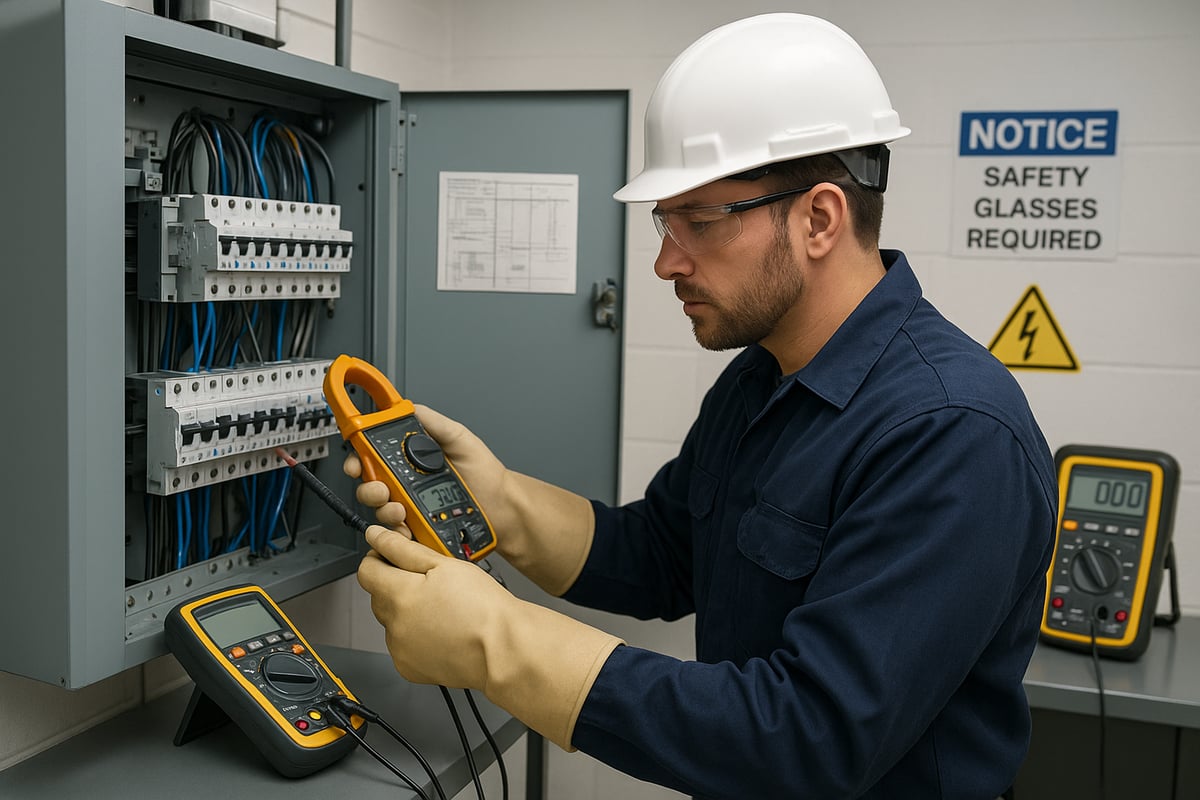
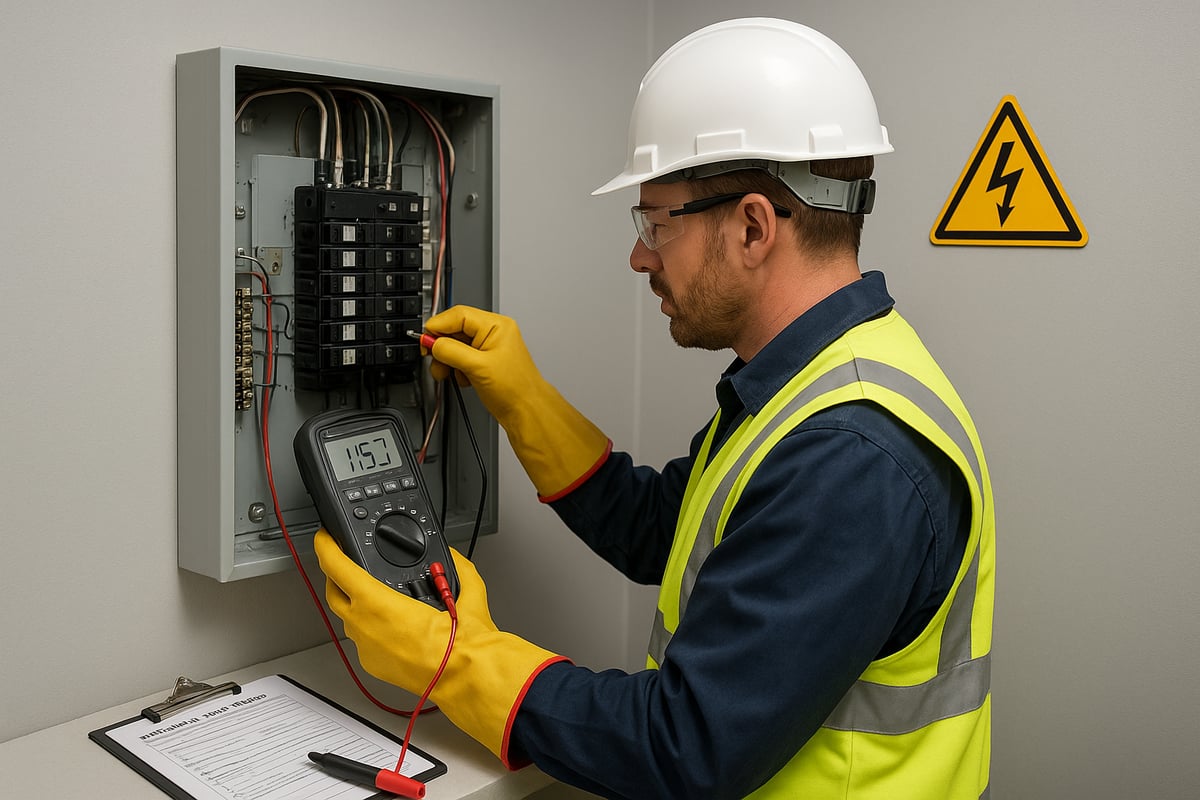
Thorough preparation sets the foundation for safe and effective electrical testing. Begin with a comprehensive risk assessment, identifying potential hazards in the work environment. Always wear appropriate personal protective equipment, such as insulated gloves, safety glasses, and flame-resistant clothing.
Before starting, isolate circuits by turning off breakers and using lockout/tagout devices. Verify de-energization with a reliable voltage tester. Set up exclusion zones with clear signage to prevent unauthorized access.
Document the condition of equipment and wiring before any tests. This step supports traceability and can be crucial for compliance audits. For more guidance on inspection practices and safety, review Electrical inspections and property safety, which details essential steps for effective electrical testing preparation.
Chronological Testing Process: From Visual Inspection to Live Testing
A logical testing sequence maximizes safety and accuracy in electrical testing. Start with a meticulous visual inspection to spot physical defects, loose connections, or damaged insulation. This step helps prevent hazards before energizing any part of the system.
Next, perform dead tests such as continuity and insulation resistance with the circuit de-energized. These tests confirm that conductors are intact and insulation is adequate. Only proceed to live tests, like polarity checks, earth fault loop impedance, and RCD operation, after confirming all dead tests are satisfactory.
For both residential and commercial settings, use checklists to ensure each step is completed. A typical workflow might look like:
- Visual inspection
- Continuity testing
- Insulation resistance testing
- Polarity verification
- Loop impedance and RCD testing
Careful sequencing reduces risk and ensures thoroughness in every electrical testing project.
Using Modern Testing Equipment and Tools
Advancements in digital technology have transformed electrical testing. Today’s professionals rely on digital testers, multifunction meters, and wireless data loggers to boost efficiency and accuracy.
Modern equipment often features built-in automation, streamlining complex test sequences and reducing human error. Wireless connectivity allows instant transfer of test results to compliance software or cloud storage, improving record-keeping.
Regular calibration is critical to maintain the reliability of test instruments. Schedule periodic maintenance checks and document calibration dates. For example, using a wireless-enabled meter, a technician can automatically log readings directly into a digital compliance system, saving time and minimizing errors during electrical testing.
Interpreting Test Results and Documentation
Understanding and documenting test results is essential for compliance and ongoing maintenance. Each reading from electrical testing should be compared to relevant standards to determine pass or fail outcomes.
Record all data clearly, noting the location, date, and conditions of each test. Use digital forms or specialized software to store results securely and generate reports. This approach simplifies audits and trend analysis.
For clients, provide digital test certificates summarizing findings and recommendations. Trend analysis can identify early signs of degradation, allowing for preventive maintenance and reducing the risk of future failures. Proper documentation is a cornerstone of responsible electrical testing.
Troubleshooting and Remediation
When electrical testing uncovers issues, prompt troubleshooting is vital. Common problems include insulation faults, poor grounding, or failed safety devices. Address these by isolating the affected circuit and conducting targeted diagnostics.
Immediate remediation may involve repairing damaged wiring, tightening connections, or replacing faulty components. If the issue persists, escalate to a licensed professional for further investigation.
After repairs, always re-test to confirm the system is safe and compliant. Maintaining a cycle of testing, remediation, and verification ensures ongoing safety and reliability. Effective troubleshooting is a key outcome of thorough electrical testing and supports long-term system performance.
Evolving Standards, Codes, and Compliance in 2026
Staying ahead of evolving standards is critical for anyone involved in electrical testing. As technology advances and new risks emerge, codes and regulations adapt to keep people, property, and equipment safe. Understanding these changes is essential for ensuring compliance and maintaining the integrity of electrical systems.
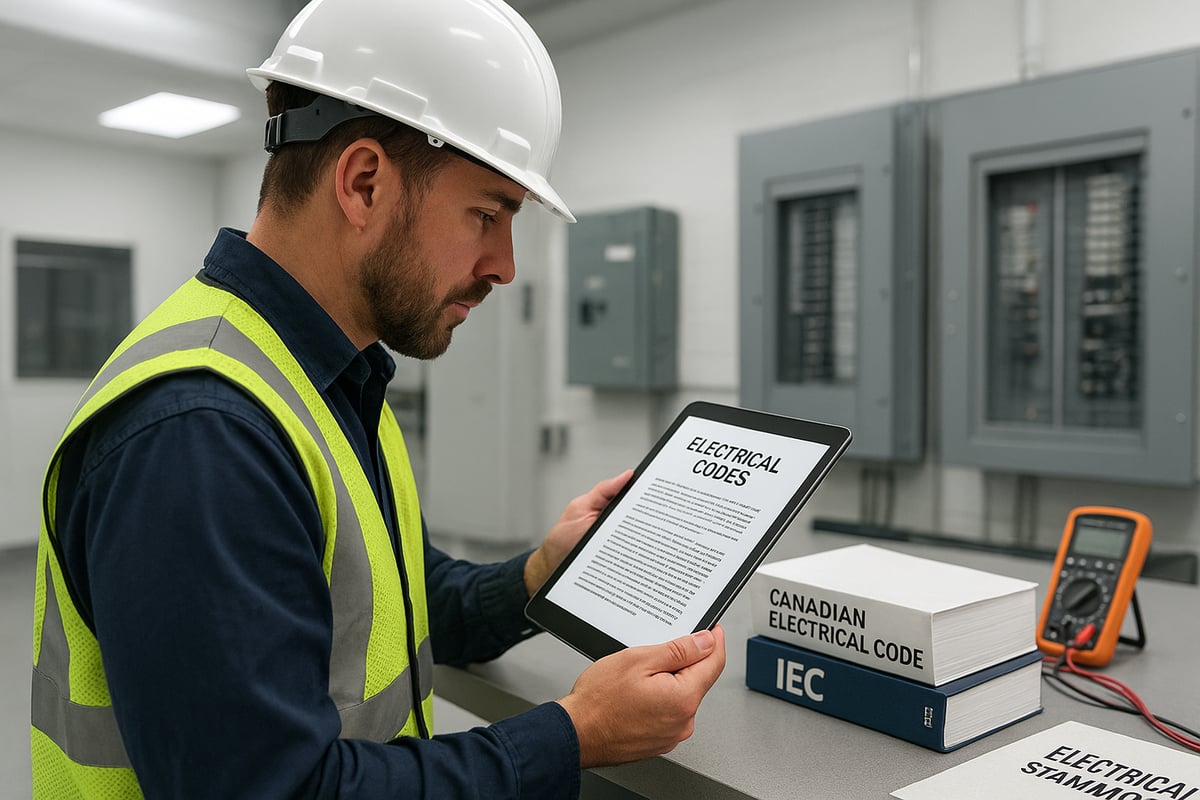
The Canadian Electrical Code (CEC) is the backbone of electrical safety across Canada. The 2024 edition introduced notable updates, including stricter arc fault protection, enhanced grounding requirements, and digital documentation mandates. Looking ahead to 2026, further changes are expected to address new technologies and safety insights, particularly in areas like renewable energy, electric vehicle infrastructure, and building automation.
International standards also play a growing role in shaping electrical testing best practices. Organizations such as the International Electrotechnical Commission (IEC), American National Standards Institute (ANSI), and Canadian Standards Association (CSA) provide frameworks for safe and effective testing. For example, the IEC 61000-4-5 Surge Immunity Standard sets criteria for evaluating how equipment withstands electrical surges, which is essential for compliance in both residential and commercial environments.
New requirements for 2026 will affect various sectors. Residential, commercial, and especially medical installations must meet stricter guidelines for Means of Protection (MOOP) and Means of Patient Protection (MOPP). These changes demand more meticulous electrical testing, with an increased emphasis on insulation verification, leakage current assessment, and grounding integrity. Digital compliance is now standard practice, with records needing to be accurate, accessible, and secure for audits.
Consider the impact of code changes on installations such as EV chargers and backup generators. Updated standards require thorough electrical testing to verify safe operation and connection integrity. Failure to comply can lead to significant risks, including denied insurance claims, legal action, and safety hazards. For businesses, non-compliance may result in costly downtime, fines, or reputational damage.
Penalties for non-compliance are becoming more stringent. Inspectors now expect detailed documentation, traceable test results, and evidence of regular maintenance. Insurance providers may refuse coverage for incidents linked to inadequate electrical testing. Legal liability is also a growing concern, especially in cases involving injury or property loss.
Global harmonization is an ongoing trend, making it easier for Canadian professionals to align with international best practices. This shift supports consistent safety outcomes, reduces confusion, and opens opportunities for cross-border projects. Adopting recognized standards streamlines training, testing procedures, and documentation.
To meet these evolving demands, professionals should:
- Stay current with code updates and participate in ongoing training
- Use digital tools for documentation and compliance tracking
- Follow a structured approach to electrical testing, from planning to reporting
- Engage with industry organizations for guidance on best practices
By staying proactive, you can ensure your electrical testing protocols not only meet but exceed the standards of 2026, providing peace of mind for clients and reducing risk across every project.
Innovations and Future Trends in Electrical Testing
The future of electrical testing is being shaped by rapid technological advancements, stricter regulations, and a growing focus on sustainability. As 2026 approaches, professionals and organizations must stay ahead by embracing the latest tools, automation strategies, and training methods. Understanding these innovations is essential for maintaining safe, compliant, and efficient electrical systems.
Smart Testing Devices and Digital Integration
The electrical testing landscape is evolving with the widespread adoption of IoT-enabled and cloud-connected devices. Smart testers now offer real-time monitoring, remote diagnostics, and seamless integration with compliance software. These advances not only improve accuracy but also streamline data collection for audits and maintenance planning.
For example, digital testers equipped with wireless connectivity can automatically upload test results to cloud storage, supporting instant access and long-term record-keeping. This is especially valuable for large commercial or industrial facilities where testing hundreds of circuits is routine.
Infrared inspections have also become a central component of electrical testing, with recent regulatory changes making them mandatory in certain contexts. The NFPA 70B 2023 Infrared Inspection Requirement highlights how thermal imaging is now integral for detecting hidden faults and preventing costly failures.
Automation and Artificial Intelligence in Testing
Automation and artificial intelligence (AI) are revolutionizing electrical testing by reducing human error and enhancing decision-making. Automated test sequences, programmable through multifunction testers, allow for consistent and repeatable testing across different installations.
AI-powered analytics can process vast amounts of test data, identifying patterns and anomalies that may indicate insulation degradation or emerging faults. Some systems can even predict maintenance needs before issues escalate, enabling proactive repairs and reducing downtime.
For instance, an AI-driven platform might flag a gradual drop in insulation resistance, prompting timely intervention. These innovations are making electrical testing more predictive, reliable, and efficient than ever before.
Sustainability and Energy Efficiency Considerations
Electrical testing is increasingly focused on sustainability and efficiency. Testing protocols now assess power quality, energy losses, and system performance to support green building certifications and optimize energy usage.
Regular testing can uncover areas of wasted energy, such as overloaded circuits or poor power factor, leading to targeted improvements. This not only reduces operational costs but also aligns with environmental goals.
Adopting best practices in commercial maintenance, as described in commercial electrical maintenance best practices, ensures ongoing system efficiency and compliance with evolving standards. Energy audits, supported by advanced testing tools, are becoming standard in both new and existing facilities.
Training and Certification for Electrical Professionals
With evolving standards and technologies, training and certification for electrical professionals are more critical than ever. Technicians must stay current with new testing protocols, digital equipment, and safety regulations to remain effective and compliant.
Ongoing education programs, offered by industry associations and accredited institutions, equip professionals with the skills needed to operate advanced testers, interpret complex data, and apply AI-driven insights. Certification requirements are also adapting, with new modules focused on digital integration and sustainability.
Investing in professional development ensures that the workforce can meet the challenges of modern electrical testing, safeguarding both people and property in the years ahead.
Safety Best Practices and Risk Management
Electrical testing is a high-stakes task where safety must always come first. Whether you are working in a residential, commercial, or industrial setting, a single oversight can result in severe injury, equipment damage, or even fatalities. Understanding and applying best safety practices is not just about compliance, it is about protecting lives and property.
Personal Protective Equipment and Safe Work Environments
Wearing the right personal protective equipment (PPE) is non-negotiable during electrical testing. Essential PPE includes:
- Insulated gloves and boots
- Arc-rated face shields and clothing
- Safety glasses and hearing protection
Before starting, conduct a risk assessment and implement lockout/tagout procedures to isolate electrical circuits. Ensure all equipment is de-energized and verified with appropriate testers. Establish clear exclusion zones with signage to prevent unauthorized entry. A clean, organized workspace reduces trip hazards and accidental contact with live parts.
Managing Risks During Live Testing and Hazardous Locations
Certain electrical testing procedures require working on live systems or in hazardous environments. Minimize risks by:
- Using insulated tools and barriers
- Keeping only necessary personnel nearby
- Monitoring environmental conditions for moisture or flammable gases
Always have an emergency plan in place. Regularly review and rehearse response steps with your team. For sensitive areas like hospitals or factories, extra precautions and specialized protocols are critical. Referencing OSHA NRTL Program Test Standards helps ensure you are following recognized safety benchmarks.
Accident Statistics: Electrical Injuries and Fatalities in Canada
Understanding the real risks associated with electrical testing is crucial. According to the Canadian Centre for Occupational Health and Safety, electrical injuries result in dozens of fatalities and hundreds of serious injuries annually. The table below summarizes recent data:
| Year | Fatalities | Serious Injuries |
|---|---|---|
| 2021 | 21 | 350 |
| 2022 | 18 | 330 |
Most incidents occur due to lack of PPE, improper lockout/tagout, or bypassing safety protocols. Learning from these statistics emphasizes the need for rigorous adherence to safety measures.
Implementing Company-wide Safety Protocols
Establishing robust safety protocols is a proactive way to minimize risks during electrical testing. Develop clear procedures for every task, and ensure all team members are trained and briefed before work begins. Use digital checklists and routine safety meetings to reinforce standards. Encourage a culture where every employee feels responsible for safety, not just supervisors or safety officers.
The Role of Supervision, Checklists, and Peer Review
Effective supervision is essential during electrical testing, especially for complex or high-voltage tasks. Supervisors should oversee pre-work briefings and verify that all safety steps are followed. Utilize checklists to confirm nothing is overlooked, from PPE checks to equipment calibration. Peer review, where a second technician verifies set-up and test steps, further reduces the risk of error or oversight.
Incident Reporting, Continuous Improvement, and Trusted Resources
Promptly report all incidents, near-misses, and hazards encountered during electrical testing. This data is vital for identifying trends and preventing future accidents. Foster a learning environment where feedback leads to updated protocols and better training. For up-to-date safety guidelines, consult resources from the Electrical Safety Authority (ESA), Canadian Standards Association (CSA), and review practical diagnostics advice like Troubleshooting common residential electrical issues
to stay vigilant about common hazards.
As we’ve explored, keeping up with electrical testing standards is essential for the safety, efficiency, and compliance of your home or business—especially as we head into 2026 with updated codes and cutting-edge technology. If you want peace of mind knowing your electrical systems are up to date and meet Canadian Electrical Code requirements, we’re here to help. Whether you need a routine inspection, upgrades, or troubleshooting, our licensed team at Bradcon Electrical is committed to quality and safety every step of the way. Ready to take the next step? Contact a Licensed Electrician
for trustworthy service in the GTA.