Ev Chargers Business Guide: Your Roadmap to Success 2026
The surge in electric vehicle adoption is sparking unprecedented growth in the ev chargers business, creating new opportunities for forward-thinking entrepreneurs. This guide is your essential roadmap to navigating and excelling in this dynamic industry by 2026.
Inside, you will uncover key market trends, explore proven business models, understand regulations, master site selection, streamline installation, and learn effective marketing strategies. Discover how to future-proof your ev charging venture and position it for long-term success. Dive in to transform opportunity into a thriving business.
Understanding the EV Chargers Market Landscape
The ev chargers business is evolving rapidly as electric vehicle adoption accelerates worldwide. To succeed in this sector, understanding the market landscape is essential. This section explores critical trends, drivers, customer segments, charging solutions, and the competitive environment shaping opportunities in Canada and beyond.
Global and Canadian Market Growth
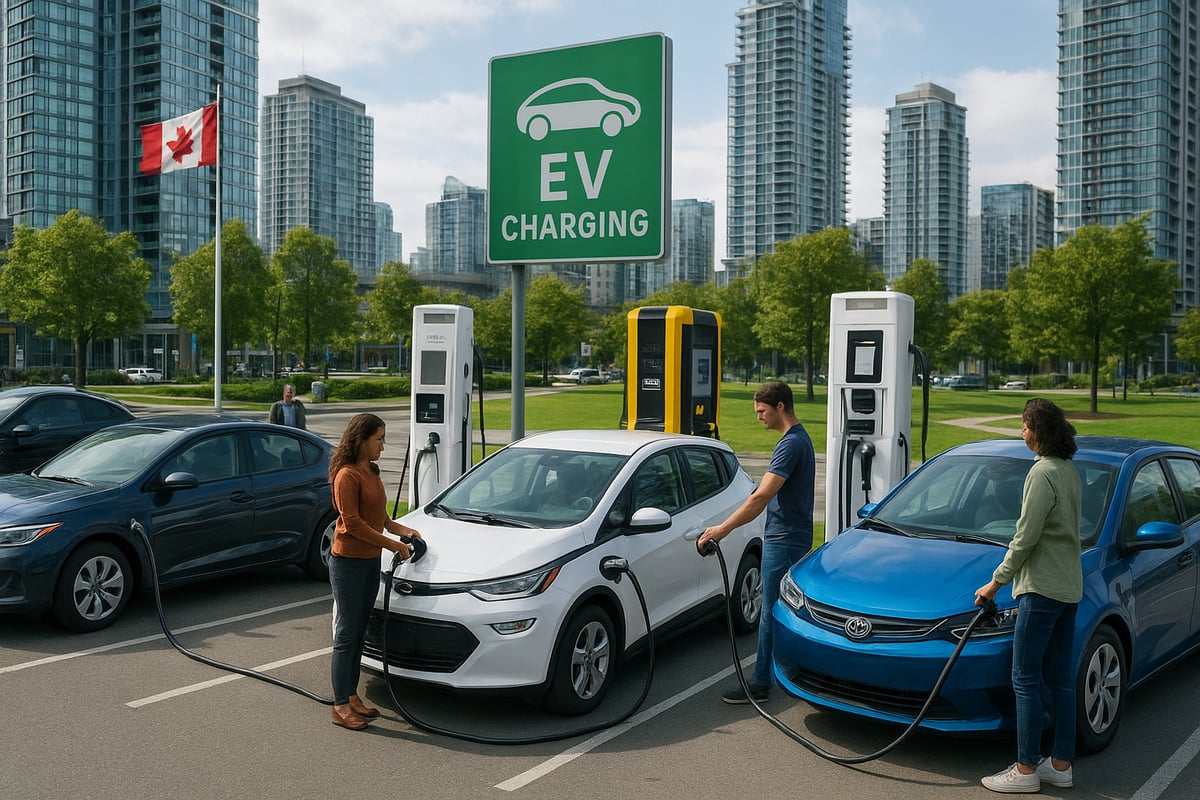
The global ev chargers business is experiencing unprecedented momentum, with electric vehicle sales expected to double by 2026. In Canada, EV adoption is surging, supported by ambitious government targets and significant investments in infrastructure. Public and private charging stations are expanding quickly, especially in urban hubs like Toronto and Vancouver. According to recent data, Canada's EV Charging Boom: 24% YoY Growth in Public Charging Stations highlights a 24.2 percent year-over-year increase in public charging locations as of March 2025. Urban areas see the highest demand, yet rural regions are beginning to catch up. These trends point to major growth opportunities for new entrants in the ev chargers business.
Key Drivers and Challenges
Several forces are propelling the ev chargers business forward. Robust government incentives, such as rebates and tax credits, lower the barrier for investment. Environmental concerns and rising consumer demand for sustainable transport also fuel growth. However, challenges persist. Grid capacity and infrastructure limitations can slow deployment, especially in older neighborhoods. Competition from established networks is intensifying, putting pressure on new businesses to innovate. Ontario’s EV charging grant programs serve as a strong example of policy support, but navigating regional regulations remains complex for many in the ev chargers business.
Types of EV Charging Solutions
The ev chargers business encompasses a range of technologies. Level 1 chargers use standard outlets and are ideal for home use but charge slowly. Level 2 chargers offer faster charging, suitable for both residential and commercial settings. DC Fast Chargers deliver rapid charging at high-traffic locations, such as shopping centers or highways. Each charger type has distinct pros and cons, impacting installation costs and user convenience. Market share is shifting, with DC fast charging gaining traction in retail and fleet environments. Successful ev chargers business operators match charger types to customer needs and site characteristics, optimizing return on investment.
Target Customers and Segments
A thriving ev chargers business identifies and serves the right customer segments. Residential clients seek home charging convenience, while commercial customers—such as property managers and fleet operators—demand reliability and scalability. Municipalities are investing in public charging, often retrofitting multi-unit residential buildings (MURBs) to accommodate more vehicles. Consumer behavior insights reveal a growing preference for accessible, user-friendly charging. Businesses must decide between B2B and B2C approaches, tailoring services for each segment. Understanding these segments is vital for crafting a successful ev chargers business strategy.
Competitive Landscape and Key Players
The ev chargers business landscape features major manufacturers and network operators alongside innovative startups. Market entry barriers include high initial investment, technology integration, and regulatory compliance. However, collaboration with utilities, property owners, and municipalities can open doors. Partnerships are increasingly common, as seen in joint ventures between utilities and tech startups. Notable Canadian companies are making strides, leveraging local expertise and partnerships. For a new ev chargers business, aligning with key players and building a trusted network is essential to compete and grow.
Building Your EV Charging Business Model
Establishing a successful ev chargers business requires a robust and adaptable business model. From generating revenue to managing costs and ensuring compliance, every element plays a crucial role. Let’s explore the foundational components for building a profitable and sustainable ev chargers business.
Revenue Models and Monetization
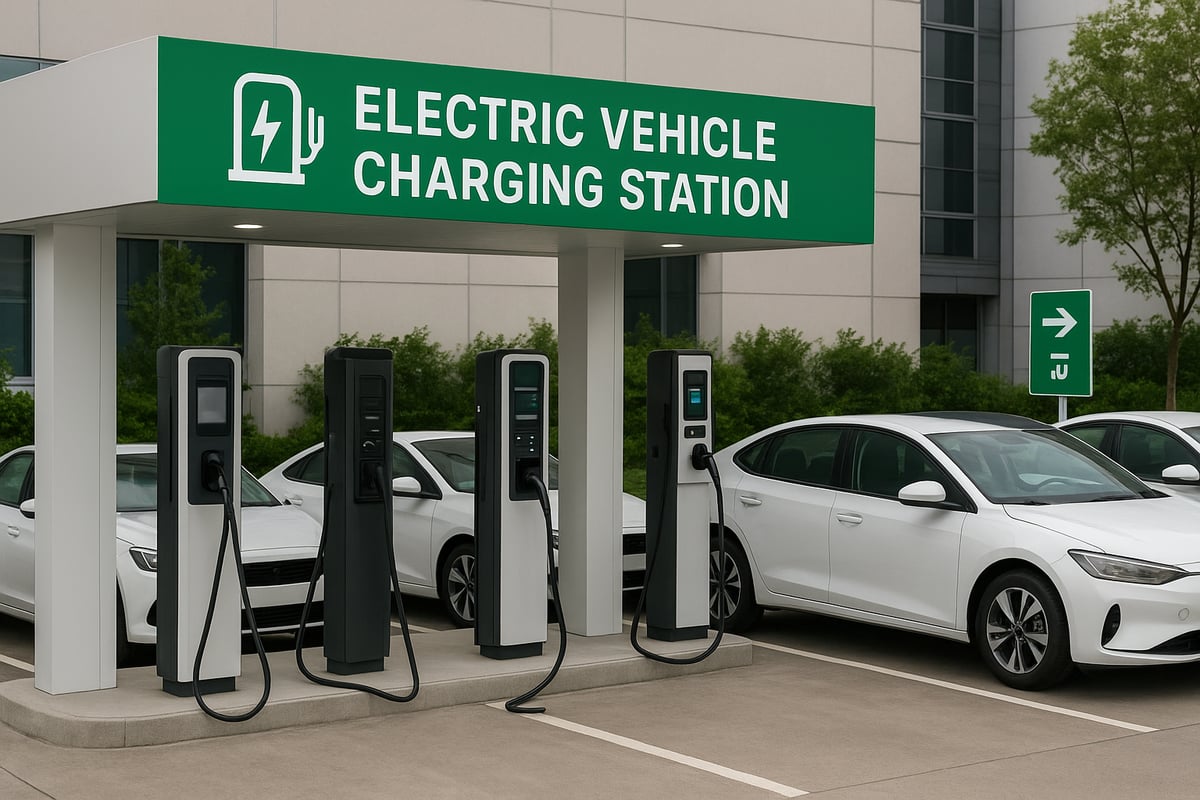
Choosing the right revenue stream shapes the financial health of your ev chargers business. Common approaches include pay-per-use, subscription-based access, and hybrid models that combine both. Station ownership versus third-party management also impacts profit margins and operational responsibilities.
Value-added services such as advertising on charging screens or loyalty programs can further boost income. For a deeper dive into how leading networks generate revenue, including innovative options like data monetization and energy management, see How do EV charging networks make money?.
Comparing pricing strategies helps clarify your positioning:
| Model Type | Pros | Cons |
|---|---|---|
| Pay-per-use | Flexible for users | Less predictable revenue |
| Subscription | Recurring income | May deter occasional users |
| Hybrid | Balances flexibility and stability | More complex to administer |
Cost Structure and Investment Considerations
Launching an ev chargers business involves both upfront and ongoing expenses. Initial capital expenditures cover hardware, installation, site preparation, and permitting. Operational costs include electricity, maintenance, software updates, and customer support.
Funding options range from loans and grants to private investment. Accurately projecting your return on investment is essential. For example, Level 2 chargers are less expensive to install but generate lower fees, while DC fast chargers involve higher costs and faster breakeven potential.
Monitor your cash flow closely. Analyzing cost per site and expected utilization will guide your investment decisions and long-term growth.
Legal, Regulatory, and Compliance Factors
Adhering to legal and regulatory frameworks is vital in the ev chargers business. In Canada, the Canadian Electrical Code (CEC) sets technical standards for charger installations. Local permitting and zoning requirements can vary, so early engagement with authorities is crucial.
Accessibility and safety standards, such as those enforced by the Electrical Safety Authority (ESA) in Ontario, protect users and reduce liability. Utility interconnection processes ensure grid compatibility and operational reliability.
Clear documentation and timely approvals streamline project timelines, helping your ev chargers business avoid costly delays.
Technology and Software Integration
Technology is at the core of every modern ev chargers business. Smart charging solutions enable load management, lower operational costs, and provide a seamless user experience. Network connectivity through protocols like Open Charge Point Protocol (OCPP) ensures interoperability with various hardware and software platforms.
Integrated payment processing and user authentication enhance convenience and security. Real-time monitoring and data analytics support predictive maintenance and efficient operations.
Continuous tech upgrades keep your ev chargers business competitive as vehicle and charging technologies evolve.
Partnerships and Collaboration Opportunities
Strategic partnerships unlock growth for your ev chargers business. Collaborate with property owners, utilities, and municipalities to access prime locations and shared resources. Joint ventures with automotive dealerships can boost charger utilization and brand visibility.
Public-private partnerships are increasingly popular for developing urban charging hubs. Building a trusted installer and maintenance network ensures high service standards and reliability.
Long-term collaboration helps your ev chargers business stay resilient in a rapidly changing market.
Site Selection, Installation, and Operations
Selecting the right site, following best installation practices, managing energy use, maintaining equipment, and planning for growth are all crucial steps for any ev chargers business. This section walks you through each stage, ensuring your venture is built for long-term success.
Choosing the Right Location
Location is a foundational factor for the success of any ev chargers business. High-traffic areas, such as shopping centers, workplaces, and transit hubs, attract more users and offer greater revenue potential. Accessibility, visibility from main roads, and proximity to amenities can further increase station usage.
Site assessment tools help evaluate electrical capacity, parking availability, and local zoning. For example, placing chargers at shopping centers meets driver demand for convenience and dwell time. Urban locations often see higher utilization, but rural sites can fulfill underserved needs.
Partnering with experienced installers can streamline site selection and deployment. For a comprehensive look at the process, visit Commercial EV charging station installs to see how experts approach site planning and execution for commercial projects.
Installation Process and Best Practices
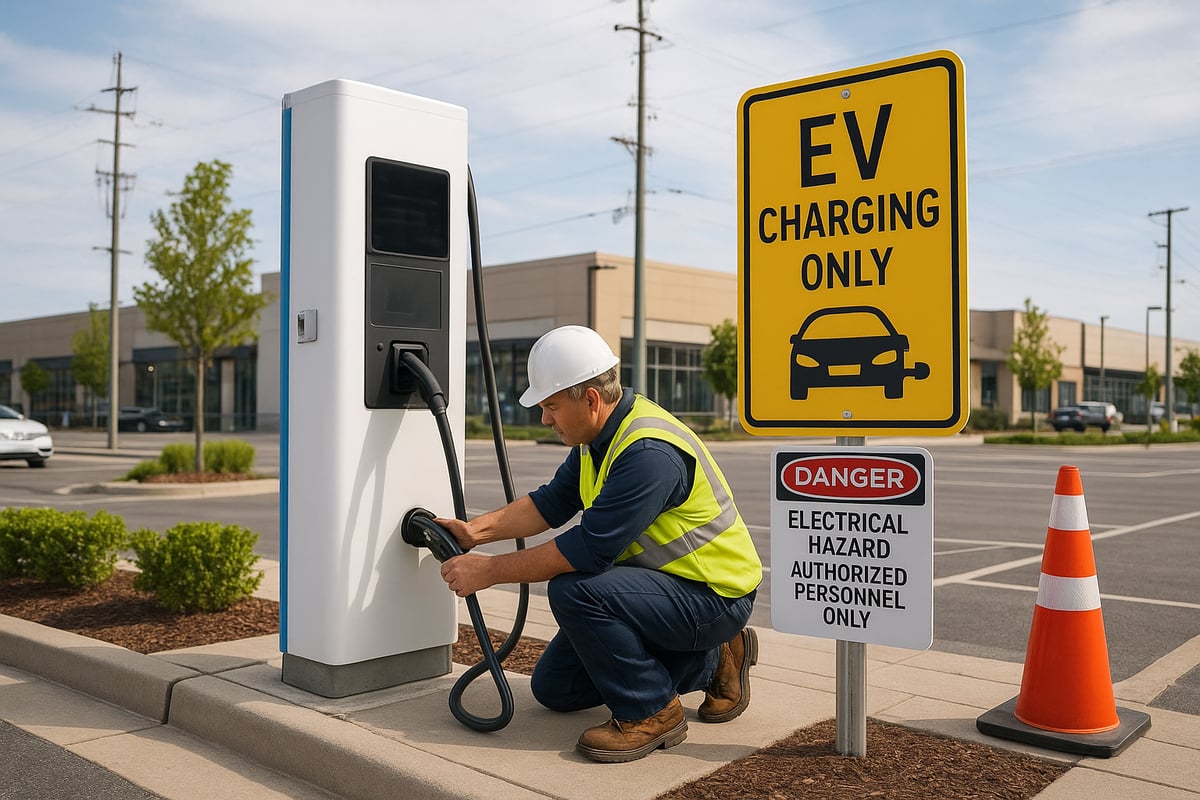
A structured installation process is critical for an ev chargers business. It begins with a thorough site survey to assess electrical infrastructure and parking layouts. Next, secure all necessary permits and approvals from local authorities.
Trenching, wiring, and electrical upgrades may be required to support the charger’s power needs. Hiring certified installers ensures compliance with safety standards and reduces future maintenance risks. Quality assurance checks, including load testing and system commissioning, are essential before opening the station to the public.
A typical commercial installation can take several weeks, from initial survey to final inspection. Careful planning and coordination with contractors help prevent delays and cost overruns.
Grid Connection and Energy Management
Reliable grid connection is vital for any ev chargers business. Coordination with local utilities is needed to determine load capacity and avoid overloading the existing infrastructure. Conduct a detailed load analysis to forecast peak demand and identify potential upgrades.
Demand charges can significantly impact operating costs, so implementing load management solutions is recommended. Integrating renewable energy sources, such as solar panels, can provide additional power and reduce utility expenses. For instance, solar-powered charging stations not only lower carbon footprints but also attract eco-conscious customers.
Energy management strategies, including battery storage and time-of-use pricing, help optimize operations and maximize profitability.
Maintenance, Uptime, and Customer Support
Maintaining high uptime is essential for building trust and loyalty in the ev chargers business. Implement preventive maintenance schedules to inspect hardware, replace worn components, and clean equipment regularly.
Remote diagnostics allow operators to identify and resolve issues quickly, minimizing downtime. Service level agreements (SLAs) set clear expectations for response times and repairs. Industry benchmarks suggest uptime rates above 98 percent are achievable with proactive management.
Providing responsive customer support, both on-site and remotely, ensures users have a positive charging experience and are more likely to return.
Scalability and Future-Proofing Operations
Planning for scalability is a key strategy for a sustainable ev chargers business. Modular infrastructure allows for easy addition of new charging units as demand grows. Design sites to accommodate upgrades to higher power levels, such as moving from Level 2 to DC fast charging.
Stay informed about emerging EV technologies and model requirements to ensure compatibility. Retrofitting sites with battery storage can support grid stability and offer backup power during peak usage.
Future-proofing also involves monitoring regulatory changes and preparing for evolving market needs, ensuring your business remains competitive and adaptable.
Marketing, Customer Acquisition, and Branding
A robust marketing strategy is essential for any ev chargers business aiming to stand out in a rapidly expanding market. With competition intensifying, building a recognizable brand and acquiring loyal customers are crucial for long-term success. This section explores how to differentiate your ev chargers business, leverage digital channels, foster partnerships, and enhance customer retention.
Defining Your Unique Value Proposition
To thrive in the ev chargers business, you must clearly define what sets your offerings apart. Focus on core differentiators such as charging speed, network reliability, and environmental sustainability. Certifications, extended warranties, and visible safety standards can foster trust among both commercial and residential clients.
Consider positioning your ev chargers business around green branding, emphasizing carbon reduction and renewable energy sourcing. For example, highlight your alignment with market growth trends, as Canada’s EV charging infrastructure is projected to reach USD 2,539.6 million by 2034 according to Canada Electric Vehicle Charging Infrastructure Market Size to Reach USD 2,539.6 Mn by 2034.
- Fast charging capabilities
- Eco-friendly operations
- Seamless user experience
A strong value proposition will help your ev chargers business attract the right customer segments and drive brand loyalty.
Digital Marketing Strategies
A successful ev chargers business leverages digital marketing to increase visibility and generate leads. Start with local SEO and Google My Business to put your charging stations on the map for EV drivers. Invest in targeted paid ads and social media campaigns to reach early adopters and fleet operators.
Content marketing plays a vital role. Create blogs, guides, and case studies addressing common questions about EV charging, installation, and cost savings. Use these resources to position your ev chargers business as a trusted authority.
- Optimize website for mobile and local search
- Share customer testimonials and project highlights
- Engage with online EV communities
These strategies help your ev chargers business stay top-of-mind for both B2B and B2C clients.
Building Partnerships and Community Engagement
Collaboration is a cornerstone of a successful ev chargers business. Partner with local businesses, utilities, and municipalities to expand your network and access high-traffic locations. Sponsoring EV events or educational workshops can build community trust and brand recognition.
Engage in loyalty programs and referral incentives to encourage repeat usage and word-of-mouth promotion. Community charging initiatives, such as those in Toronto, demonstrate the value of public-private cooperation for wider EV adoption.
- Joint ventures with automotive dealerships
- Collaborations with property managers
- Support for local sustainability projects
By forging strong partnerships, your ev chargers business can access new markets and strengthen its reputation.
Customer Experience and Retention
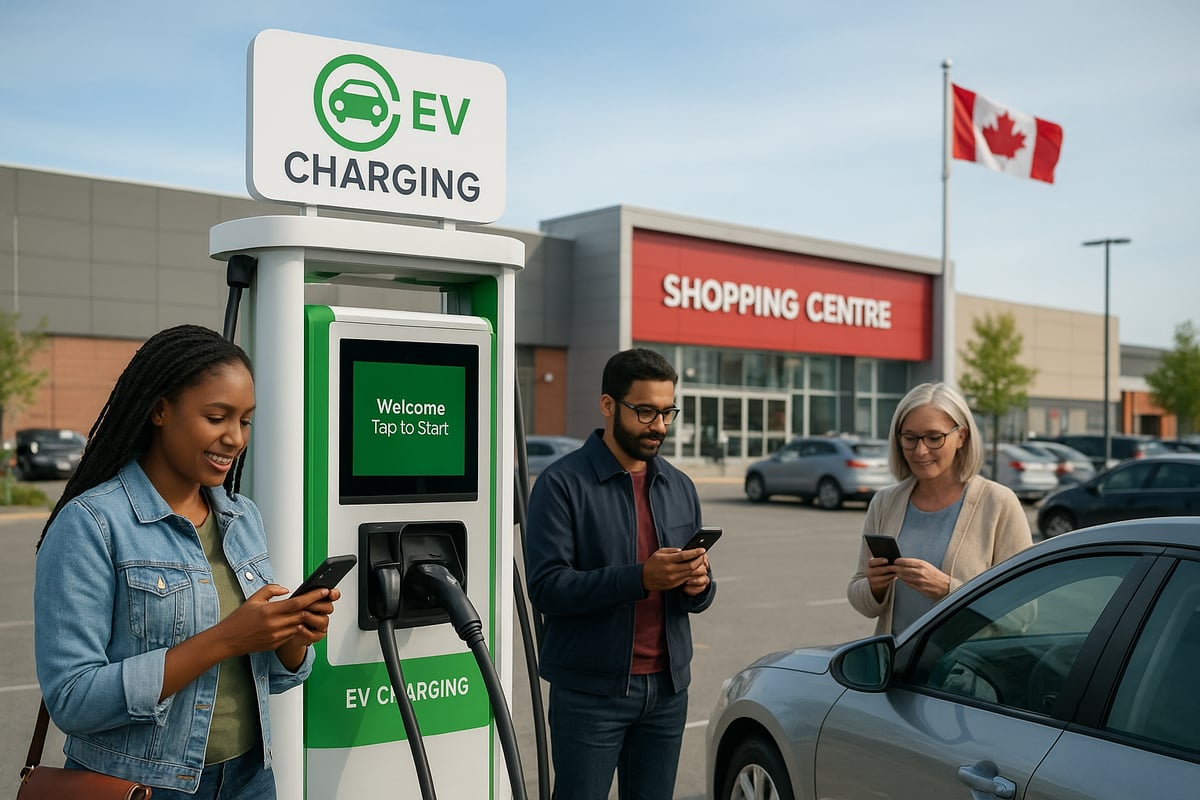
Delivering a seamless customer experience is essential for retaining users and generating positive reviews for your ev chargers business. Prioritize intuitive payment systems, user-friendly mobile apps, and real-time customer support.
Gather and analyze customer feedback to continuously improve your services. According to Public Charging Performance: A Surprisingly Strong Start to 2025, Canadian public charging stations have seen notable improvements in user satisfaction and reliability.
- Implement remote diagnostics for rapid issue resolution
- Offer transparent pricing and loyalty rewards
- Encourage customer reviews and respond promptly
A focus on customer experience will help your ev chargers business build lasting relationships and encourage repeat business.
Navigating Future Trends and Innovations
The ev chargers business is entering a transformative phase, with new technologies and market shifts shaping its trajectory. Staying ahead of these trends is crucial for long-term competitiveness and resilience. Let us explore the key innovations and changes that will define the future landscape of this industry.
Emerging Technologies in EV Charging
Technological advancements are rapidly changing the ev chargers business. Wireless charging, for example, offers drivers a seamless experience by eliminating cords and enabling automatic charging when vehicles park over special pads.
Vehicle-to-grid (V2G) technology is gaining traction, allowing EVs to feed energy back into the grid during peak demand. Ultra-fast charging stations are also emerging, reducing charging times to minutes instead of hours.
Several Canadian cities are piloting these innovations, integrating them with autonomous vehicle testing. These trends are setting new standards for convenience and efficiency, positioning the ev chargers business for significant growth.
Regulatory Changes and Sustainability Goals
The regulatory landscape for the ev chargers business is evolving quickly. Canada and its provinces are rolling out stricter zero-emission vehicle mandates and ambitious targets for EV adoption by 2030 and beyond.
New rules will require businesses to comply with advanced safety, accessibility, and reporting standards. These changes impact business planning, investment timelines, and operational protocols.
To navigate these developments, adopting sustainable practices and efficient energy use is essential. For practical strategies, see energy efficiency tips for businesses. Proactive compliance and sustainability will help future-proof your ev chargers business.
Market Expansion Opportunities
Expanding the ev chargers business into underserved and rural areas presents new opportunities. Many regions lack adequate charging infrastructure, which creates strong demand for both public and private investment.
Fleet electrification is another promising area, with commercial operators seeking reliable charging solutions for delivery vans, buses, and company vehicles. Partnerships with local governments and utilities can accelerate deployment in northern and remote communities.
Successful expansion depends on understanding local needs, securing funding, and building strong relationships. These strategies enable the ev chargers business to reach new markets and drive inclusive growth.
Data, Analytics, and Business Intelligence
Data-driven decision-making is becoming a cornerstone of the ev chargers business. Operators can leverage real-time usage data to optimize charger placement, reduce downtime, and forecast demand.
Predictive maintenance tools analyze charger performance, helping prevent service disruptions and improve customer satisfaction. Business intelligence platforms also enable dynamic pricing models, adapting rates based on usage patterns and market trends.
For example, leading companies use analytics to select high-traffic locations and schedule upgrades proactively. Embracing data and analytics ensures the ev chargers business remains agile and competitive in a rapidly changing environment.
As you’ve seen throughout this guide, setting up a successful EV charging business by 2026 means navigating market trends, regulations, and installation best practices with confidence. Whether you’re planning to serve residential clients, commercial properties, or fleet operators, partnering with a trusted, licensed contractor is key to ensuring your project is safe, reliable, and future ready. If you’re ready to take the next step toward building your EV charging solution in Toronto or the GTA, let’s start with a tailored consultation. Get your personalized EV Charger Installation Quote
and move forward with experience you can count on.